

Fresh Raspberry Water
Freſh Raſpberry Water is a refreshing beverage with a zip. We made it at a historic cooking class that I taught last July at Nelles Manor Museum and I remember that it was very satisfying to drink after cooking over an open hearth on a hot summer day. It’s a simple recipe. Remove the raspberry seeds with a sieve, then add lemon juice, white sugar and water. I pulled this gem of a recipe from the 1790 cook book The Complete Confectioner by Frederick Nutt.

You’ll find this recipe in:
The Complete Confectioner
By: Frederick Nutt
London, 1790
Historic Recipe
Freſh Raſpberry Water.
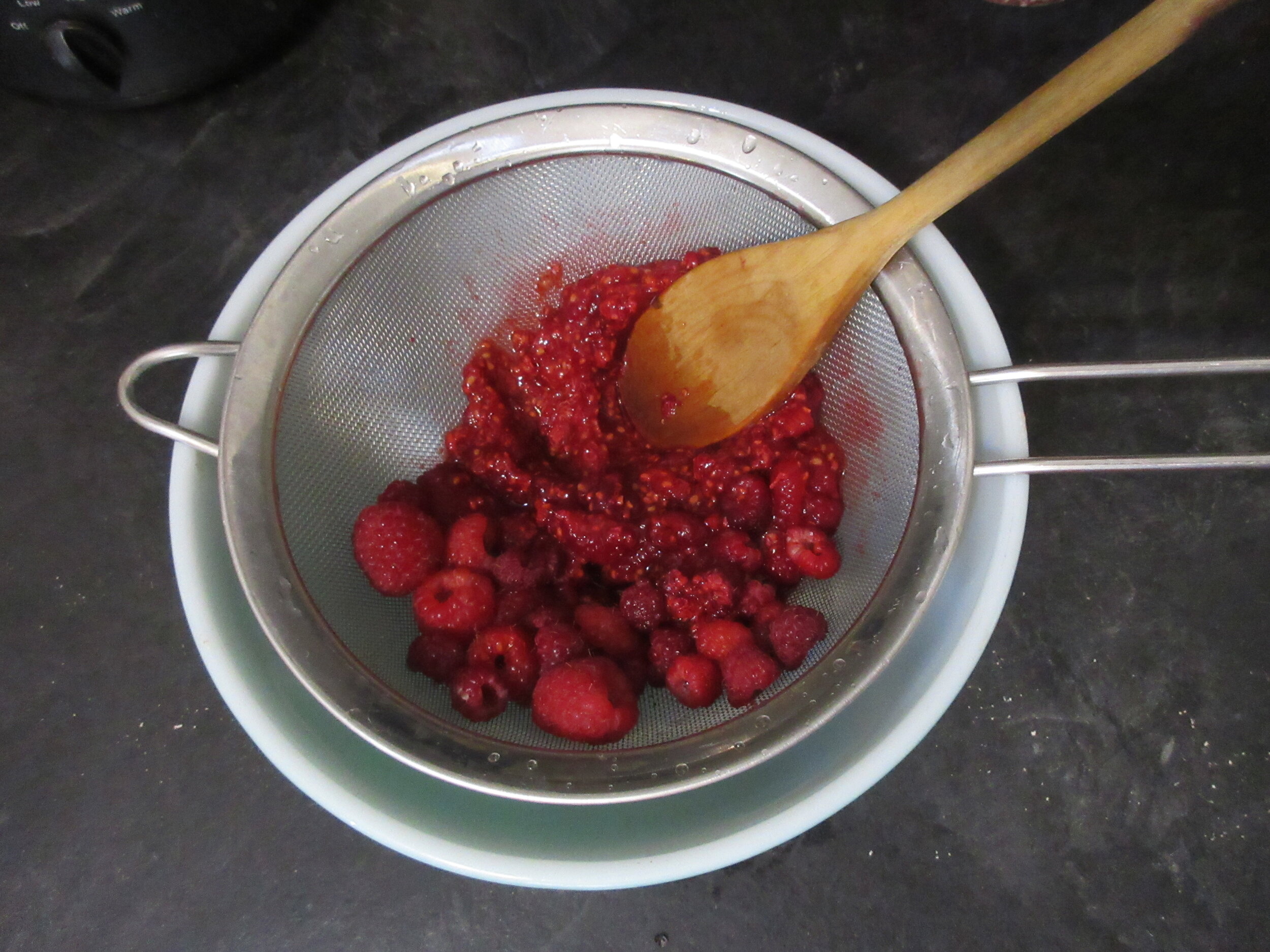
TAKE a pint of freſh raſpberries; and paſs them through a ſieve with a wooden ſpoon; put two large ſpoonfuls of powdered ſugar in, ſqueeze one lemon in and let the reſt be water; make it palatable and put a little cochineal in it to colour it; paſs it through a ſieve and it is fit for use.
My recipe:
2 cups raspberries – 300 g
Juice of 1 lemon
2 tbsp white sugar
Water to taste – I used 6 cups (1420 mL)
Red food colouring (optional)
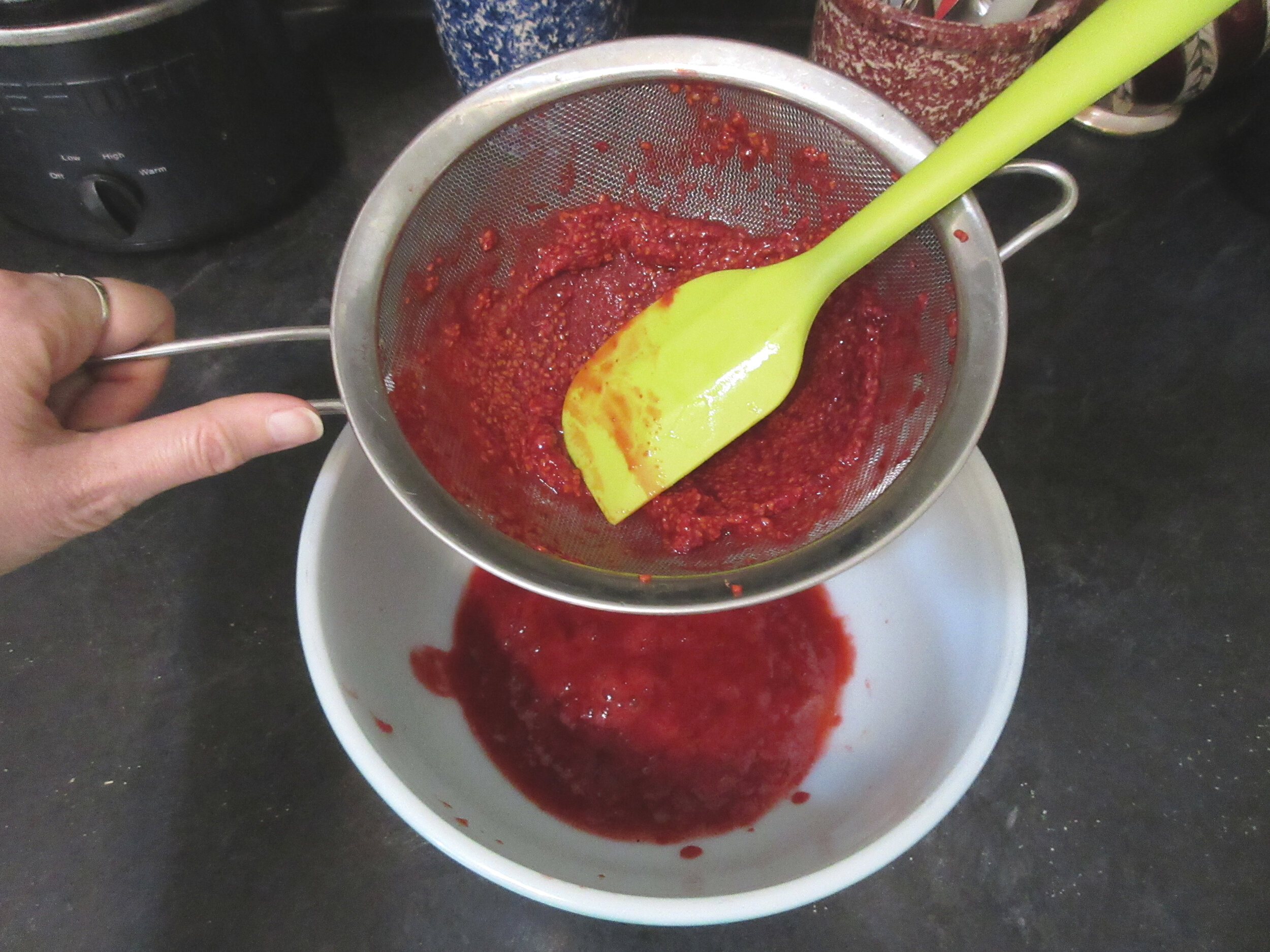
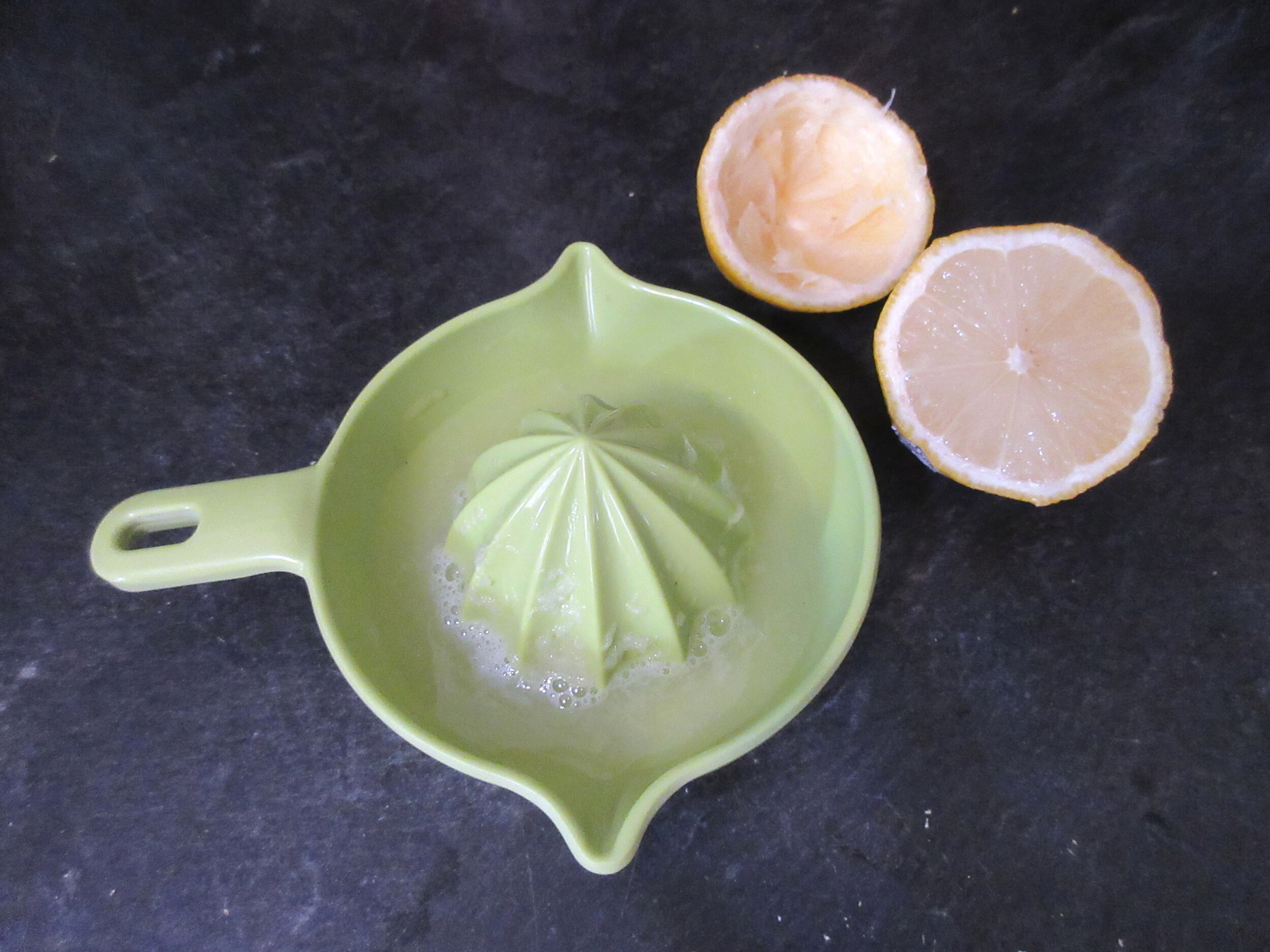
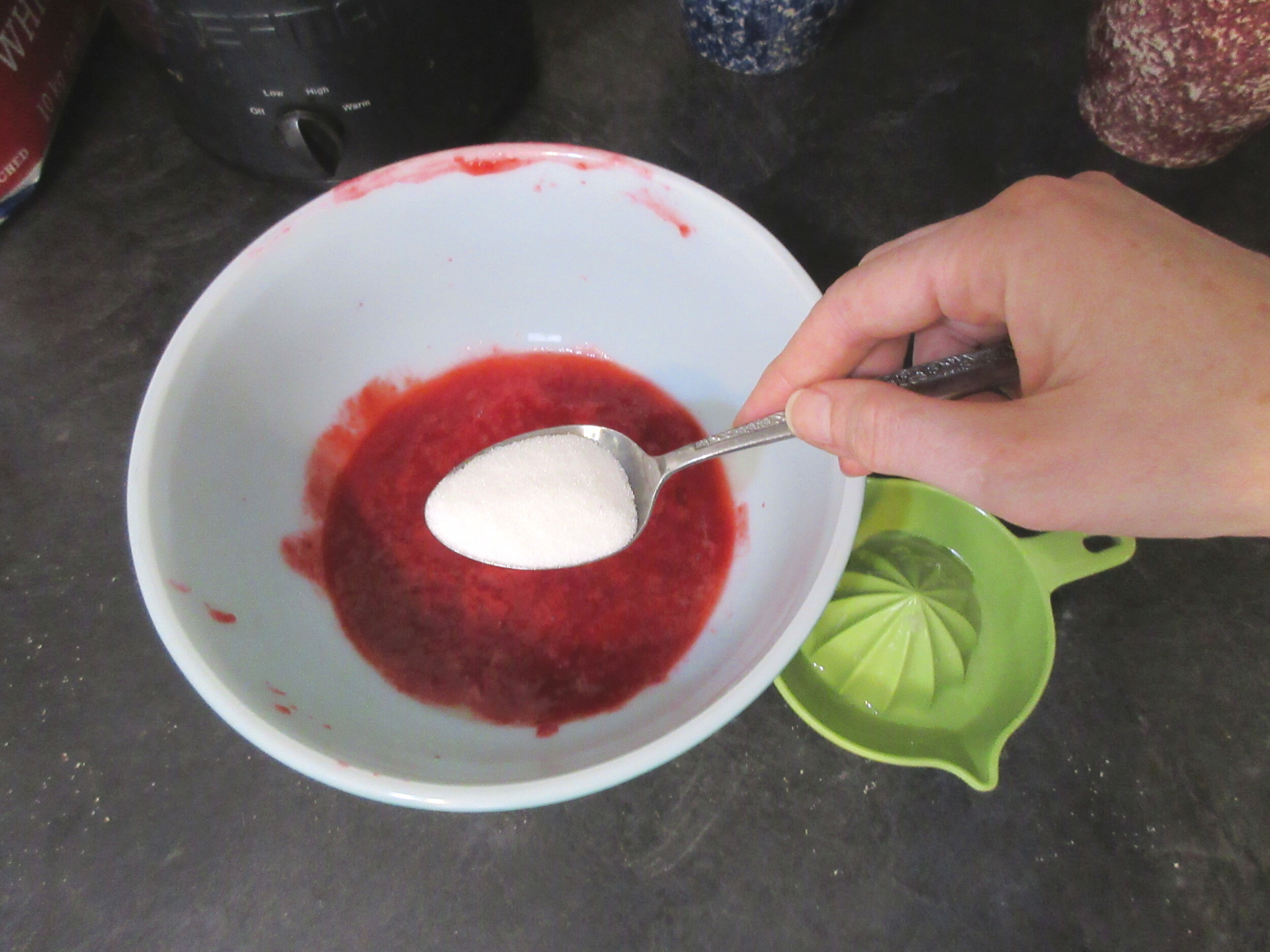
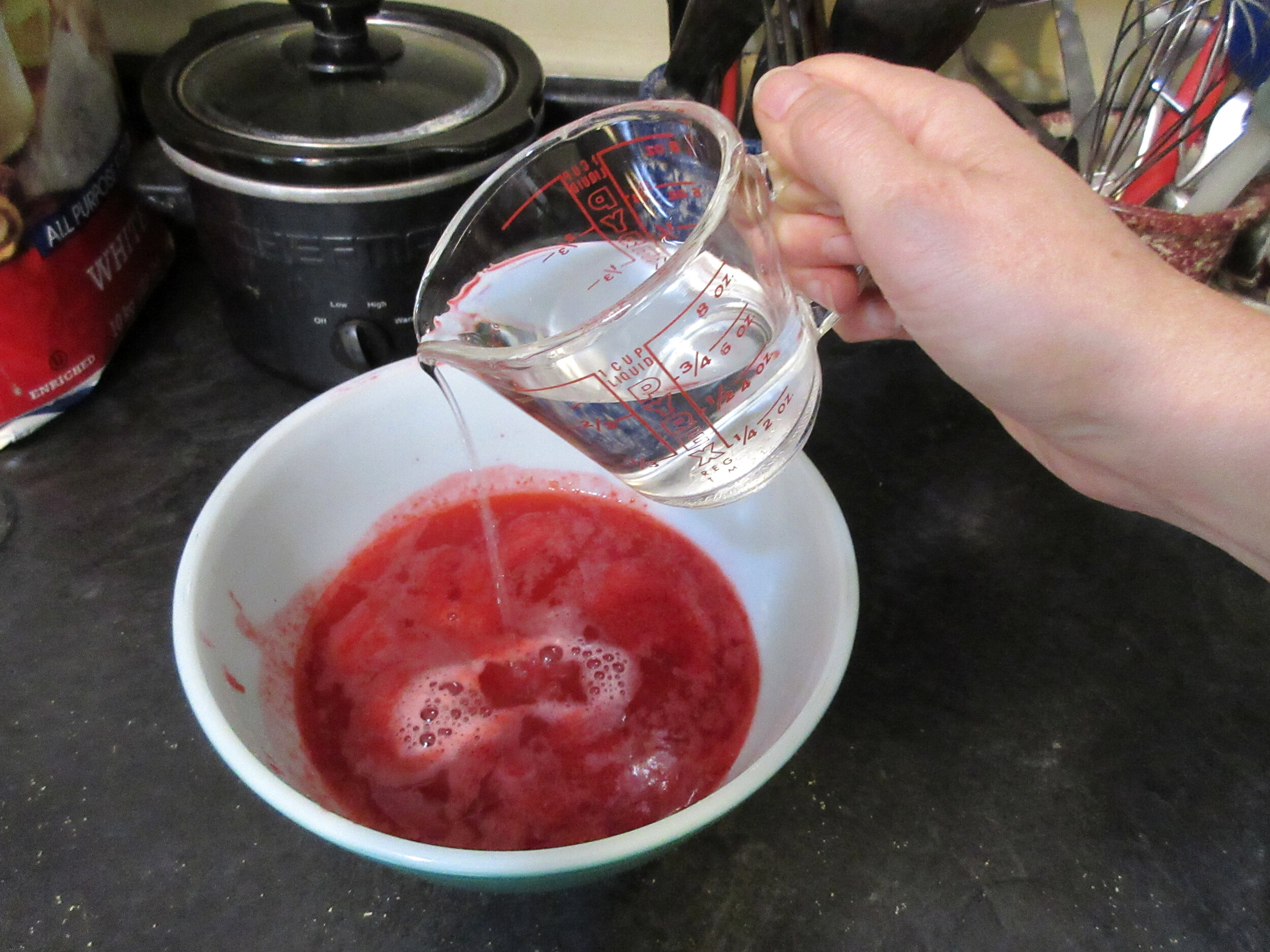
Push the raspberries through a sieve with a wooden spoon or spatula to remove the seeds. Juice a lemon and add to the raspberry pulp along with the sugar. Stir, and add water to taste. If desired, add red food colouring to amp up the colour.
Raspberry Water will settle over time, so give it a stir or shake before serving.

Freſh Raſpberry Water is a refreshing beverage with a zip. We made it at a historic cooking class that I taught last July at Nelles Manor Museum and I remember that it was very satisfying to drink after cooking over an open hearth on a hot summer day. It’s a simple recipe. Remove the raspberry seeds with a sieve, then add lemon juice, white sugar and water.
At the same class, we also made Strawberry-fritters , which I also highly recommend! Nelles Manor has reopened for tours this month, so check out their website (http://nellesmanor.ca/) for the latest news about their hours & procedures if you’re looking for something to do in Grimsby, Ontario.
You may have wondered 2 things when reading the historic recipe:
1) What is that unusual letter that appears where an ‘S’ should be? It is the Long S or Descending S, a letter of the Latin alphabet that fell out of use around the turn of the 19th-century. If you’d like to read more about the Long S, you’ll find a brief history in my To Boil Green Peas post.
2) What is cochineal? Frederick Nutt instructs us to “put a little cochineal in it to colour it”. Cochineal is a red dye that can be used to colour food and textiles. It’s a red powder made from ground up and dried small round insects that live on prickly pear cacti.
To find out more about cochineal, head over to my Rhubarb and Banana Fool recipe, which also lists cochineal as an ingredient. If you keep reading until the end, you’ll also learn about the history of banana recipes in Canadian & American cook books and the early years of the banana industry.
I’ve heard that cochineal is making a comeback because of health concerns about synthetic red dyes. Quite by coincidence, I happened to buy this bottle of Cranberry Raspberry Juice Blend the day before making Fresh Raspberry Water and the last ingredient is cochineal, probably because it’s mostly made up of apple and grape juice!
Read The Complete Confectioner:

To boil green Peas
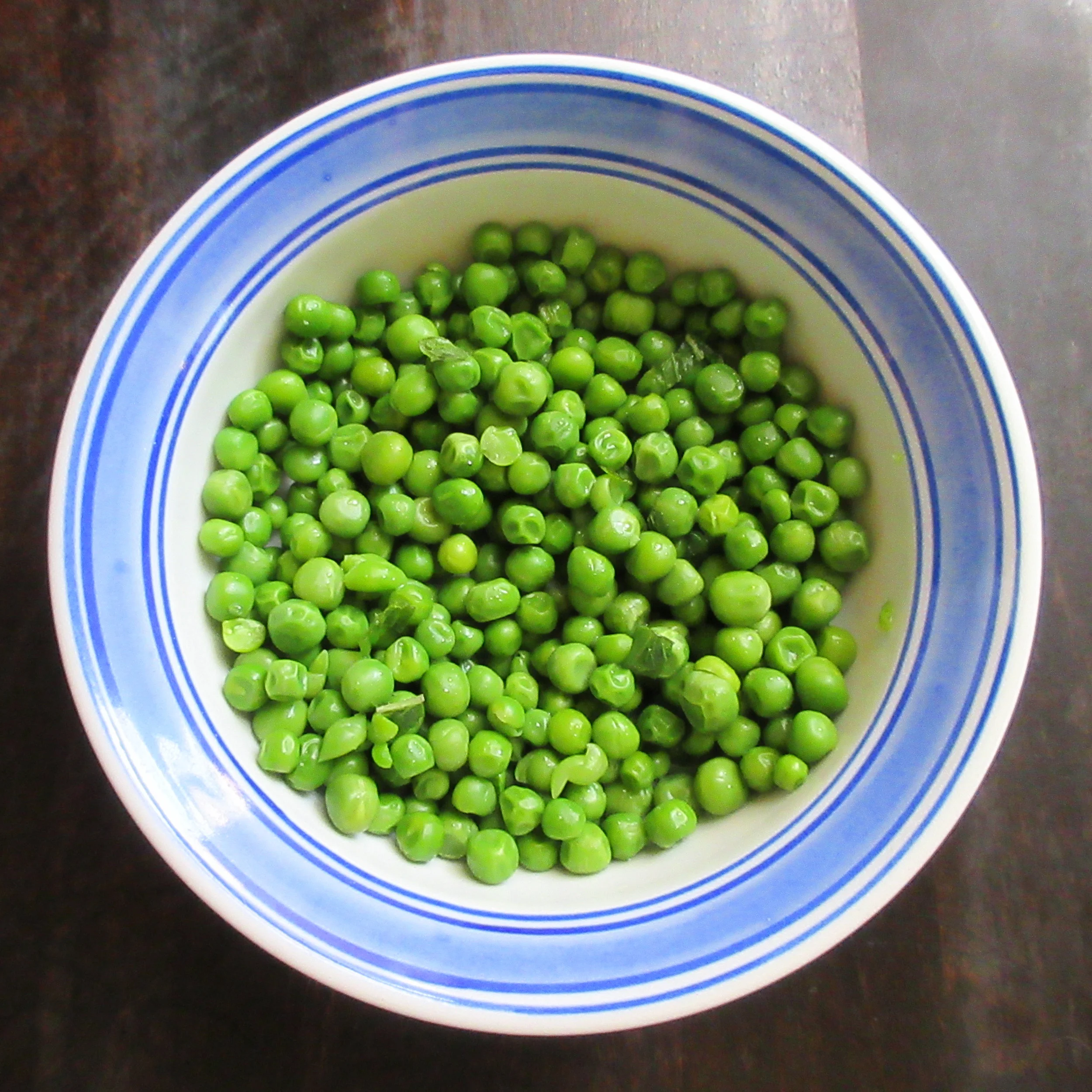
I agree, the name of this recipe doesn't sound very exciting. To boil green Peas? Really, what you end up with is green peas, with a touch of fresh mint, butter and salt. It's a simple, yet flavourful recipe that you'll find in American Cookery from 1796. Our authoress is Amelia Simmons (who has the tagline "An American Orphan" added to her name on the title page) and American Cookery is the first cookbook that was both written and published in the United States.

You'll find this recipe in:
American Cookery
By: Amelia Simmons
Hartford, Connecticut
1796
The Original Recipe:
To boil green Peas.
When your peas are ſhelled and the water boils which ſhould not be much more than will cover them, put them in with a few leaves of mint, as ſoon as they boil put in a piece of butter as big as a walnut, and ſtir them about, when they are done enough, ſtrain them off, and ſprinkle in a little ſalt, ſhake them till the water drains off, ſend them hot to the table with melted butter in a cup or boat.
My Recipe:
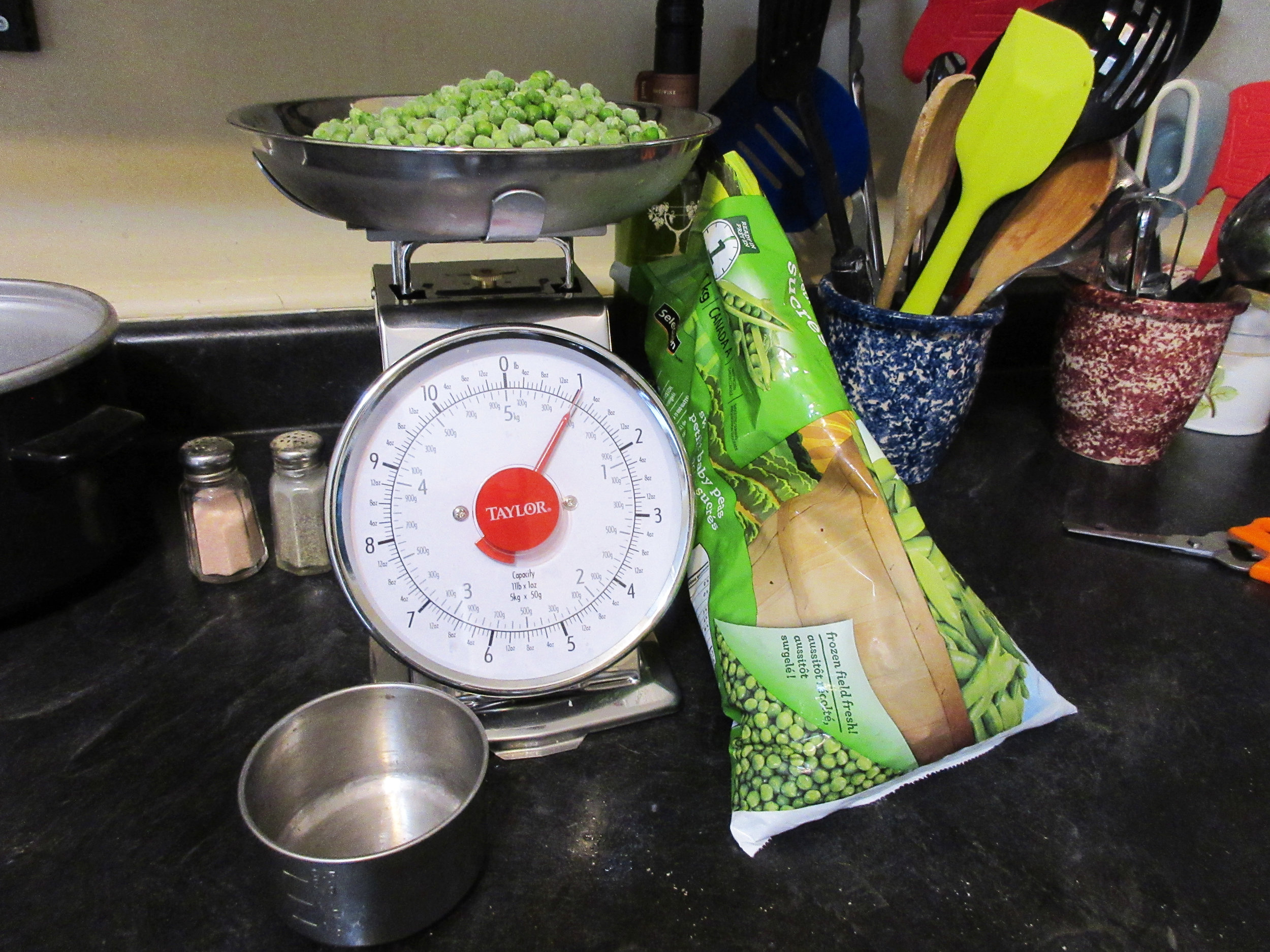
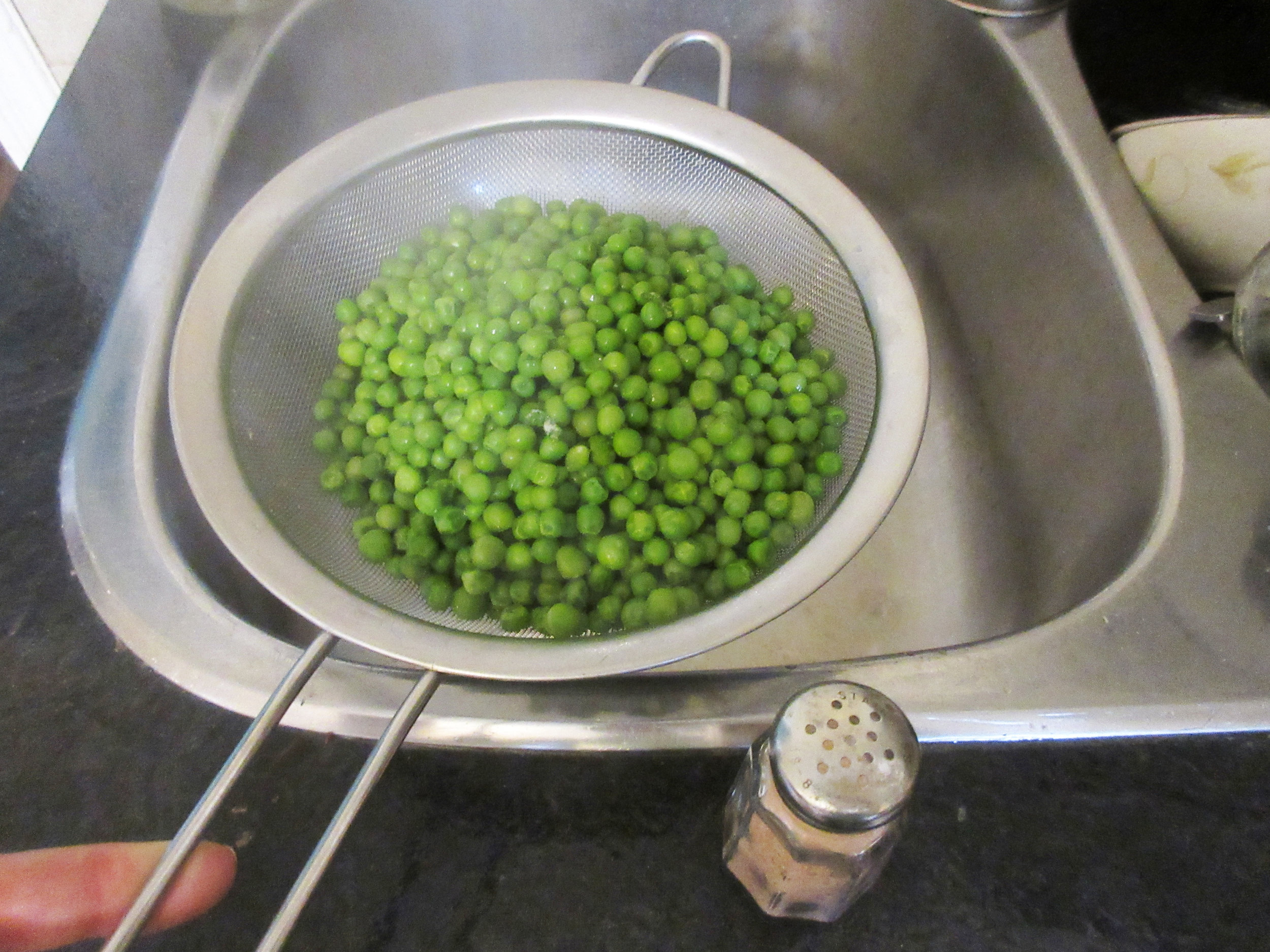
3 cups frozen green peas – 450 g
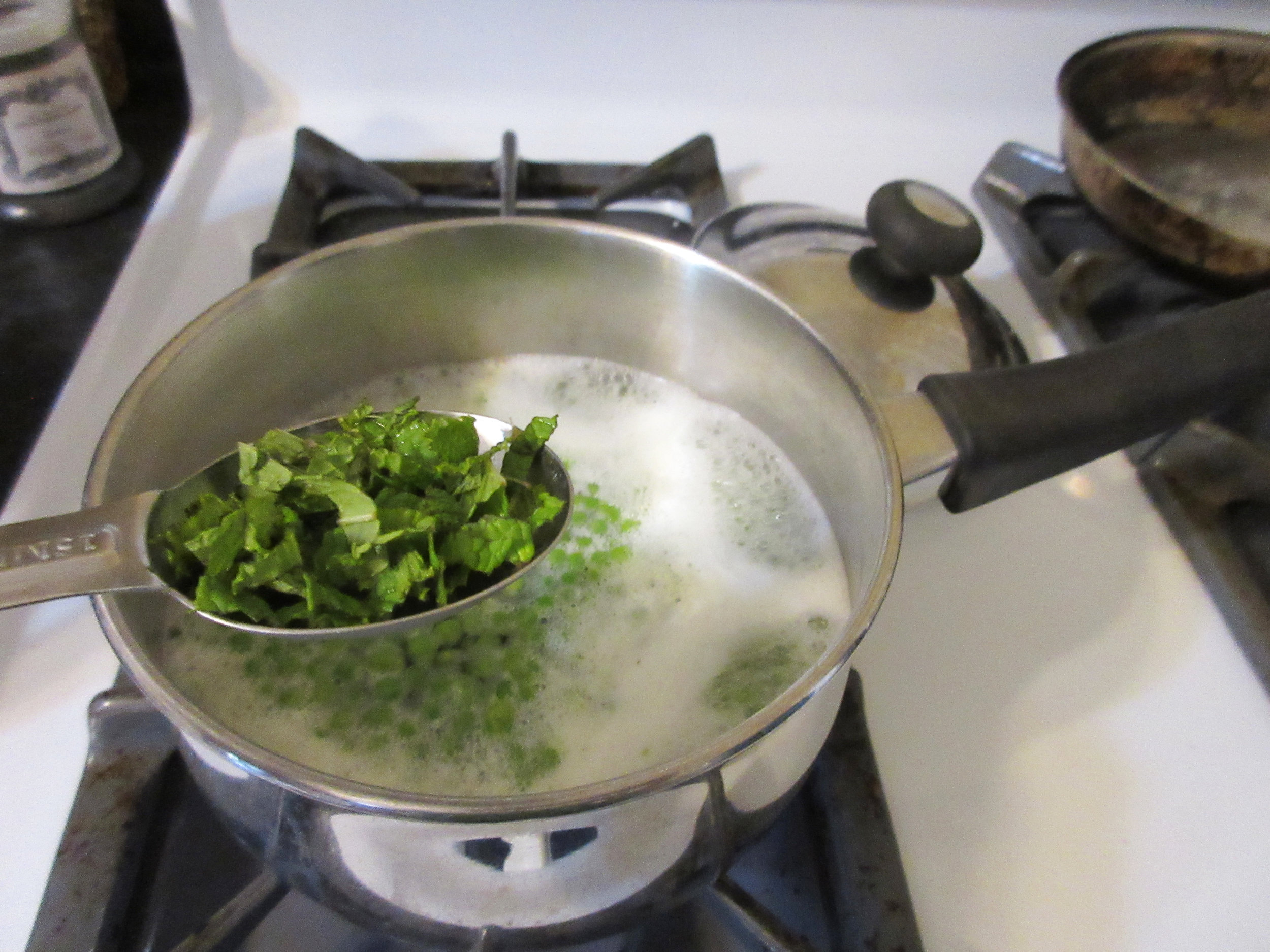
Chopped fresh mint (I used 1 tbsp, but would try more next time)
Butter
Salt
Boil the peas and mint in enough water to cover them, and continue simmering until cooked. Drain and transfer to a dish. Add butter and salt to taste.
The mint: Since this recipe doesn't specify how many peas to use, using "a few leaves of mint" isn't altogether clear either. I picked 3 cups of peas because it seemed like a family-sized amount to serve for a meal, which is probably what Amelia Simmons had in mind. A few leaves amounted to1 tbsp of chopped mint, so that's what I put in the pot. With 1 tablespoon of mint in this amount of peas, I tasted a subtle minty flavour every one or two bites. Next time, I'd try at least 2 tablespoons.
The recipe also doesn't give the instructions to chop the mint, but often recipes of this era leave information out because the author assumes that you already know. Simmons is quite clear about all the other steps in this recipe, though. I debated whether to put the mint in the boiling water whole or not, because perhaps she intended the mint to only flavour the peas & butter. In the end I thought it would be tastier with small pieces of mint nestled in with the peas, so I chopped it.
The butter: If you read the original recipe, Simmons instructs putting "butter as big as a walnut" into the boiling water with the peas while they are cooking, then straining the buttery water from the peas. This seemed like a huge waste to me, and I thought that I might as well just put most of that butter straight into the garbage.
But in the interest of historical accuracy, I listened to the recipe. As I was straining the peas, I realized that all of that oily water was going down the drain. Not good for my plumbing at all! Keeping her pipes unclogged is probably something that Amelia Simmons didn't have to worry about in 1796, so I suggest straining your peas first, then adding the butter.

I agree, the name of this recipe doesn't sound very exciting. To boil green Peas? Really, what you end up with is green peas, with a touch of fresh mint, butter and salt. It's a simple, yet flavourful recipe that you'll find in American Cookery from 1796. Our authoress is Amelia Simmons (who has the tagline "An American Orphan" added to her name on the title page) and American Cookery is the first cookbook that was both written and published in the United States.
As you read the original recipe above, you may have thought, "What is that strange letter that looks a bit like an 'f' at the beginning of some of those words?" If you did have that thought, meet the Long S or Descending S.

The American Bill of Rights uses the Long S, shown here in the word "Congress"
The roots of the Long S stretch back to Roman Cursive, a script that was used in the first to the third century AD. Up until the eleventh or twelfth century, the Long S was used as an uppercase S, but there was a shift around that time that lasted until the late eighteenth and early nineteenth century – right around the time when American Cookery was published.
The Long S was used when the letter s appeared at the beginning or middle of a word. The letter s that we know today (the Short S or Round S) was used at the end of a word, before an apostrophe and before or after the letter f. If a word has a double S, like in the example 'Congress' above, the first S is a Long S and the second one is a Short S.
Confusing, right? You do get used it with practice, and eventually you'll stop pronouncing ſalt as falt instead of salt. Now I can read documents with the Long S and only occasionally mispronounce words in my head while I'm reading!
The change to our familiar usage of the letter S probably came about due to printers wanting to simplify the typesetting process. Why have two letters that sound exactly the same when you can get the job done with one? For that reason, printed materials changed to only using the Short S around the turn of the nineteenth century. Handwriting is another matter. Humans are creatures of habit, so examples of handwriting using the Long S can be seen well into the 1800s.
P.S. If you're interested in reading very detailed rules for using the Long S (in multiple languages!), you'll want to read what BabelStone has to say on this topic.
