
Spinach and Ricotta Dumplings
Spinach and Ricotta Dumplings is found in The New York Times Cook Book from 1961 and it’s a recipe that I had to make twice to end up with something edible. I had to veer from the original cooking method and I recommend adding some additional ingredients to amp up the flavour. The recipe gives the instruction to “shape into small balls” and since small could mean many sizes, I decided to make my dumplings the size of a Timbit.
That’s where the rambling nature of this blog post begins. I realized that most people who read my blog don’t live in Canada and might not know what a Timbit is. I started there, which led to explaining what Tim Hortons is, which led to writing about the first Tim Horton’s restaurant ever in my hometown of Hamilton, Ontario. And then...since measuring something in Timbits is a very Canadian measurement, at the end I have a look at some very Canadian measurements on COVID-19 social distancing signs in Hamilton and Toronto. I’d love to hear what the COVID-19 signs are like in your part of the world, so please leave a comment!

You’ll find this recipe in:
The New York Times Cook Book
By Craig Clariborne
New York, 1961
Original Recipe
SPINACH AND RICOTTA DUMPLINGS
4 servings
1 pound spinach, chopped
¾ pound ricotta or cottage cheese
½ teaspoon salt
2 egg yolks
5 tablespoons grated Parmesan cheese
Flour
¼ cup butter, melted
1. Cook the spinach until just tender. Drain well and press through a sieve.
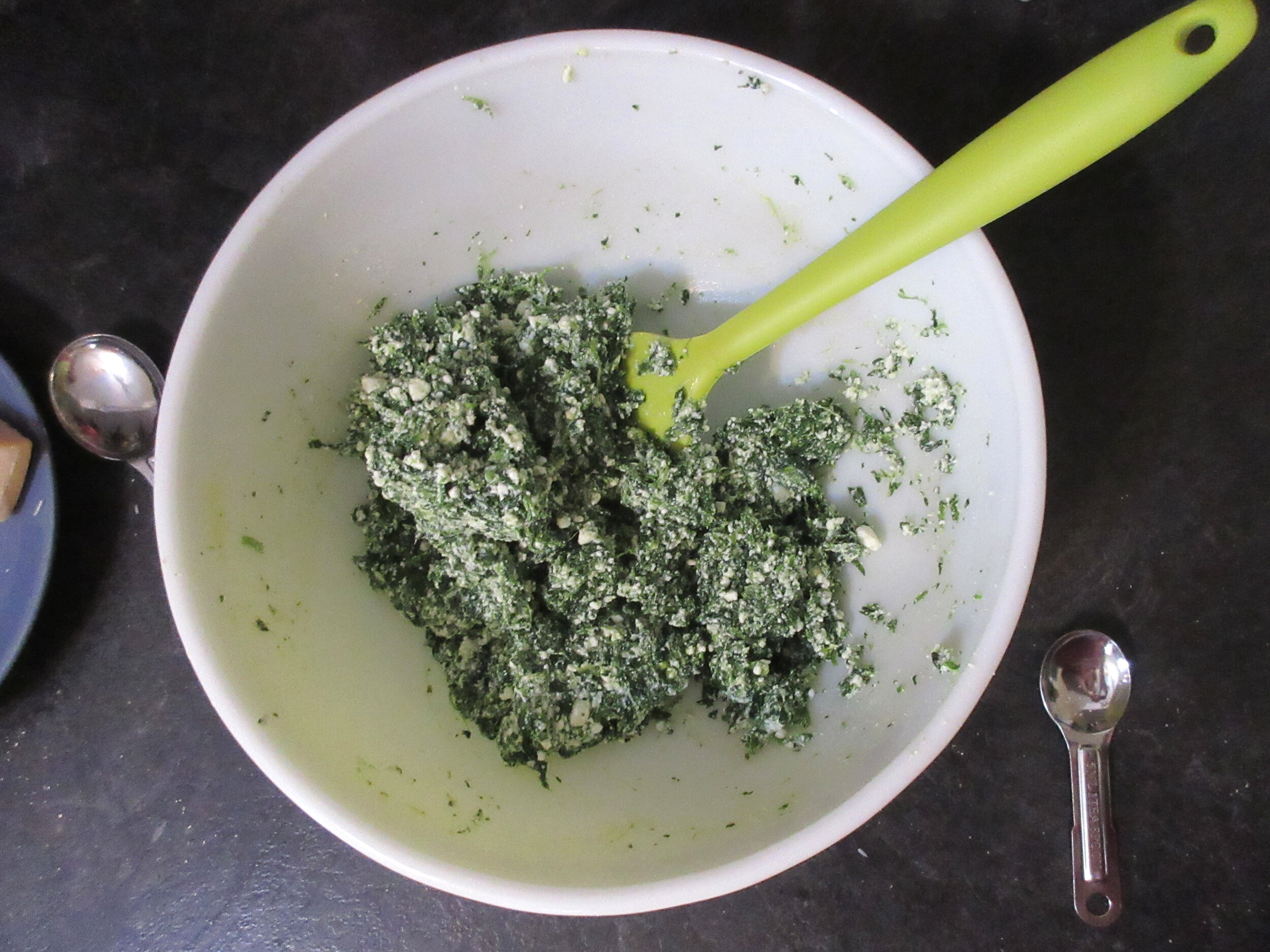
2. Mix the spinach, ricotta cheese, salt, egg yolks and three tablespoons of the Parmesan cheese.
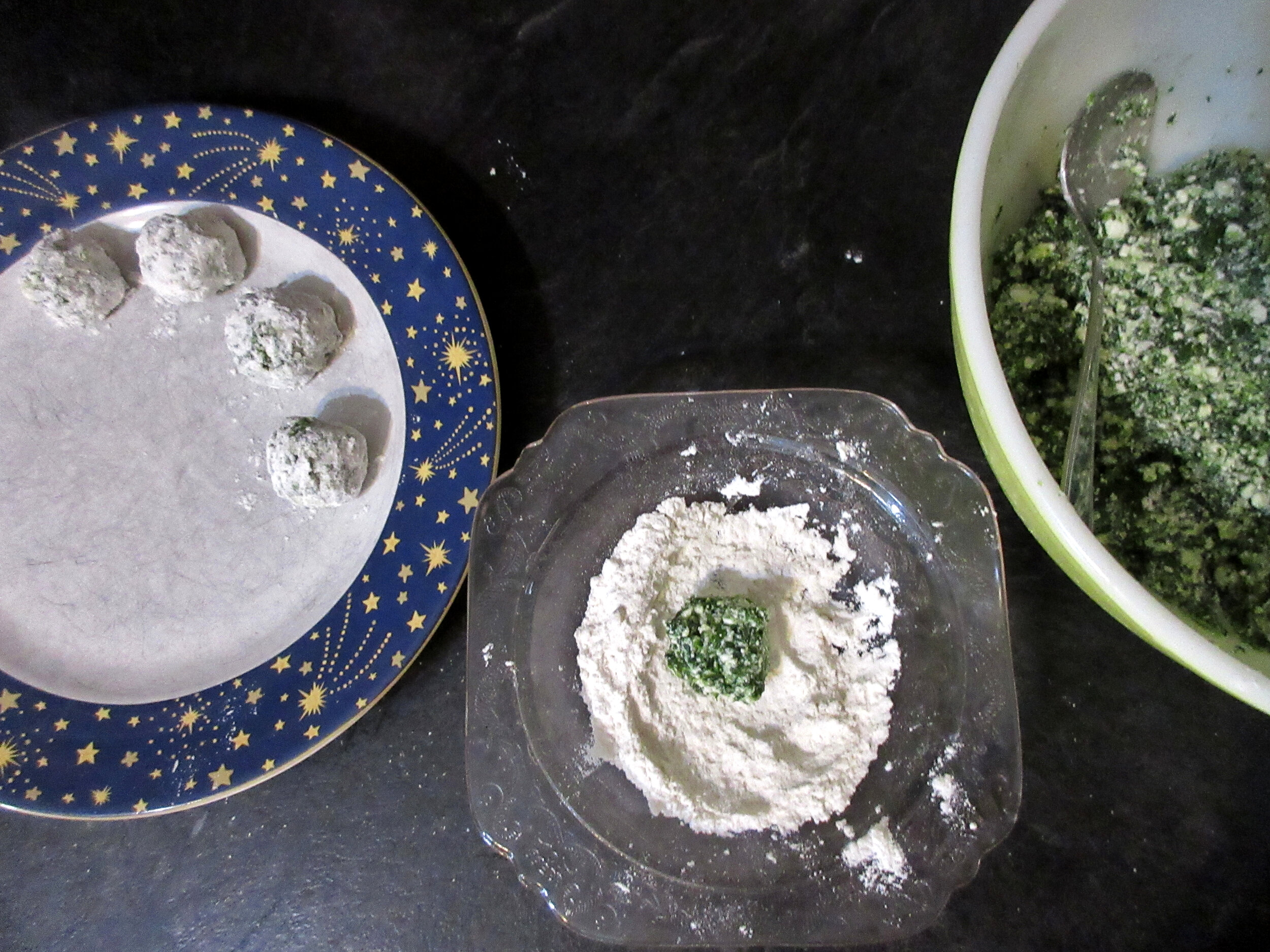
3. Drop the mixture from a spoon into flour and shape into small balls. Cook in a deep kettle of simmering water about five minutes. Remove with a perforated spoon to a hot platter. (Julia’s warning – this cooking method didn’t turn out well for me! See my recipe below.)
4. Sprinkle the dumplings with butter and the remaining Parmesan cheese.
My recipe:
1 lb spinach, chopped – 454 g
1 ½ cups ricotta cheese – 340 g
½ teaspoon salt
2 egg yolks
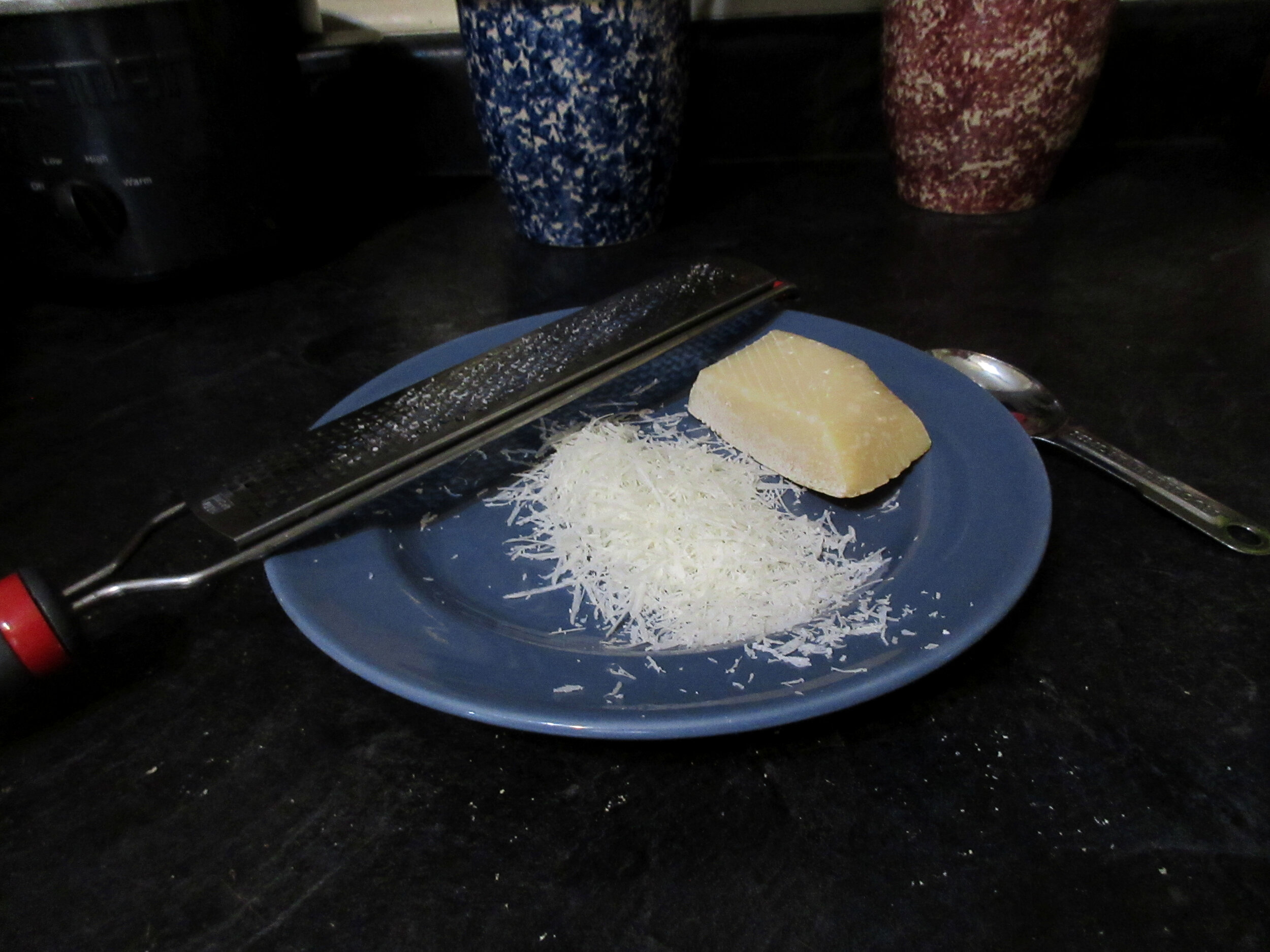
3 tbsp grated Parmesan cheese, and more for serving
Flour (about ¼ cup)
Butter for frying
Optional suggestion: add finely chopped onions, garlic or black pepper for more flavour
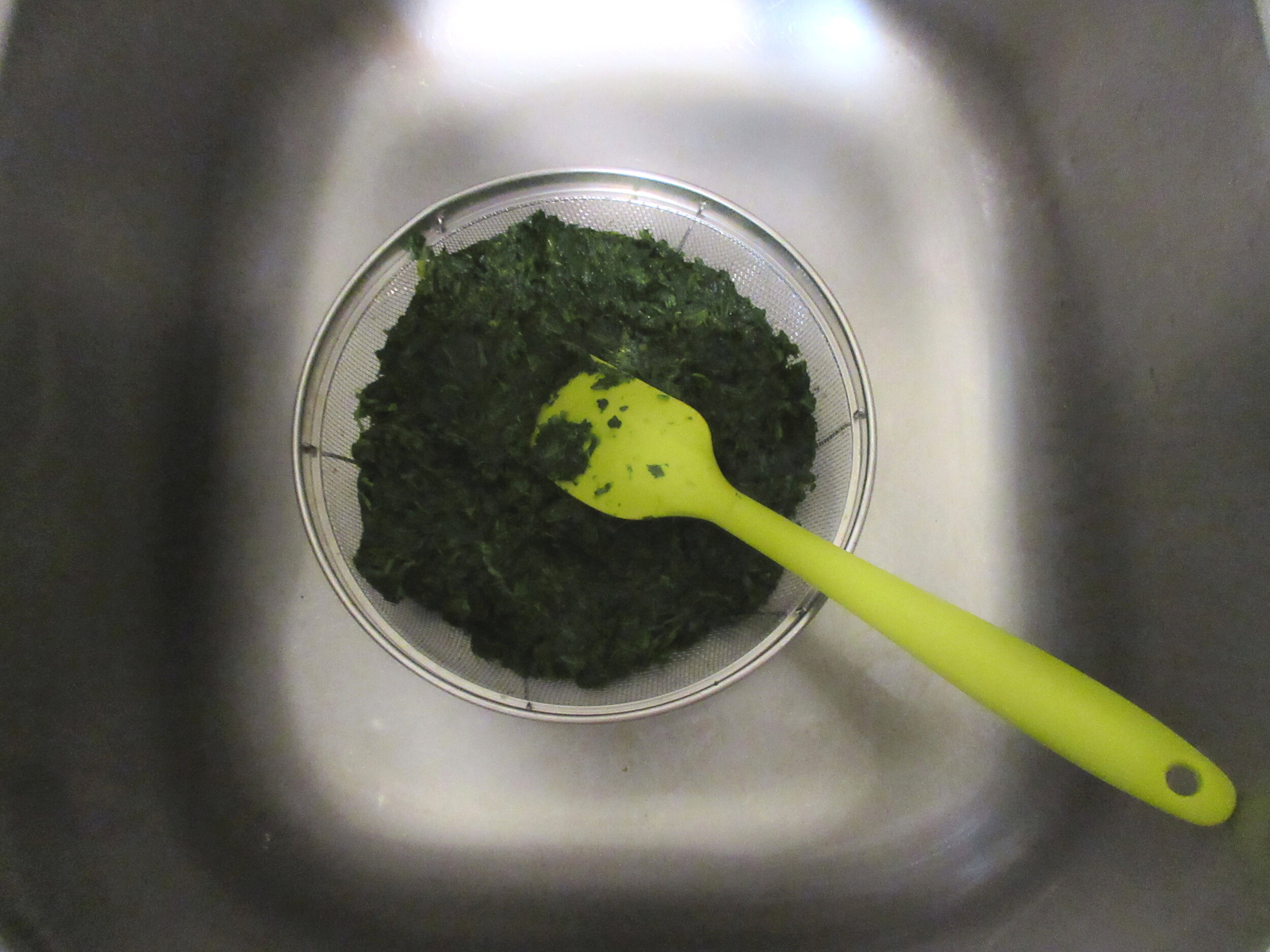
1. Steam the spinach in water until just tender, or open a package of chopped frozen spinach (I used a 500g package). Press the spinach through a sieve with a spatula or wooden spoon until you’ve removed all the water.
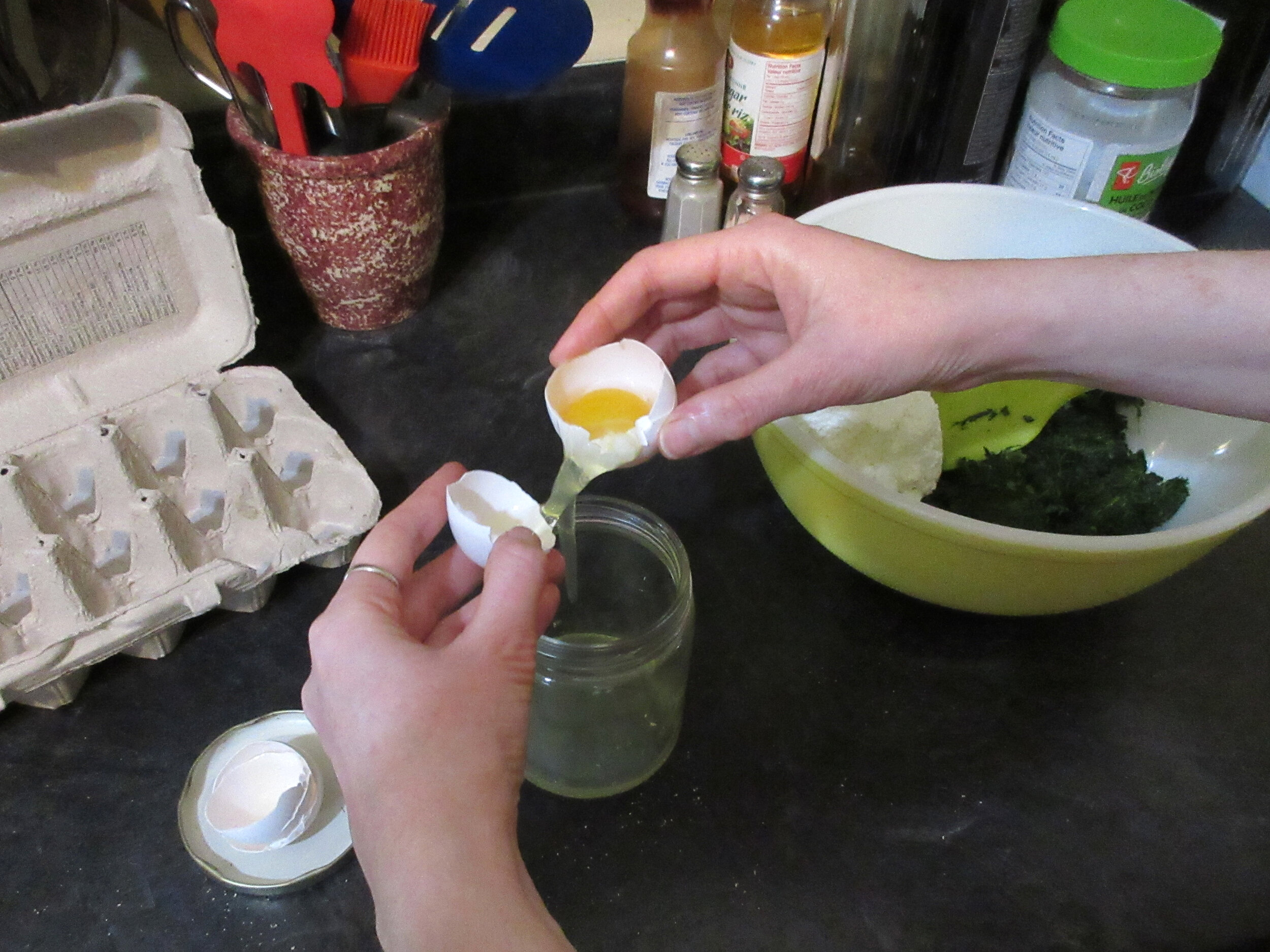
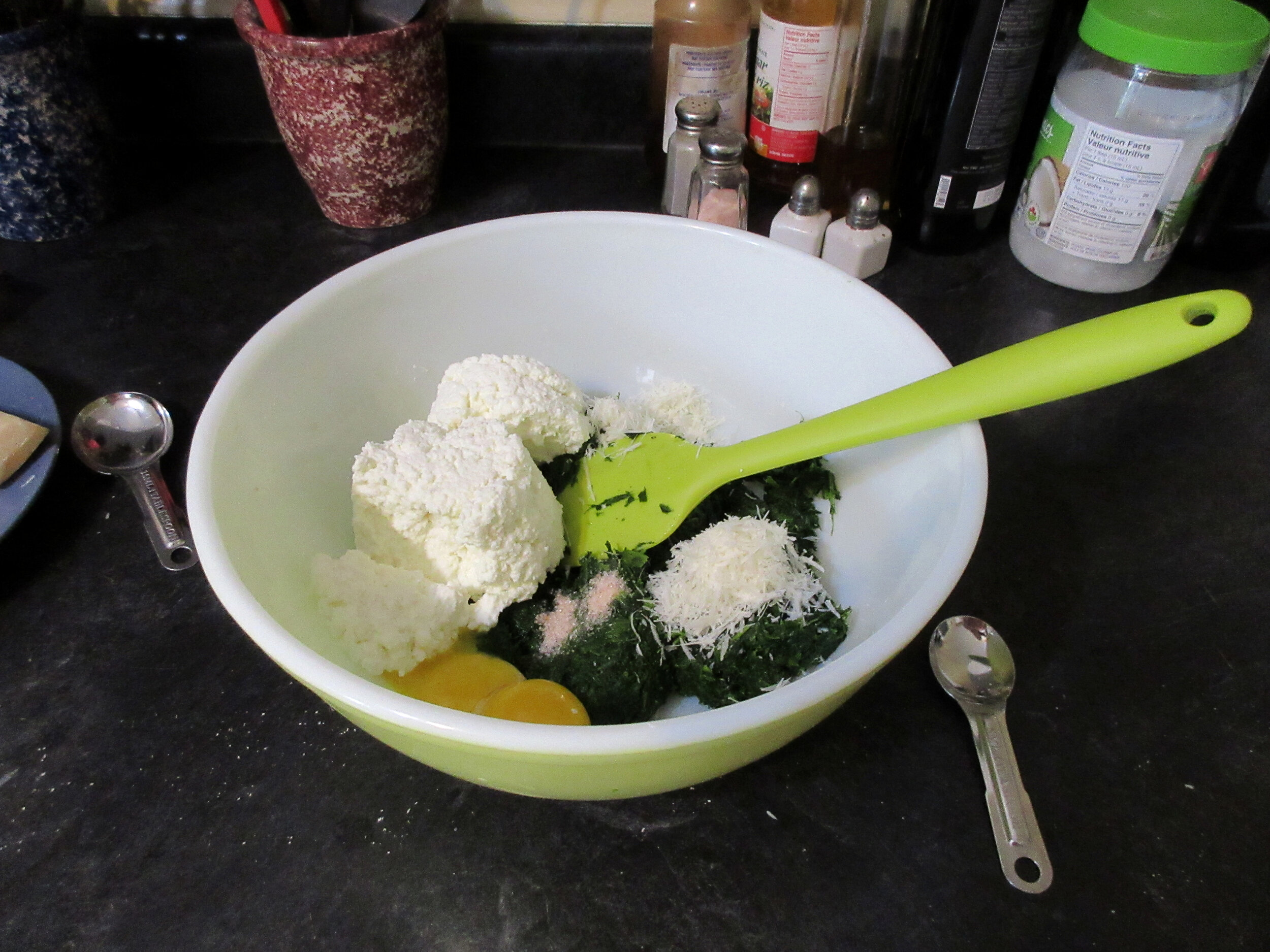
2. Mix the spinach, ricotta cheese, salt, egg yolks and the Parmesan cheese. You may also choose to add onions, garlic and/or black pepper.
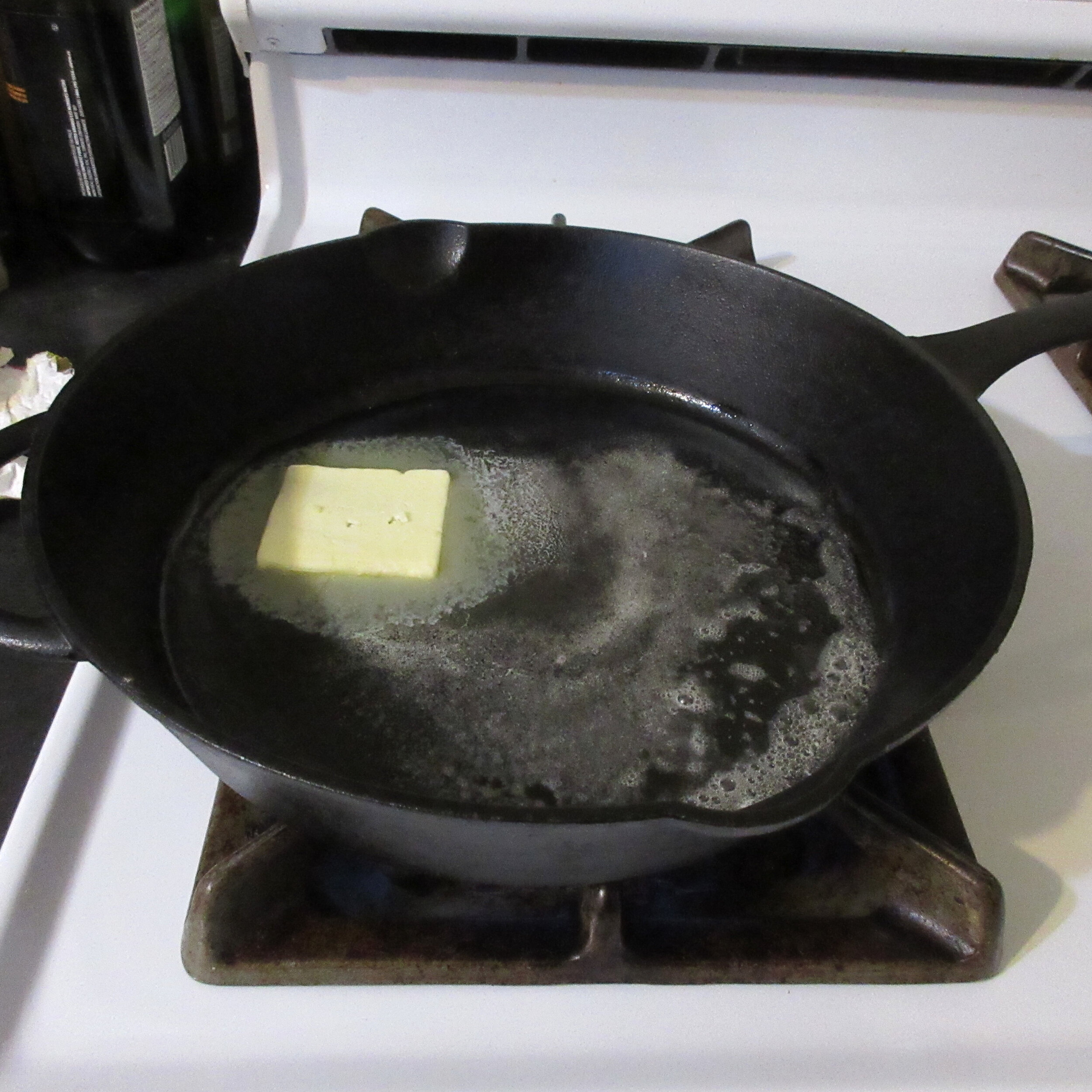
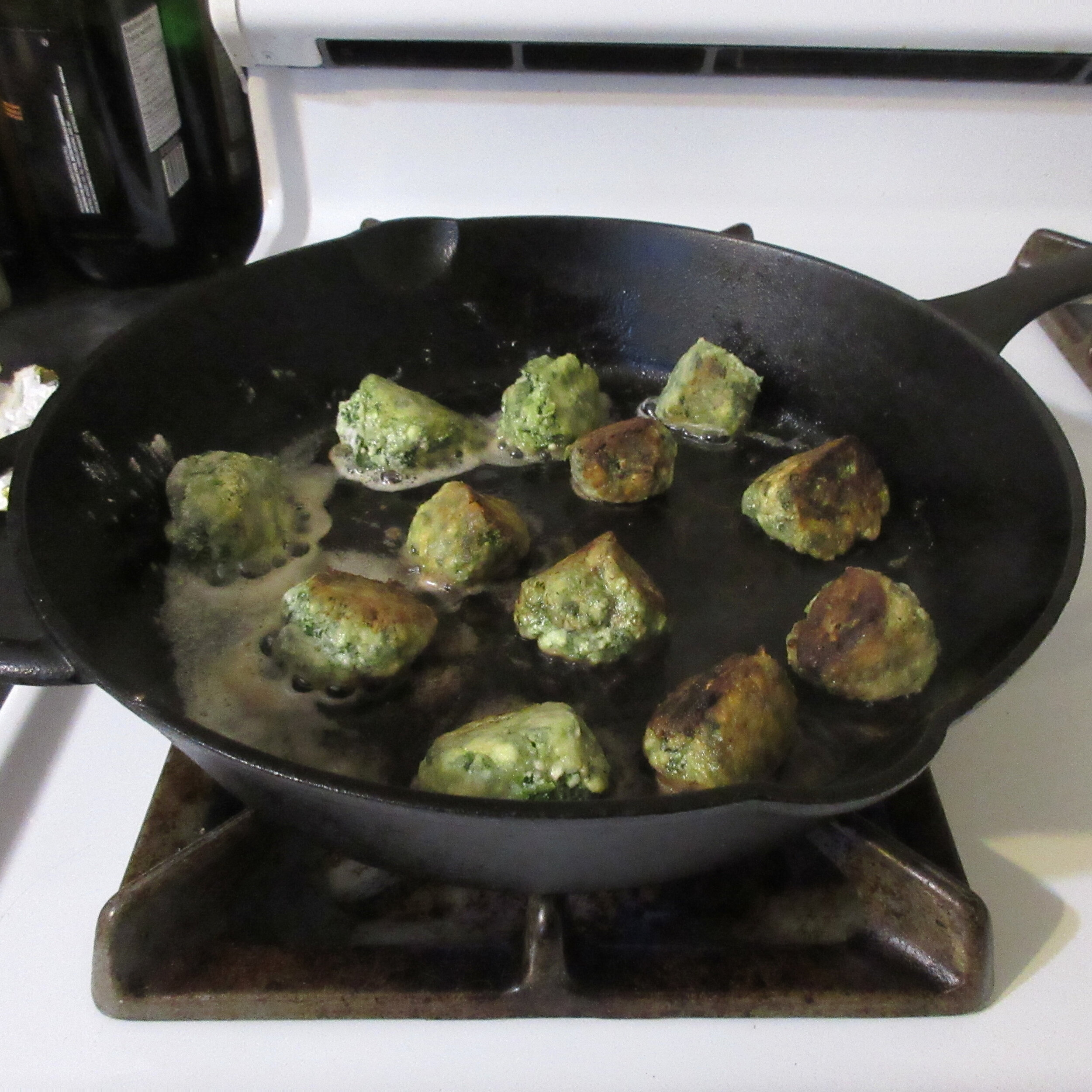
3. Form the mixture into small balls and roll in flour. Melt butter in a frying pan and fry the dumplings until browned on all sides. Sprinkle with Parmesan cheese before serving.
This recipe makes a bit more than 30 Timbit-sized dumplings (3-4 cm or 1¼ – 1½ inches in diameter)
My Review
I made this recipe twice before creating this blog post and my first experience can be summed up by my friend Charlene’s reaction when she popped by for a backyard socially-distanced visit later the same day. I regaled her with the process of making Spinach and Ricotta Dumplings and when I got to point where I told her that I put the dumplings in a pot of boiling water to cook, she exclaimed, “OH NO! What is holding them together?!?”
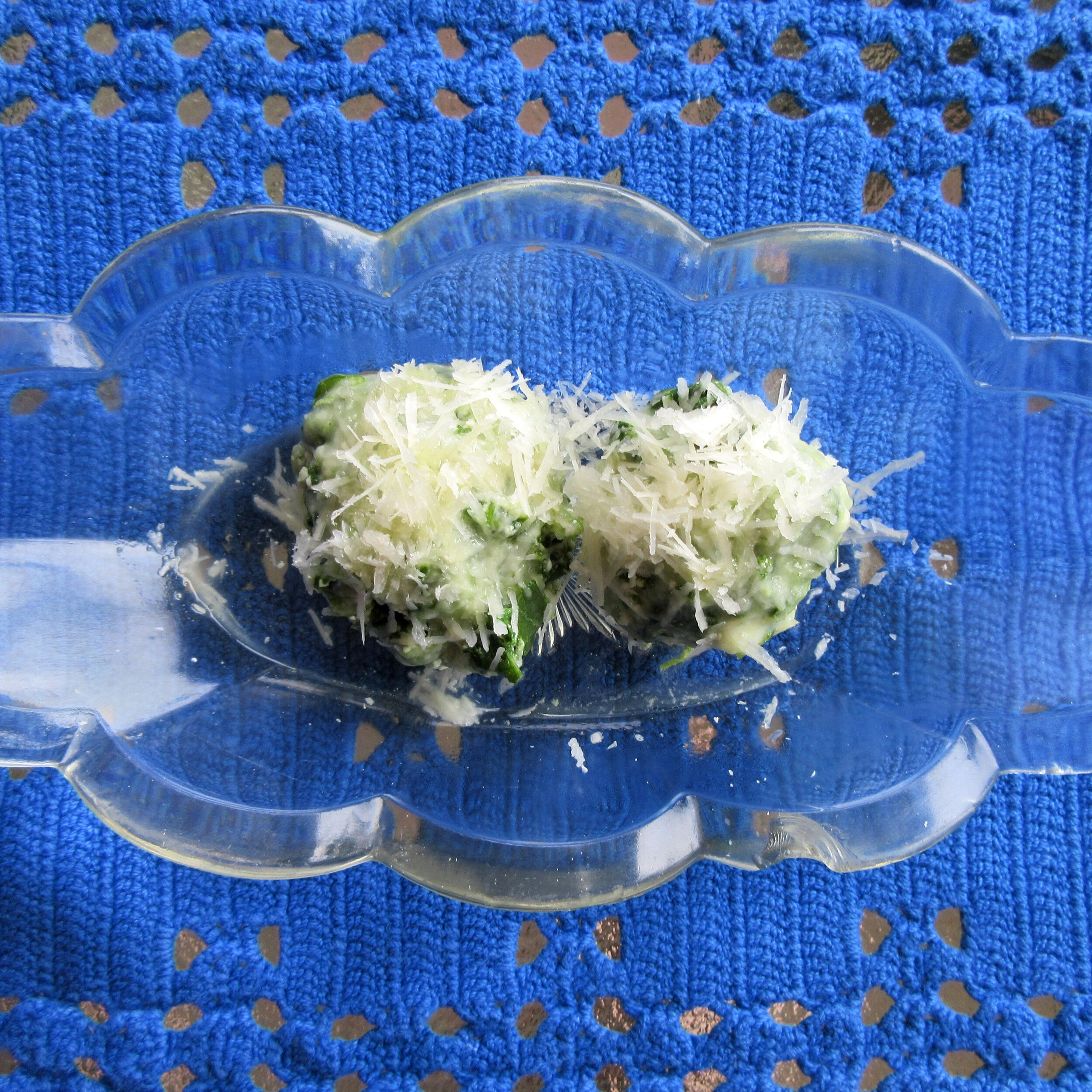
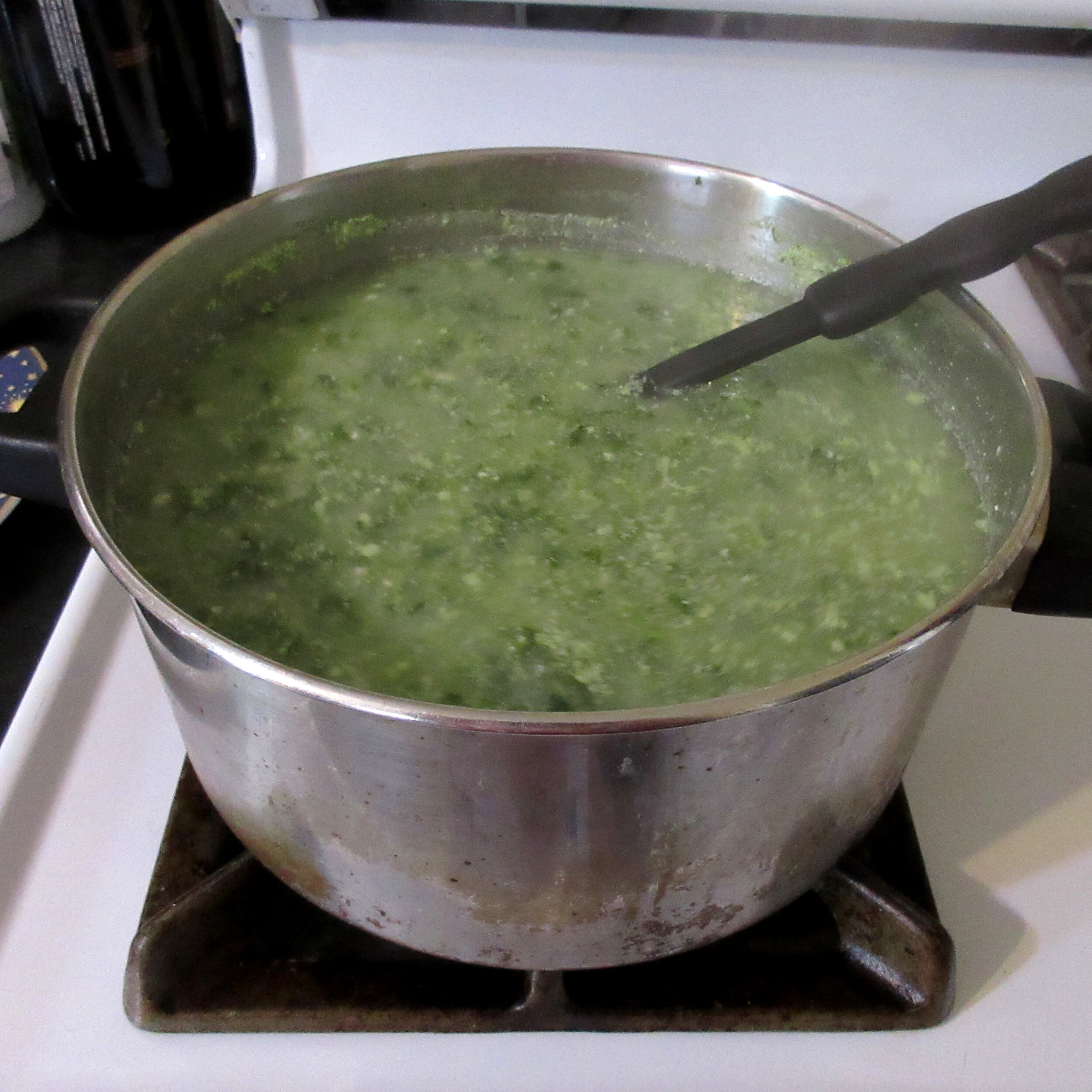
The answer: not much! Two out of 34 dumplings made it through the boiling process and I was also left with Spinach and Ricotta Soup (don’t worry, I ended up draining it and I used the spinach and ricotta to make a delicious pasta sauce later). Have a look at my pictures below to see the 2 miracle dumplings and the pot of soup.
Steve and I both ate one of the surviving dumplings and neither of us were a fan. The flour on the outside created a congealed glutinous layer after being boiled that just tasted like flour paste. Flour paste and spinach were the dominant flavours. You couldn’t really taste the cheese at all.
There are many things that could have gone wrong. Is there a secret tactic not mentioned in the recipe that will make all the difference? Should I have used fresh spinach instead of frozen? The recipe instructs us to “shape into small balls” and I decided to use the very Canadian measurement of making them Timbit-sized (keep reading for more on Timbits), which is roughly 3-4 cm or 1¼ – 1½ inches in diameter. Maybe if I had made them smaller, they would have survived being boiled?
Instead of dancing with the devil and trying to boil my second batch of dumplings, I decided to go with frying them. The original recipe suggests pouring melted butter on them before serving, so I figured that I could just include the butter by frying the dumplings in it. The dumplings were delicate and I had to turn them very gently, but they all survived being fried!
Steve and I both agreed that the fried Spinach and Ricotta Dumplings could use something else for more flavour, so I suggest adding some finely chopped onion, garlic or black pepper. I found that they had more flavour as leftovers than when they were freshly fried, but a little something extra would have made them much tastier.
Let’s get into some Canadiana…
As I’ve already mentioned, when the dumpling recipe instructed us to “shape into small balls”, my first instinct was to make the balls Timbit-sized (how Canadian of me). Afterwards, I took a moment to think about my readers and realized that most of you don’t live in Canada and might not have any idea what I’m talking about!
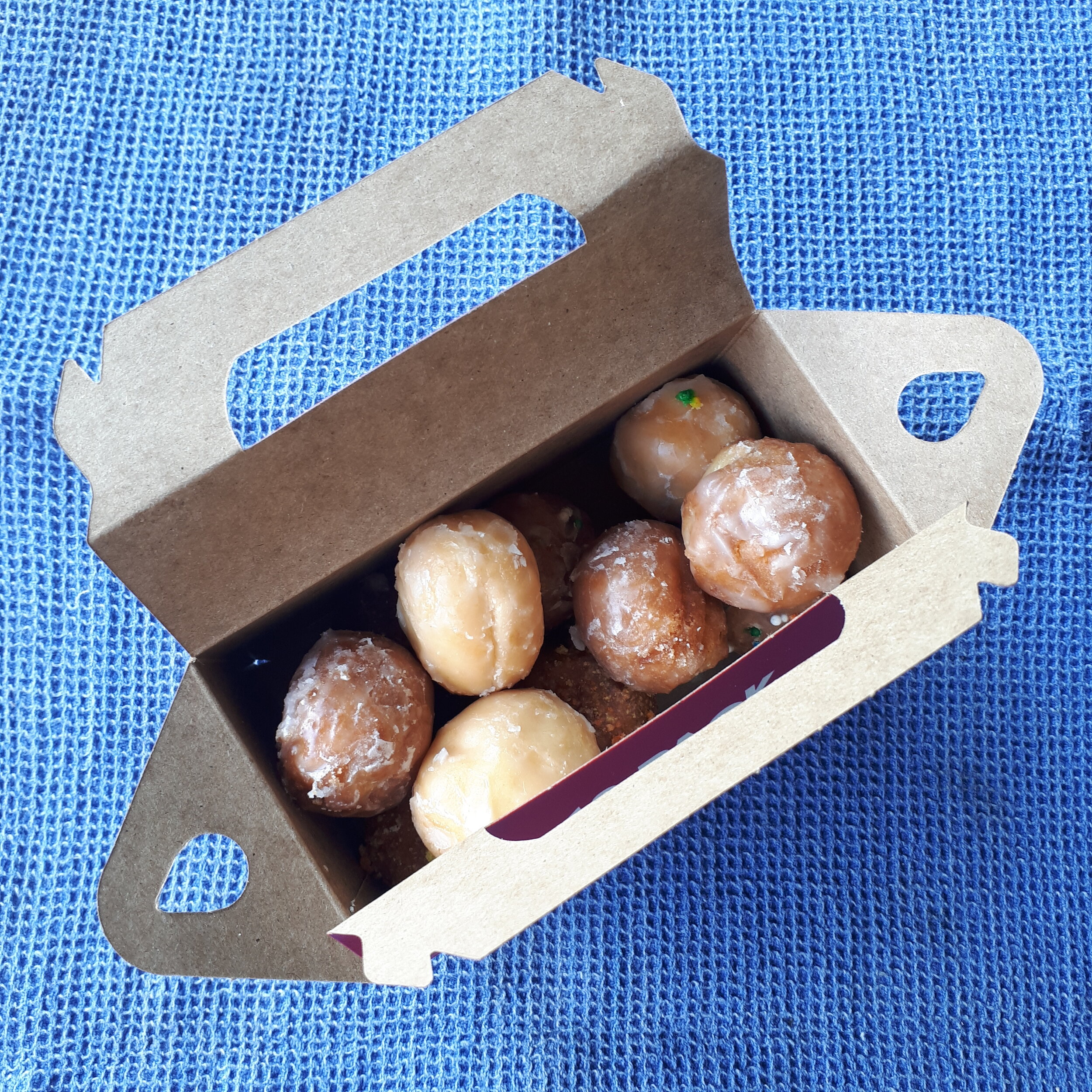
You might call Timbits “Donut Holes” where you live, but I can tell you that not one Canadian will call them that. They are Timbits. However, what they actually are...is doughnut holes: a bite-sized doughnut fashioned out of the center piece cut out of the doughnut ring. The size varies a bit, but Timbits are roughly 3-4 cm or 1¼ – 1½ inches in diameter.
Timbits are called Timbits because they are served at Tim Hortons, which is THE most prevalent coffee and doughnut shop in Canada. Tim Hortons restaurants are everywhere, especially in Ontario. I know of several instances where there are two Tim Hortons directly across the street from one another, but both restaurants are busy. In Hamilton, Ontario, I could walk to 15 different Tim Hortons restaurants that are located 2 km (1 ¼ miles) or less from my house.
I took the opportunity to grab a 10 Pack of Timbits to photograph for you, and I decided to venture a little bit farther than 2 km from my house to get them. That’s because about 4 km (2 ½ miles) away from where I live is the location of the very first Tim Hortons restaurant!


The First Tim Horton’s restaurant is here in my hometown of Hamilton, Ontario at 65 Ottawa Street North and it was opened on May 17, 1964 by Tim Horton and his business partner Jim Charade. Tim Horton was a professional hockey player in the National Hockey League, who played for the Toronto Maple Leafs from 1952 – 1970. At the end of his career, he played for the New York Rangers, Pittsburgh Penguins and Buffalo Sabres before his untimely death from a car accident in 1974.
During Tim Horton’s career, compensation for hockey players in the NHL was not nearly as lucrative as it is today, so the coffee & doughnut shop was opened to supplement his income in the off-season. He had launched less-successful business ventures (a burger restaurant and a car dealership) before this restaurant, but he struck gold with this concept! This photograph shows what the first Tim Horton’s restaurant on Ottawa Street in Hamilton looked like in its early years (photo courtesy of Hamilton Public Library - Local History & Archives).

When I went there to buy the Timbits, I snapped some photos of what the First Tim Horton’s restaurant looks like today. Out front, there’s a statue of Tim Horton shooting a hockey puck in his Toronto Maple Leafs jersey. Tim was into current events and wore a face mask to protect patrons visiting his restaurant in case he was an asymptomatic carrier of COVID-19.
If you ever visit the Tim Hortons on Ottawa Street North in Hamilton, you can order yourself some food and also check out a small museum on the second floor. BUT If you’re reading this when COVID-19 is still a concern, you may not be able to go up to the second floor to see the museum displays (that part of the restaurant was closed when I was there).


Since I can’t get up to the museum on the top floor these days, here’s a couple of previously-taken pictures of the replica 1960s Tim Horton’s counter you’ll find up there. I had one picture of it that I took of it when my nephew was visiting. I asked around and Mark Osbaldeston had a photo of the other end of the counter that he so nicely shared with all of us. If you have a look at the menu, you’ll notice that a dozen doughnuts cost $1.25, but there’s no Timbits on the menu. That’s because Timbits were introduced in 1976.
The counter is not all you’ll see if you visit the museum space. There is also a display wall with uniforms, packaging, marketing materials and other artifacts & ephemera. Fun fact: you may have noticed that I’ve been writing both Tim Horton’s and Tim Hortons, depending on the time period. The apostrophe was dropped from the restaurant name in the 1990s. Although Tim Horton’s is grammatically correct in English, the apostrophe was deemed to violate Quebec’s French language laws for signs and the restaurant name is Tim Hortons for everyone now.


Since I used the very Canadian measurement of a Timbit in this recipe, I thought I’d end off with some other very Canadian measurements used in this time of COVID-19. Let’s have a look at some public social distancing signs.




Officially, Canadians use the metric system, but in actuality, we use a very strange mixture of metric & imperial. I took the first picture last night when I went for a walk last night here in Hamilton (along with my shadow self-portrait). The City of Hamilton described the recommended space between you and a stranger as both 2m or 6 feet. Considering how people measure distance here, it really is necessary to list both metric and imperial.
The City of Toronto took the opportunity to get creative with their social distancing signs and two of the signs that I’ve seen are on par with Timbits on the Canadiana-measurement scale! Picture #2 below was taken by Genevieve earlier in the year when all parks were closed and social distancing was measured on this sign as 2m or about the length of a hockey stick. Canadian.
I took the 3rd picture at one of Toronto’s beaches, which have just been opened. This social distancing sign measures the correct space as 6 feet, 2m or the length of 3 Canada Geese. Canada Geese are very very commonly found in my part of Canada in the area of the Great Lakes and using Canada Geese to describe staying away from someone is quite apt. When they are mating and are rearing their young, it isn’t unexpected for a Canada Goose to aggressively charge a person while hissing. Likely, the worst that will happen is that they’ll pinch you with their bill, but wise people keep their distance from Canada Geese when they are in family mode. Canadian.
Maggie sent me the 4th picture from the City of Toronto. These are the signs that have been posted at Toronto’s off-leash dog parks and the distance between people is described as 6 feet, 2m or “the length of three happy dogs”. This is by far the cutest social distancing measurement that I’ve come across, but also the least accurate!
Are there interesting COVID-19 social distancing signs in your part of the world? Leave a comment and describe what’s happening in your neck of the woods - I’d love to hear about it.

ReadThe New York Times Cook Book:


Pineapple Nut Stuffing
Pineapple Nut Stuffing will probably be the recipe I select the next time I make a Christmas or Thanksgiving turkey. The earthiness of the walnuts and the sharpness of the celery would complement the additional flavour of the turkey juices and the pineapple in the recipe is only perceptible by a slight sweetness.
This recipe is found in the 1950 The American Woman’s Cook Book and the introduction to the chapter on Stuffings for Fish, Meat, Poultry and Game lists alternative ways to prepare stuffing. Instead of cooking my stuffing inside of a fowl, I decided to try three of the methods listed in this paragraph: baked, steamed and fried in croquettes.
You’ll find this recipe in:
The American Woman’s Cook Book
Edited by: Ruth Berolzheimer
Chicago, 1950
Original Recipe:
PINEAPPLE NUT STUFFING
4 cups dry bread, ½ inch cubes
¾ cup finely chopped celery
½ cup chopped walnuts
¾ cup diced pineapple
1 pimiento, diced
1 teaspoon paprika
Dash cayenne
1 ½ teaspoons salt
¼ cup butter
2 eggs
Combine bread, celery, walnuts, pineapple, pimiento and seasoning. Melt butter, remove from heat, stir in unbeaten eggs and add the bread mixture. Toss lightly. Use as stuffing for turkey, chicken, duck, veal roll, lamb chops or pork chops. Use crisp bacon cut into small pieces instead of nuts, reduce salt one-third and add grated onion, or use red or green bell peppers instead of pimiento. Makes 6 cups.
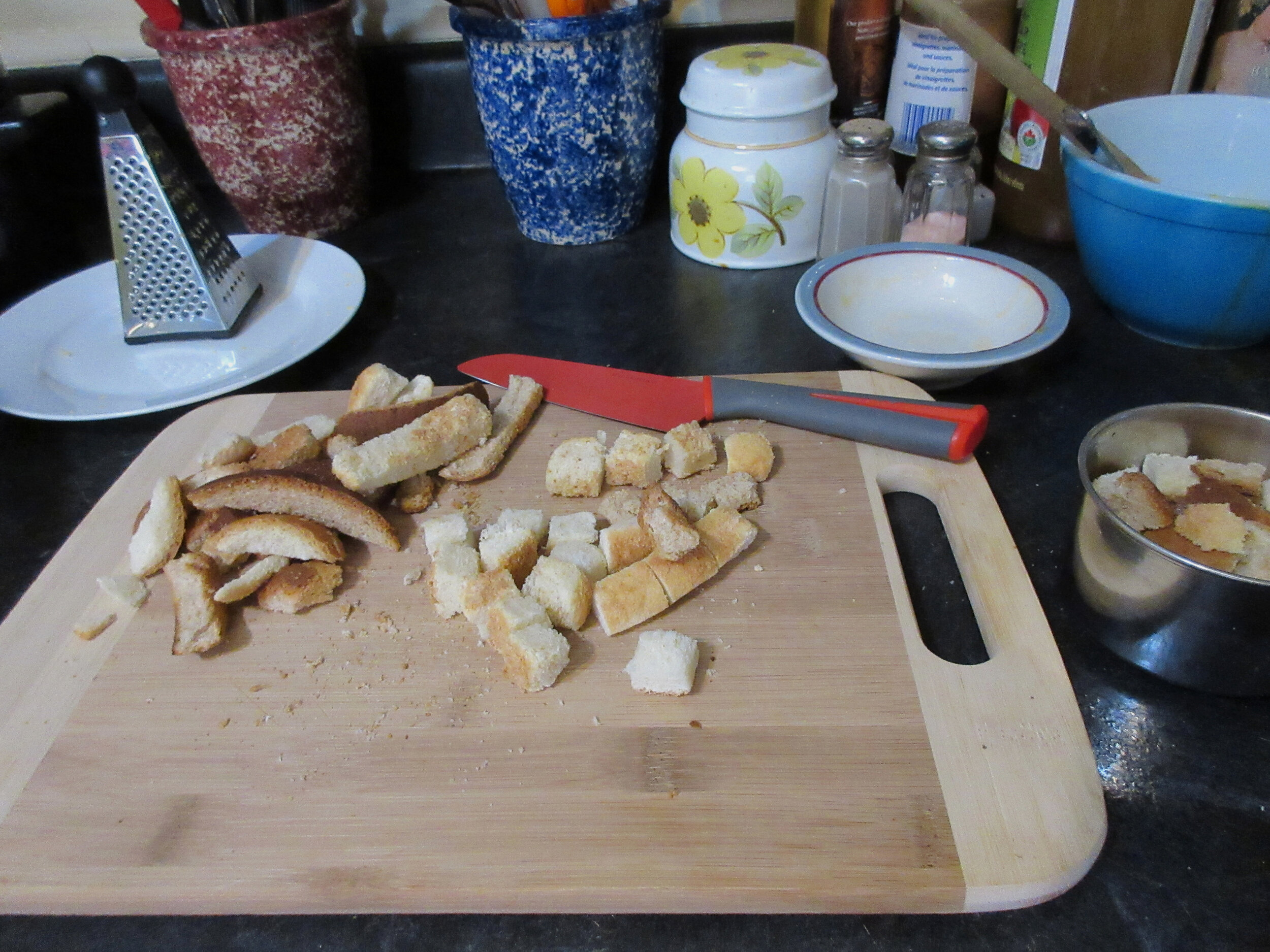
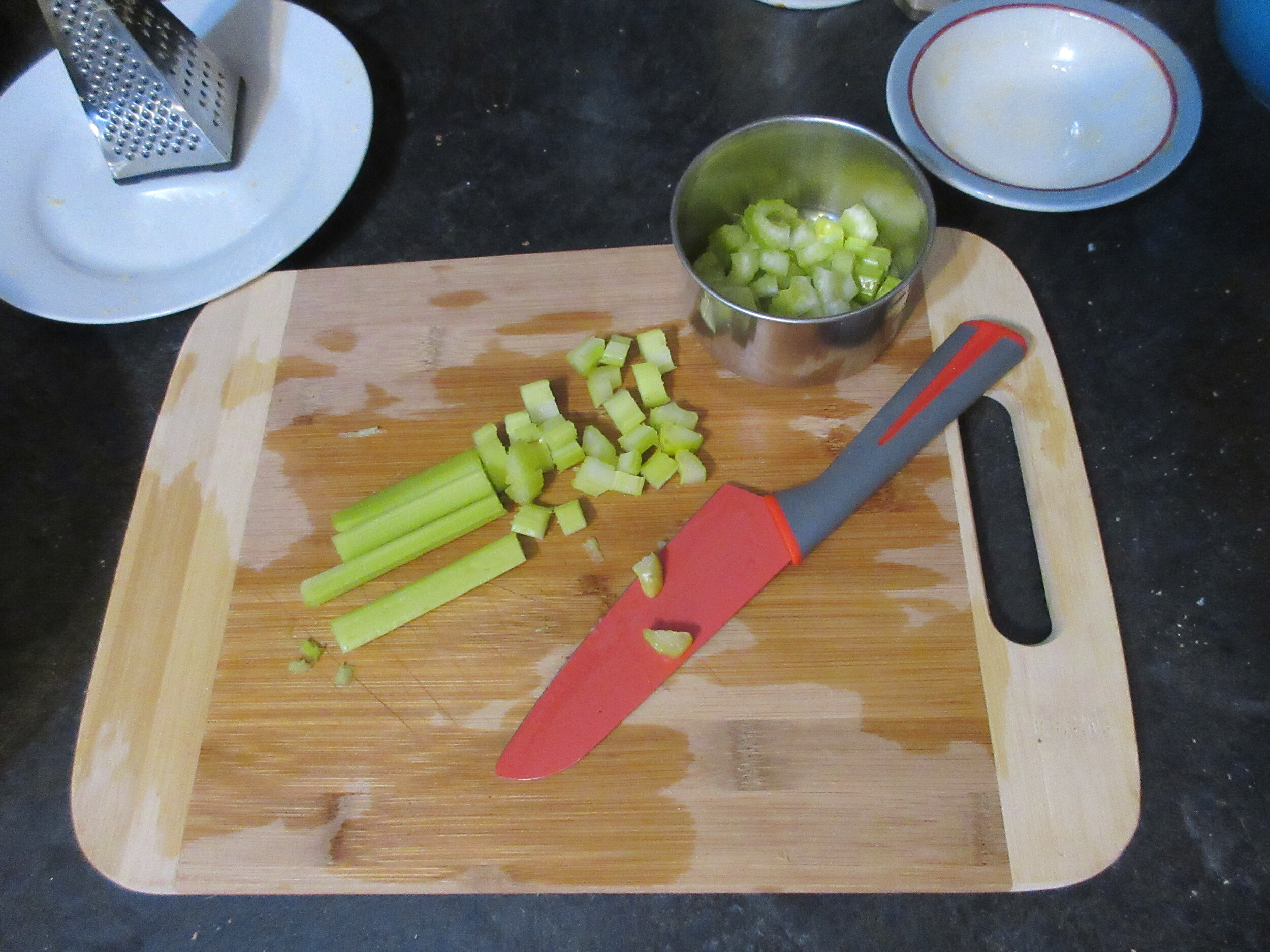
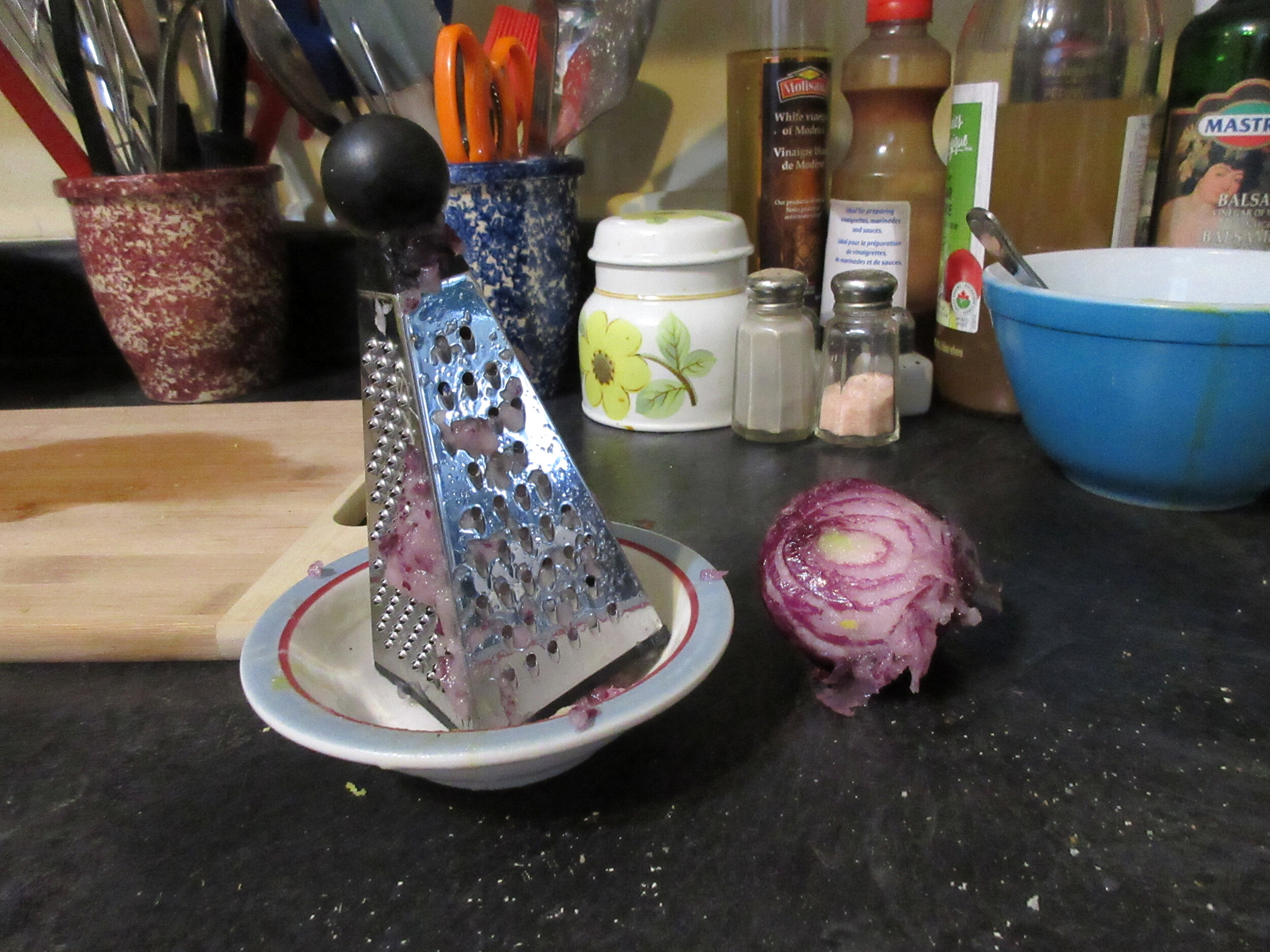
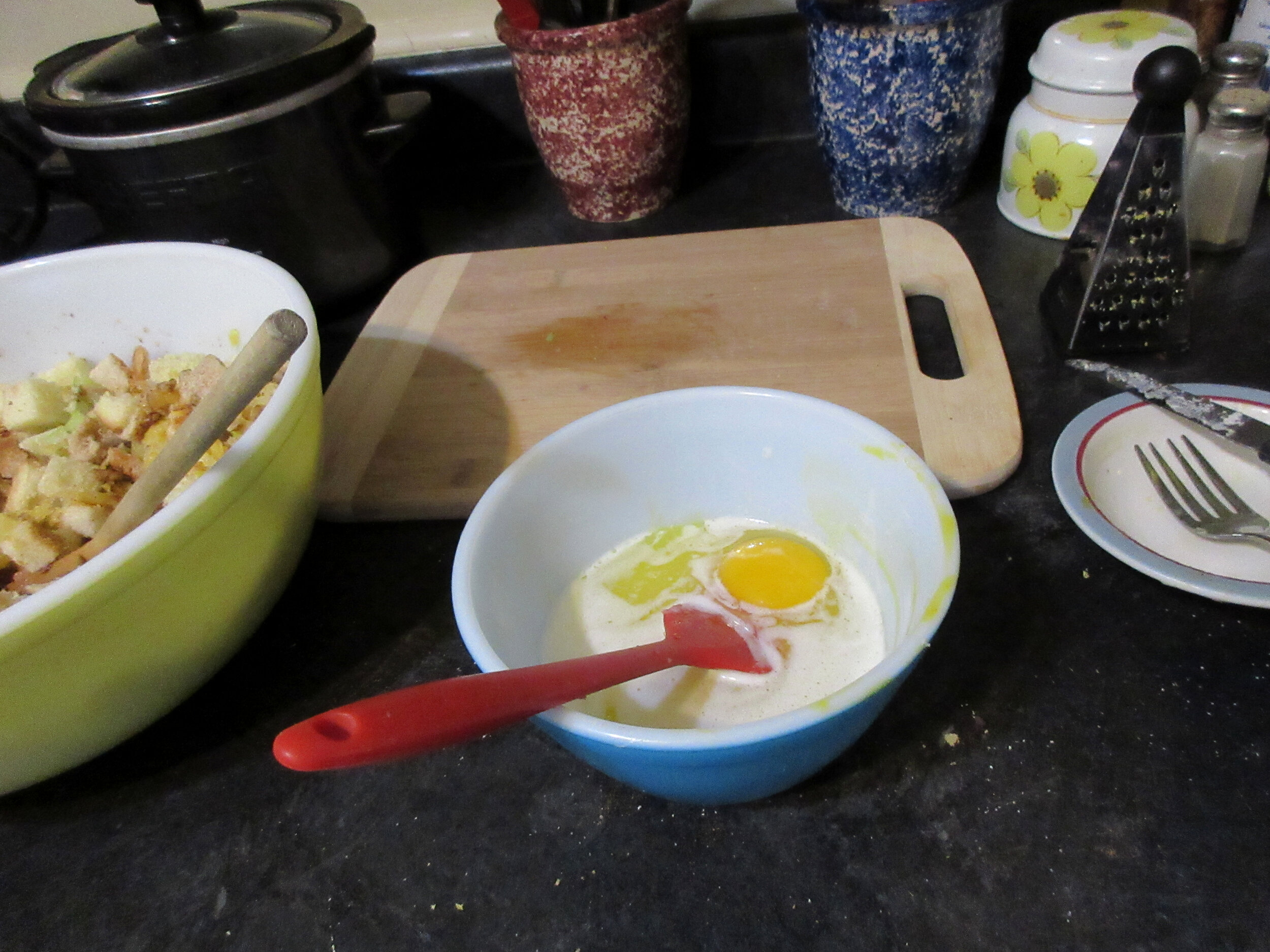
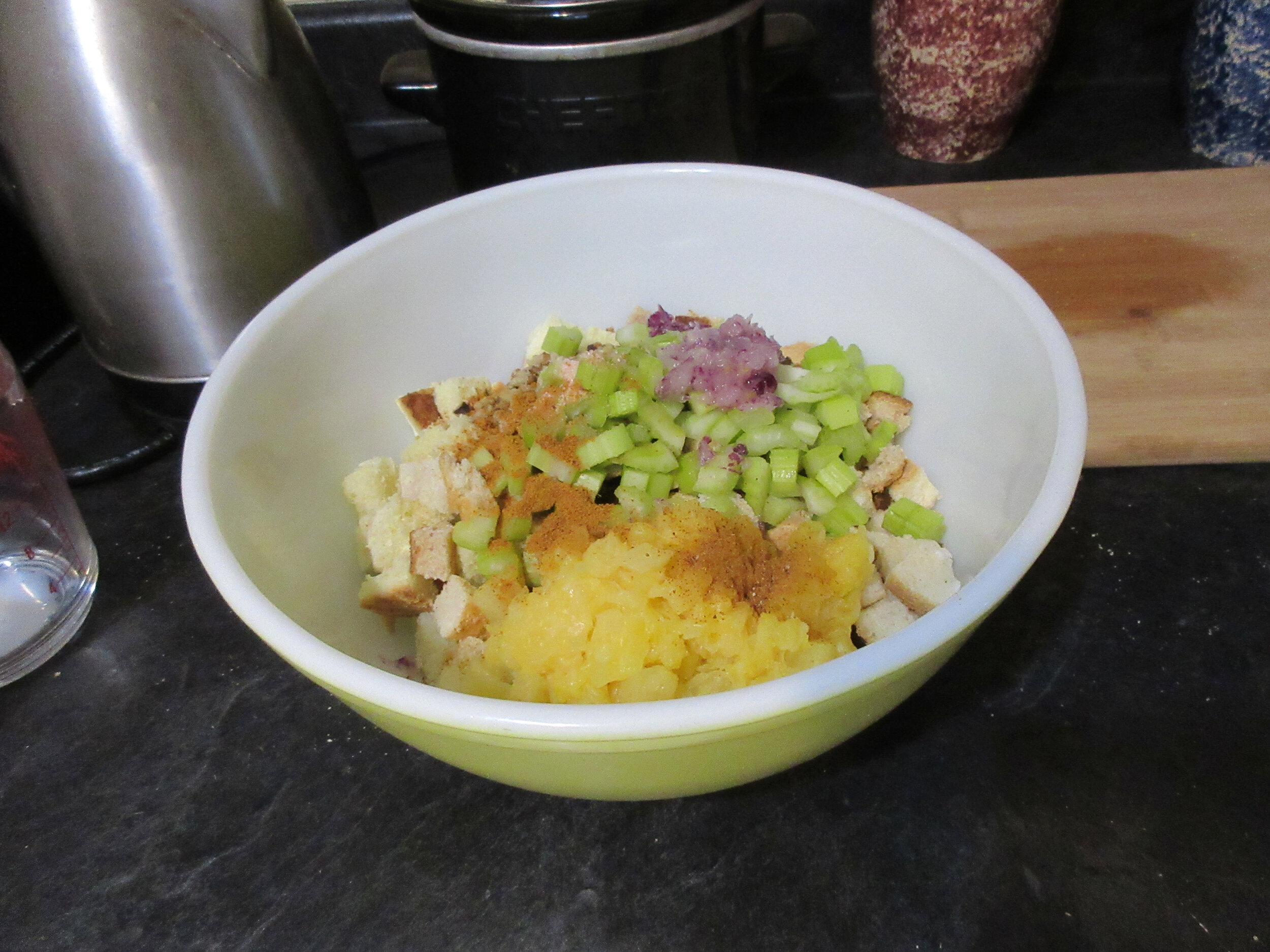
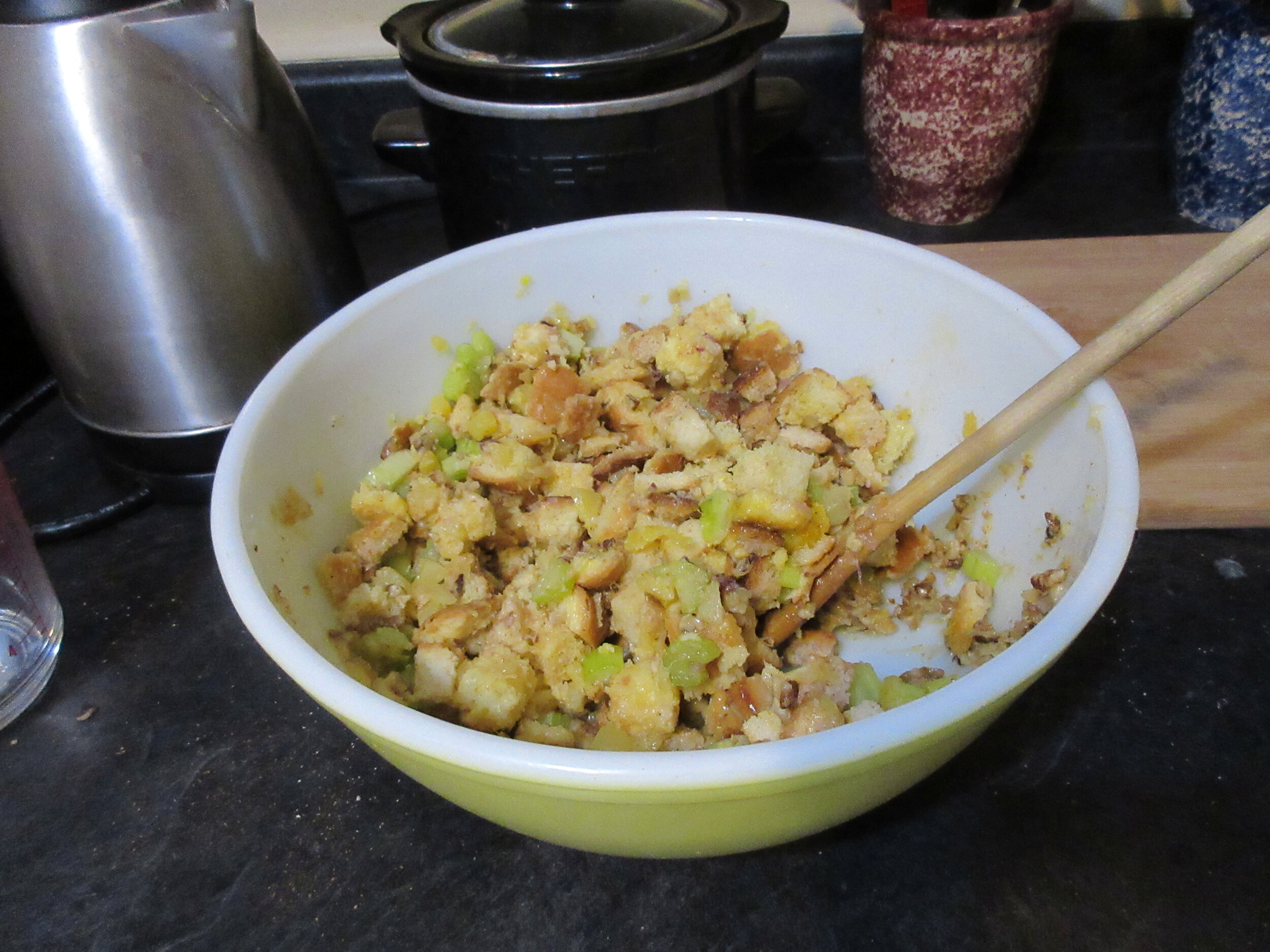
My recipe:
My version of the Pineapple Nut Stuffing recipe is simply the 1950 recipe slightly altered for clarity and with measurements in metric and grams added for those of you not in North America.
4 cups (945 mL) Dry Bread, ½ inch cubes – 200 g
¾ cup (175 mL) Celery, finely chopped – 100 g
½ cup (120 mL) Walnuts, chopped – 50 g
¾ cup (175 mL) Pineapple, diced – 226 g
1 Pimiento, diced
1 teaspoon (5 mL) Paprika
Dash of Cayenne
1 ½ teaspoons (7 ½ mL) Salt
¼ cup (60 mL) Butter – 57 g
2 Eggs
Options: Use crisp bacon cut into small pieces instead of nuts, reduce salt one-third and add grated onion, or use red or green bell peppers instead of pimiento. (I used walnuts, but no bacon, omitted the pimiento & green bell peppers and added 1 tbsp/15 mL grated onion along with only 1 tsp/5mL salt).
Combine bread, celery, walnuts, pineapple, pimiento and seasoning. Melt butter, remove from heat, stir in unbeaten eggs and add the bread mixture. Toss lightly. Makes 6 cups.
Use as stuffing for turkey, chicken, duck, veal roll, lamb chops or pork chops. Or bake, steam or fry the stuffing in croquettes (keep reading for instructions below).
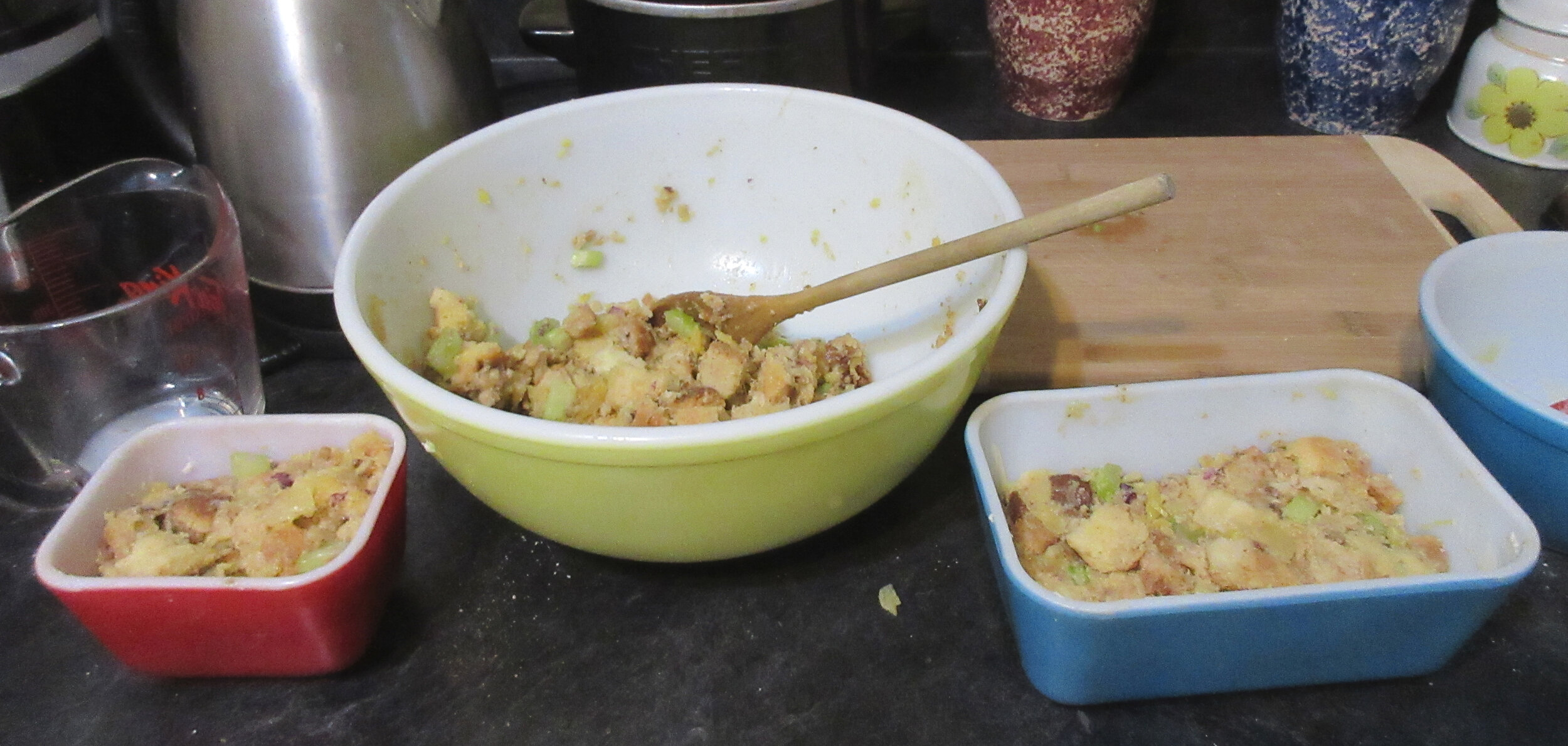
Red: Baked —- Yellow: Ready to be formed into Croquettes & Fried —- Blue: Steamed
Bake, Steam or Fry your Pineapple Nut Stuffing
The introduction to the chapter on Stuffings for Fish, Meat, Poultry and Game lists alternative ways to prepare stuffing, so I decided to try three of the methods listed in this paragraph instead of cooking my stuffing inside of a fowl:
STUFFING does not necessarily have to be baked in the fowl or meat. If the bird is small or there is some stuffing left over, it may be baked or steamed in a well-greased ring mold, loaf pan or individual molds. Fill center of ring with vegetables. Croquettes of stuffing, made by the usual method, are served in a circle around the bird.
As you can see above, I divided my stuffing between two small loaf pans for baking and steaming and left the rest to be formed into croquettes and fried. I don’t have a metal ring mould or a collection of individual moulds, but I definitely would have tried those suggestions if I did. If you prepare this recipe using a mould, send your pictures my way. I’d love to see them!
Croquettes
If you’re short on time, frying the stuffing in croquettes is the fastest of the three preparation methods. Use your hands or spoons to form small croquettes, then fry them in butter until browned on both sides.
Baked
If you choose to bake your Pineapple Nut Stuffing, simply put your pan or mould in the oven. I put roughly 1 cup/235mL in my little loaf pan and I baked it for 30 minutes at 350 F or 175 C.
Steamed
Steamed stuffing will end up with a more moist consistency than baked, similar to if you had cooked the stuffing inside a bird. Your goal is to create a steamy sauna-like environment to cook your stuffing and you can either steam in your oven or on your stove. Since I had my oven on already to bake the other loaf pan of stuffing, that’s how I steamed mine, but I’ll go over the stovetop method as well.
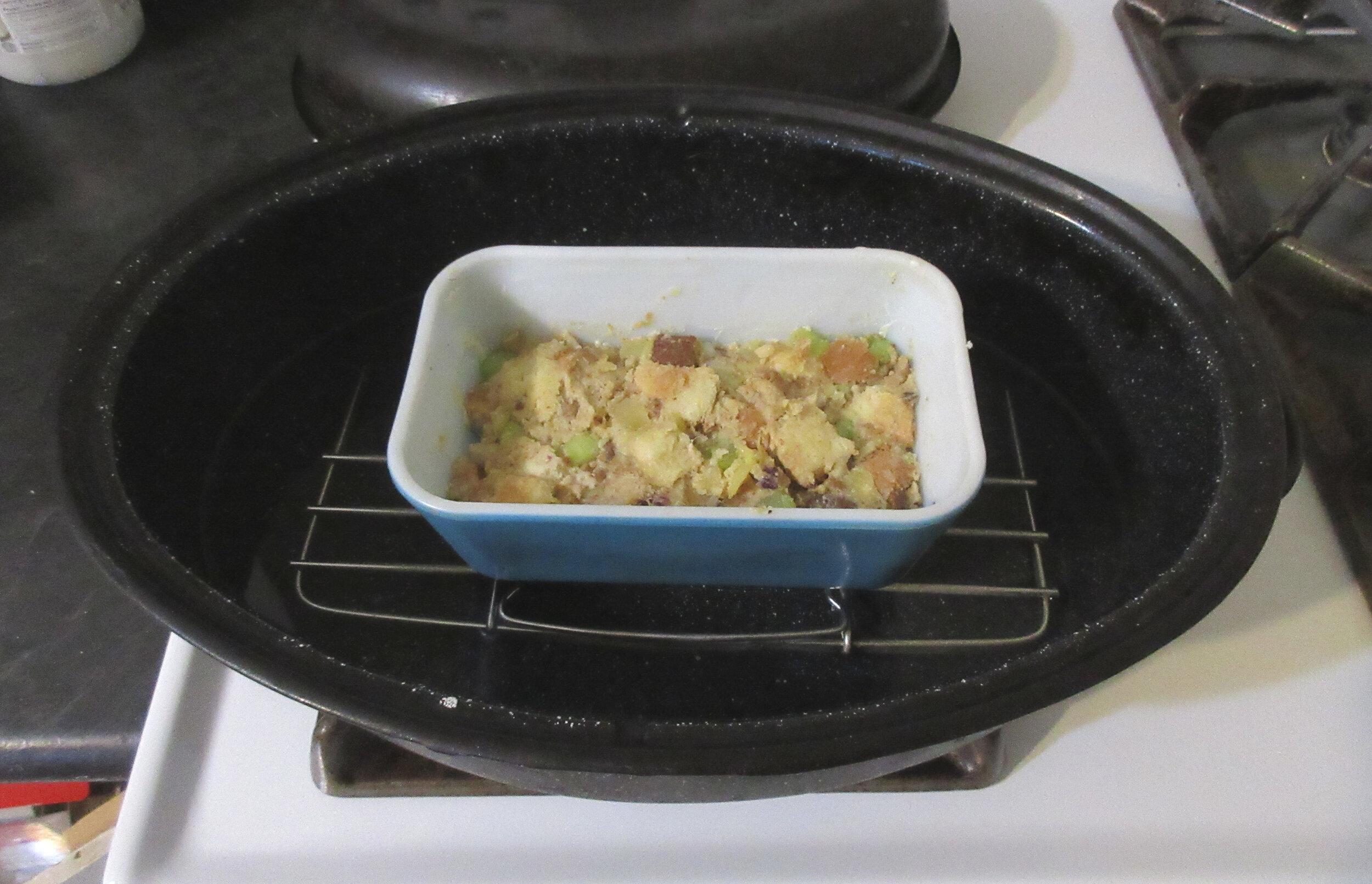
For steaming the pudding in an oven, you’ll need a lidded baking pan. I used a roasting pan and I put a rack underneath my loaf pan. I filled the bottom of the roasting pan with about 1 cm or ½ inch water, put on the lid and popped it in the oven. There was about 2 cups or 470mL of stuffing in my loaf pan, and I steamed it in the oven at 350F/175C for an hour.
You can also steam stuffing in a large lidded pot on your stove. The setup is exactly the same as the oven method: place a rack and about 1 cm or ½ inch of water in the bottom of your pot, set your pan or mould on the rack and put on the lid. Simmer at a low boil.
The end result will probably be more moist than a pudding steamed in the oven and it will probably be done sooner as well. That’s because you’ll have more control over the process on your stove because you’ll be able to check in and make fine adjustments to the temperature. You’ll also want to check in every so often to make sure that the water doesn’t entirely evaporate and top up if needed.

Pineapple Nut Stuffing will probably be the recipe I select the next time I make a Christmas or Thanksgiving turkey. The earthiness of the walnuts and the sharpness of the celery would complement the additional flavour of the turkey juices and the pineapple in the recipe is only perceptible by a slight sweetness. I agree with the suggested variation that bacon would be delicious, either replacing or in addition to the walnuts.
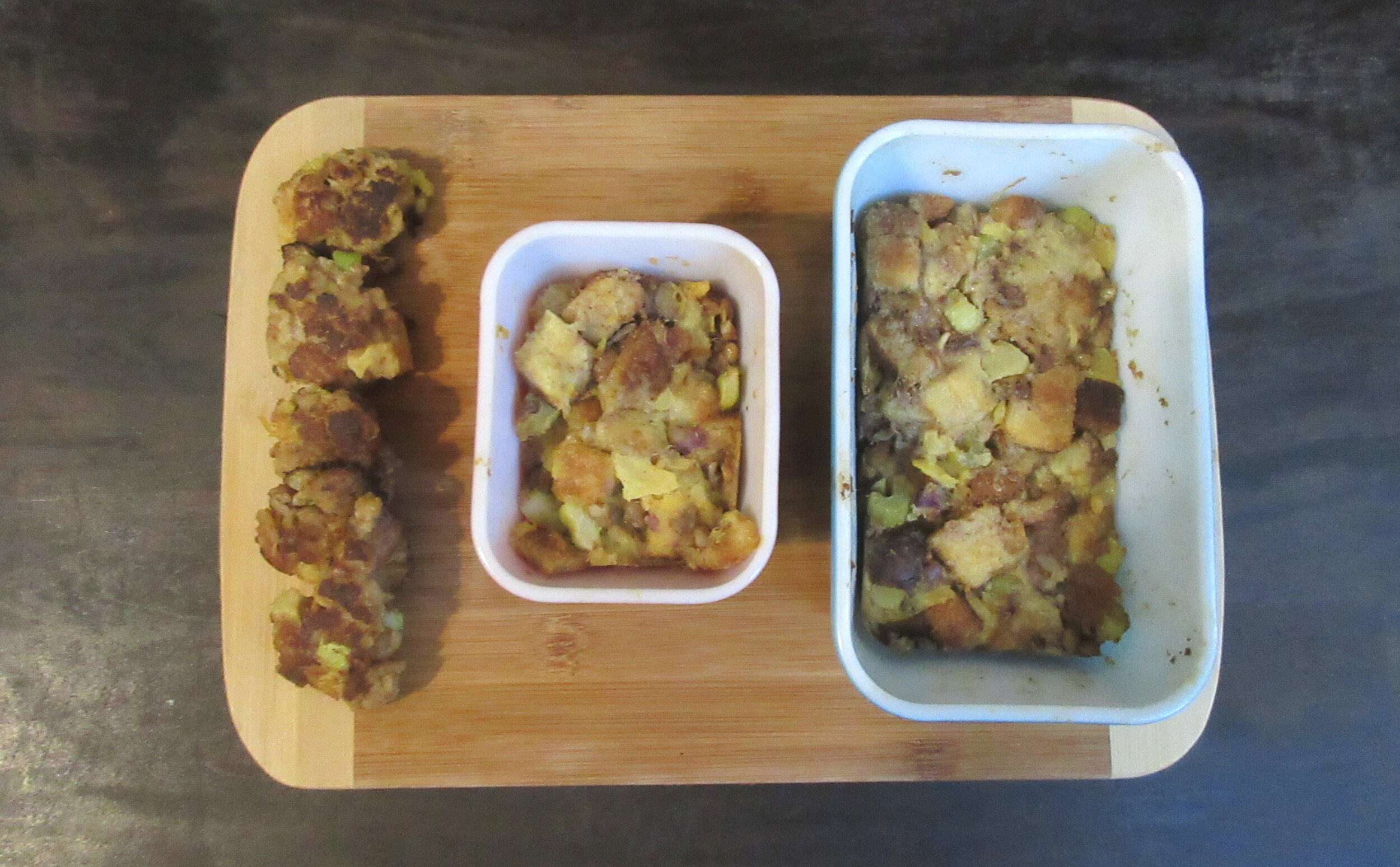
In the pictures below, the croquettes are obviously on the left, but the smaller slice on the blue plate is the baked stuffing and the larger slice was steamed.
It’s not a surprise that croquettes were the tastiest, since they were fried in butter. The baked stuffing was drier than the steamed stuffing, but not in a negative way. It was just different. Depending on how much liquid each bread cube absorbed, it was either or moist or a bit crunchy. The variety of textures was nice. The steamed stuffing had a more universal texture that was similar to stuffing cooked inside of a bird. Had I chosen to steam on the stovetop instead of in the oven, the end result would probably have been more moist and the differences between baked and steamed would probably have been more dramatic.


A big thank you goes to the Plattsville & District Heritage Society that works to preserve the history of the community where I lived for the first 20-odd years of my life. I’ve spent a good portion of my free time since November emptying out the home that belonged to my parents since 1958, which is the main reason why I haven’t made many recipes lately. My Mom constantly saved clippings from newspapers and magazines and was an avid keeper of scrapbooks. Since many of these scrapbooks documented life in her community, many of her scrapbooks have ended up at archives of the Plattsville & District Heritage Society, where my Mom acted as secretary.
I walked into our first donation meeting with a car load of documents, and I walked out with a vintage cookbook in my hand that had been donated, but didn’t match their local focus. I may have eventually made a recipe from The American Woman’s Cook Book from a scanned copy on an online archive, but having a physical copy that I was given on my bookshelf is a big part of why I picked this recipe at this time.
The Plattsville & District Heritage Society is housed in the former Chesterfield United Church, which is the church that I attended as a child. The Society meets regularly and puts on annual exhibits in the summertime in the church’s sanctuary & events throughout the year.

Another thank you goes to “Past Julia” and all the bread that I had stockpiled in my freezer. I had stockpiled frozen bread crusts that I cut off when I made Mushroom Rolls, thinking that I’d make stuffing or bread pudding some day for my blog. I wanted to clear out some space in my freezer and I had so many bread crusts in there that my next recipe also features this frozen bread. However since I made these recipes, I’ve discovered the most effective way to clear out your freezer: just arrange for your freezer to stop working and it will be entirely cleared out!


Read the Cookbook:

Scalloped Turnips
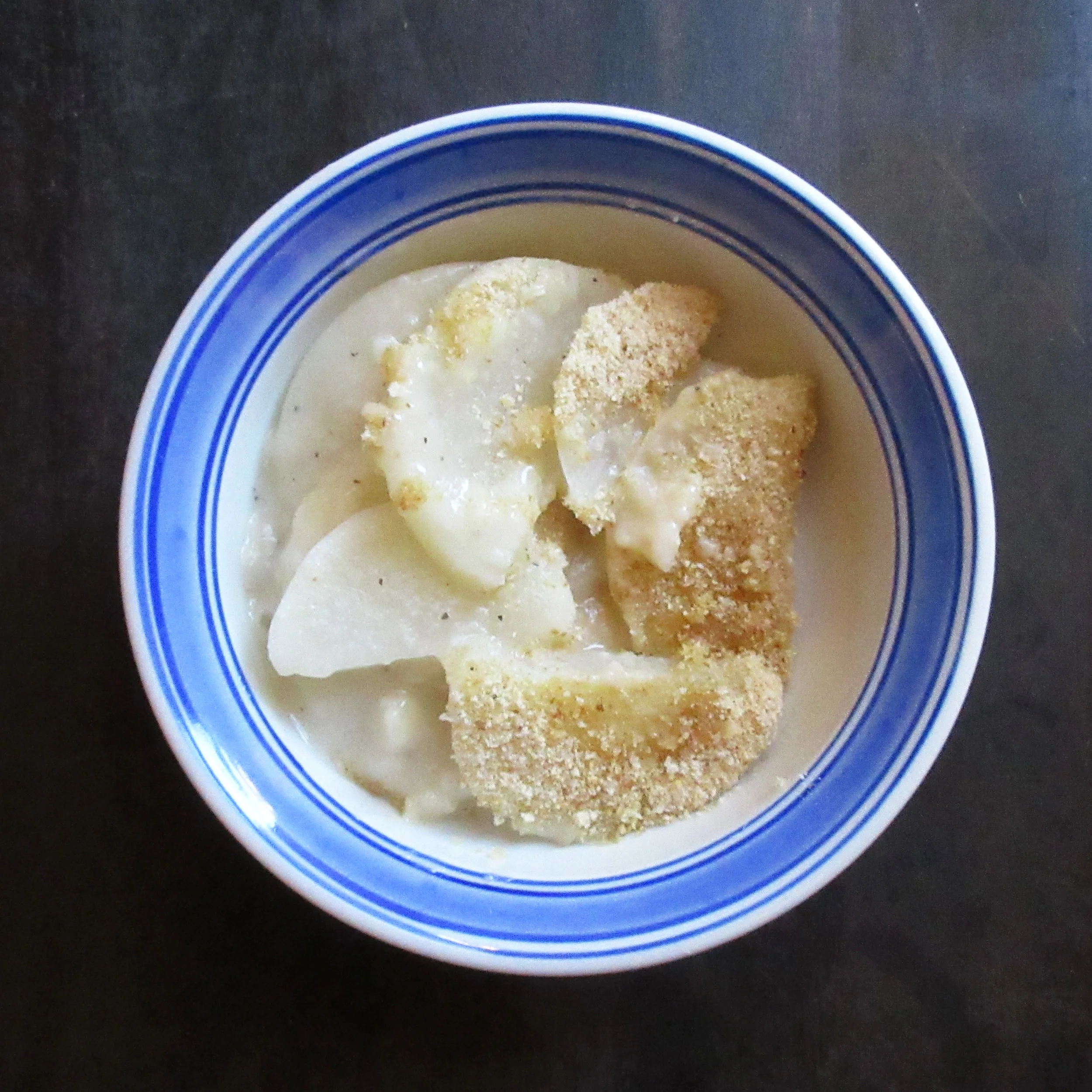
I wanted to prepare one last root vegetable recipe before the greens & herbs start popping up here in Ontario, and I thought I'd turn to a local 1898 cookbook: The New Galt Cook Book. Galt is a town which is now part of Cambridge, Ontario and it's also close to where I grew up and where I live now in Hamilton. Scalloped Turnips is an interesting twist on scalloped potatoes. The turnips provide additional flavour to the dish, and it is creamy but also light because the sauce uses a butter & flour roux and the cooking water from the turnips instead of a white bechamel sauce.
Coincidentally, I had this recipe selected and the turnips purchased before I knew that cooking at an event using recipes from The New Galt Cook Book was even a possibility! I'll be preparing food from this cookbook for a Victorian Tea at the Fashion History Museum in Cambridge, Ontario on May 18th, and Food Historian Carolyn Blackstock will be speaking about her year-old journey making a recipe a day from The New Galt Cook Book.

You'll find this recipe in:
The New Galt Cook Book
Compiled and Edited by: Margaret Taylor and Frances McNaught
Toronto, 1898
Historic Recipe:
SCALLOPED TURNIPS.
Cut them into slices, stew them in water, adding a little butter and salt. When tender draw off what liquid is left and use it for sauce, which you make of a heaped teaspoonful of flour and the same of butter. Now butter a dish, put in a layer of the sliced turnips, dust with pepper and spread some of the sauce over it, then another layer of turnips, and so on until they are used up. Dust some grated Parmesan cheese over the top and put flakes of butter here and there. Bake in oven until light brown, and serve in the same dish. Bread crumbs may be used instead of cheese.


My Recipe:
Turnips
Butter
Salt
Flour
Pepper
Parmesan cheese and/or breadcrumbs
1) Preheat oven to 350 F (175 C) and butter your baking dish. Peel and slice your turnips. I used a 56 oz (1650 mL) casserole dish and I ended up using 6 turnips, but I probably could have gone with 7. Boil the turnips in water with a little butter and salt until tender. Strain, but be sure to keep the cooking liquid for the sauce.
2) To make the sauce, I melted a heaping tablespoon of butter in a pan, then added a heaping tablespoon of flour. Then I very gradually added 1 cup (236 mL) of the cooking water, stirring constantly. Once entirely incorporated, I allowed it to simmer until it began to thicken. I made this recipe 2.5 times to have enough sauce for my casserole.
3) Arrange a layer of turnips in your baking dish, dust with pepper and spoon a layer of sauce on top. Repeat until you've used all your turnip slices.
4) Sprinkle a layer of grated Parmesan cheese or breadcrumbs, or a combination of the two. The historic recipe suggests putting "flakes of butter here and there" with the Parmesan or breadcrumbs, but this method left little buttery pools and areas of dry breadcrumbs on top of my Scalloped Turnips. If you're using breadcrumbs,try melting some butter in a pan or microwave and stirring in the breadcrumbs in the butter before adding it to the top.
5) Bake about 20 minutes until golden on top.

I wanted to prepare one last root vegetable recipe before the greens & herbs start popping up here in Ontario, and I thought I'd turn to a local cookbook to find one. The New Galt Cook Book is a community cookbook that was published in 1898. I grew up quite close to Cambridge, Ontario and it's also close to where I live now in Hamilton. Cambridge is comprised of three towns which have run into each other over time: Hespler, Preston and Galt. I drive through Galt often when I decide to take a more scenic route to and from visiting my Mom and it has a picturesque downtown with beautiful stone buildings and bridges.
Scalloped Turnips is an interesting twist on scalloped potatoes. The turnips provide additional flavour to the dish, and it is creamy but also light because the sauce uses a butter & flour roux and the cooking water from the turnips instead of a white bechamel sauce. This recipe would be easy to make vegan and lactose & gluten free, just by substituting the flour and oil for the butter. I only had breadcrumbs in the house, but I think sprinkling grated Parmesan on top instead of or in combination with the breadcrumbs would be scrumptious. If you try this recipe with Parmesan, pop back and give a review in the comments.
Coincidentally, I had this recipe selected and the turnips purchased before I knew that cooking at an event using recipes from The New Galt Cook Book was even a possibility! It's funny how life lines up sometimes. I'll be preparing food from this cookbook for a Victorian Tea at the Fashion History Museum in Cambridge, Ontario on May 18th, and Food Historian Carolyn Blackstock will be speaking about her year-old journey making a recipe a day from The New Galt Cook Book.
Have a look at Carolyn Blackstock's experience making Scalloped Turnips on her Cooking with the Galt Cook Book blog. She proposes trying this recipe with both potatoes and turnips and I agree that it would be a great idea!

Read the Cookbook:

Piquant Beets
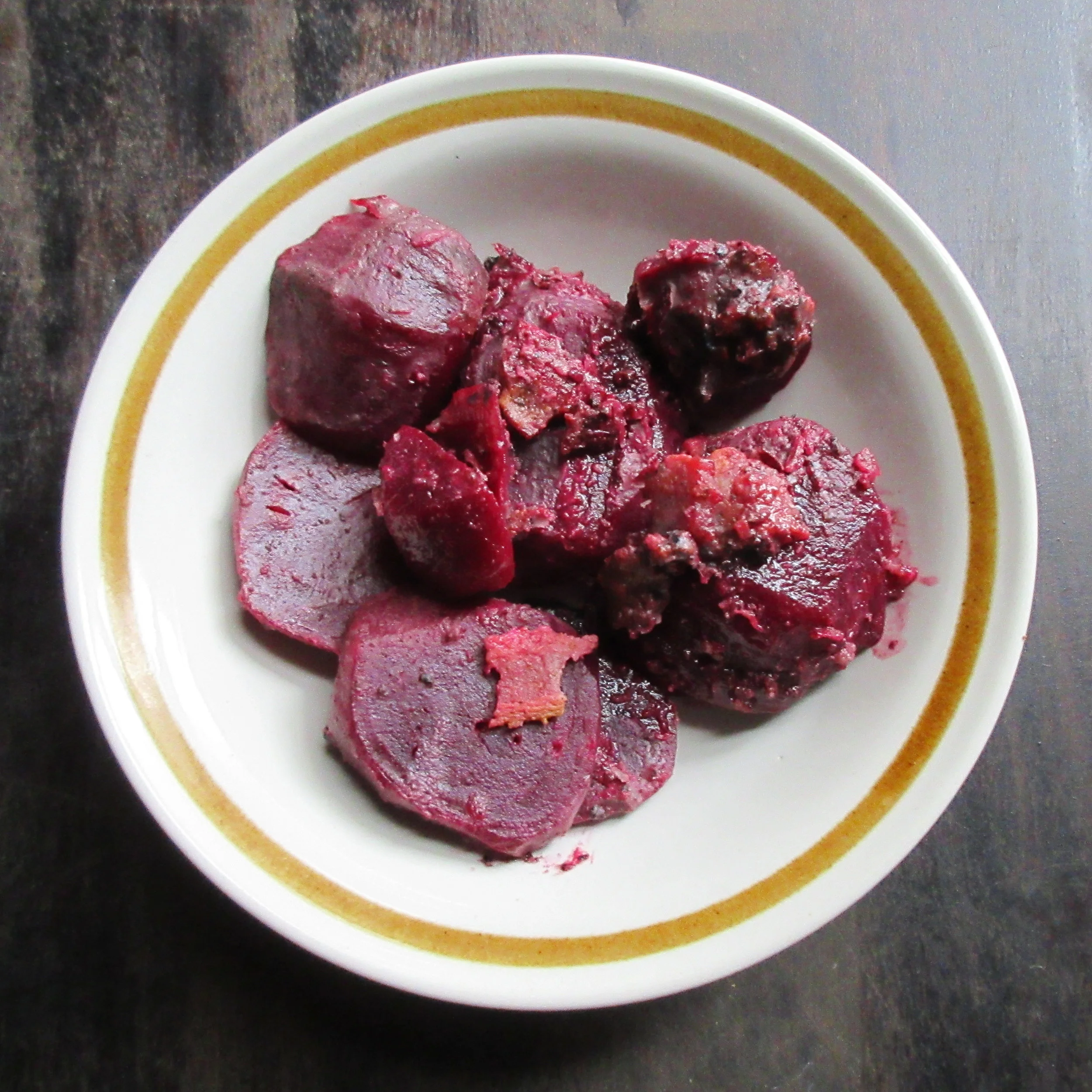
I'm not a fan of the taste of beets, although I have evolved enough to abide roasted and pickled beets on occasion. I liked Piquant Beets, though, and I can't say that I've ever thought that about a recipe made with boiled beets! This recipe takes those (in my mind at least) repulsive boiled beets and jazzes them up with horseradish, honey, lemon juice and...wait for it...bacon. Steve's response to tasting this dish was, "I don't even mind the beets", which is probably the highest praise he could give to this recipe. We can thank Elaine Collett and Mary-Etta Macpherson, who compiled the 1965 Canadian classic The Chatelaine Cookbook, for this culinary miracle.

You'll find this recipe in:
The Chatelaine Cookbook
Toronto, 1965
By: Elaine Collett
Edited by: Mary-Etta Macpherson
PIQUANT BEETS
3 slices side bacon, diced
2 tsp prepared horseradish
2 tsp honey
2 tsp lemon juice
4 cups sliced cooked beets
½ tsp salt
Sauté bacon in saucepan until crisp. Turn heat low and add next three ingredients. Stir in beets, sprinkle with salt, cover; let heat thoroughly. Serves 8.


My thoughts:
To cook the beets, I sliced off the ends and boiled in a pot of water. Begin this process well in advance, because it took 1 hour and 15 minutes until the beets were cooked. After I drained them, I submerged them in cold water until they were cool enough to handle and they were easy to peel and slice. For those of you who are accustomed to measuring beets by weight, 4 cups of cooked and sliced beets amounts to 650 g.
I did ere on the side of accuracy and initially only added the 3 slices of diced bacon in the recipe. It was good, but I have to admit that as I was eating the beets, I did sprinkle more bacon on top and it was even better.

I'm not a fan of the taste of beets, although I have evolved enough to abide roasted and pickled beets on occasion. I liked Piquant Beets, though, and I can't say that I've ever thought that about a recipe made with boiled beets! This recipe takes those (in my mind at least) repulsive boiled beets and jazzes them up with horseradish, honey, lemon juice and...wait for it...bacon. Steve's response to tasting this dish was, "I don't even mind the beets", which is probably the highest praise he could give to this recipe.
We can thank Elaine Collett and Mary-Etta Macpherson, who compiled the 1965 Canadian classic The Chatelaine Cookbook, for this culinary miracle. Chatelaine magazine is a Canadian woman's magazine that began publication in 1928, and is still a top magazine in Canada today. The book jacket explains that the editors narrowed down the contents of the book to roughly 1600 recipes from the over 10, 000 recipes that appeared in Chatelaine in its firsts 30 years of publication.
In her Introduction, Elaine Collett credits the collective effort responsible for the cookbook: "The old saying 'Too many cooks spoil the broth' just must be wrong. Because this first (and only) CHATELAINE Cookbook is the work of hundreds of Canadian cooks. For over thirty years in our CHATELAINE Institute kitchens we have created recipes for the homemakers of Canada and we have been guided in our planning by your letters, your questions and by the recipes you have shared with us year by year in our Family Favourites Recipe Contests."
I lucked out and found my copy at my favourite place to find vintage cookbooks in Hamilton, Bibles for Missions Thrift Store. I was lucky because not only is my copy in great condition, but it has the first owner's name and address written inside, and also came along with bonus newspaper clippings and handwritten recipes, as well as a bandaid and a plastic bag that must have been used as bookmarks. It's a treasure trove!
I have enough ideas for blog posts to tide me over until sometime in 2020 right now, but you know you're going to see at least one of those clipped and handwritten recipes on here at some point.
Want to read more?
Read the latest from Chatelaine Magazine: https://www.chatelaine.com/
The Special Collections & Archives at the University of Waterloo (my alma mater) has a blog post with a succinct summary of the editorial focus of the magazine over the years and some scans from a 1971 edition of Chatelaine.
There's a book written by Valerie J. Korinek about this era of the magazine called Roughing it in the Suburbs: Reading Chatelaine Magazine in the Fifties and Sixties
I normally link to digitally-archived copy of the featured cookbook so you're able to read the book yourself, but I couldn't find one this time around. Let me know if you know where to find a scanned copy online – I'd love to link to it

Squash Puff
If you asked anyone in my family about our traditional family recipes, probably the first dish listed by everyone would be Squash Puff. I'd describe Squash Puff as a cross between squash pudding and soufflé. It is light, fluffy and very flavourful considering it doesn't contain any onions or herbs. My Mom cut the recipe out of a newspaper at some point and it's been in her giant binder of recipe clippings ever since I can remember. Give Squash Puff a try at your next Thanksgiving, potluck or family gathering...or when you've got a hankering for some satisfying comfort food.

Recipe Origins:
An Ontario newspaper
Probably clipped in the 1960s-1970s
The Original Recipe:
Squash Puff
(Serves six to eight)
2 ½ pounds Hubbard or pepper squash – three cups mashed.
One-half cup chopped mild onion.
Two tablespoons butter.
Two large eggs – yolks and whites separated.
One-quarter cup milk.
Three tablespoons flour.
Three teaspoons baking powder.
Three-quarter teaspoon salt.
One-eighth teaspoon pepper.
One-half cup buttered crumbs (see below).
Cut up squash with heavy knife and steam until tender on rack in large shallow pot with boiling water underneath, covered. Scoop and scrape flesh from skin and mash using electric or rotary beater. You should have three cups.
Gently saute onion in butter until limp but not brown. Add to squash. Beat in egg yolks and milk until smooth. Stir in flour, baking powder, salt and pepper. Fold in stiffly beaten egg whites.
Turn into buttered six-cup baking dish. Top with buttered crumbs. (This last step is important – stir one tablespoon melted butter into one-half cup fine breadcrumbs.)
You may break it now at 375 degrees for 25 minutes or until lightly browned OR you may refrigerate it for 24 hours and bake it a little longer.


A couple of notes about the recipe:
As the recipe says, the buttered bread crumbs are key. If you're using a shallow dish with more surface area, make sure you use more buttered bread crumbs so it has a generous coating on top.
The recipe lists that you'll need 2 ½ lbs of squash, which will produce 3 cups of cooked & mashed squash. When I went grocery shopping, I assumed that the 2 ½ lbs was referring to raw squash. I wanted to make a double batch so we had plenty (it is VERY popular with my family), so I bought a 4 kg (almost 9 lb) squash, thinking that I'd have enough squash for a double recipe and some left over. But once it was cooked and mashed, I ended up with only 4 cups, so I showed up to my family's Thanksgiving with only a single batch. The lesson learned: buy more squash!

If you asked anyone in my family – my Mom, brother, sister, nieces, nephews & spouses – about our traditional family recipes, probably the first dish listed by everyone would be Squash Puff. This recipe is so popular that when my family gets together for Thanksgiving or Christmas, one of the first things that is settled is "Who is making the Squash Puff?" Most of us were able to gather for Canadian Thanksgiving earlier this month, so this time I volunteered to make it.
Squash Puff is a cross between a squash pudding and souffle. It is light, fluffy and very flavourful considering it doesn't contain any onions or herbs. My Mom cut the recipe out of a newspaper at some point and it's been in her giant binder of recipe clippings ever since I can remember.
I asked my Mother about iconic moment that she clipped the Squash Puff recipe out of the newspaper at Thanksgiving. The truth is that she clipped it out of desperation. She said that she decided to save the recipe because her children hated squash and she was always on the lookout for a way to get us to eat vegetables. We hated squash, but we loved Squash Puff. That's what I remember as a child. I dreaded when squash was on the menu, but I rejoiced when I knew that Squash Puff would be on the dinner table!
I always remember Squash Puff being served at special occasions, but my oldest sister remembers Squash Puff making its debut in the early 1970s. Who knows which southern Ontario newspaper it came from, but if I had to bet I'd place my money on the Kitchener-Waterloo Record.
Give Squash Puff a try at your next Thanksgiving, potluck or family gathering...or when you've got a hankering for some satisfying comfort food. And while you're enjoying it, raise a glass to the Baird family, my Mom's practically and her brood of picky eaters.

To boil green Peas
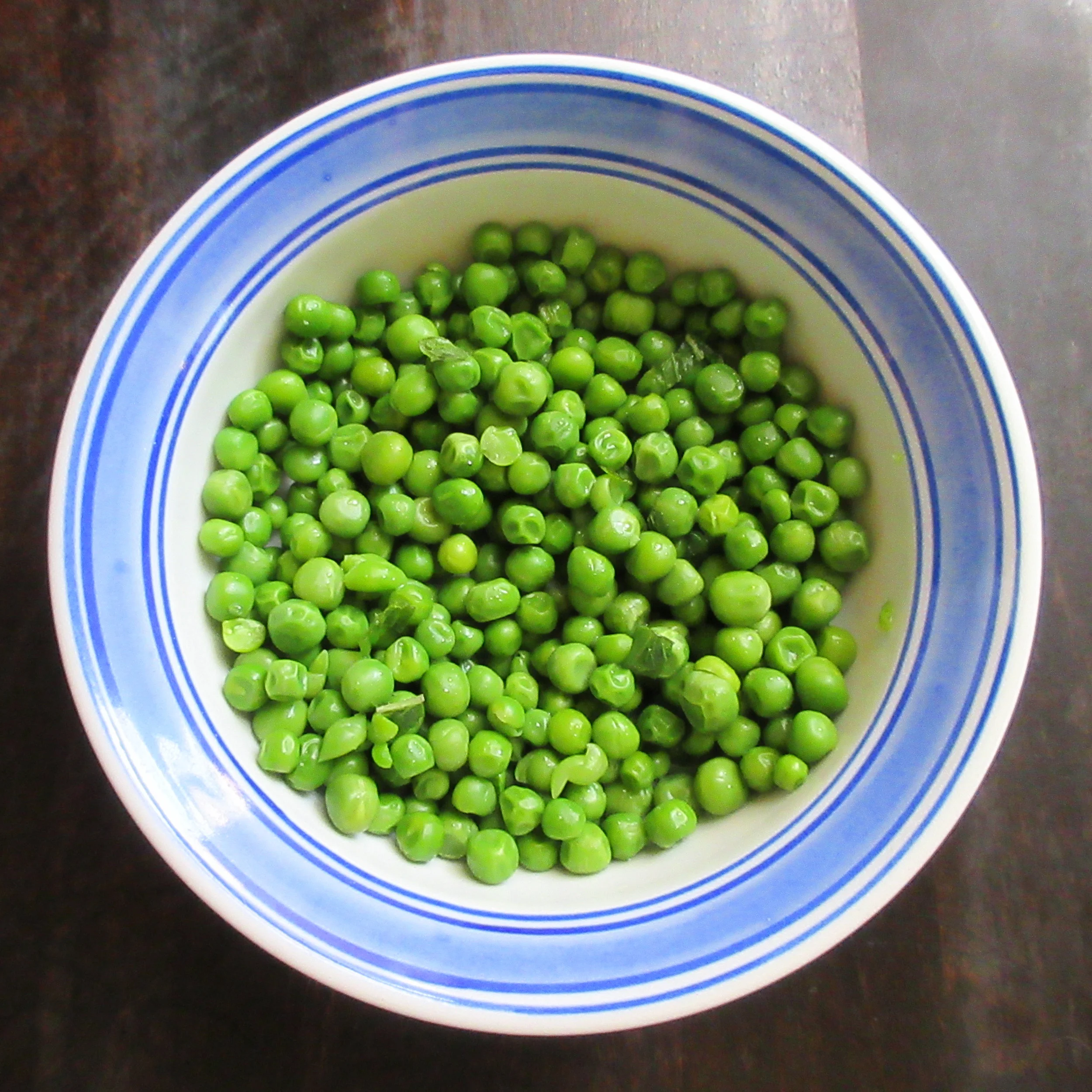
I agree, the name of this recipe doesn't sound very exciting. To boil green Peas? Really, what you end up with is green peas, with a touch of fresh mint, butter and salt. It's a simple, yet flavourful recipe that you'll find in American Cookery from 1796. Our authoress is Amelia Simmons (who has the tagline "An American Orphan" added to her name on the title page) and American Cookery is the first cookbook that was both written and published in the United States.

You'll find this recipe in:
American Cookery
By: Amelia Simmons
Hartford, Connecticut
1796
The Original Recipe:
To boil green Peas.
When your peas are ſhelled and the water boils which ſhould not be much more than will cover them, put them in with a few leaves of mint, as ſoon as they boil put in a piece of butter as big as a walnut, and ſtir them about, when they are done enough, ſtrain them off, and ſprinkle in a little ſalt, ſhake them till the water drains off, ſend them hot to the table with melted butter in a cup or boat.
My Recipe:
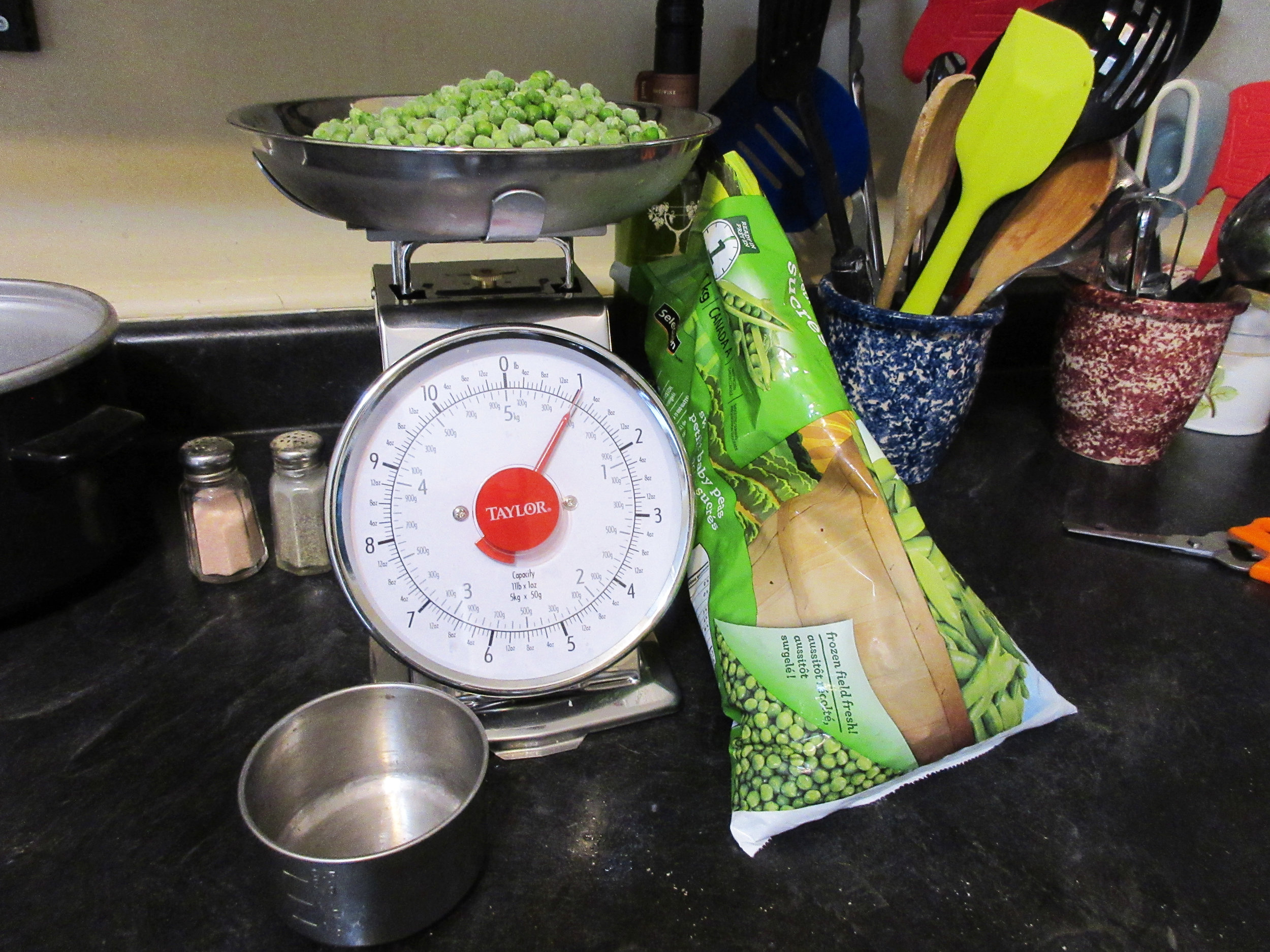
3 cups frozen green peas – 450 g
Chopped fresh mint (I used 1 tbsp, but would try more next time)
Butter
Salt
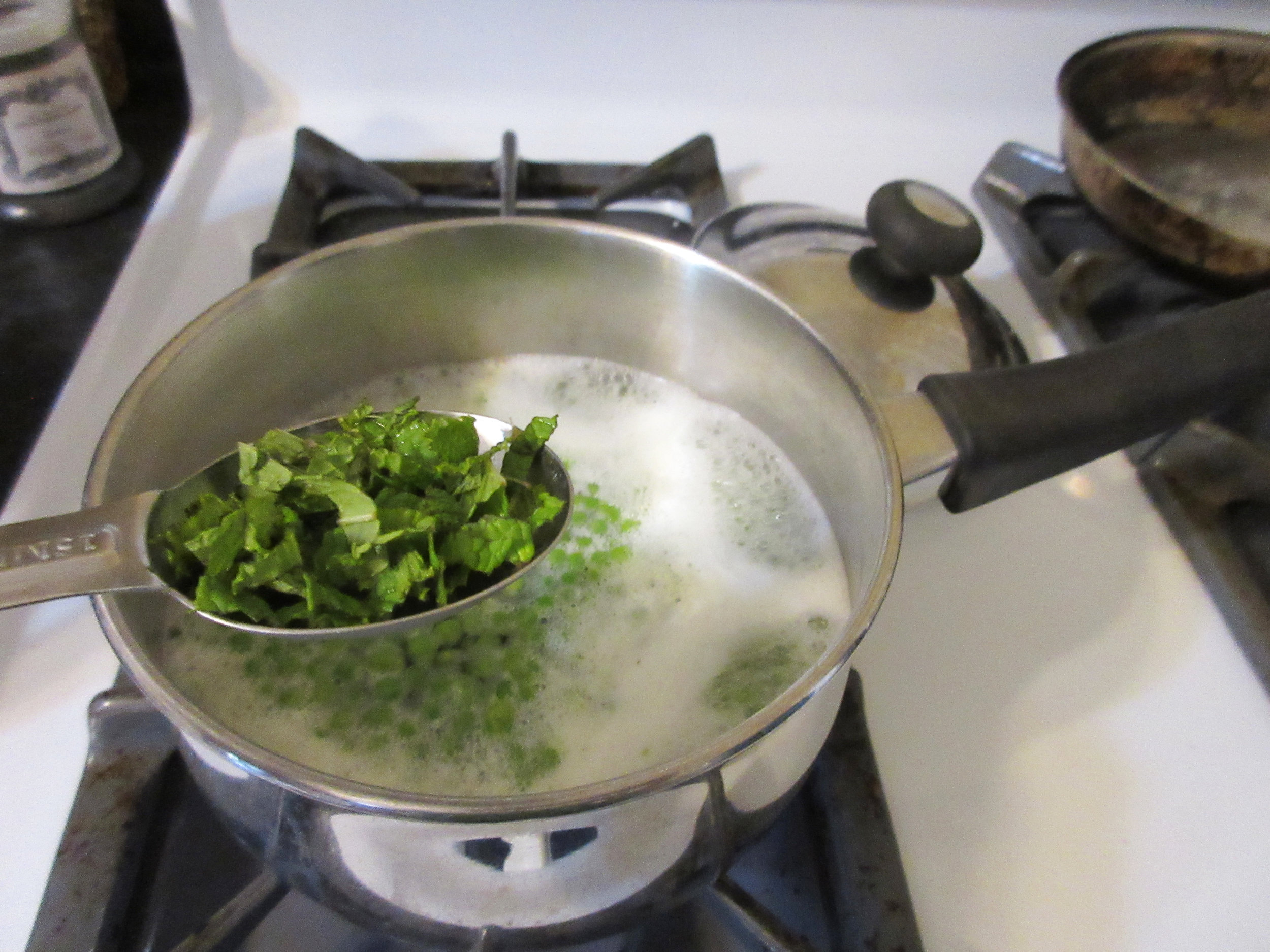
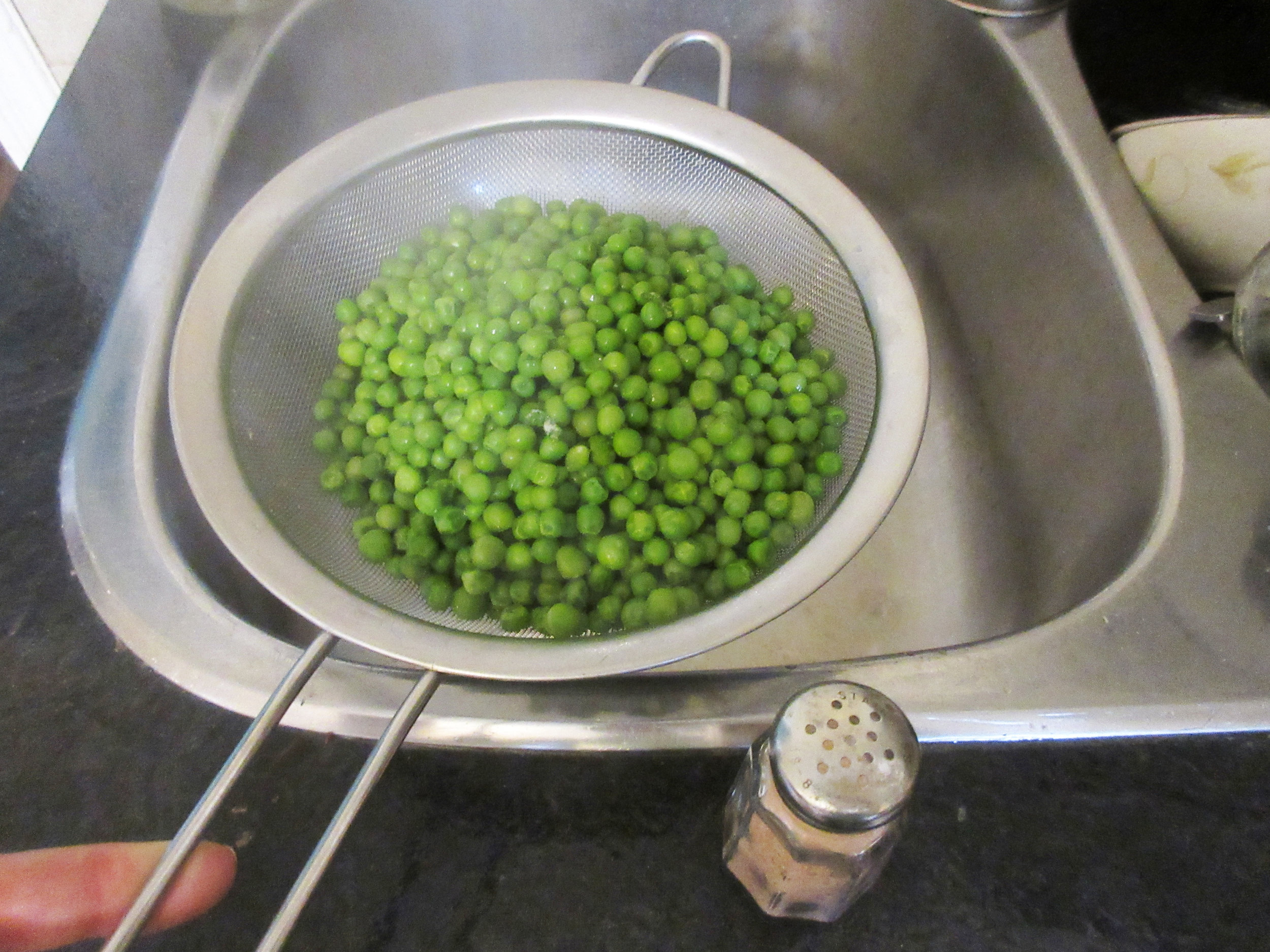
Boil the peas and mint in enough water to cover them, and continue simmering until cooked. Drain and transfer to a dish. Add butter and salt to taste.
The mint: Since this recipe doesn't specify how many peas to use, using "a few leaves of mint" isn't altogether clear either. I picked 3 cups of peas because it seemed like a family-sized amount to serve for a meal, which is probably what Amelia Simmons had in mind. A few leaves amounted to1 tbsp of chopped mint, so that's what I put in the pot. With 1 tablespoon of mint in this amount of peas, I tasted a subtle minty flavour every one or two bites. Next time, I'd try at least 2 tablespoons.
The recipe also doesn't give the instructions to chop the mint, but often recipes of this era leave information out because the author assumes that you already know. Simmons is quite clear about all the other steps in this recipe, though. I debated whether to put the mint in the boiling water whole or not, because perhaps she intended the mint to only flavour the peas & butter. In the end I thought it would be tastier with small pieces of mint nestled in with the peas, so I chopped it.
The butter: If you read the original recipe, Simmons instructs putting "butter as big as a walnut" into the boiling water with the peas while they are cooking, then straining the buttery water from the peas. This seemed like a huge waste to me, and I thought that I might as well just put most of that butter straight into the garbage.
But in the interest of historical accuracy, I listened to the recipe. As I was straining the peas, I realized that all of that oily water was going down the drain. Not good for my plumbing at all! Keeping her pipes unclogged is probably something that Amelia Simmons didn't have to worry about in 1796, so I suggest straining your peas first, then adding the butter.

I agree, the name of this recipe doesn't sound very exciting. To boil green Peas? Really, what you end up with is green peas, with a touch of fresh mint, butter and salt. It's a simple, yet flavourful recipe that you'll find in American Cookery from 1796. Our authoress is Amelia Simmons (who has the tagline "An American Orphan" added to her name on the title page) and American Cookery is the first cookbook that was both written and published in the United States.
As you read the original recipe above, you may have thought, "What is that strange letter that looks a bit like an 'f' at the beginning of some of those words?" If you did have that thought, meet the Long S or Descending S.

The American Bill of Rights uses the Long S, shown here in the word "Congress"
The roots of the Long S stretch back to Roman Cursive, a script that was used in the first to the third century AD. Up until the eleventh or twelfth century, the Long S was used as an uppercase S, but there was a shift around that time that lasted until the late eighteenth and early nineteenth century – right around the time when American Cookery was published.
The Long S was used when the letter s appeared at the beginning or middle of a word. The letter s that we know today (the Short S or Round S) was used at the end of a word, before an apostrophe and before or after the letter f. If a word has a double S, like in the example 'Congress' above, the first S is a Long S and the second one is a Short S.
Confusing, right? You do get used it with practice, and eventually you'll stop pronouncing ſalt as falt instead of salt. Now I can read documents with the Long S and only occasionally mispronounce words in my head while I'm reading!
The change to our familiar usage of the letter S probably came about due to printers wanting to simplify the typesetting process. Why have two letters that sound exactly the same when you can get the job done with one? For that reason, printed materials changed to only using the Short S around the turn of the nineteenth century. Handwriting is another matter. Humans are creatures of habit, so examples of handwriting using the Long S can be seen well into the 1800s.
P.S. If you're interested in reading very detailed rules for using the Long S (in multiple languages!), you'll want to read what BabelStone has to say on this topic.
Read the Cookbook:


Italian White Bean Salad
I made Italian White Bean Salad along with Mushroom Rolls to take along to a potluck picnic. Both of these recipes are found in The White House Chef Cookbook, written by René Verdon in 1967 after spending 4 years as the White House Executive Chef. Verdon was appointed the first Executive Chef of the White House in 1961, a position created by the Kennedys. My version of this salad features green garlic instead of the red onion listed in the recipe (a shopping list oversight on my part), and I really like the green garlic's blend of onion and garlic flavours.

You'll find this recipe in:
The White House Chef Cookbook
By: René Verdon
New York, 1967
The Original Recipe:
ITALIAN WHITE BEAN SALAD (6 servings)
2 cans cannellini (white beans)
2⁄3 cup chopped red onion
½ cup olive oil
1 teaspoon salt
1 teaspoon basil
2 tablespoons wine vinegar
Combine all ingredients and toss well. Refrigerate for several hours before serving.
My Experience:
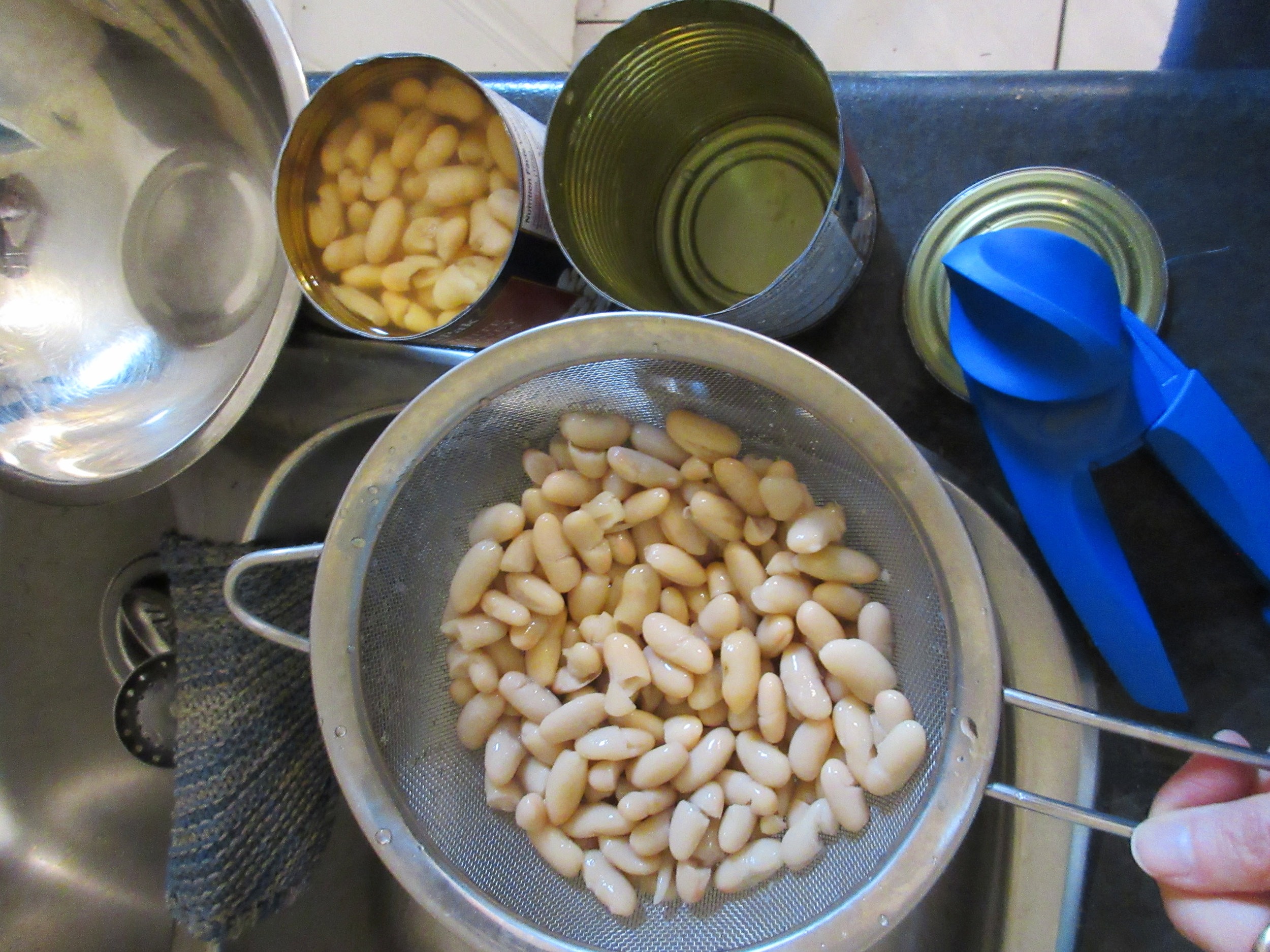
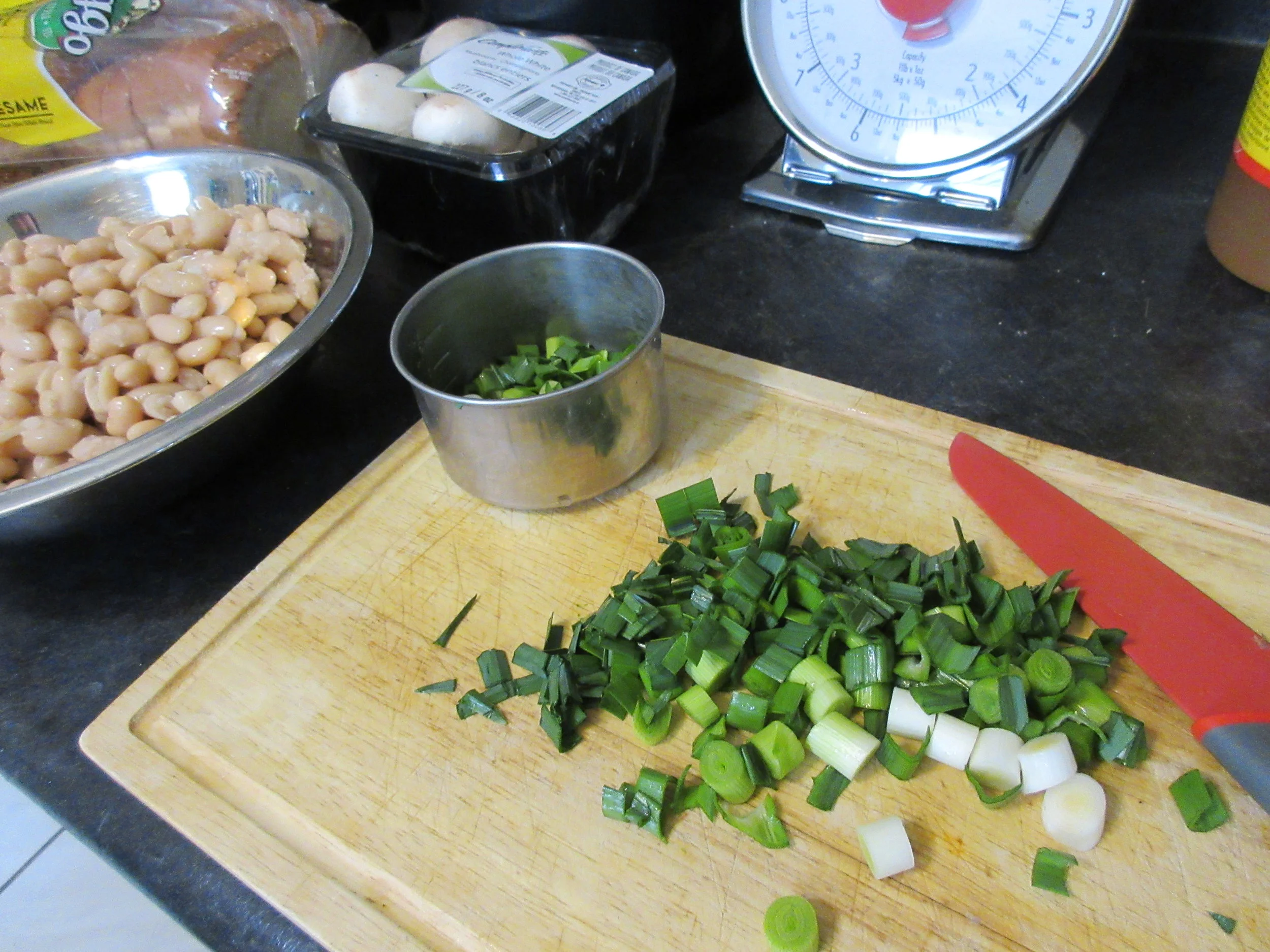
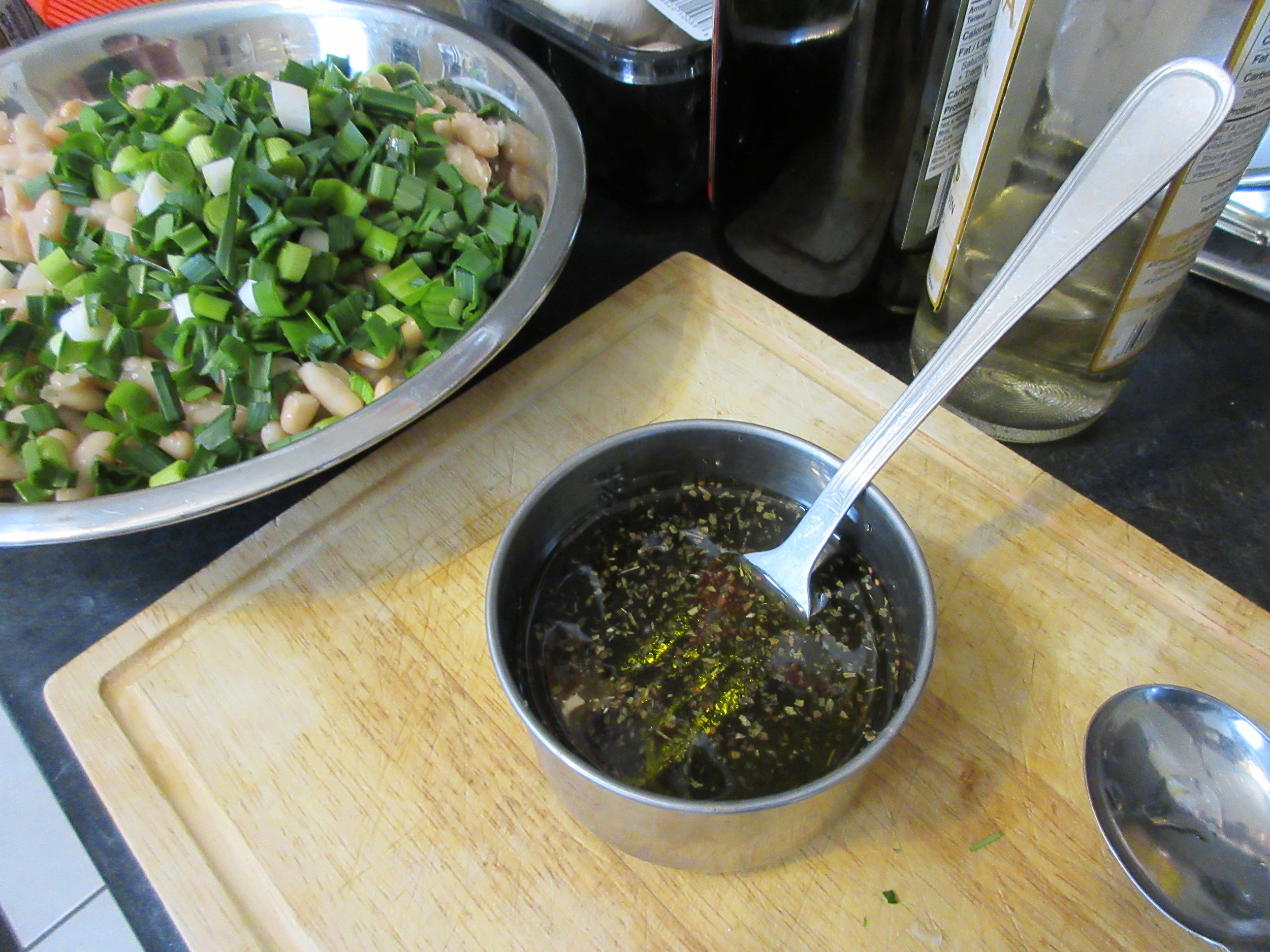
If you're paying attention to the ingredients listed in this recipe and what my Italian White Bean Salad looks like, you're probably wondering: What is all the green stuff? Where is the red onion? I had every intention of making this salad by the book, but I didn't read the ingredients close enough, so I didn't notice the "red" in front of the "onion" in the ingredient list until I was about it make it. I had an occasion to get to, so I just had a look at what I already had in the house. I had regular old white onions, and some green garlic from my farmshare that I didn't have plans for. I opted for the green garlic, and I really like its blend of onion and garlic flavours in this salad.
In keeping with the white theme for this salad, I used white wine vinegar. Since Chef Verdon lists only 1 tsp of basil, I guessed that he was referring to dried basil, but this recipe would be even tastier if you've got fresh basil on hand. Cannellini beans are also known as white kidney beans, and the cans I bought were 540 mL/19 fl oz. Although very delicious, this salad recipe is doused in vinaigrette! It's too oily for my taste. It's very likely that can sizes were different than today in 1967, so if the cans of cannellini beans in your local grocery store are the same size as the ones I used, I'd scale down the vinaigrette.
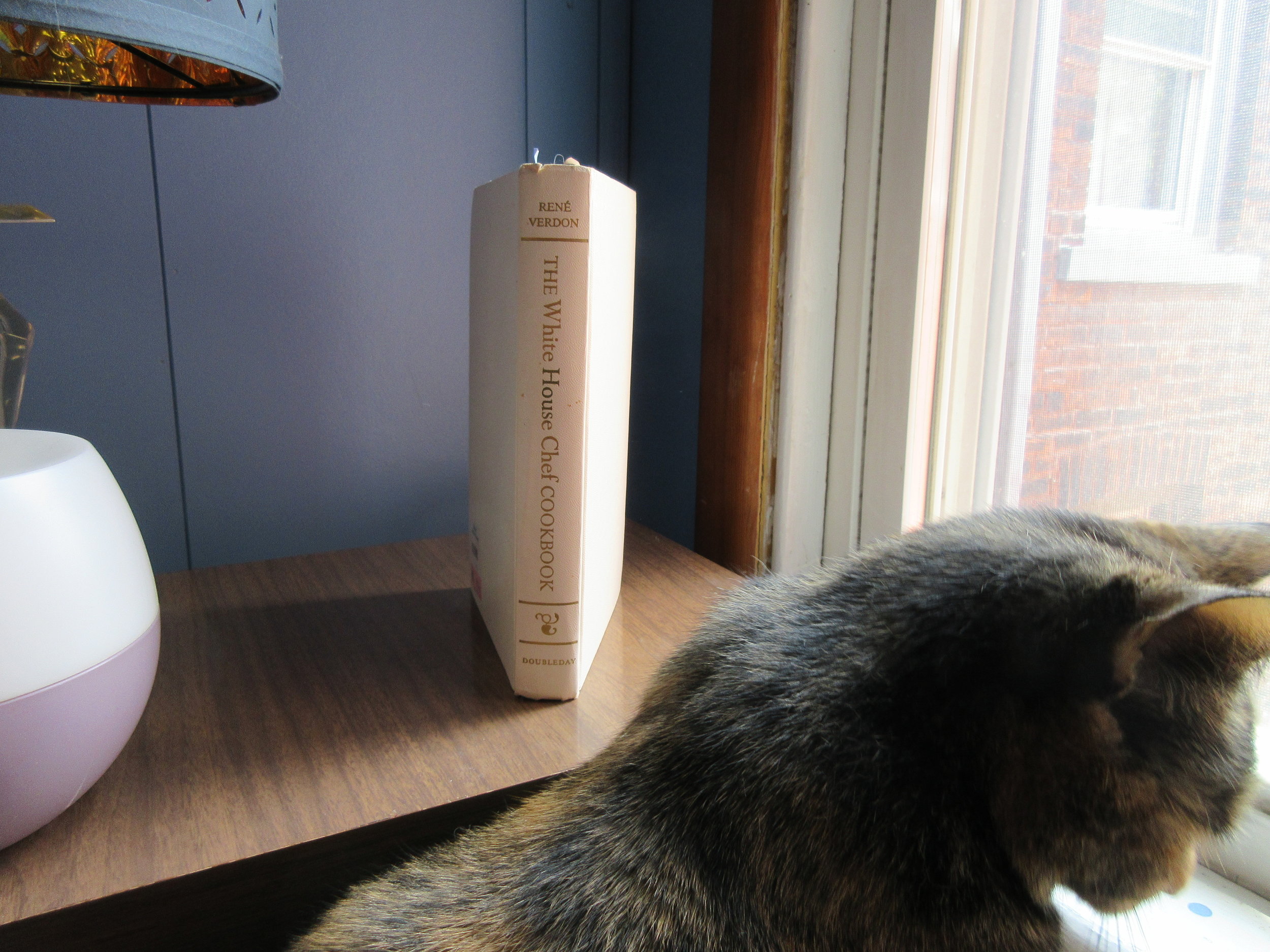
I made Italian White Bean Salad along with Mushroom Rolls to take along to a potluck picnic. Both of these recipes are found in The White House Chef Cookbook by René Verdon, written in 1967 after his four-year stint as White House Executive Chef. Verdon was the first Executive Chef of the White House, a position created by the Kennedys in 1961.
This cookbook is filled with scrumptious recipes and a biographical Introduction outlining his early life and how his career at the White House unfolded. The introduction to each section features anecdotes about the Kennedys and life at the White House, and also helpful tips like the proper order in which to dress a salad, or how to keep the colour vibrant in various cooked vegetables.
Verdon stayed on as Executive Chef with the Johnsons, but he found that the tides had turned. A Food Administrator was hired to cut costs and the culinary tastes of the new First Family were not harmonious with what Verdon wanted to put on the menus. He resigned in 1965, and went on to author three cookbooks & open Le Trianon, a French restaurant in San Francisco.
It was, I believe, the superb aroma of freshly baked bread from the ovens of my father's bakery that first gave me the idea that preparing food might also be for me a life's work...There was no opposition at home. Indeed, my parents were very pleased, and encouraged me in every way. Father only had one word of advice to me about jobs: "If you don't like it, quit." He had the conviction that a man must like his work in order to be productive and creative. I remember his words years later when I came time for me to think about leaving the White House.
Particularly, I recall the heartwarming personal notes, in French, handwritten by Mrs. Kennedy to express her appreciation for some dish I had prepared. President Kennedy was also extremely generous with his appreciative comments. I shared the grief of America when he was so suddenly taken away from us. I had known him as a man full of life and laughter, of wisdom and charm. I had seen him as a kind and loving husband and father. His death struck all of us on the staff as a deep and personal loss.

If you'd like to learn some more about René Verdon and his life, The New York Times featured him following his death in 2011 at the age of 86
Mental Floss outlines the history of White House Executive Chefs and the Cooks who prepared food for American Presidents beginning with the Washingtons
Read the Cookbook:

Potato Carrot Salad
With only three chopped ingredients in the salad, this is a fairly simple but delicious recipe to prepare. The dressing is also rather easy to put together, but is subtly flavourful. This recipe is found in The Modern Family Cook Book from 1953, which was written by Meta Given, who probably has the best cookbook author name in history! When I was growing up, my Mom had her own copy of this cookbook in our kitchen, and I remember loving its design even as a kid. I think it's the most gorgeously designed cookbook in my collection today. Each time I open it, I marvel at the care that went into designing the layout, the illustrations and the attention paid to the tiny details.

You'll find this recipe in:
The Modern Family Cook Book
By: Meta Given
Chicago, 1953
The Original Recipe:
POTATO CARROT SALAD
3 cups diced cooked potatoes
2 1/4 cups diced cooked carrots
2/3 cups chopped dill pickle
1/2 cup mayonnaise
3 tablespoons pickle juice
1/2 teaspoon celery salt
1 teaspoon grated onion
Combine diced, cooked potatoes with carrots and pickle. Mix mayonnaise with pickle juice and add celery salt and grated onion, blending well. Add seasoned dressing to vegetable mixture, toss lightly and chill to blend flavors. Serve on lettuce arranged on individual plates or turn into a lettuce-lined salad bowl. 5 servings.


My Experience:
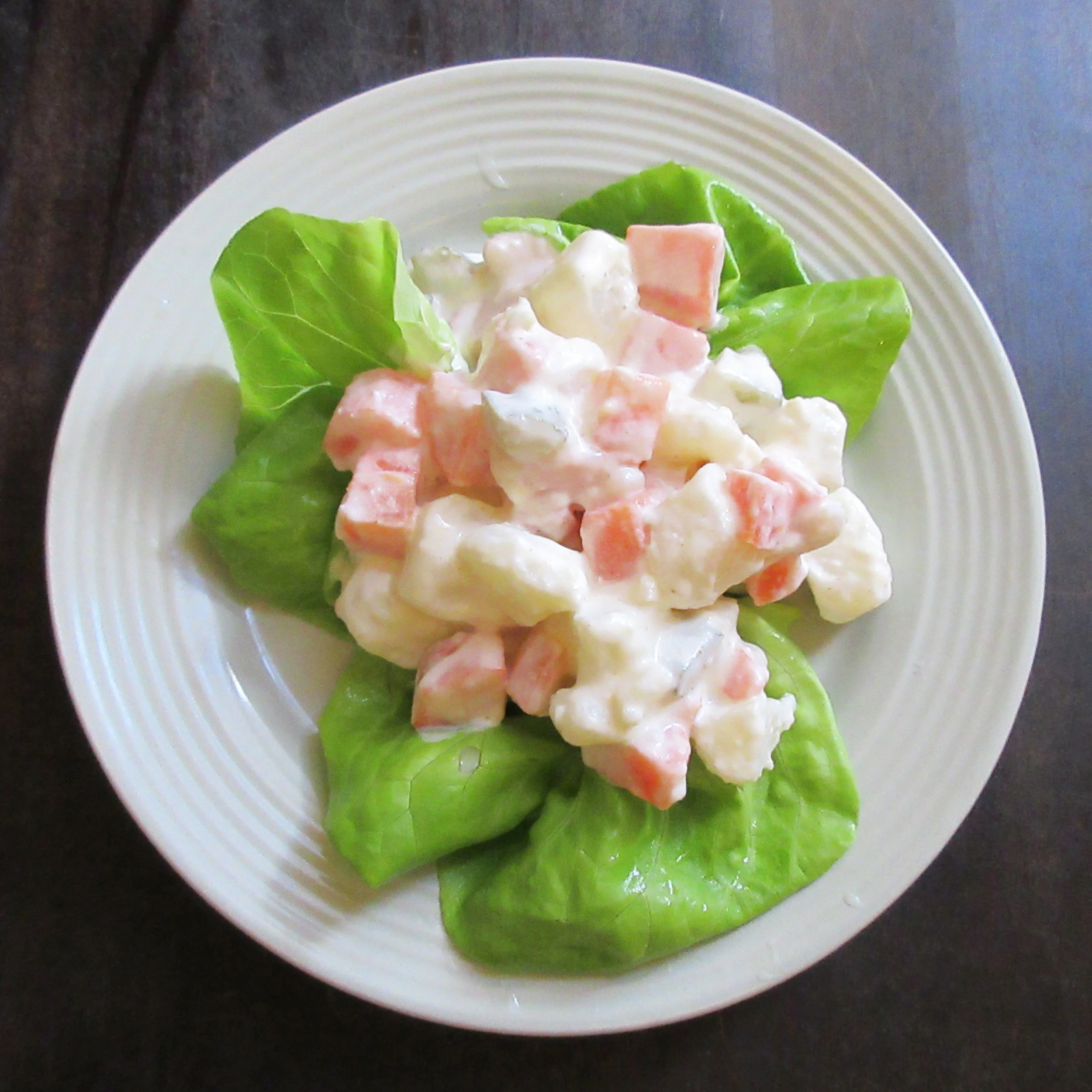
With only three chopped ingredients in the salad, this is a fairly simple but delicious recipe to prepare. The dressing is also rather easy to put together, but is subtly flavourful. The only issue is that I'd describe this salad as having a mayonnaise sauce, not a dressing. Next time, I'll either make less dressing or use more veggies for a more balanced salad. I was surprised that I enjoyed the addition of the lettuce leaves, though. Not only did it make my plate look beautiful, but the lettuce added a splash of freshness to the potato salad and cut the heaviness of all that mayonnaise.
I popped the vegetables onto my kitchen scale after I chopped them, so if you're accustomed to measuring via weight, you'll need approximately 450 g/1 lb of chopped uncooked potatoes, 300 g/11 oz of chopped uncooked carrots & 100 g/4 oz of chopped pickles.
I made this salad to bring along to an early Mother's Day work bee at my Mom's house. At 85 years old, my Mom lives alone in the country with a large backyard & kitchen garden to tend to. When I was a child, most of our evenings in the warm weather were spent outside in the garden and doing yard work, and I remember my Mom as a practical & seemingly tireless worker. She still has her "get 'er done" attitude, but these days she needs more help than she used to in order to actually get 'er done.
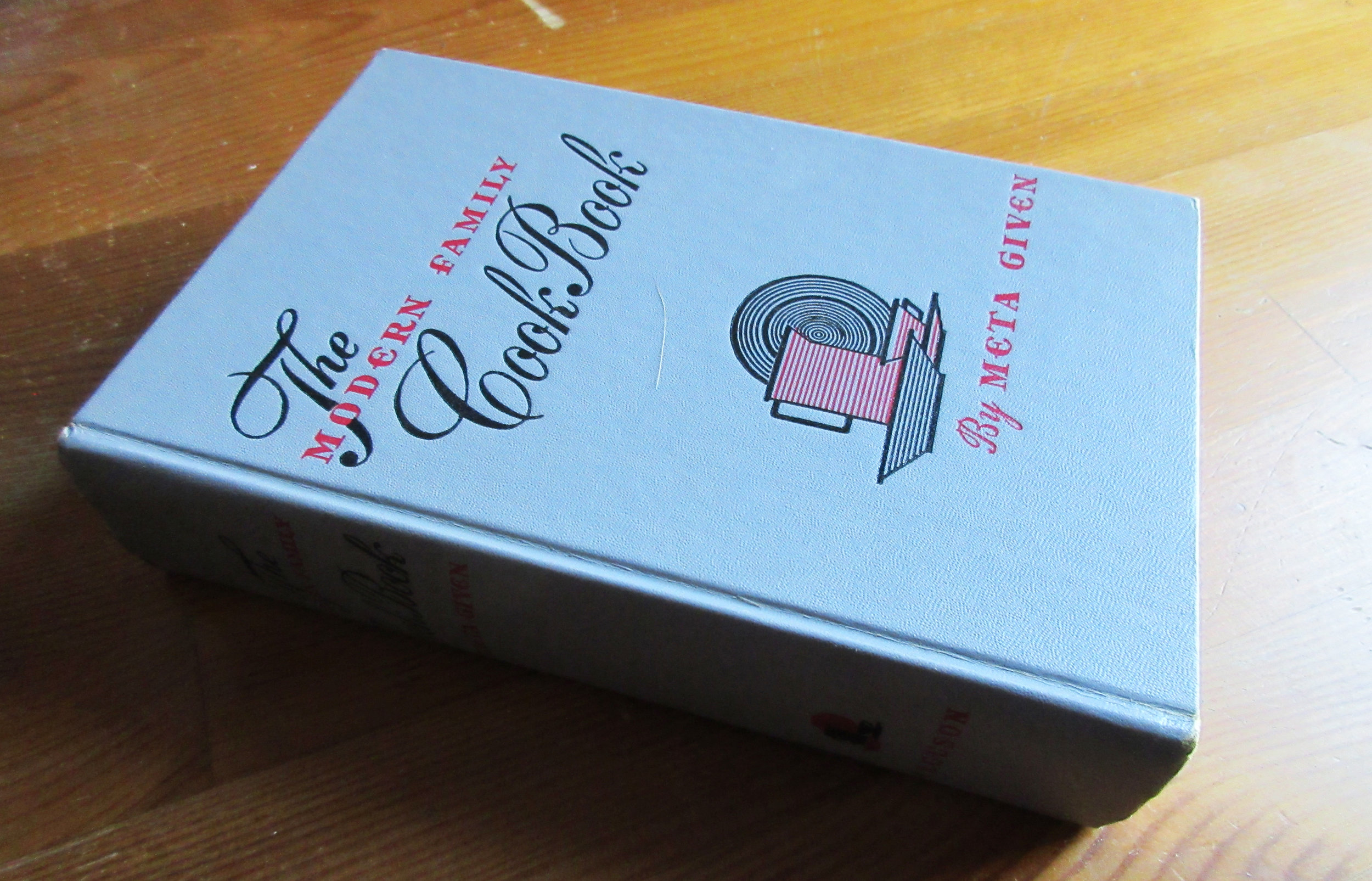
When I was growing up, my Mom had her own copy of the 1953 edition of The Modern Family Cook Book, and I remember loving its design even as a kid. I think it's the most gorgeously designed cookbook in my collection today. Each time I open it, I marvel at the care that went into designing the layout, the illustrations and the attention paid to the tiny details. My Mom was an elementary school teacher when she was in her late teens until her late 20s, and this cookbook was published around when she moved out on her own.
I was born when both my parents were in their 40s, so I had a different experience at home than most of my friends with younger parents. My Mom and Dad both grew up on farms and they also retained many of the values of the generations before them. My Dad could basically repair anything and we lived by the ideology of fixing, not replacing. My Ken doll was able to live an extended life thanks to a screw that held his head onto his neck, so he always wore a metallic kippah with a Phillip's head design!
My Mom preserved fruits and vegetables by canning them and filling our large chest freezer. Our washing machine was a ringer washer, and getting the weekly laundry done was a day-long process. When all my friends had a collection of Cabbage Patch Dolls, my Mom made me a Baby Miss Piggy doll with a hand-made "couture" wardrobe. We didn't have a dryer, microwave or computer until the 1990s.
I did find some of these differences embarrassing, and sometimes difficult to explain to my friends. As an adult, I really appreciate my slightly unusual upbringing and it's probably the main reason why I've found my passion as a Historical Interpreter & Historic Cook. I appreciate that I work in environments that were built to last for generations and not be discarded & replaced by the next-best-thing in a handful of years. Not only did my upbringing prepare me for some of the practical aspects of my duties, but I think my work life keeps me a bit more connected to the slower pace of my childhood, when the rest of my life seems to run faster as time goes on.
I certainly live a different lifestyle than my parents when they were my age, but I've never been afraid to live life my way thanks to their example. Happy Mother's Day, Mom! And to the rest of you – Keep It Weird.

This picture was taken about a year ago, when I was showing my Mom how to take a selfie on my new cell phone
Read the Cookbook:


To Dress Cucumbers Raw
Miss Leslie would be appalled, and perhaps stupefied, that I made this recipe today. In April. In Canada. She put forth a very strong opinion about cucumbers and their longevity in Miss Leslie's Directions for Cookery, stating that "few vegetables being more unwholesome when long gathered". Who knows when my grocery store cucumber was harvested, but I still found this recipe to be delicious. It's fresh-tasting, subtly flavoured by the salt, pepper & onion.

You'll find this recipe in:
Miss Leslie's Directions for Cookery
By: Eliza Leslie
Philadelphia, 1851
The Original Recipe:
TO DRESS CUCUMBERS RAW.-They should be as fresh from the vine as possible, few vegetables being more unwholesome when long gathered. As soon as they are brought in lay them in cold water. Just before they are to go to the table take them out, pare them and slice them into a pan of fresh cold water. When they are all sliced, transfer them to a deep dish, season them with a little salt and black pepper, and pour over them some of the best vinegar, to which you may add a little salad oil. You may mix them with a small quantity of sliced onion; not to be eaten, but to communicate a slight flavour of onion to the vinegar.


My Experience:
To Dress Cucumbers Raw is a rare recipe from the 1850s that doesn't require a modern adaptation. It's very a simple dish. Peel and slice the cucumbers, put them in a bowl, add vinegar, oil, salt, pepper and a few onion slices. Since I only had half a cucumber to cut, I didn't bother with putting the already-sliced cucumbers into cold water while I continued slicing the rest. Miss Leslie doesn't specify which type of vingegar is the "best", so I chose to use raw apple cider vinegar and complemented it with olive oil.
The onion slices are a very nice touch. I first sampled the cucumbers when they had been marinating in the fridge for about 30 minutes. I was careful not to dish out the onion as advised in the recipe, but a delicate onion taste definitely carried through to the vinaigrette.

Eliza Leslie learned her cookery expertise after her father's death in 1803 in Philedelphia. To make ends meet, her mother opened a boardinghouse and Eliza found herself supervising the servants, including a Cook. She had little experience in the kitchen herself, so she enrolled in a cooking school run by Mrs. Goodfellow in her confectioner's shop and soon the Leslie family's boardinghouse was known for its fine meals.
Miss Leslie didn't aim to be a cookbook author, though. She was an author of children's stories and short fiction, and it was thanks to others encouraging her to share her recipes that her cookbook career was launched. In 1828, Seventy-Five Receipts for Pastry, Cakes, and Sweetmeats was published, followed by Miss Leslie's Directions for Cookery in 1837, followed by many editions and a list of cookbooks & etiquette books.
Miss Leslie would be appalled, and perhaps stupefied, that I made this recipe today. In April. In Canada. She seems to have held a strong opinion about cucumbers and their longevity, stating that "few vegetables being more unwholesome when long gathered". Who knows when my grocery store cucumber was harvested, but I still found this recipe to be delicious. It's fresh-tasting, subtly flavoured by the salt, pepper & onion.
I chose to make this recipe now, instead of when cucumbers are in season, because I'm doing a week-long Cleanse these days and I thought I'd set myself the challenge of finding a historic recipe or two that I can eat. It wasn't easy to find a nineteenth-century recipe that doesn't include meat, dairy, wheat or sugar, but here's one that I would happily make again – Cleanse or not.
If you're curious to read more about Eliza Leslie's life, read this Manuscript Cookbooks Survey article, which also delves into this question: how many of Miss Leslie's published recipes came from Mrs. Goodfellow, who taught her how to cook?

Read the Cookbook:
A scanned copy of the 1851 edition from the New York Public Library on the Internet Archive (this recipe's on pages 194-195)


German Cabbage
Before I began speaking to people about trying out Fannie Farmer's German Cabbage recipe from 1896, I never knew how many people had a passionate love affair with cabbage! I really like how the flavours are balanced in the German Cabbage: some tang thanks to the vinegar, a bit of sweetness from the nutmeg & sugar, and a hint of spice from the cayenne pepper. And of course, if a dish is fried in butter, it's got to be delicious.

You'll find this recipe in:
Boston Cooking-School Cook Book
By: Fannie Merritt Farmer
New York, 1896
The Original Recipe:
German Cabbage.
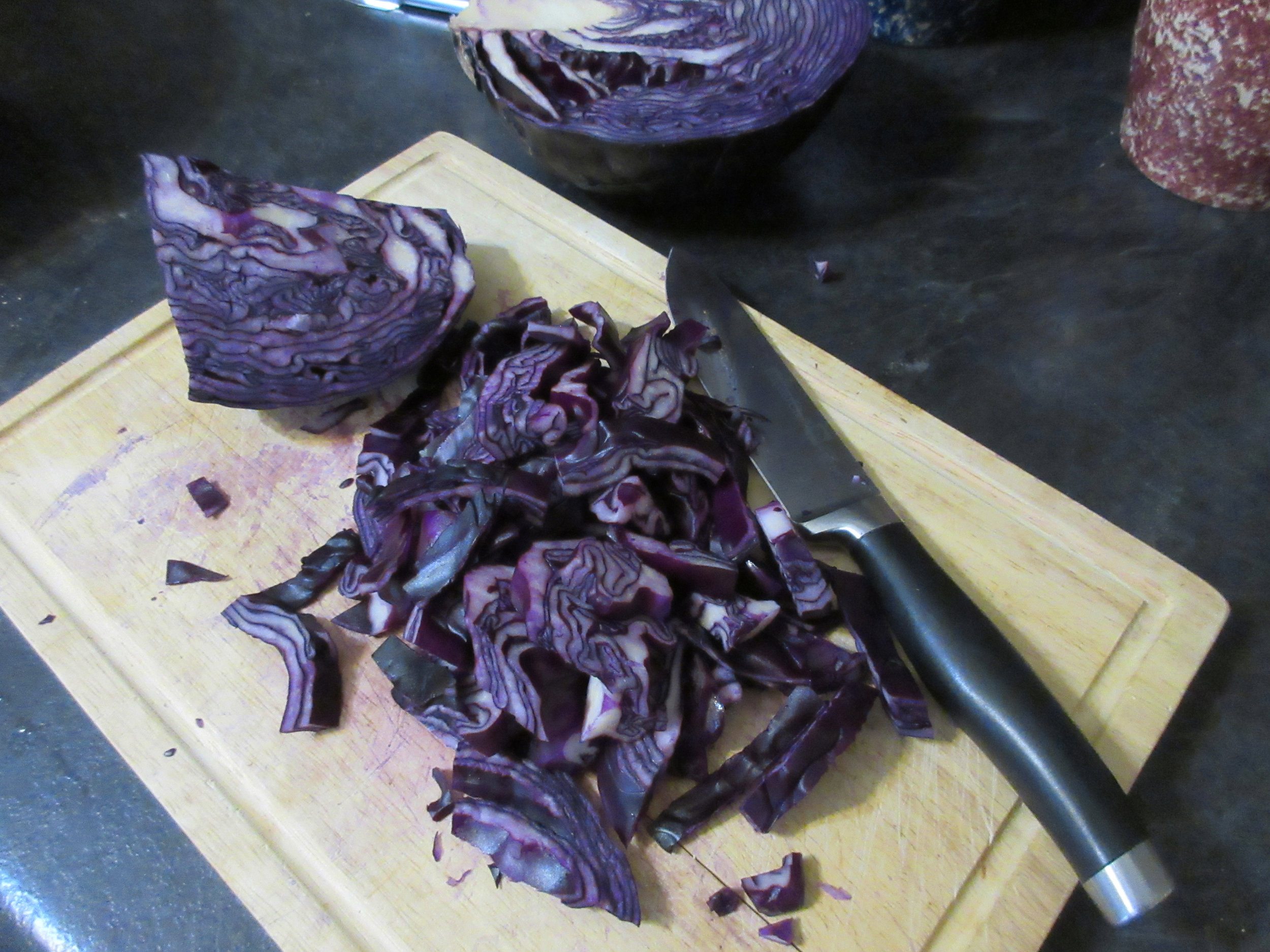
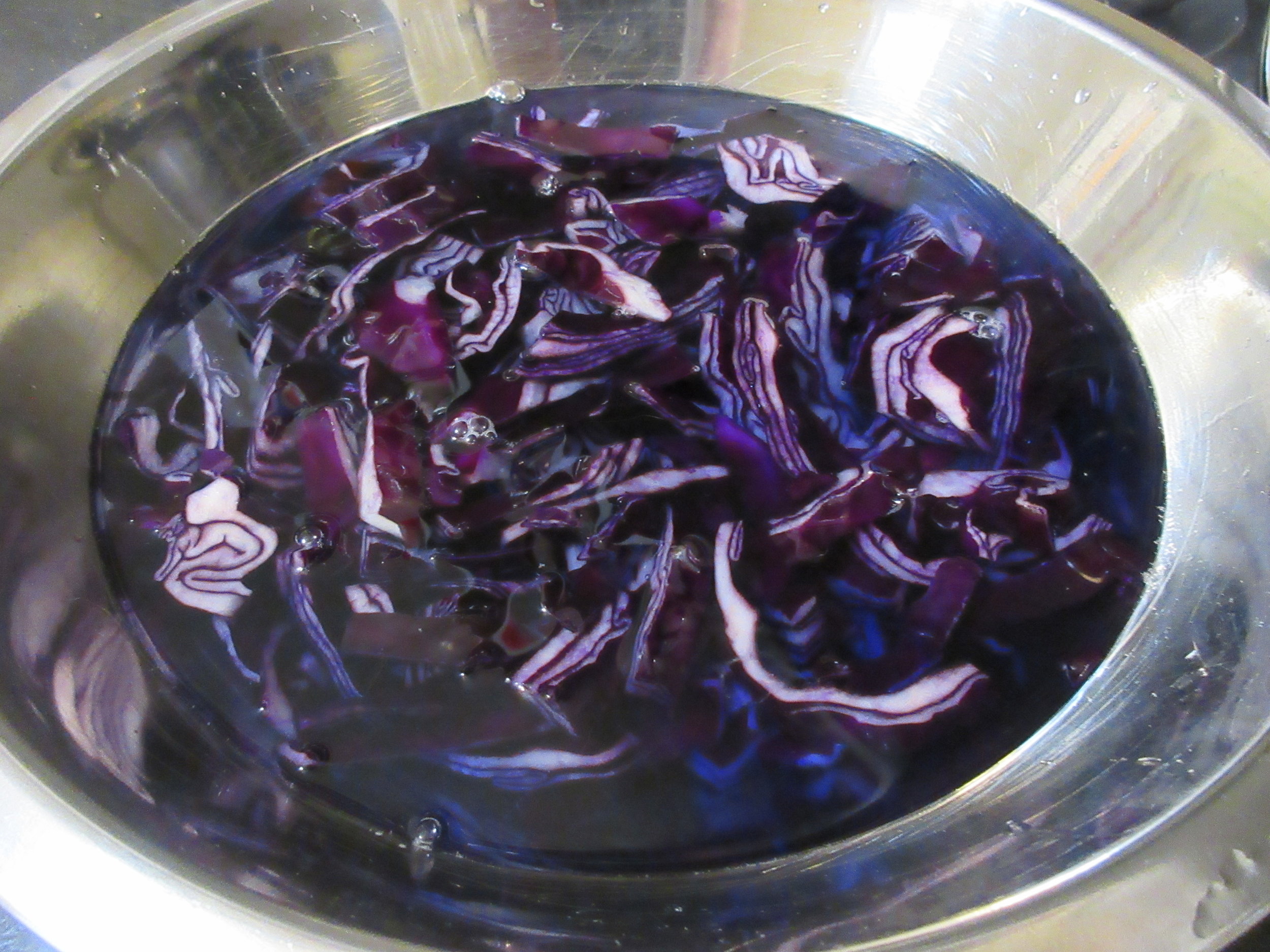
Slice red cabbage and soak in cold water. Put one quart in stewpan with 2 tablespoons butter, one-half teaspoon salt, one tablespoon finely chopped onion, few gratings of nutmeg, and few grains of cayenne; cover, and cook until cabbage is tender. Add two tablespoons vinegar and one-half tablespoon sugar, and cook five minutes.
My Recipe:
4 cups sliced red/purple cabbage - 500 g
2 tbsp butter
1/2 tsp salt
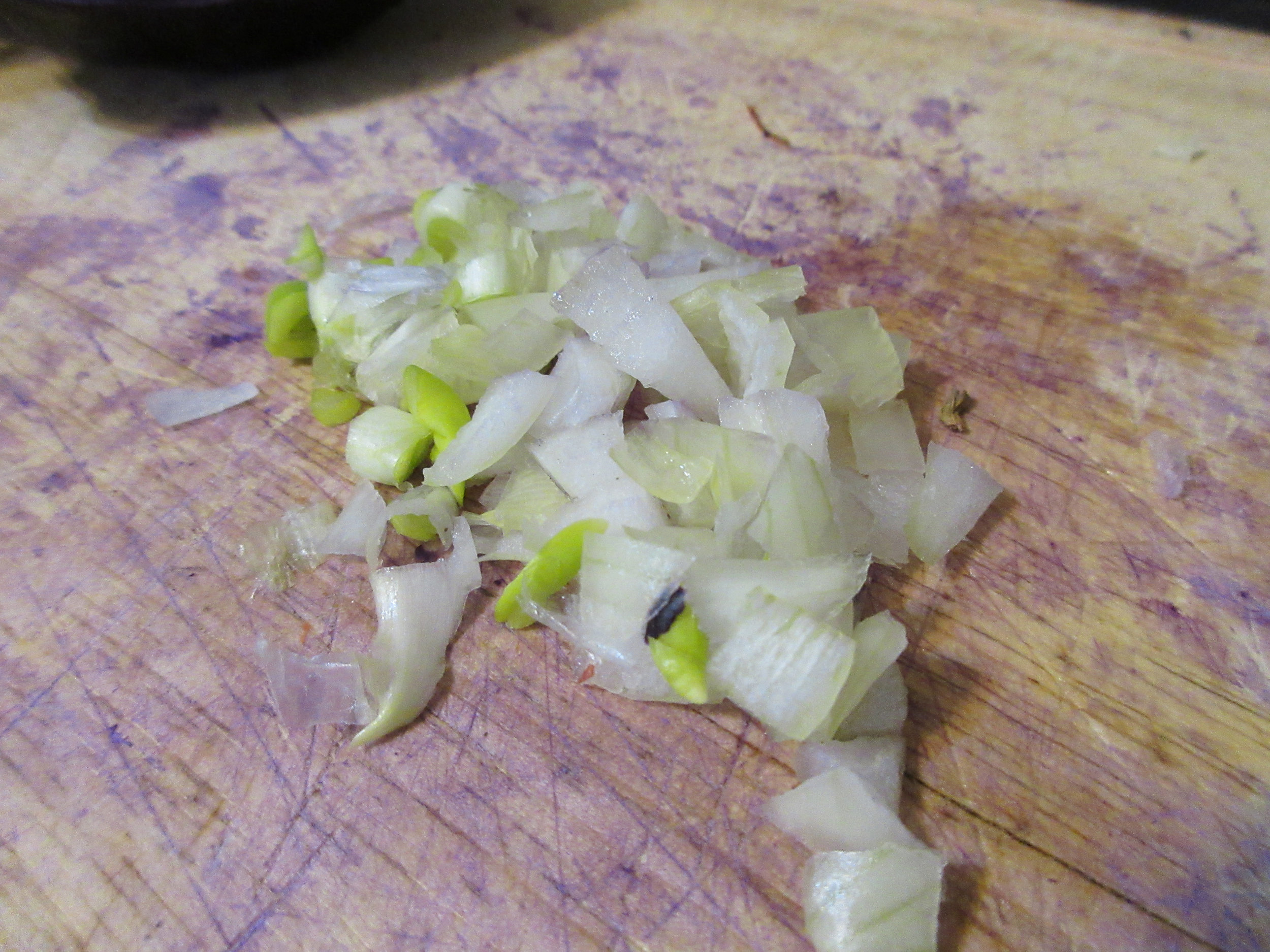
1 tablespoon finely chopped onion
A few shakes or a pinch of ground nutmeg
A few shakes or a pinch of ground cayenne pepper
2 tbsp vinegar – I used red wine vinegar
1/2 tbsp sugar (I used brown)
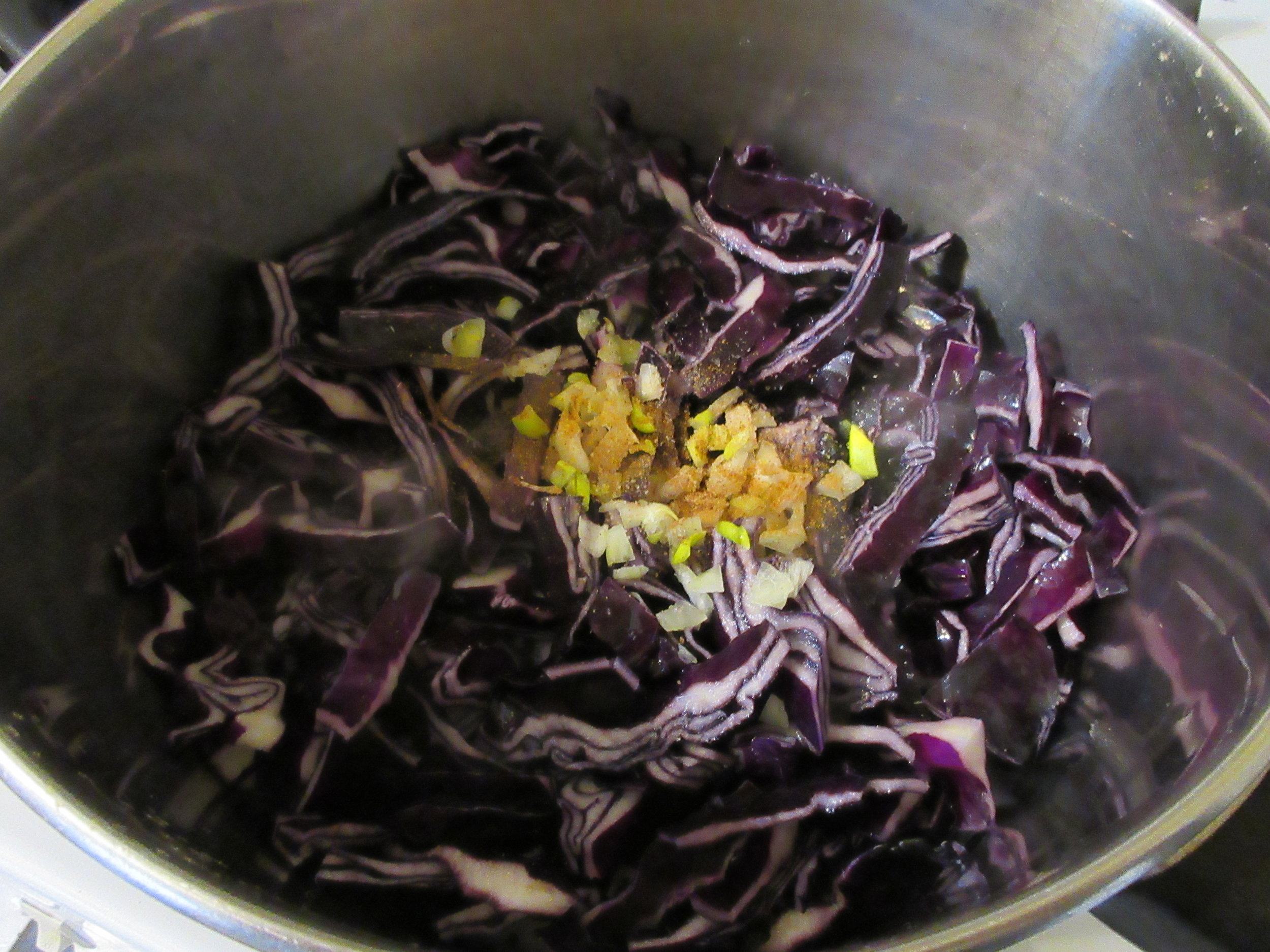
Slice the cabbage and soak in cold water. Fannie Farmer's recipe doesn't say how long to soak the cabbage, so I soaked it as long as it took me to chop the onion, have a few sips of wine and gather ingredients & supplies for the recipe. If you have thoughts about how long the cabbage should be soaked, please share in the comments!
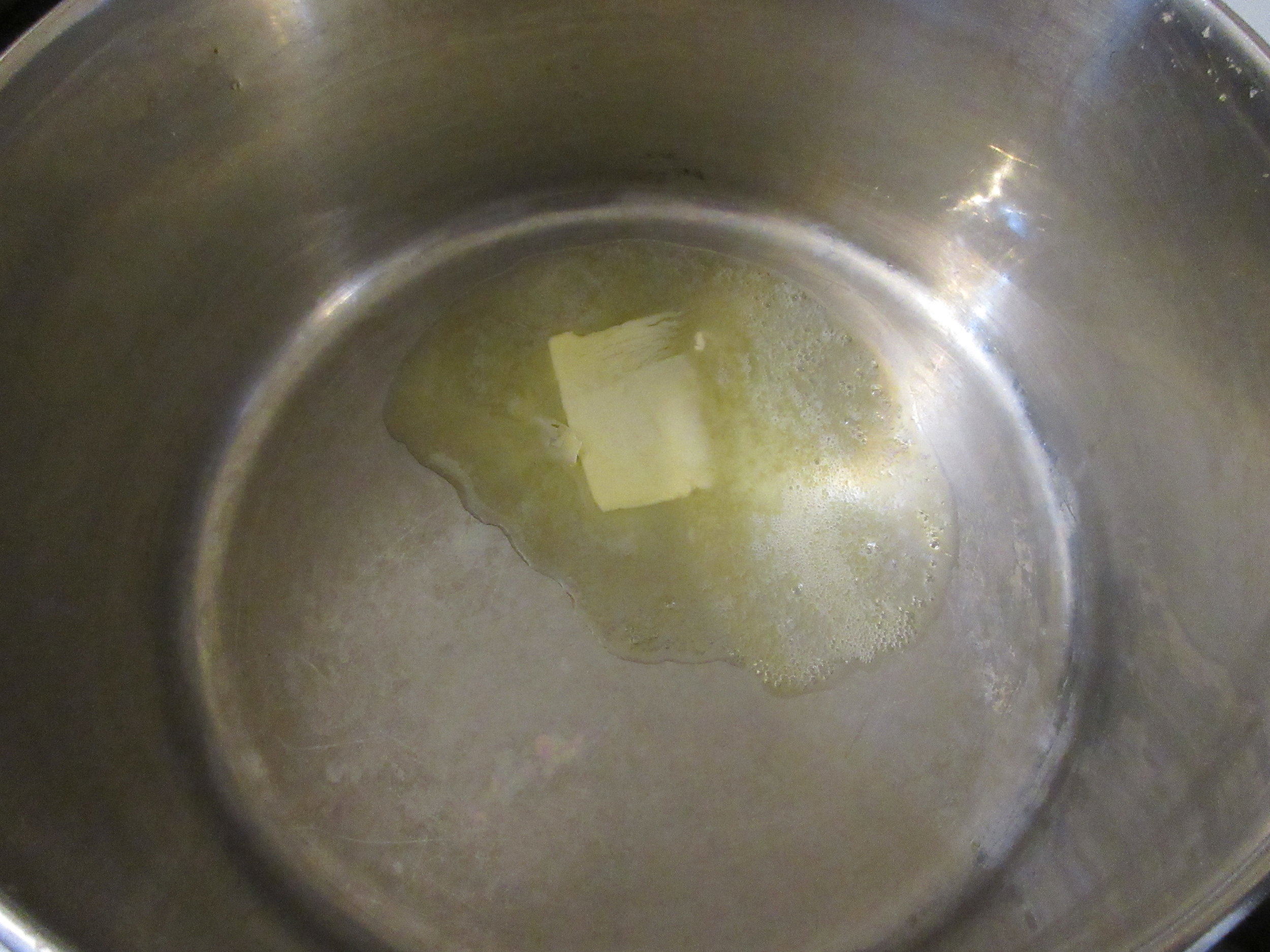
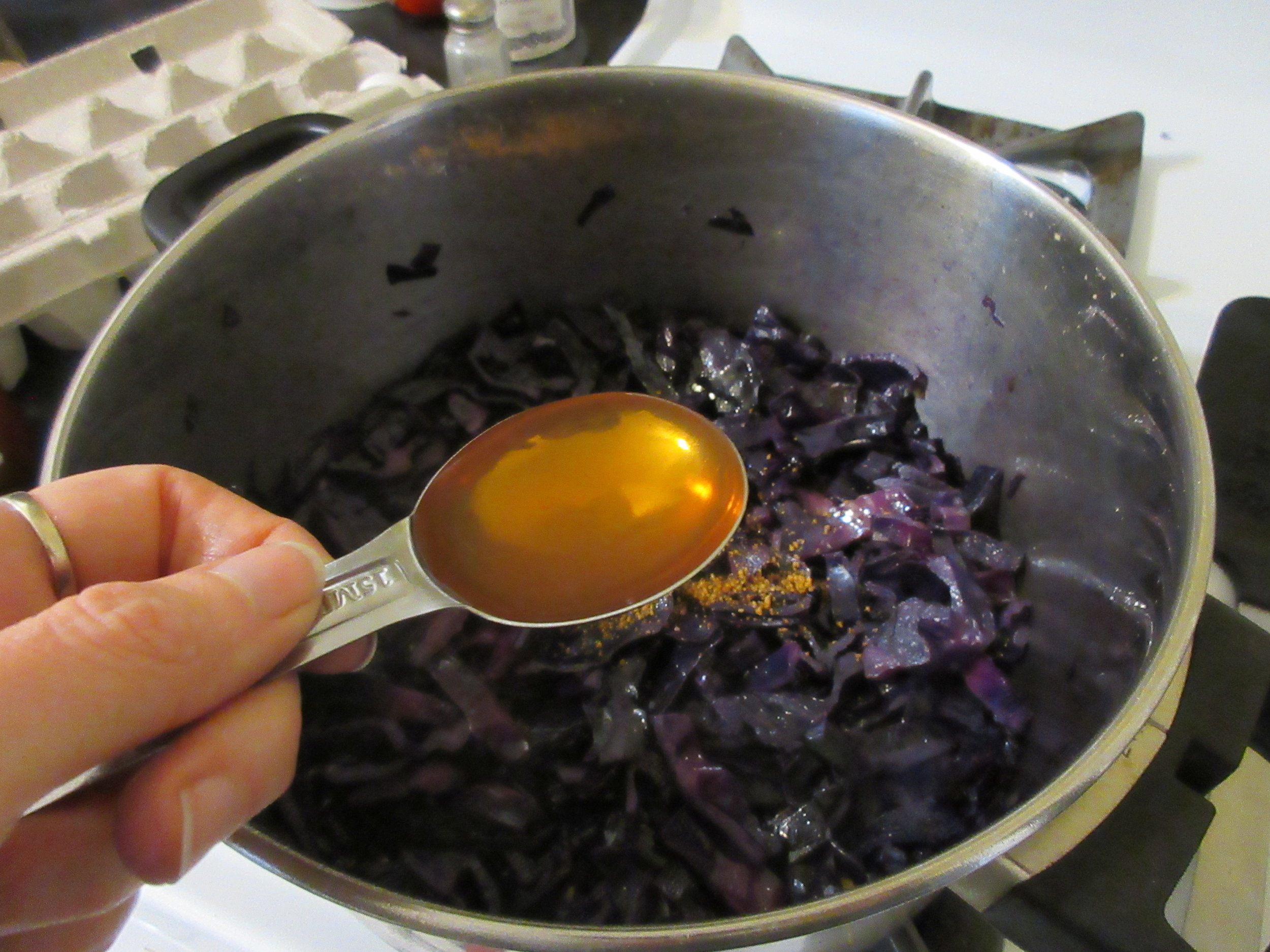
Drain the cabbage and melt the butter in a large pot. Add the cabbage, salt, onion, nutmeg and cayenne pepper. Cover and simmer on low until the cabbage is tender, stirring occasionally. Add two tablespoons vinegar and one-half tablespoon sugar, and cook five minutes. Since the type of vinegar & sugar isn't specified, I decided to use red wine vinegar and brown sugar because I thought the flavours would go together nicely.

Before I began speaking to people about trying out Fannie Farmer's German Cabbage recipe from 1896, I never knew how many people had a passionate love affair with cabbage!
I really like how the flavours are balanced in the German Cabbage: some tang thanks to the vinegar, a bit of sweetness from the nutmeg & sugar, and a hint of spice from the cayenne pepper. And of course, if a dish is fried in butter, it's got to be delicious.
The Boston Cooking-School Cookbook (also popularly known as The Fannie Farmer Cookbook) was written in 1896 by Fannie Merritt Farmer, who was a student at the Boston Cooking School and became the Principal of the school not long after she graduated. In 1896, she approached a publisher with her cookbook idea. The publishers were not convinced, but conceded to print a limited run of 3000 copies if Miss Farmer covered the costs herself.
The Boston Cooking-School specialized in a more scientific approach to cooking & housekeeping, which is reflected in the recipes. Compared to other recipe books of the day, the measurements are rather exact, and the instructions are explained clearly. This cookbook has never been out of print since 1896, and these days you'll find the 13th edition of the Fannie Farmer Cookbook new in bookstores. If you'd like to read more about Fannie Farmer and her cookbook, have a look at these articles from Amazing Women in History and Smithsonian Magazine.
I found my copy at Cover to Cover, a second-hand bookstore in Collingwood, Ontario. When we were there a few years ago, Cover to Cover could have been called Floor to Ceiling because there was barely enough space to walk through the full shelves and piles of books. A woman appeared from around a corner, and I explained my specific cookbook interests. She said, "Yeah, we've got shit like that" and told me to search on a bottom shelf behind a pile of books. Sure enough, waiting there for me was a 1945 Joy of Cooking, and my reprint of the 1896 Boston Cooking-School Cookbook.
I knew it would be mine when I read on the cover that it was a fascimile of Fannie Farmer's first edition, but it had my heart when I opened it up and saw the inscription inside. Written in 1978 when the book was given as a gift from someone with an illegible signature (please comment if you can make out the name) to Glenda, who I'm guessing is the gift giver's sister. To me, this handwritten message conveys why The Fannie Farmer Cookbook has been in print for over 120 years:
dear Glenda – This book has been a never-failing reference to me since I first left Mom's home cooking and was challenged to produce meals on my own. With love, ???
Christmas 1978

Read the Cookbook
A scan of the 1896 first edition on the Internet Archive:
