
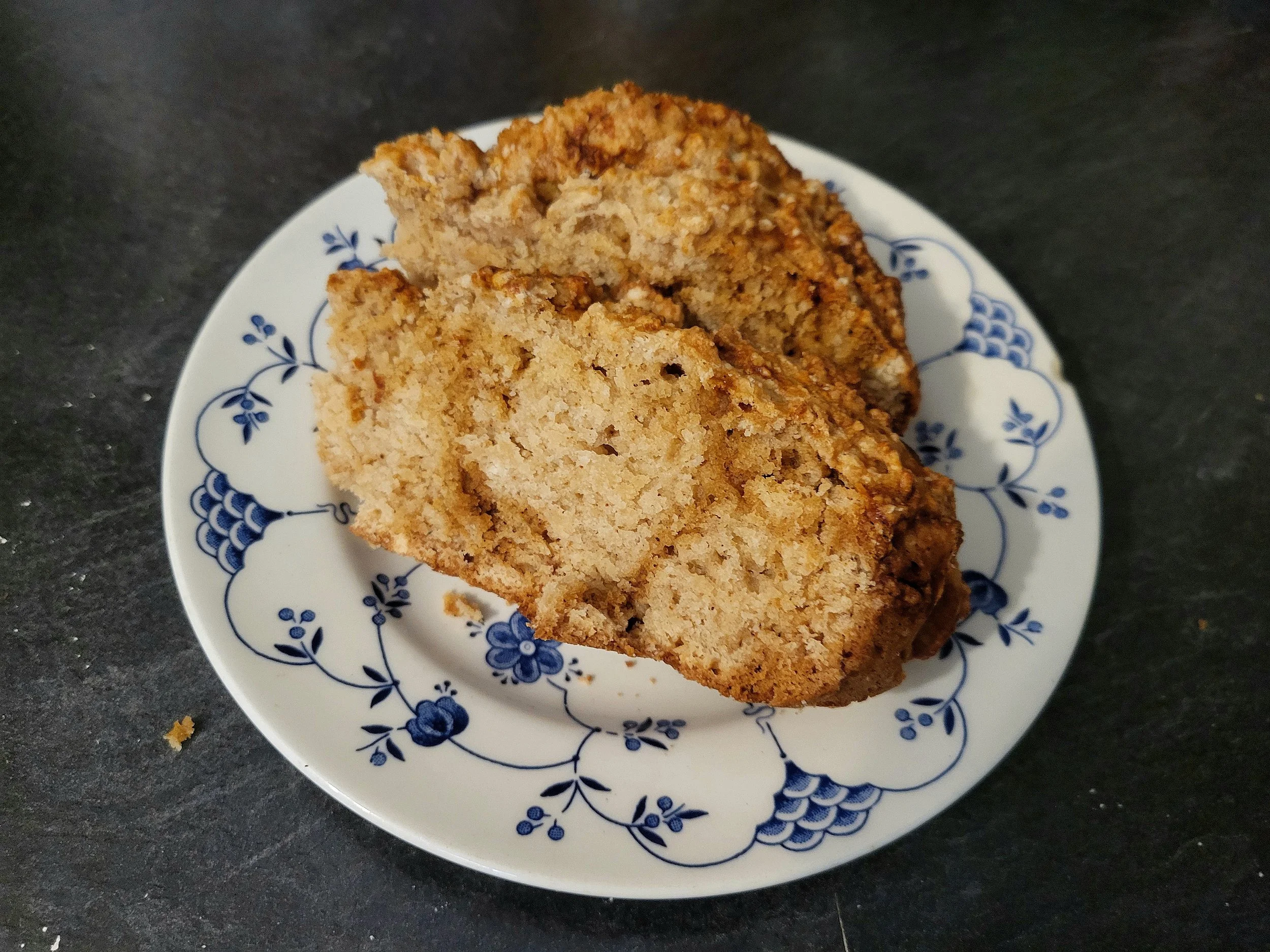
Cider Cake
Cider Cake is a simple coffee cake spiced with apple cider, brown sugar, cinnamon and cloves. This recipe is found in The Frugal Housewife’s Manual, which is the first cookbook compiled and published in the English language in Canada in 1840. I tested out this Cider Cake recipe when I was preparing for an Open Hearth Baking class that was to be taught at Nelles Manor Museum in Grimsby, Ontario in early April 2020. An interesting note is that The Frugal Housewife’s Manual was compiled by someone with the initials A. B., who lived in Grimsby, Ontario at the time. Conceivably, this A.B. and the Nelles family who lived at Nelles Manor would have been acquainted with each other since the both lived in the same small community.
This was one of the mid-1800s recipes that I would be preparing using Nelles Manor’s Open Hearth with the class participants using the Dutch Oven. Other open hearth baking recipes would have made by using other open hearth baking implements, such as cheese straws fried on the griddle, coconut macaroons in the reflector oven, and fritters fried on a trivet. Keep an eye out in this blog for a description of how I used the dutch oven to bake the Cider Cake, and future blog posts for how-tos for all the open hearth baking techniques I’ve mentioned.
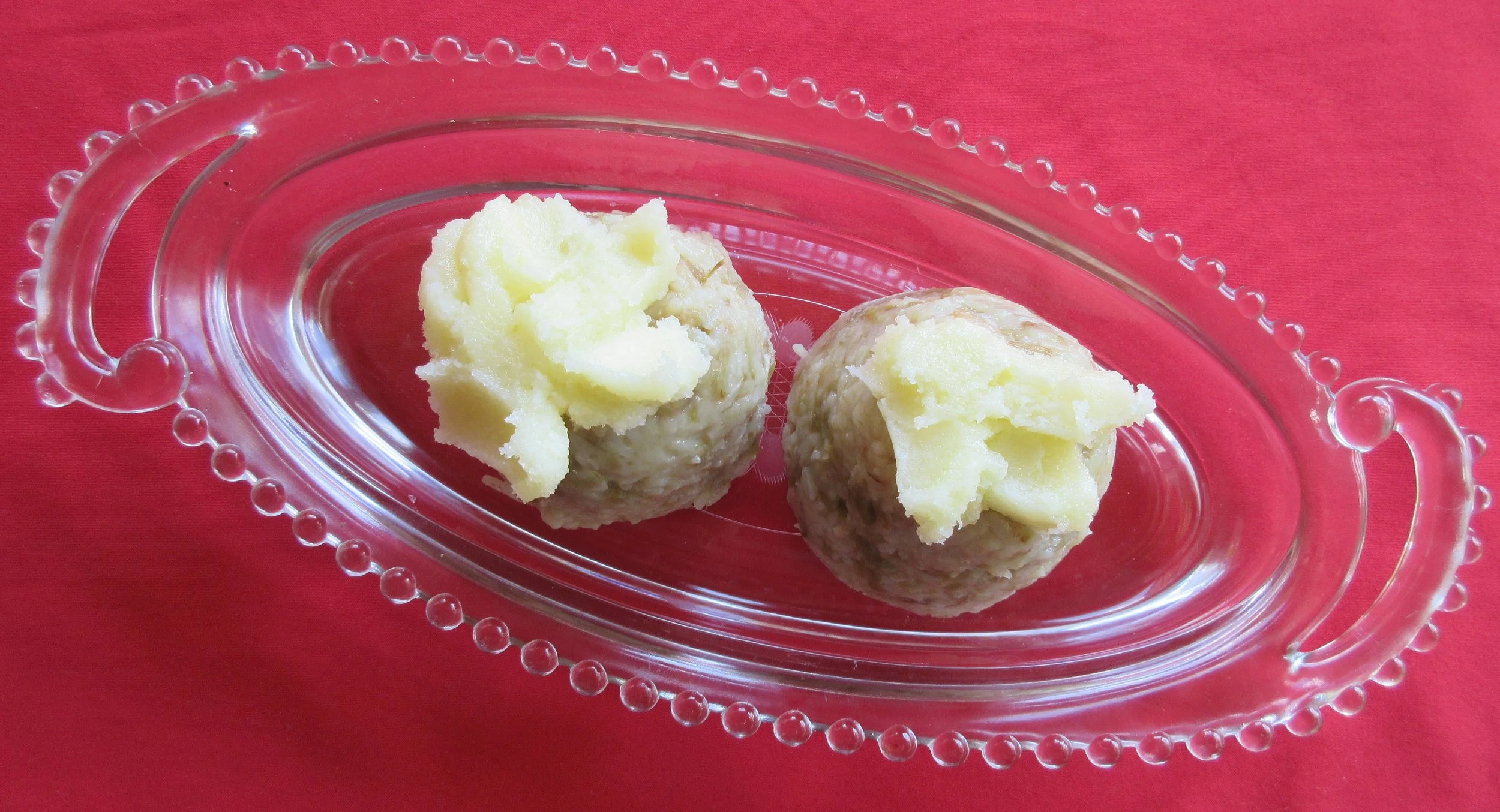
Rhubarb Cups
Rhubarb Cups are a simple, three-ingredient, make-ahead dessert from the 1847 cookbook The Lady’s Receipt Book by Eliza Leslie. Rhubarb Cups would be a perfect dish to add to your recipe rotation if you’ve got a freezer full of stewed rhubarb! I have to admit, they don’t end up being the most visually appealing dessert, but what they lack in aesthetics, they make up for in taste.
The cups themselves are very mild, but this recipe also includes a zippy and flavourful butter, sugar and lemon hard sauce. As an added bonus, in this blog post you’ll find out where you can find rhubarb growing wild in Banff National Park.
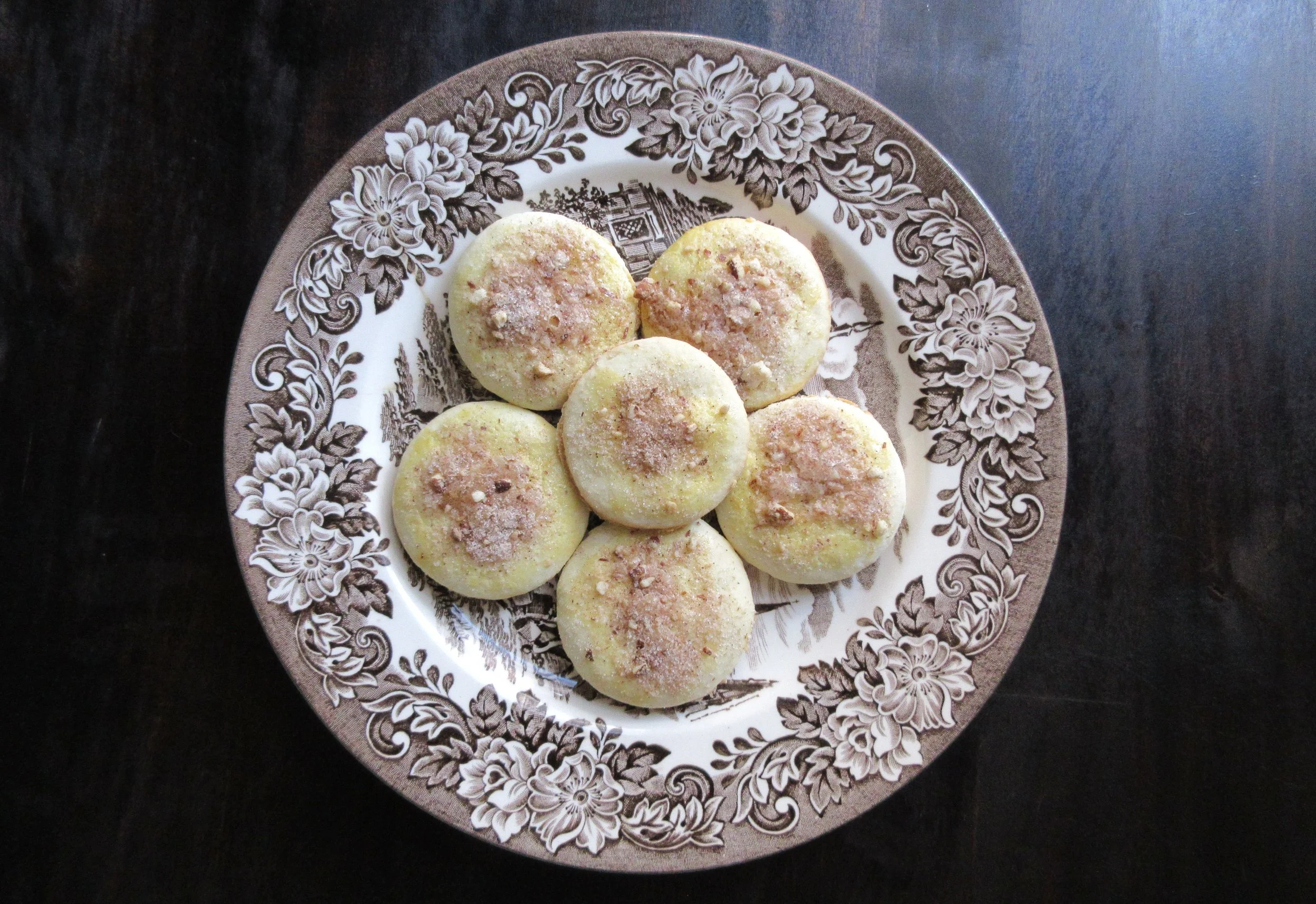
Cup Cookies
Cu p Cookies are a milk, lemon and sugar cookie with an almond, sugar & cinnamon topping sprinkled on top. This recipe is from Aunt Babette’s Cook Book from 1889, and its leavening agent is Ammonium Bicarbonate or Baker’s Ammonia
I’ve chosen this recipe because for the last 2 years, my Ammonia Cakes recipe has been my most popular post by far. This tells me that there’s an appetite for research and recipes using Baker’s Ammonia, but I’m torn, because Ammonia Cakes is not a delicious recipe at all! I had to make a second recipe, Icing for Cake to save the Ammonia Cakes so they were edible and they didn’t end up in the compost.
Cup Cookies are a much more delicious ammonium bicarbonate cookie. Stick with this recipe for the deliciousness, but head over to Ammonia Cakes for a bit of history about Baker’s Ammonia.
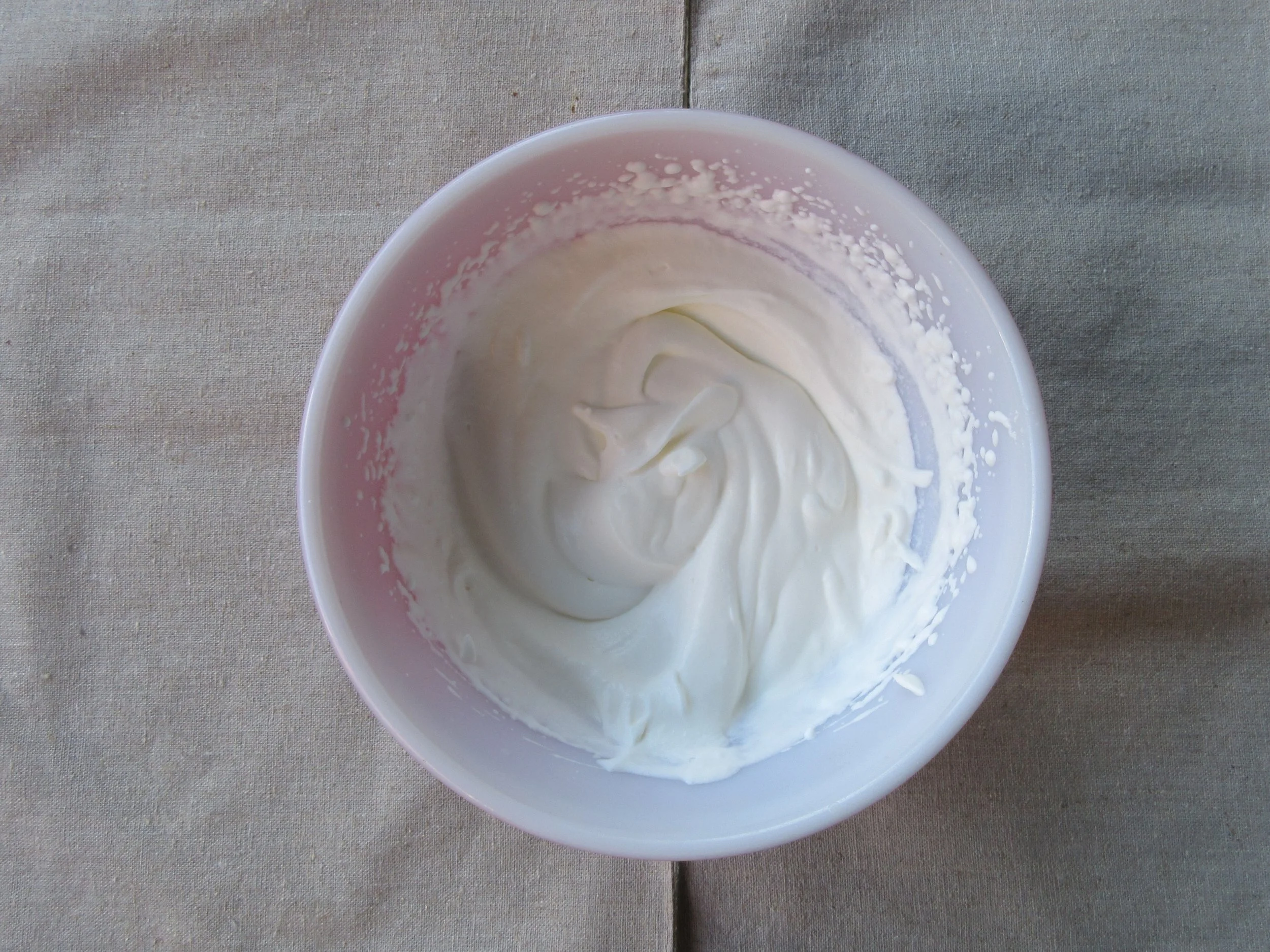
Peppermint Whipped Cream
Along with Marshmallow Mint Sauce, Peppermint Whipped Cream is one of the suggested toppings for the Chocolate Mousse recipe from the 1927 cookbook Electric Refrigerator Recipes and Menus. With only two ingredients, Peppermint Whipped Cream is tasty and easy to make and is a delightful topping for the frozen mousse.
Written by Alice Bradley of the Boston Cooking School, Electric Refrigerator Recipes and Menus was a helpful resource for housewives who welcomed a General Electric Monitor Top Refrigerator into their kitchen. The Monitor Top was the first household electric refrigerator that was affordable for the middle class and it was advertised as a healthier, time-saving and money-saving option than ice refrigerators.
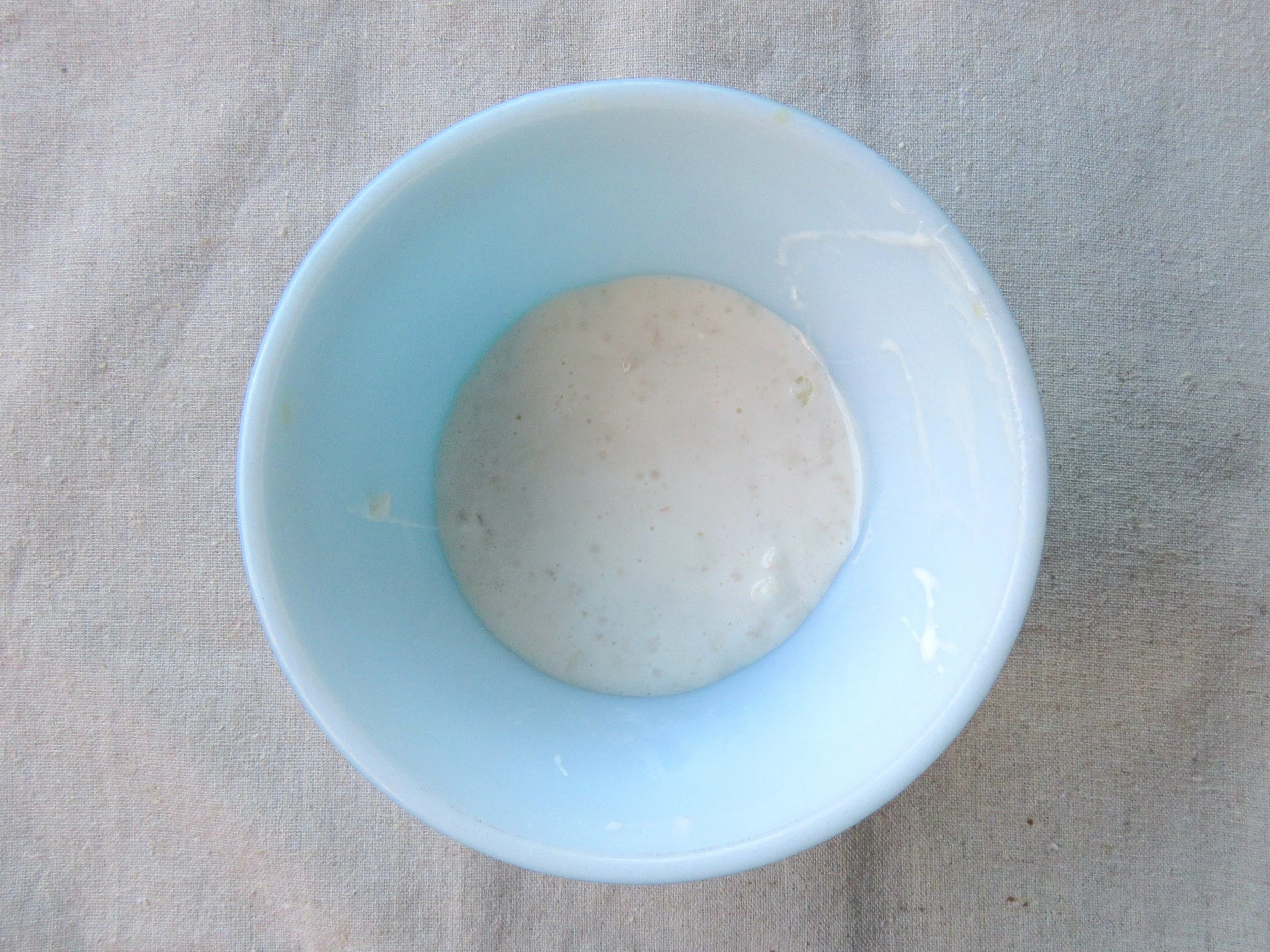
Marshmallow Mint Sauce
Marshmallow Mint Sauce is found in the Ice Cream Sauces chapter of the 1929 cookbook Electric Refrigerator Recipes and Menus, which contained “Recipes prepared especially for the General Electric Refrigerator”.
This minty sauce is a homemade peppermint-flavoured, albeit less fluffy, marshmallow fluff meant to top the Chocolate Mousse recipe from the same cookbook. It has a very sweet and candy-like flavour that I really enjoyed despite not having much of a sweet tooth. Keep scrolling after the recipe to read a brief history of the marshmallow and find out the roots of some common marshmallow recipes.
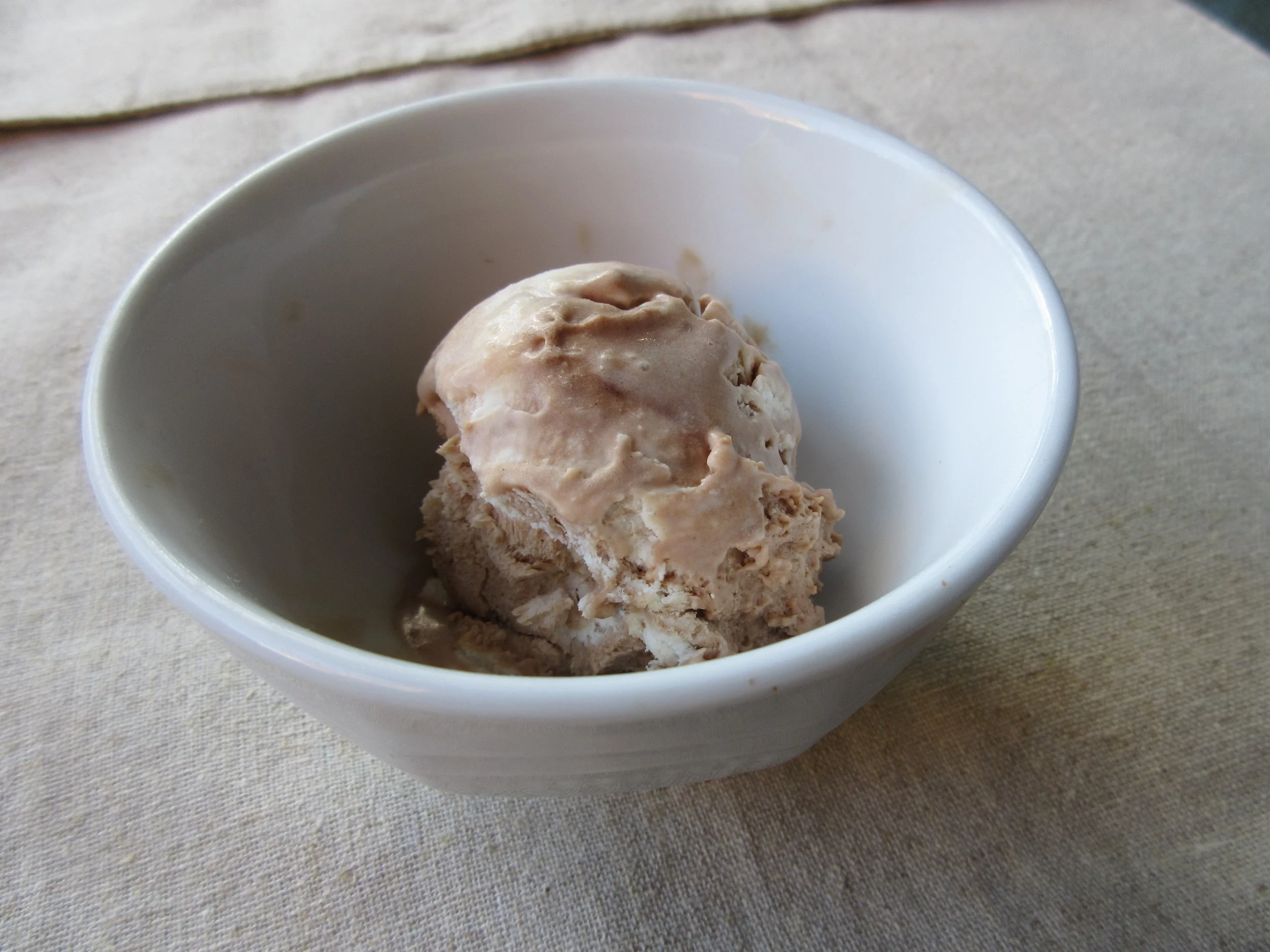
Chocolate Mousse
This Chocolate Mousse recipe comes from Electric Refrigerator Recipes and Menus, a 1929 cookbook written by Miss Alice Bradley that was put out by General Electric to help housewives learn how to use their newfangled kitchen appliance, the freezer.
The mousse is mild and refreshing, but my batch ended up being more similar to an ice cream than a mousse, probably because my freezer is much more efficient than a 1929 “chilling unit”. Still delicious, anyhow. I’ve also made recipes on this blog for Marshmallow Mint Sauce and Peppermint Whipped Cream from the same cookbook.
Keep reading after the historic recipe and my recipe interpretation to learn about an accessory that commonly was included with early refrigerators: the Refrigerator Pan.
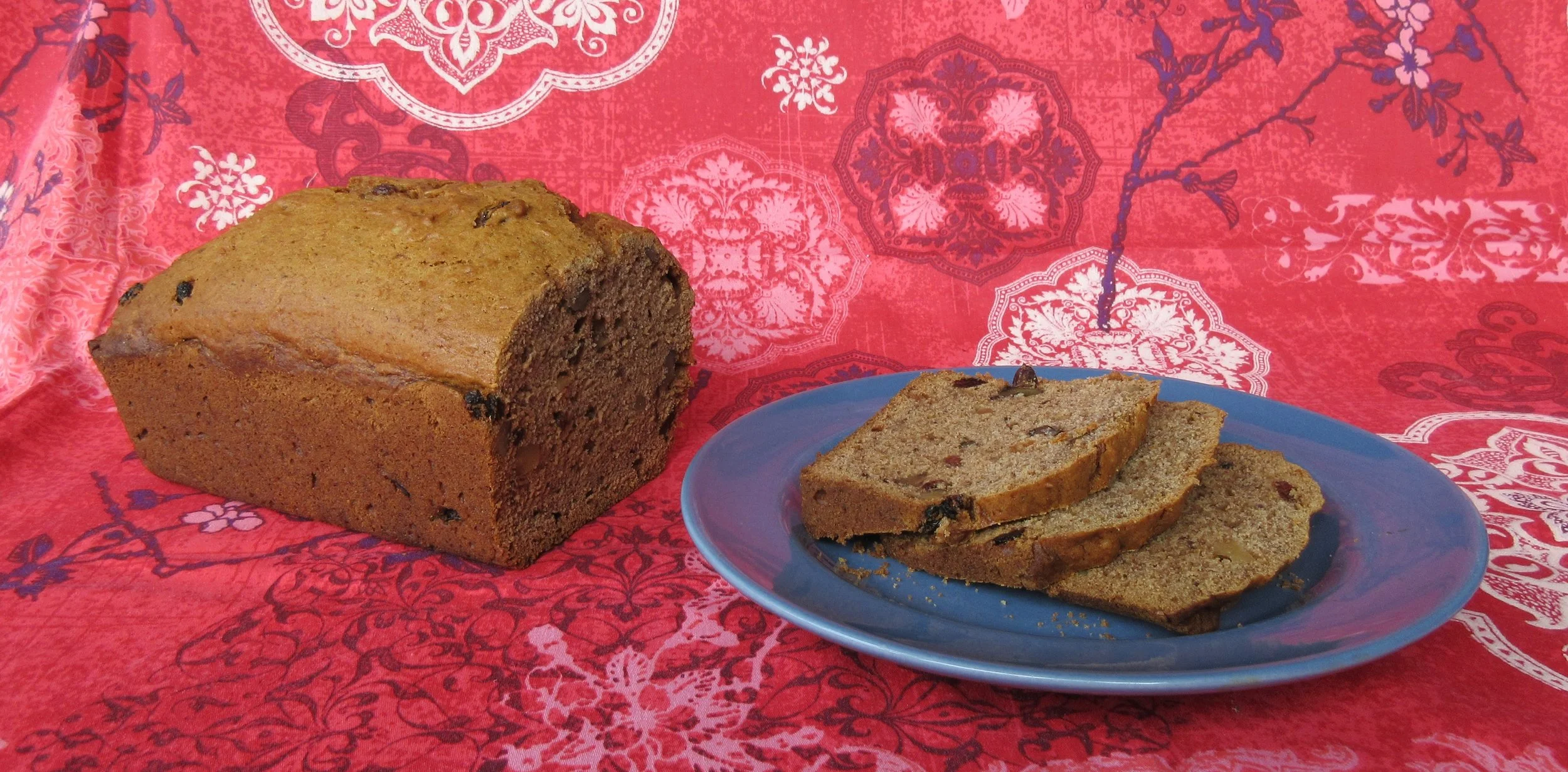
Apple Sauce Cake
Apple Sauce Cake is a dairy-free apple & spice loaf, which has a dense but moist consistency. This recipe contains walnuts and raisins, but you could certainly swap in nuts, seeds and dried fruits of your choice. This recipe is from the 1946 cookbook A Modern Kitchen Guide, which was published in Chicago, but distributed by Farmer’s Advocate magazine based out of London, Ontario, Canada. Have a read to find out more about this free cookbook/promotional vehicle that ended up in kitchens all over Canada and the United States.
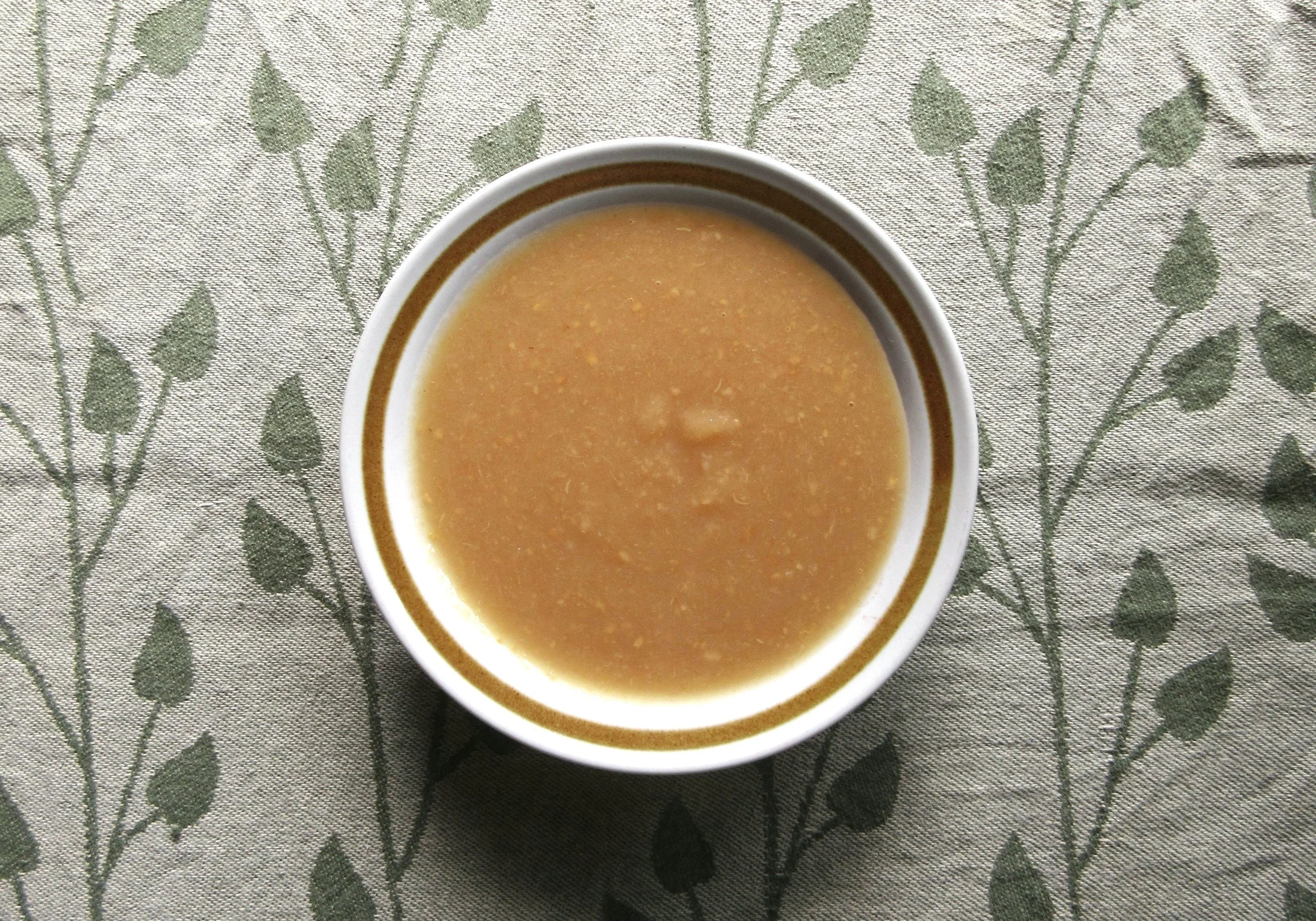
Boiled Cider Apple Sauce
Welcome to the annual Apple Season here on my blog! From late July to the end of August, we are barraged with apples from the apple tree that hangs over into our back yard, so I usually do a couple of apple recipes this time of the year.
I’ll bet you can guess the ingredients in Boiled Cider Apple Sauce: apples and apple cider. This 1877 recipe from Buckeye Cookery and Practical Housekeeping creates a flavourful apple sauce with no added sugar or spices.
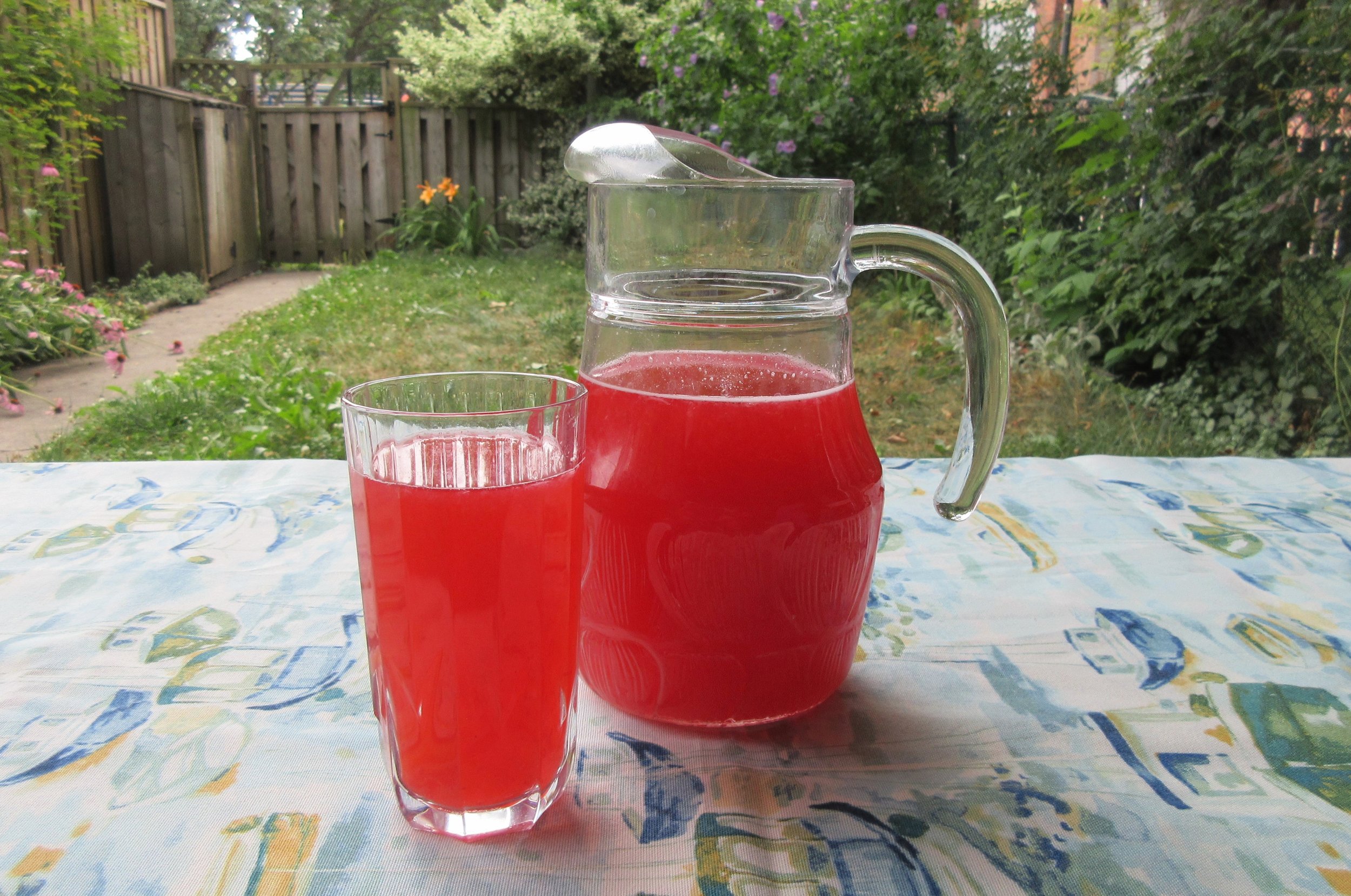
Freſh Raſpberry Water
Fresh Raspberry Water is a refreshing beverage with a zip. We made it at a historic cooking class that I taught last July at Nelles Manor Museum http://nellesmanor.ca/ and I remember that it was very satisfying to drink after cooking over an open hearth on a hot summer day.
It’s a simple recipe. Remove the raspberry seeds with a sieve, then add lemon juice, white sugar and water. I pulled this gem of a recipe from the 1790 cook book The Complete Confectioner by Frederick Nutt.
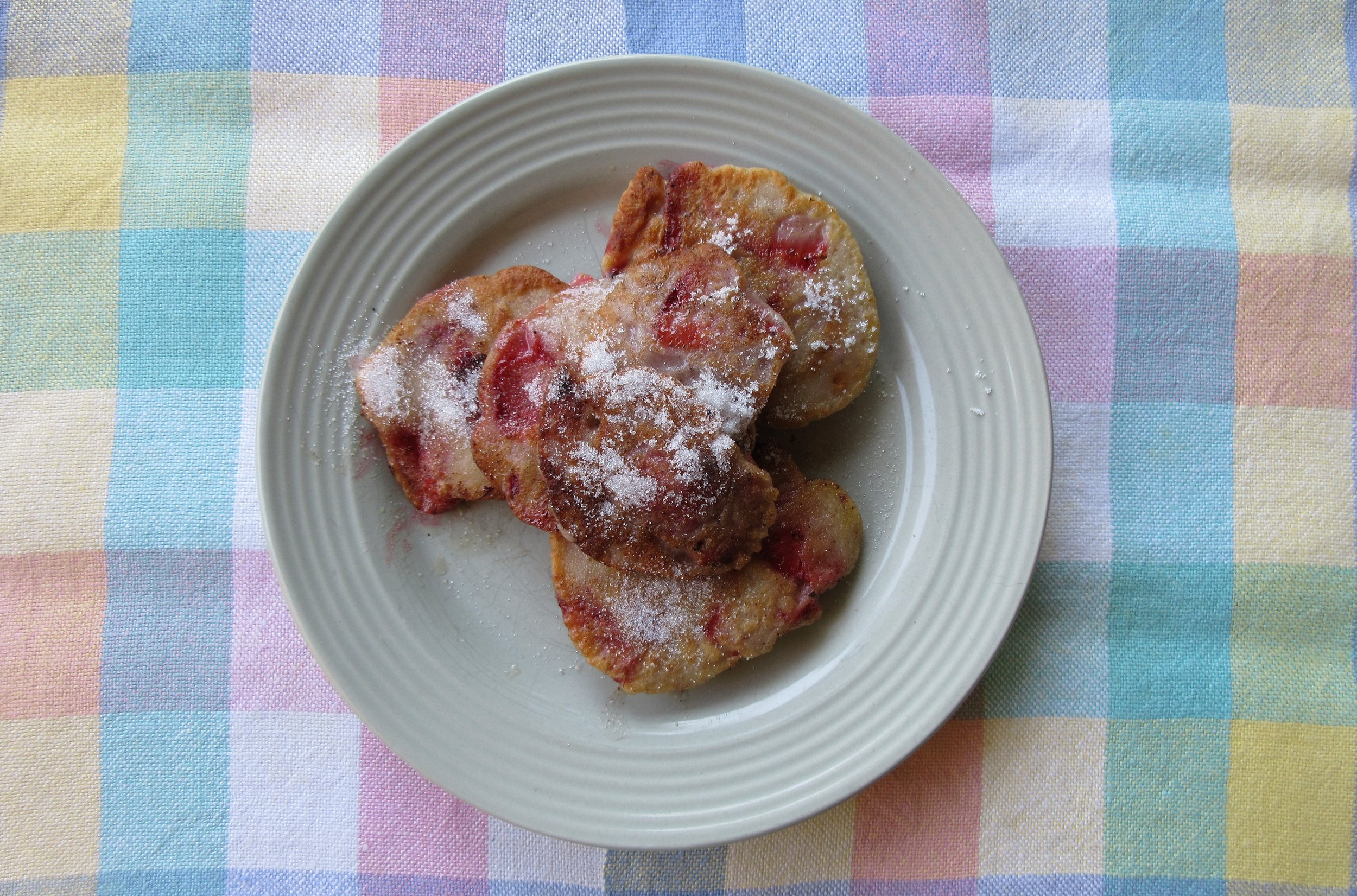
Strawberry-fritters
Strawberry-fritters is one of the recipes that we made at an open hearth cooking class that I taught at Nelles Manor Museum http://nellesmanor.ca/ last summer. This class featured scrumptious seasonal recipes made with garden produce and recipes from the late 1700s, when the home was newly built by the Nelles family.
I learned when I made Apple Frazes that adding a bit of alcohol to your batter is a good idea, so I made a batch for a socially distanced outdoor Canada Day gathering. They taste like fried strawberries and white wine and I liked them so much that I wanted to make the recipe again here on this blog and share it with all of you!
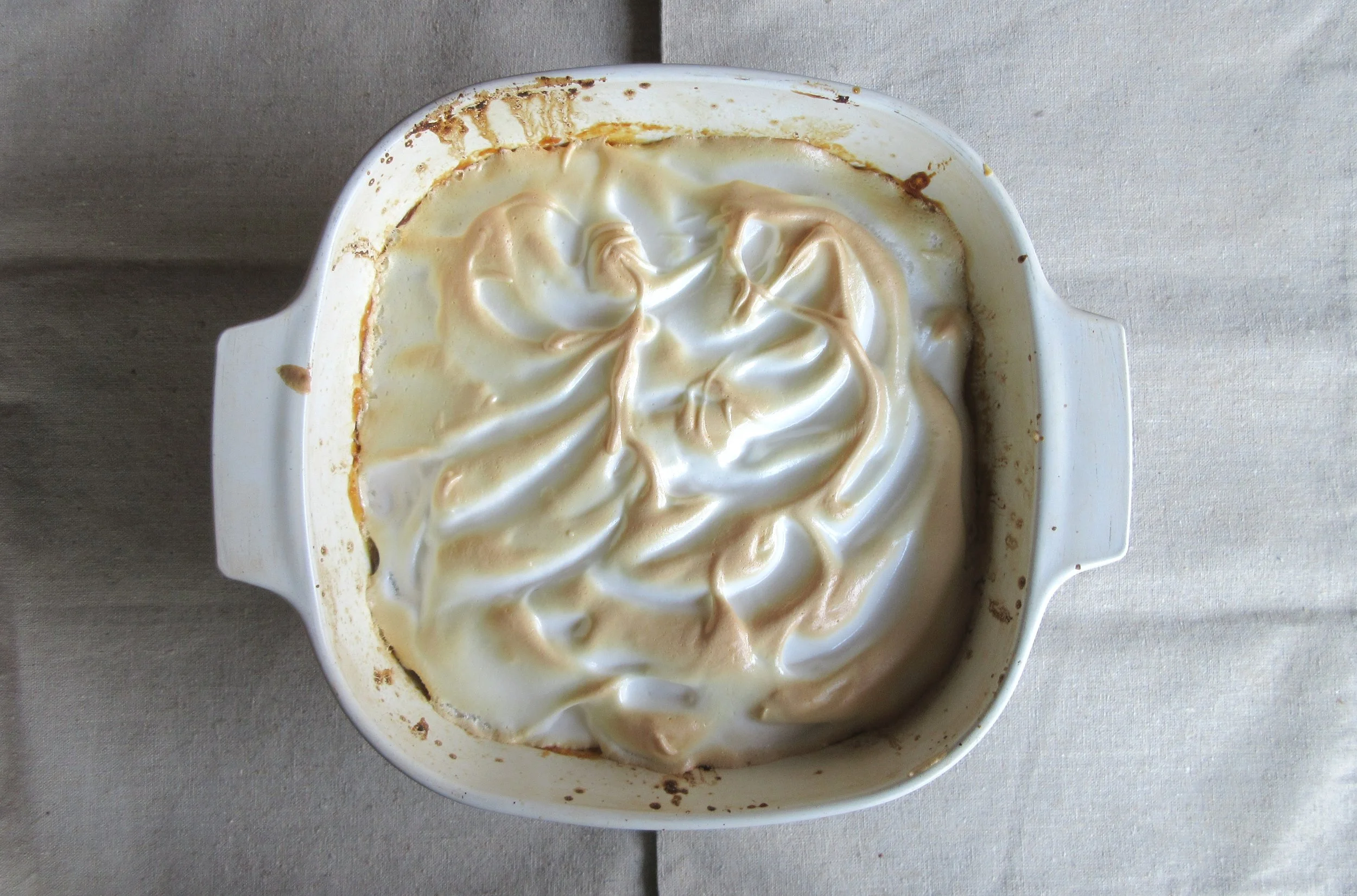
Queen of Puddings
Queen of Puddings comes to us all they way from Toronto in 1877. The Home Cook Book is Canada’s first community cookbook with recipes contributed by women as a fundraiser for The Hospital for Sick Children. Queen of Puddings must have been popular in Toronto in the late 1870s because this recipe (with various names) was submitted by 5 different women to the Puddings chapter of the book!
I had plenty to share with friends & family and I described it to the people I gave it to as a lemony soufflé bottom with a jam layer and meringue on top. The reviews I received were: no response, that it was delightful and “it was very good and had a unique texture.”
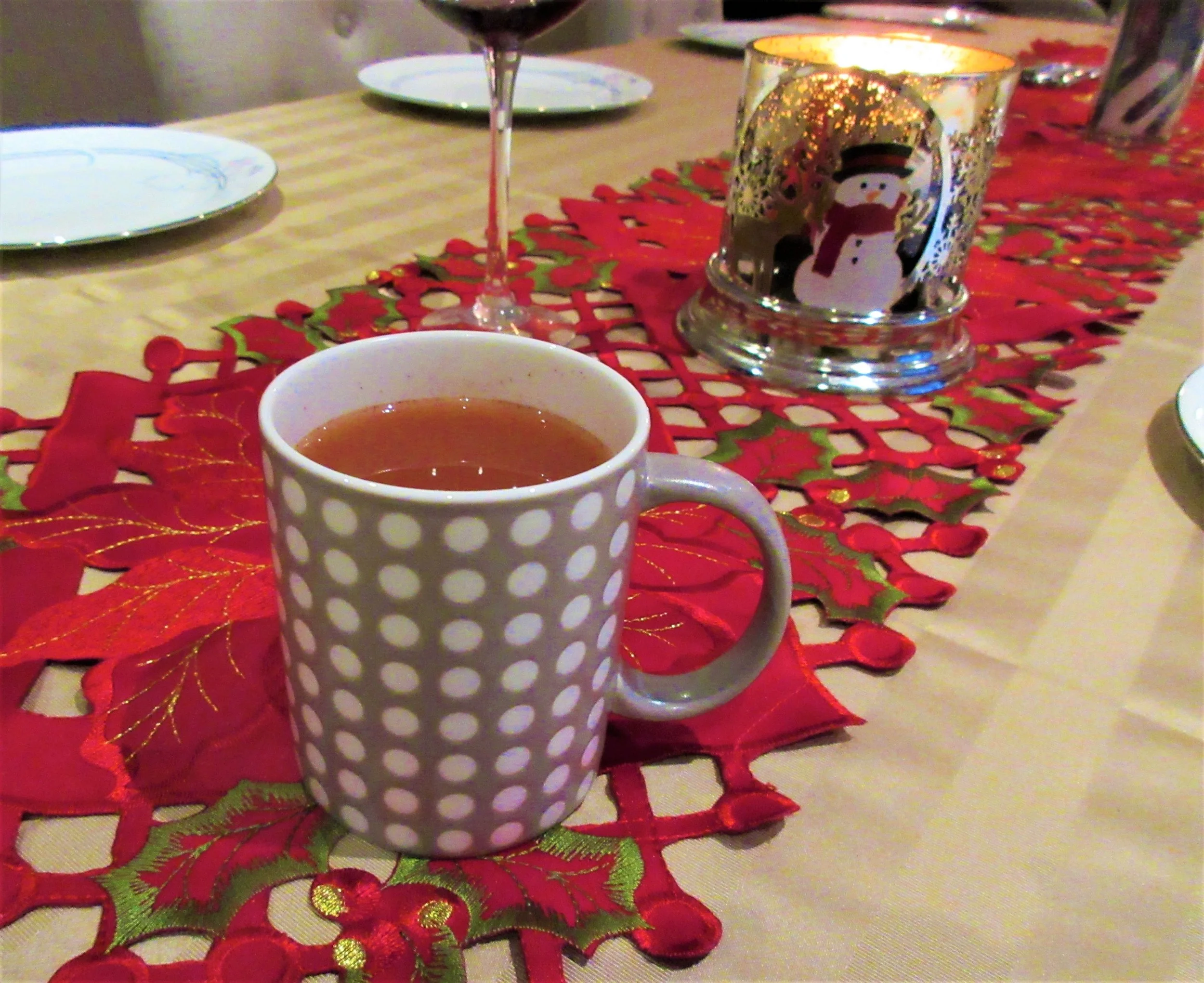
Hot Crabby Punch
Hot Crabby Punch is a warm mulled apple cider and cranberry juice punch with cinnamon, cloves and allspice. The recipe’s got such a cute name because it’s from the 1977 The ideals Junior Chef Cookbook, which is from the first cookbook I’ve ever owned, given to me by my aunt and uncle on my 7th birthday.
I made Hot Crabby Punch for my family when we celebrated Christmas together at my brother’s house. They seemed to like having Hot Crabby Punch around, so maybe making mulled warm beverages will become a new Christmas tradition. The most sound-bite friendly review was coined by my niece: “Tastes like pie!” I was told “That punch is good, Julie” a few times, “It would be good with vodka” and also “I don’t normally like warm beverages that much, but I liked it”.
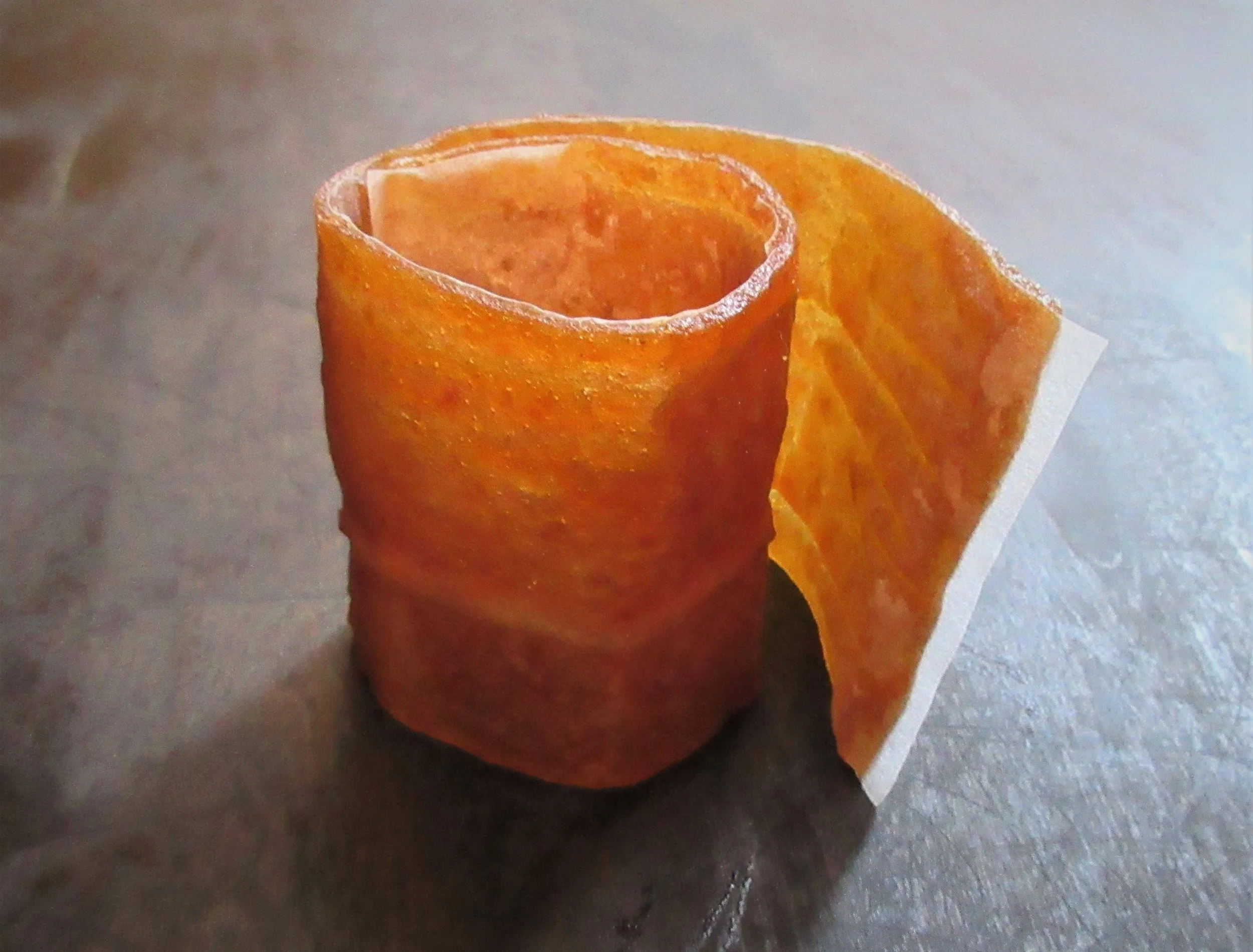
Apple Leather
If you have a look at all the recipes in the “Fruit” category on this blog, you’re going to notice that most of my fruit recipes feature apples. I just did the math, and as of today, we’re talking 62.5% of my fruit recipes. Here’s the reason why: when we moved into our current home in Hamilton, we didn’t realize that the giant tree in our backyard was in fact a very prolific old apple tree!
August is my unofficial Apple Month, when I try to keep as many apples out of the compost bin as possible. Do you want cooking apples next summer? Let me know if you do and they are yours! This Apple Leather recipe is from one of the Victorian cookbooks that I turn to again and again, Miss Leslie's Directions for Cookery from 1851.
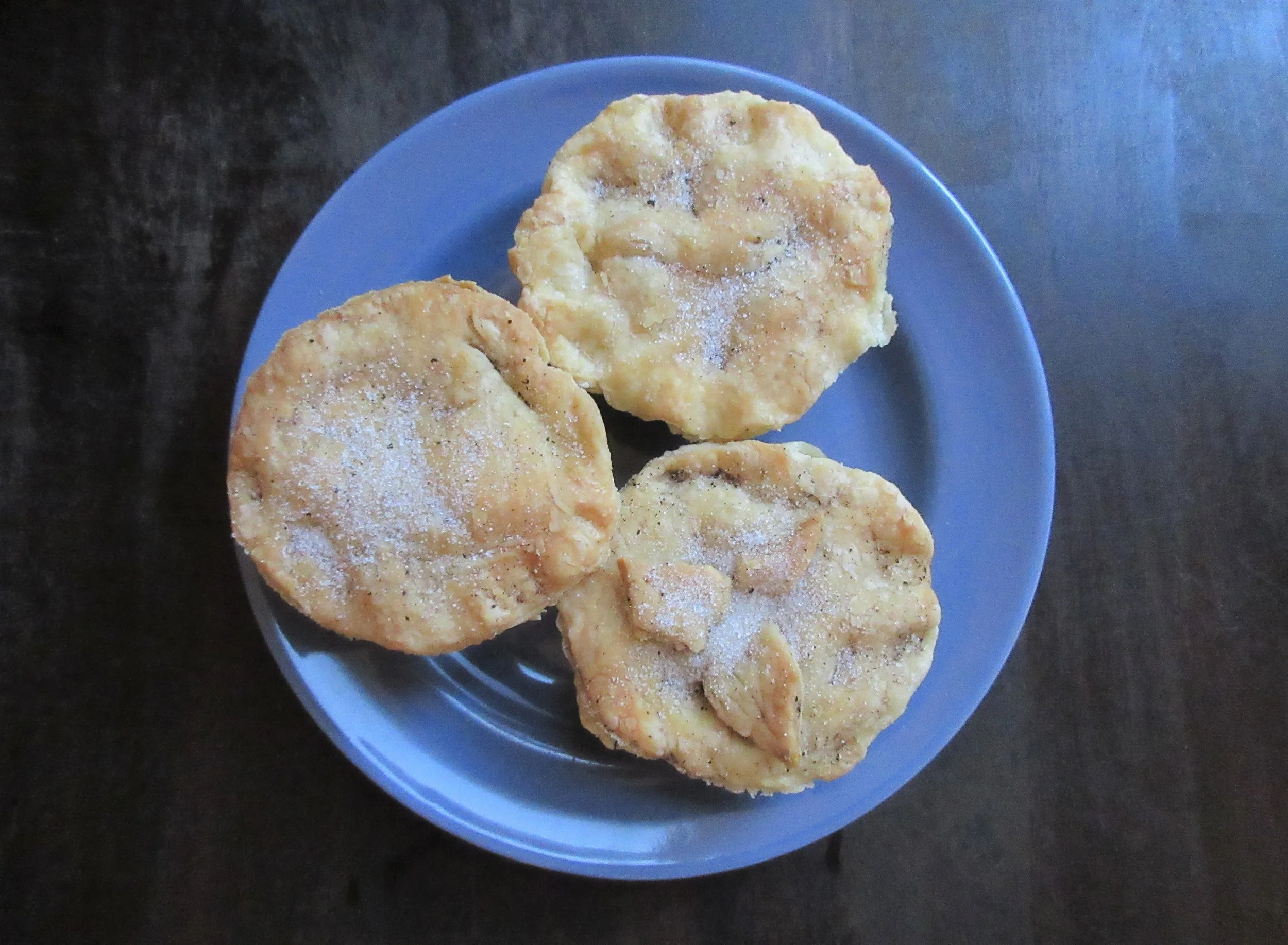
To make fine pippen Tarts
To make fine pippen Tarts is a handwritten recipe from an early 1700s English manuscript in the University of Pennsylvania Libraries. It’s a recipe I’ve wagered in the battle to use up apples from the gargantuan apple tree in my back yard, and also a recipe that was interpreted in 2017 on the food history blog Cooking in the Archives.
On this blog, Dr. Marissa Nicosia recreates Early Modern recipes from 1500- 1800 for the contemporary kitchen, and she is also one of my most enthusiastic supporters on twitter! You’ll find Cooking in the Archives at https://rarecooking.com/ and on twitter and Instagram as @rare_cooking.
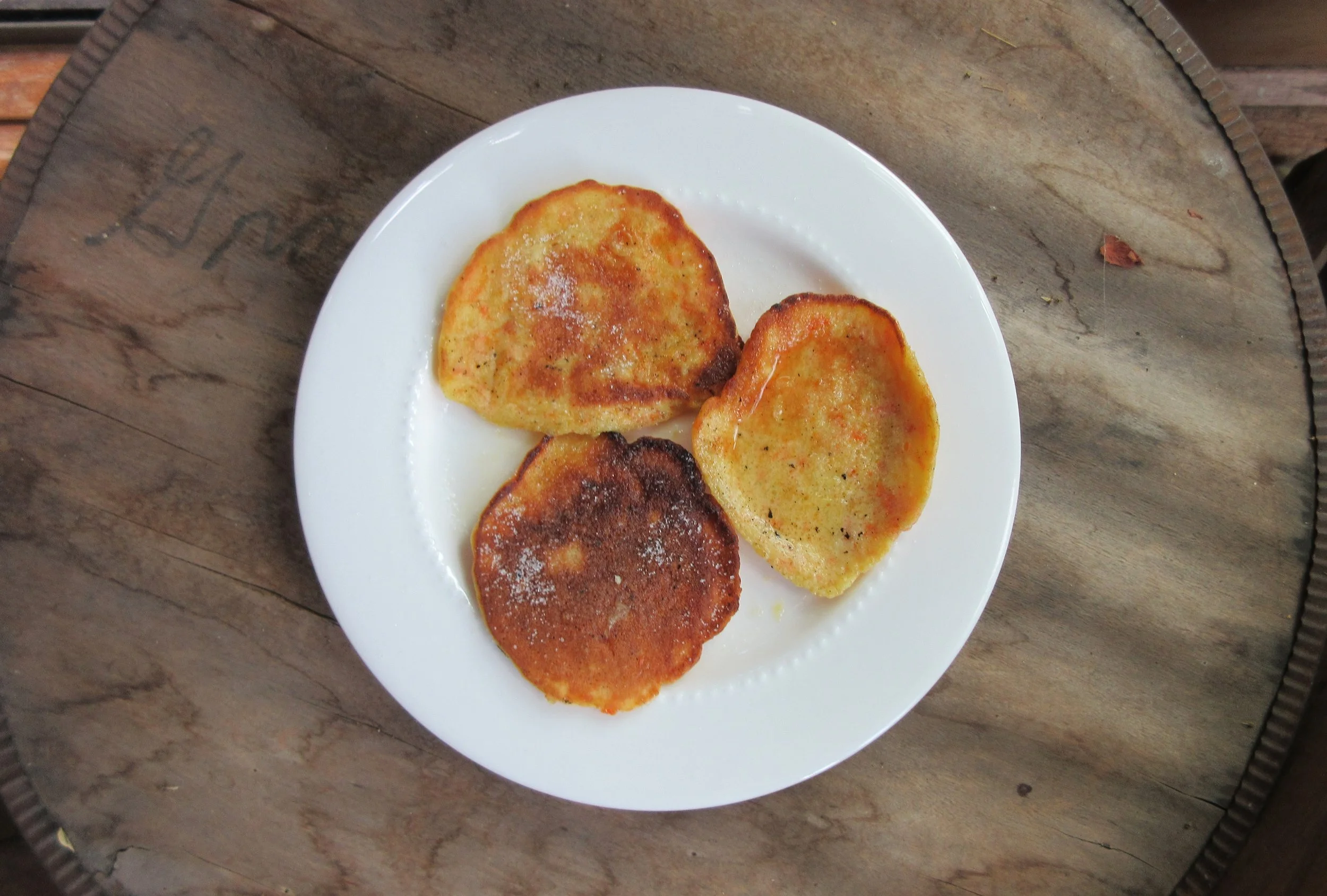
Carrot Fritters
Carrot Fritters are very delicious, but they taste like oranges, not carrots. I think sneaky parents of picky eaters could blenderize the carrots very smoothly, call them Orange Pancakes and use this recipe to get some vegetables into their kids.
I made this recipe from the 1787 The Lady’s Assistant for Regulating and Supplying the Table at a recipe testing day at Nelles Manor Museum in Grimsby, Ontario. I’ll be teaching 3 open hearth cooking classes on July 28 & 30 at Nelles Manor and as of today, there are still tickets available for all three classes.
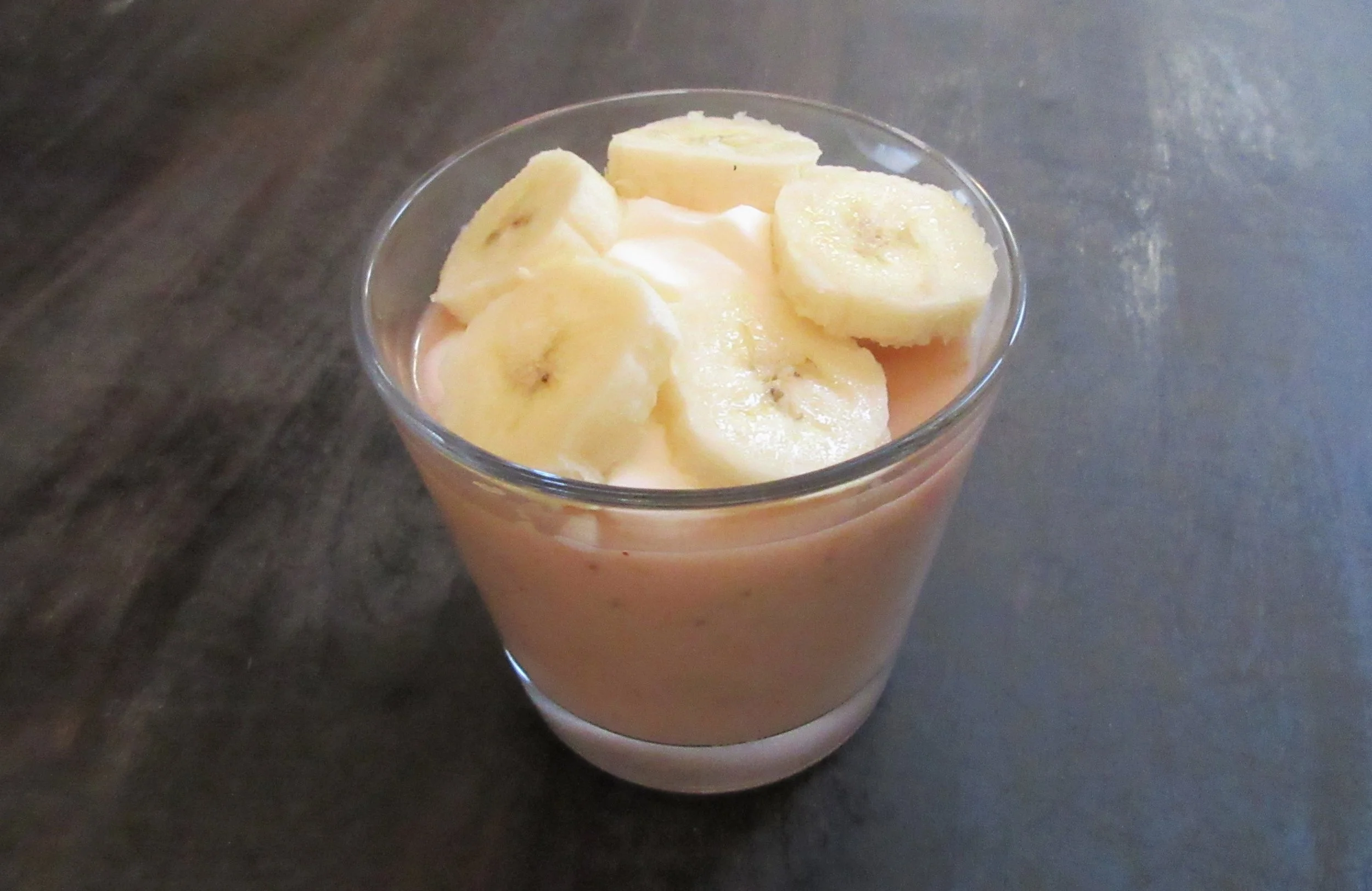
Rhubarb and Banana Fool
One evening recently, I found myself driving home from visiting my Mom with a small harvest of fresh rhubarb from her garden in the passenger seat. Basically as soon as I set foot in my door, I searched for a historic rhubarb recipe that wasn’t Rhubarb Jam, Stewed Rhubarb or Rhubarb Pie (the things I do for fun!).
Rhubarb and Banana Fool, from the 1900 cookbook Mrs. Beeton’s Cold Sweets, was the most intriguing to me. A good description of this recipe in today’s terms would be a low-sugar banana and rhubarb smoothie, with a suggested whipped cream topping.
This recipe got me to start thinking about a few things: what immediately sprang to mind was one of my Father-in-Law’s favourite stories to tell first time he ate a banana in the 1950s. It’s a funny tale, so be sure to keep reading for a chuckle.
Discovering the Rhubarb and Banana Fool recipe also made me wonder: “When did people start eating bananas in North America?”, so I delve into answering that question by having a look at American and Canadian cookbooks.
You’ll also find a bit of bonus info about Cochineal, an insect used as a red dye. At the end, I briefly run over the beginnings of the banana growing industry in the Americas, and the grave injustice of the more-delicious Gros Michel banana becoming almost wiped out by disease, to be replaced by our less-tasty Cavendish bananas that we eat today.
Icing for Cake
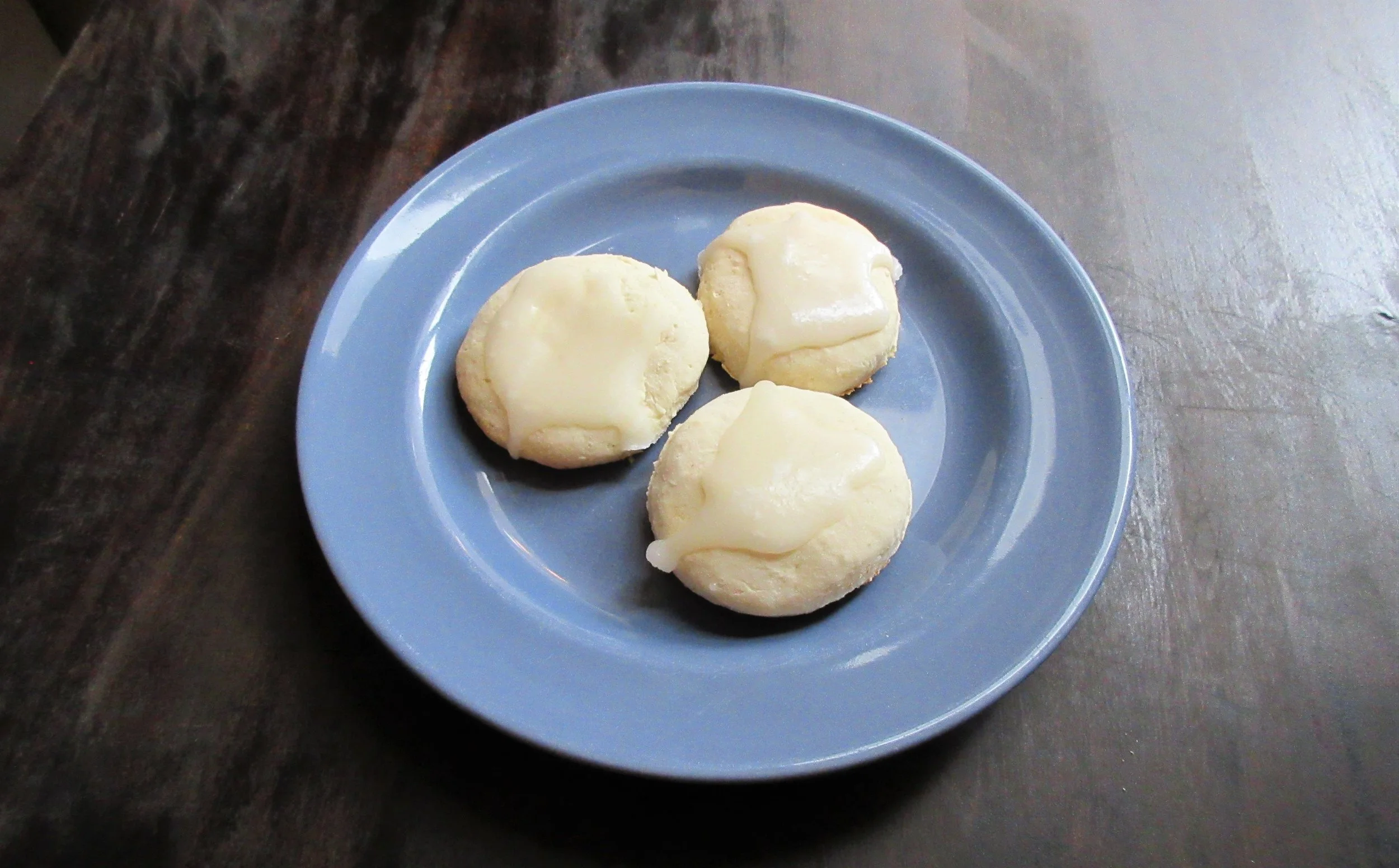
Icing for Cake saved the day when I had about 5 dozen bland Ammonia Cakes that needed some extra pizzazz! Both Ammonia Cakes and Icing for Cake are found in the 1898 The New Galt Cookbook, which is a community cookbook compiled not far from where I grew up and where I live today. Icing for Cake is a simple white sugar and milk icing that hardens within minutes and you could drizzle it on cakes, cookies, donuts or squares.
If you do want to make a cookie using Baker’s Ammonia as the leavening agent, I really do suggest baking Cup Cookies instead. It’s just a more flavourful cookie!
Ammonia Cakes
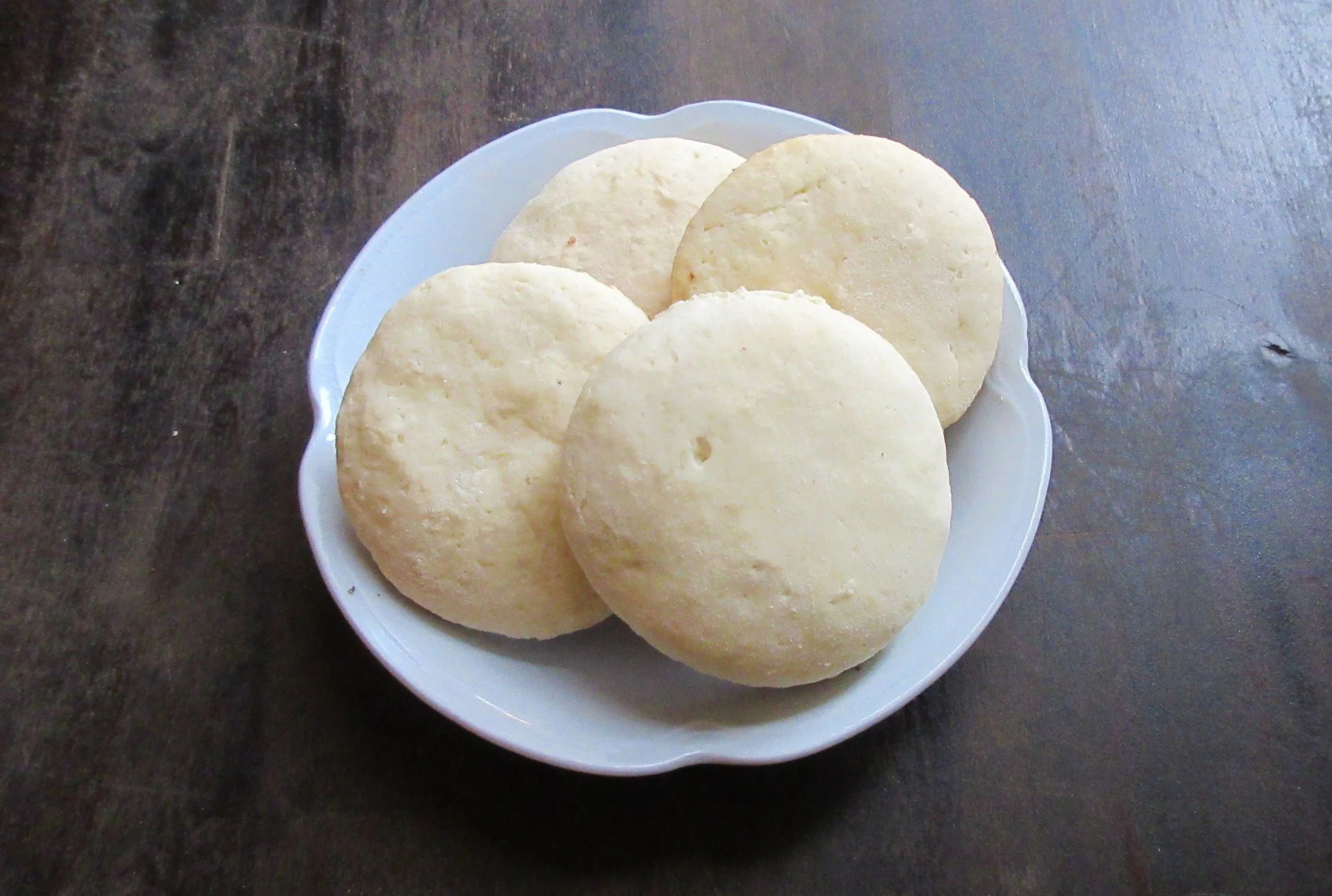
Ammonia Cakes: probably the least appetizing cookie name that I’ve ever come across. These cakes use ammonium bicarbonate (baker’s ammonia) as the leavening agent and I assure you that they don’t taste like ammonia, but they will temporarily stink up your kitchen like cat urine while they bake!
Ammonia Cakes fall on the bland side of the cookie spectrum, so I was lucky to find the recipe Icing for Cake in the same recipe book and I iced them the next day.
If you do want to make a cookie using Baker’s Ammonia as the leavening agent, I really do suggest baking Cup Cookies instead. It’s just a more flavourful cookie!
Cawdel of Almaund Mylk
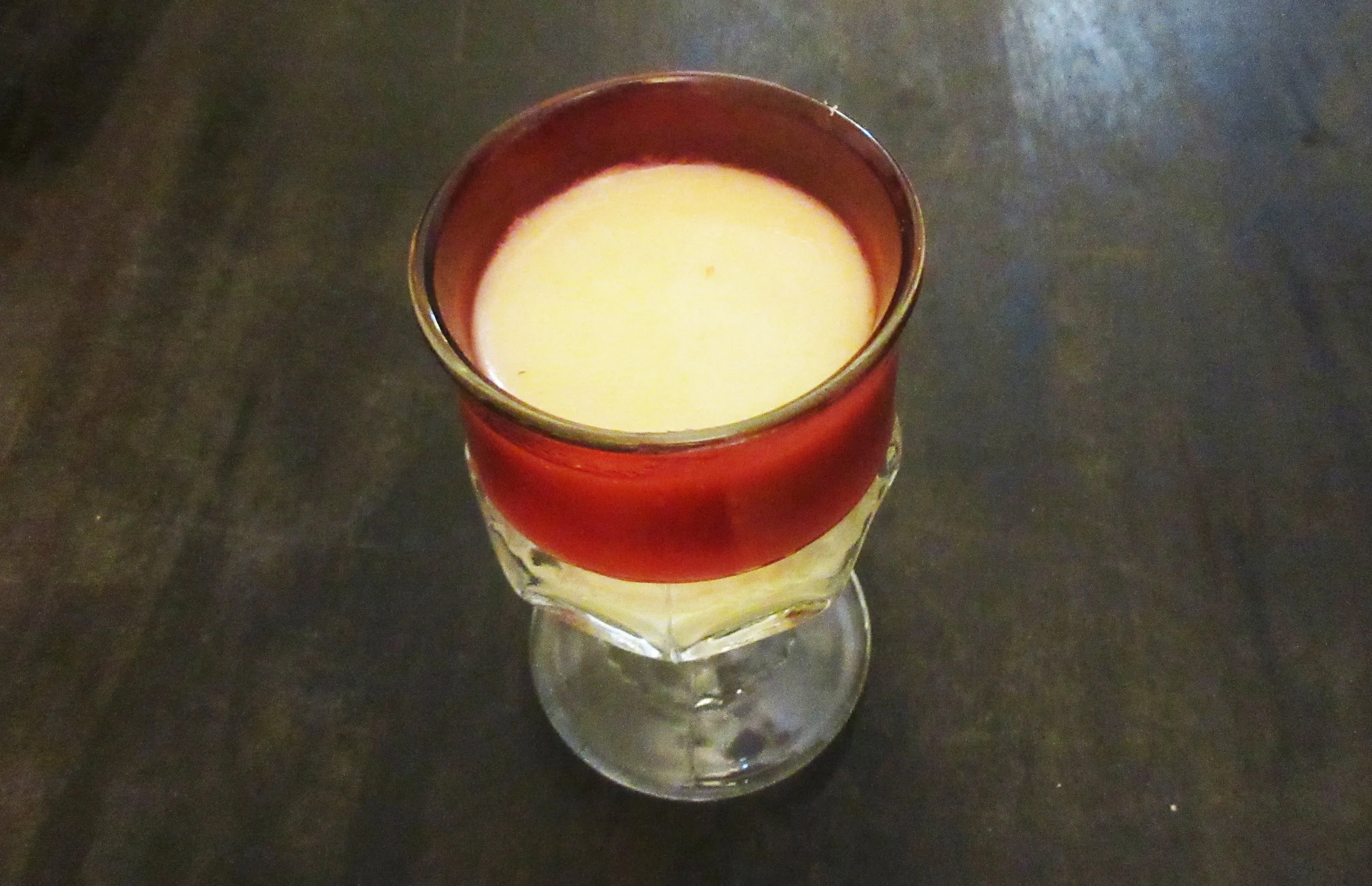
Cawdel of Almaund Mylk is a rather boozy and thick warm beverage that is slightly silty. It's made with white wine, ground almonds, sugar and ginger. This is a drink that you'll want to sip and be prepared for a strong alcohol taste, but if you are vegan and miss drinking eggnog, this is a recipe that you may want to try out.
So far, Cawdel of Almaund Mylk is the oldest recipe I've ever made on this blog. It is found in The Forme of Cury, which is a scroll of recipes written by the Master-Cooks of King Richard II in the 1390s. This is my first foray into Medieval Cookery, so I was surprised that many of its recipes contain almond milk! I did some research and found out that almond milk was a favourite of the British upper class in that era because there were many days in the Christian calendar when eating dairy was forbidden.
Honeycomb, or Roll Gingerbread
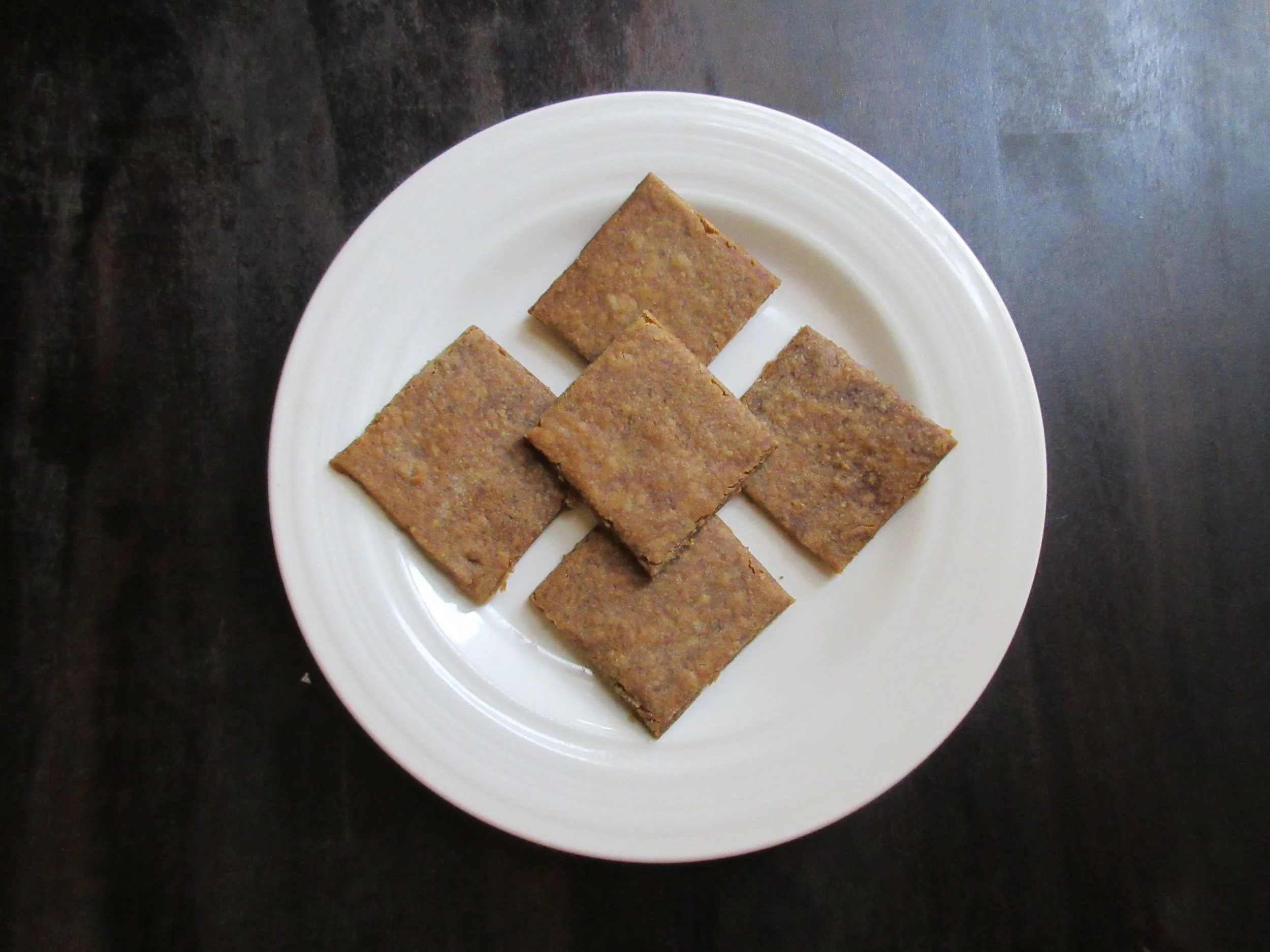
I was intrigued by this gingerbread cookie recipe from The Cook's Complete Guide (1810) – gingerbread cookies rolled like wafers! The historic recipe instructs us to "bake it gently; when hot cut it in squares, and while warm roll it over a stick, like wafers, till cold".
But yet, my gingerbread cookies that I created are flat squares. This is one of those occurences when a historic recipe doesn't turn out as expected the first time around (they instantly cracked and broke when I tried to bend them).This is a delicious lightly flavoured Lemon Gingersnap, so I recommend it, whether it is rolled or flat.