You’ll find this recipe in:
by A.B. of Grimsby
Toronto, 1840
Historic Recipe:
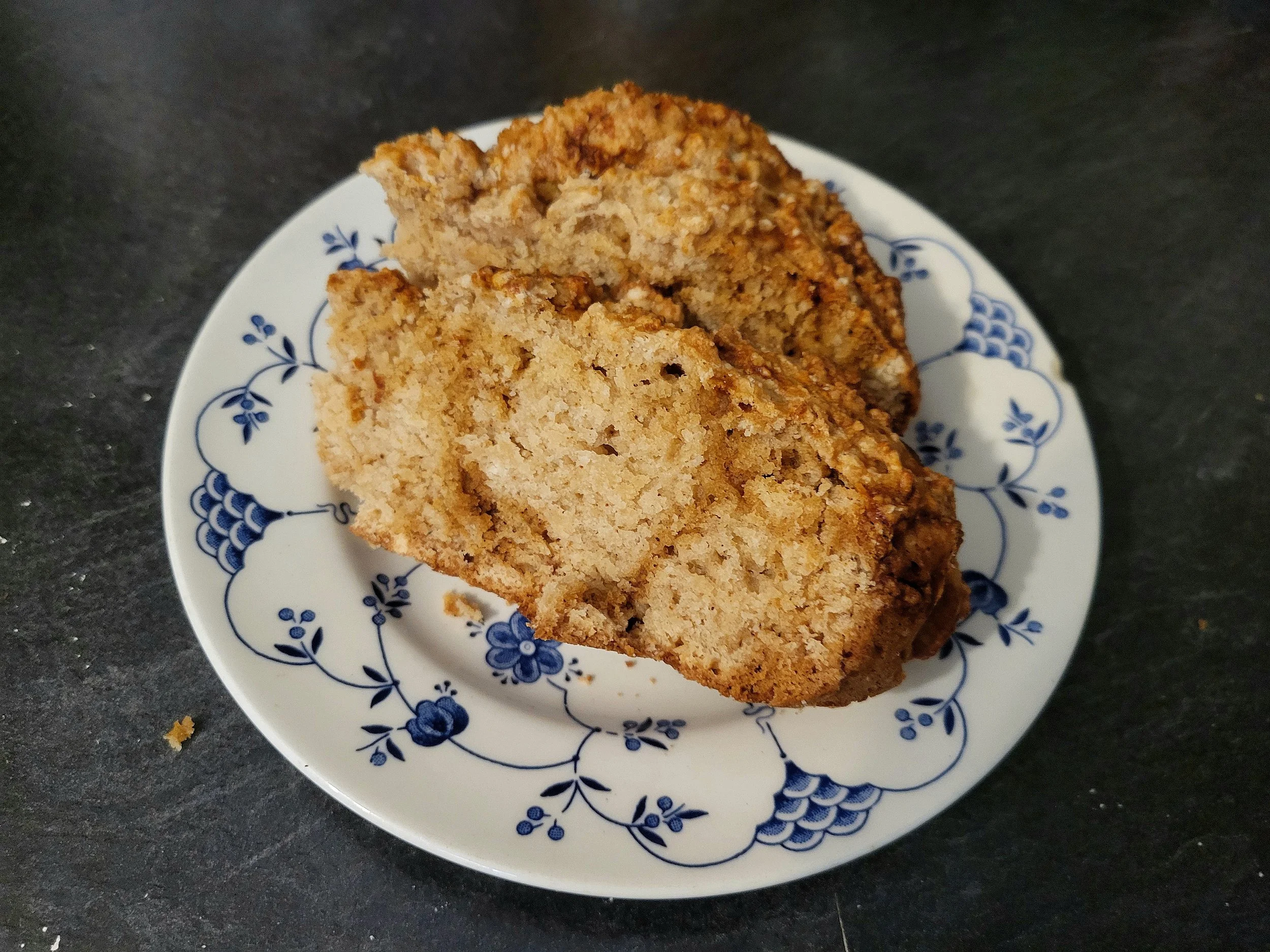
Cider Cake.
Take two pounds of flour, one pound of sugar, half a pound of butter, one pint of cider, cloves and cinnamon, with or without fruit, two teaspoonsful of saleratus; put the saleratus in the cider, and mix while foaming.
N.B.-As a general rule, every thing mixed with saleratus should be put in the oven immediately.
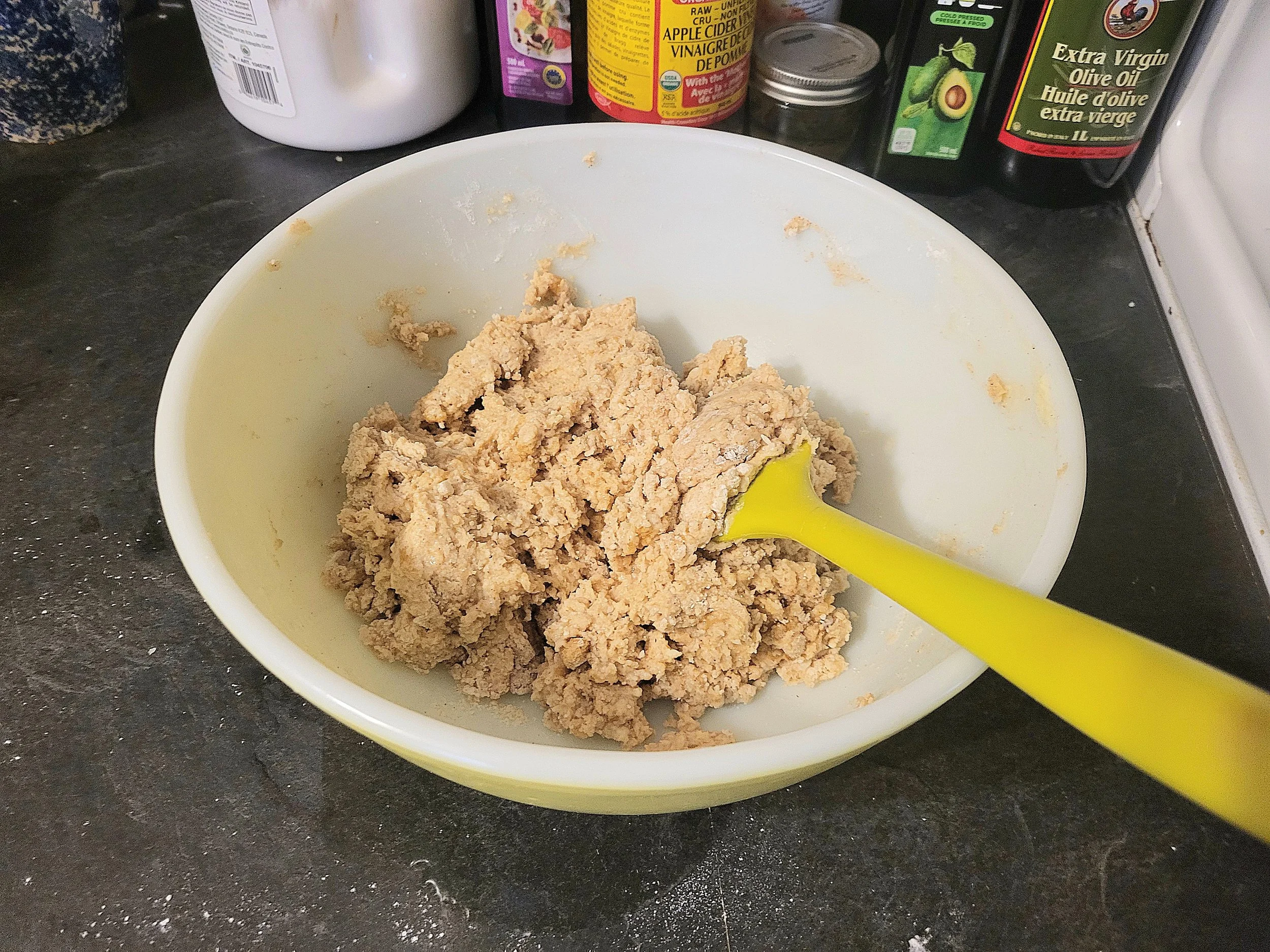
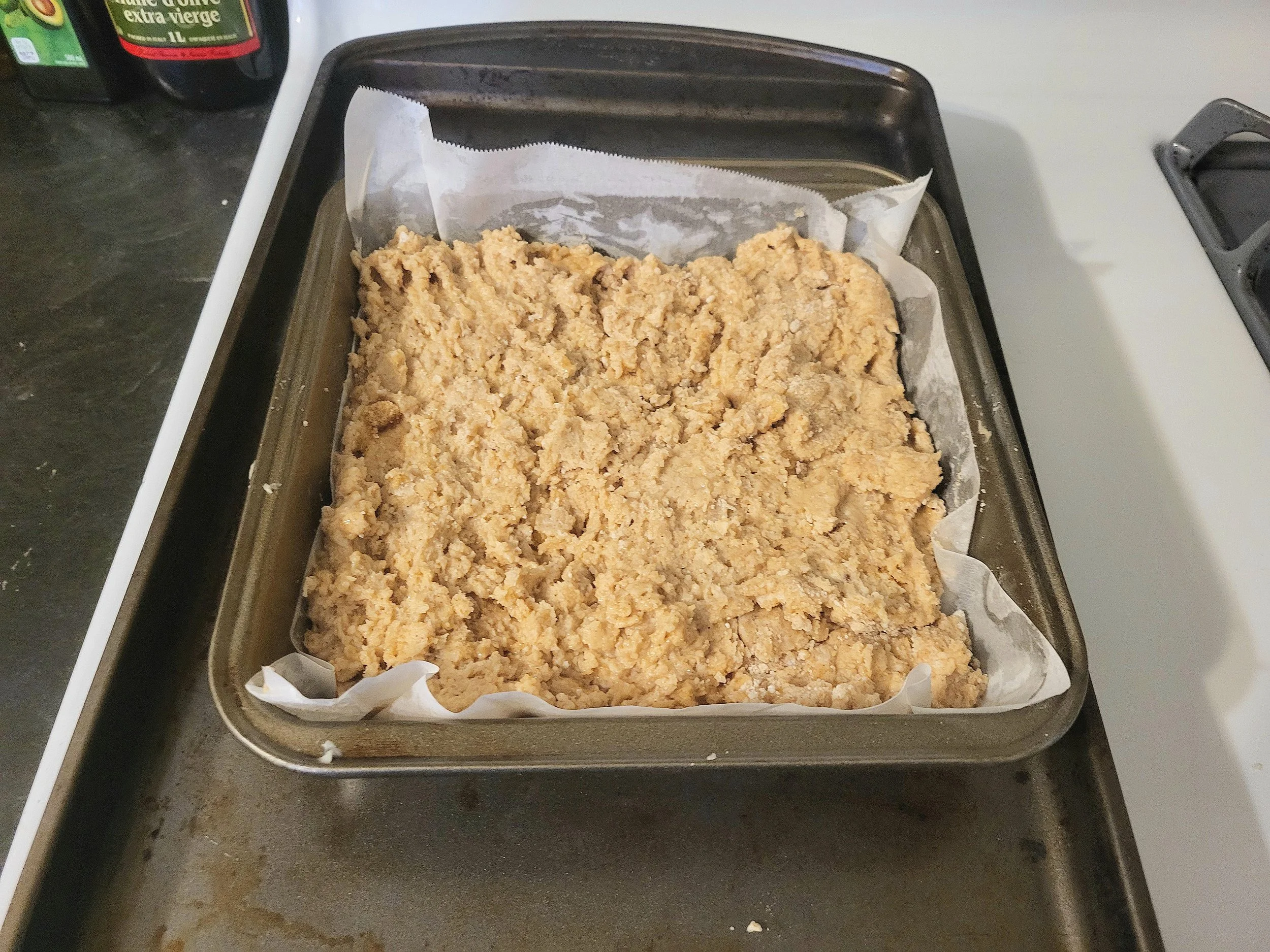
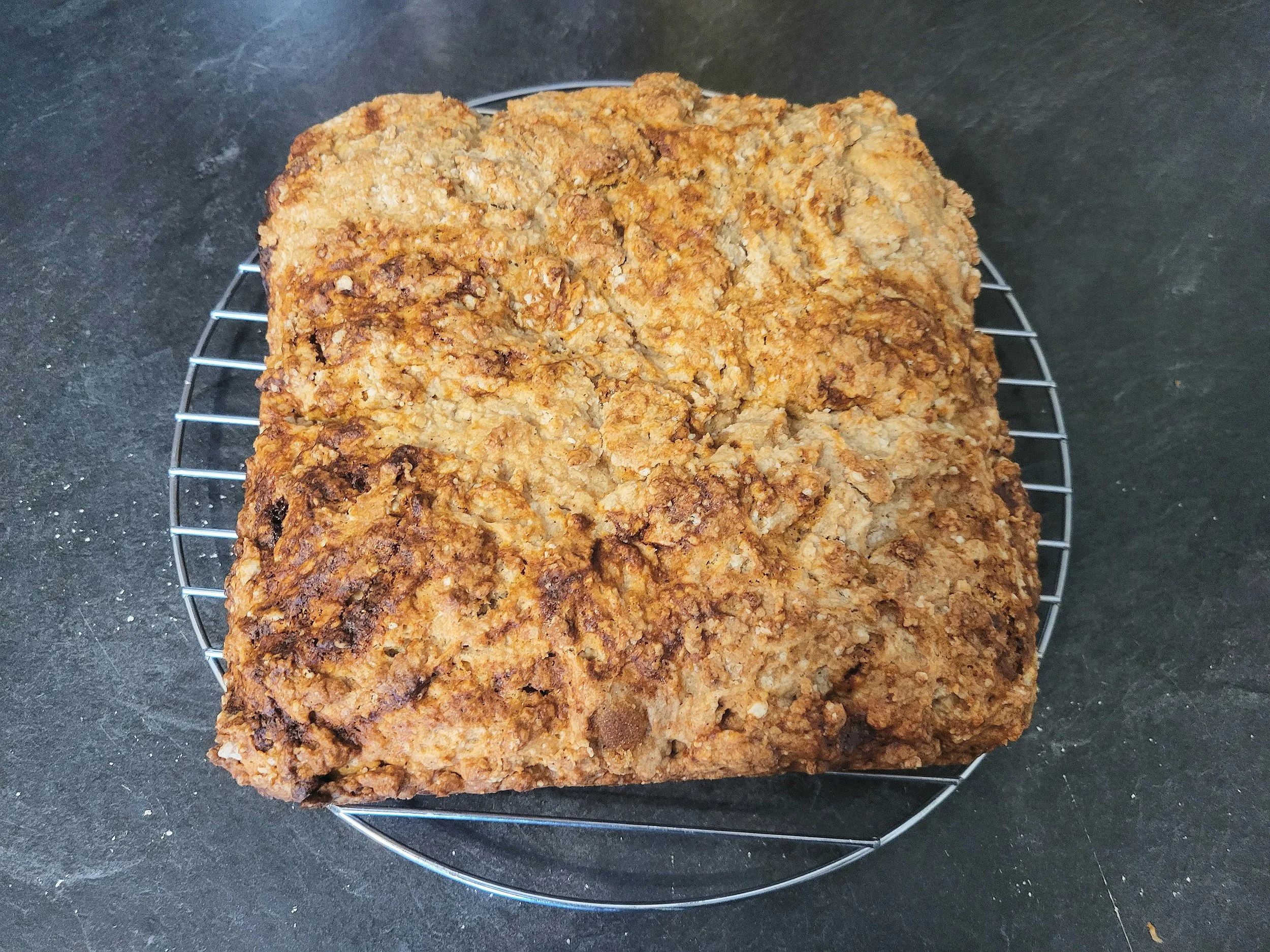
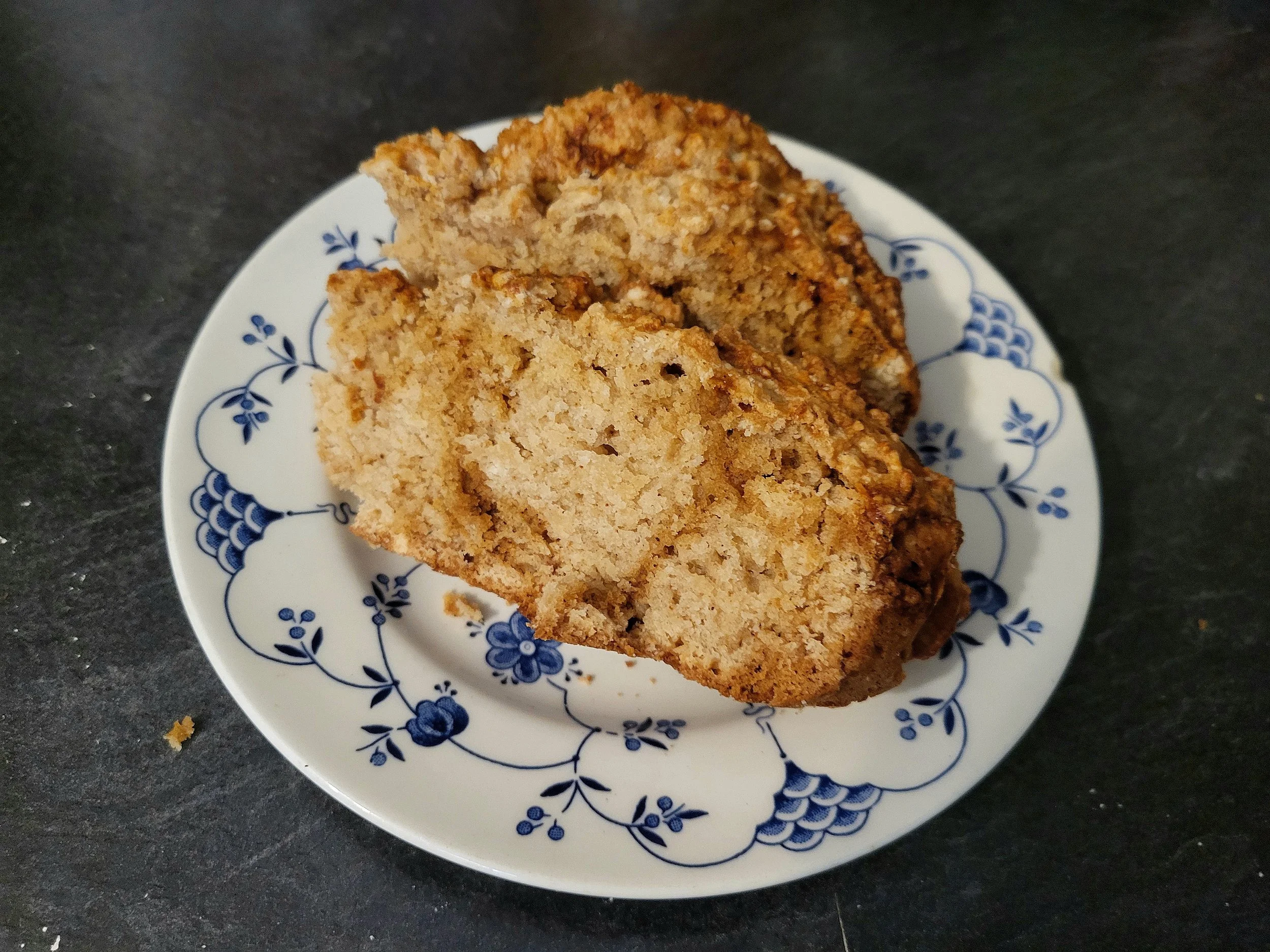
My Recipe:
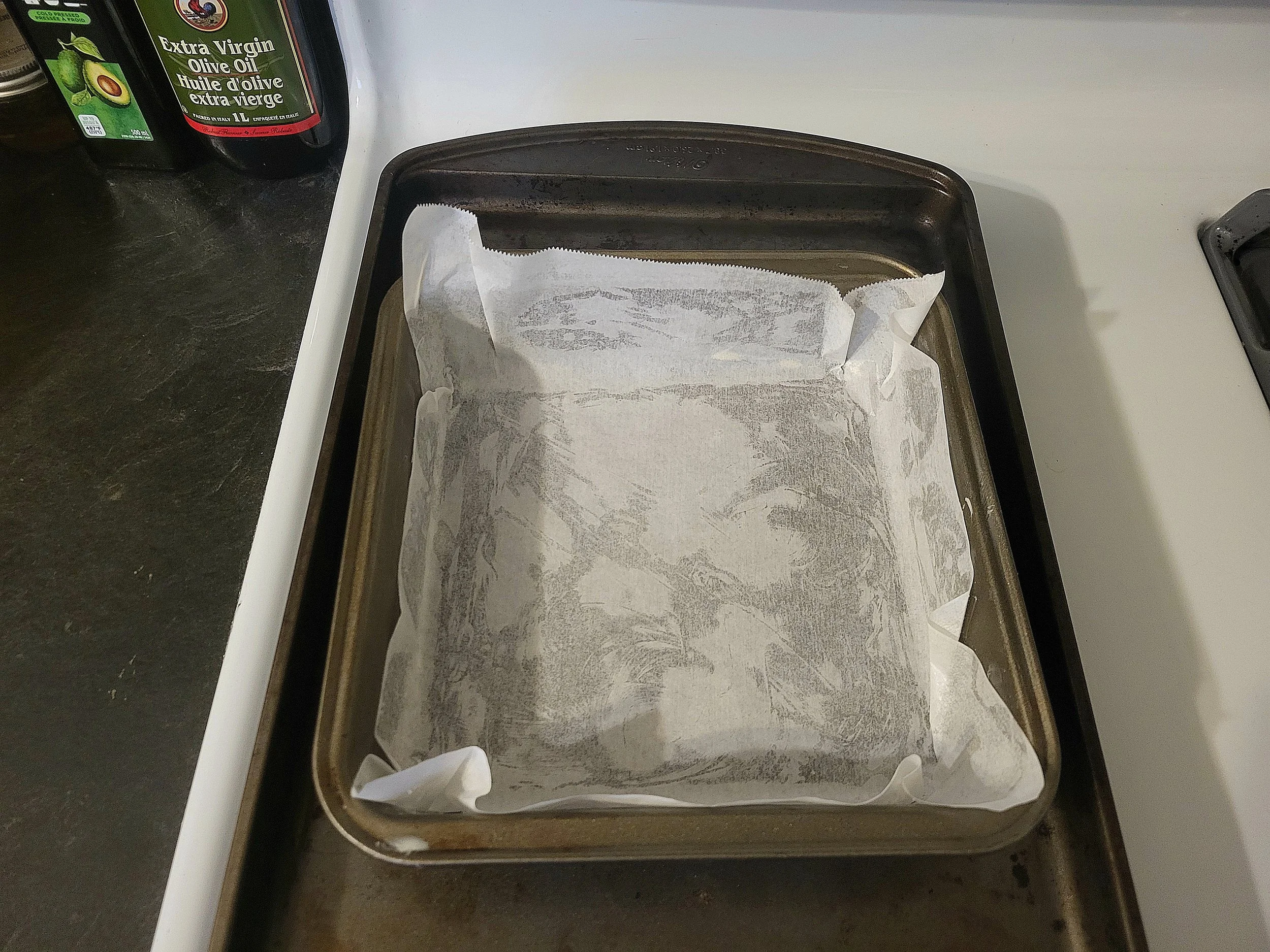
I’ve made half the historic recipe, to fill one 8” x 8” cake tin
I buttered the tin, then lined it with parchment paper
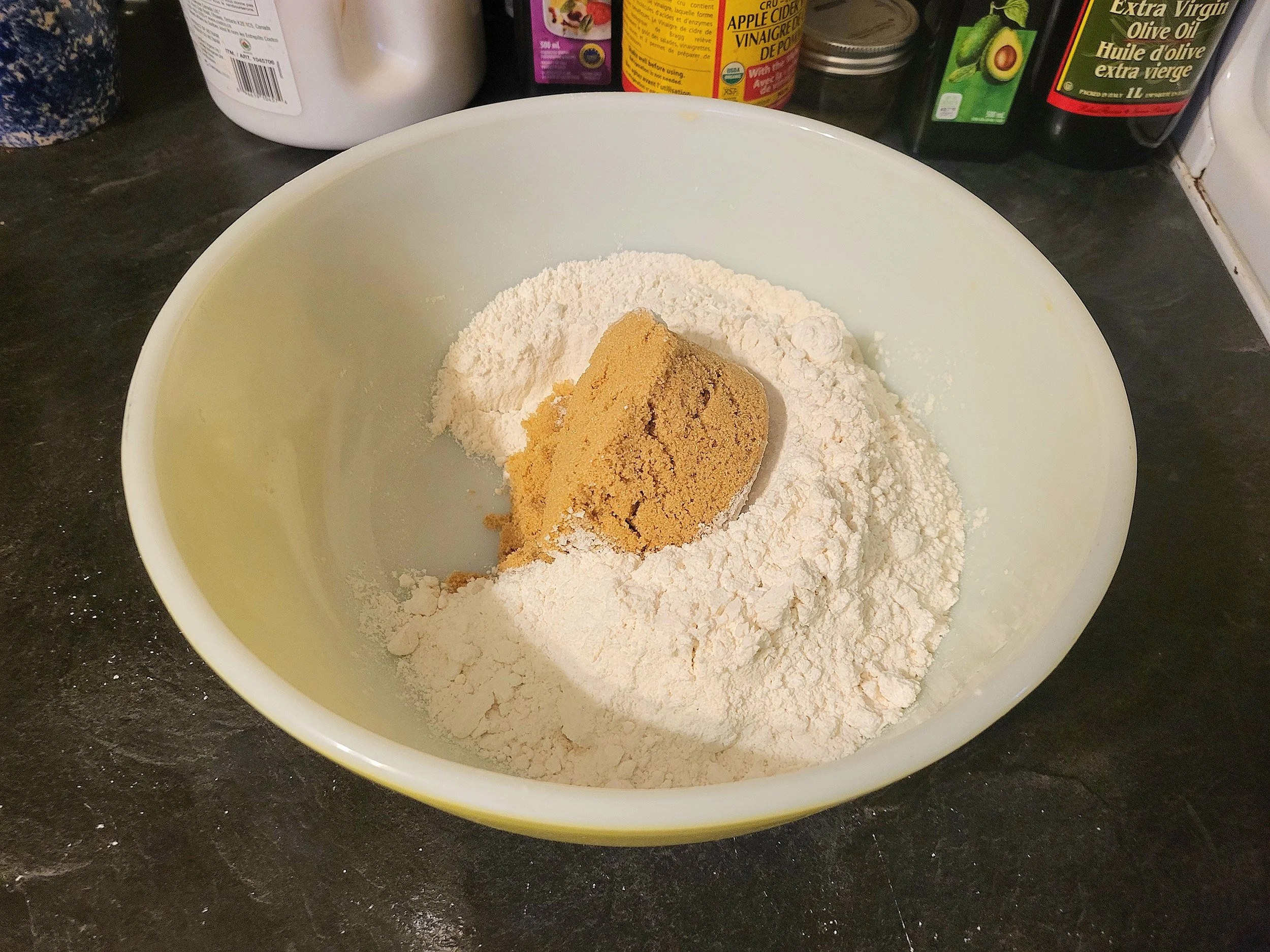
2 lbs flour – 3 cups
1 lb brown sugar – 1 cup
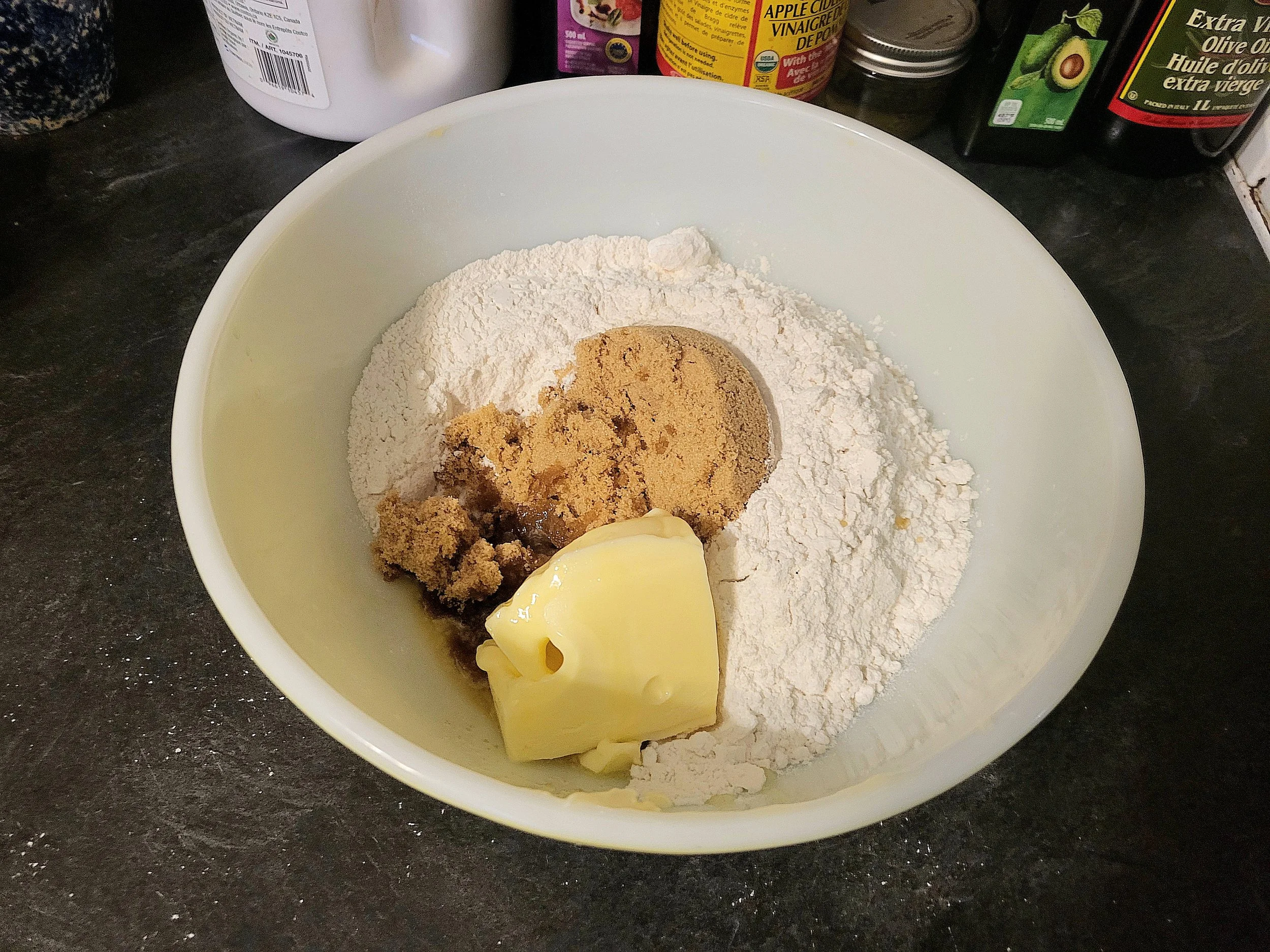
½ lb softened butter – ½ cup
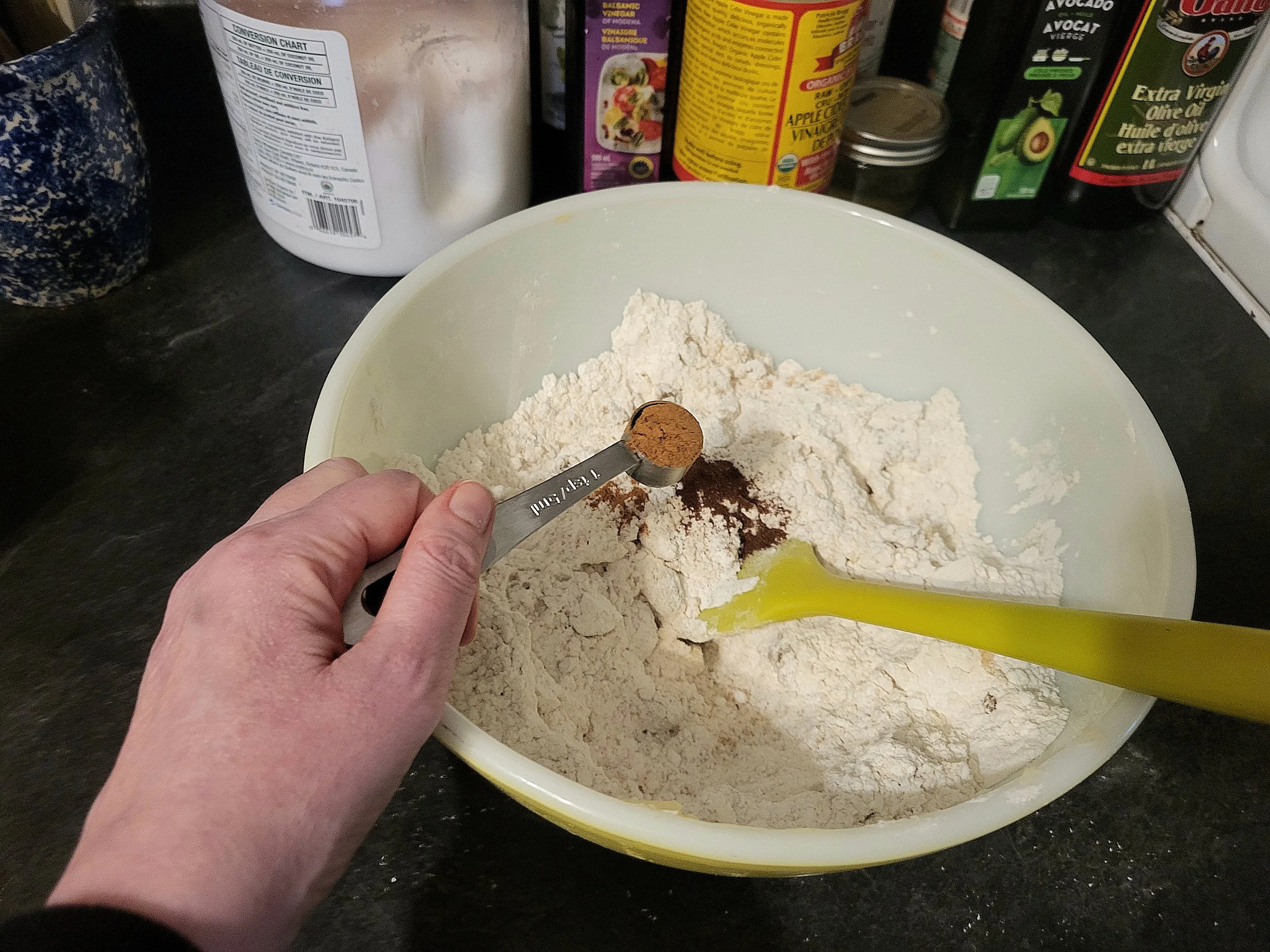
1 teaspoon ground cinnamon
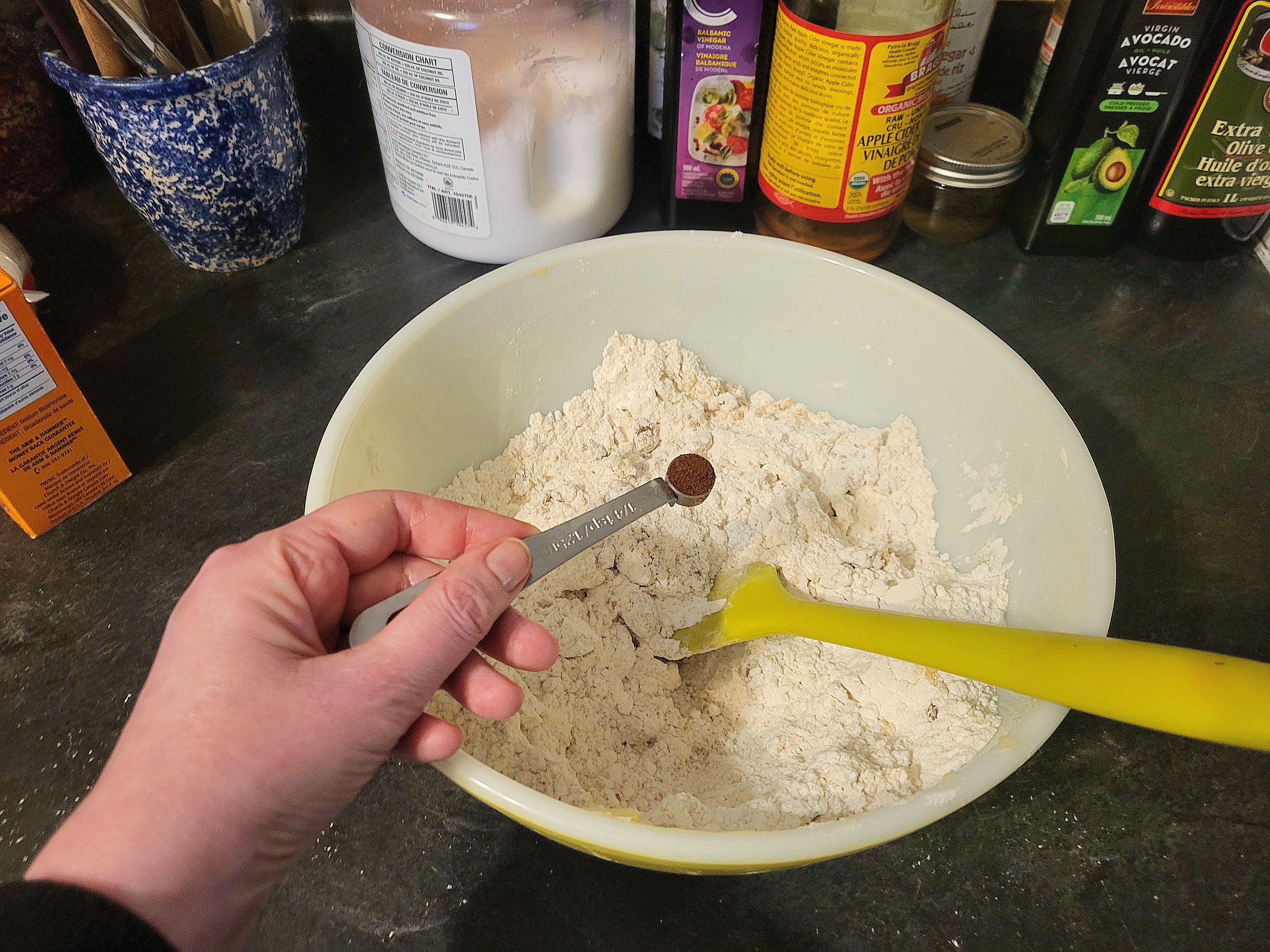
1/4 teaspoon ground cloves
1/2 pint apple cider – 235 mL
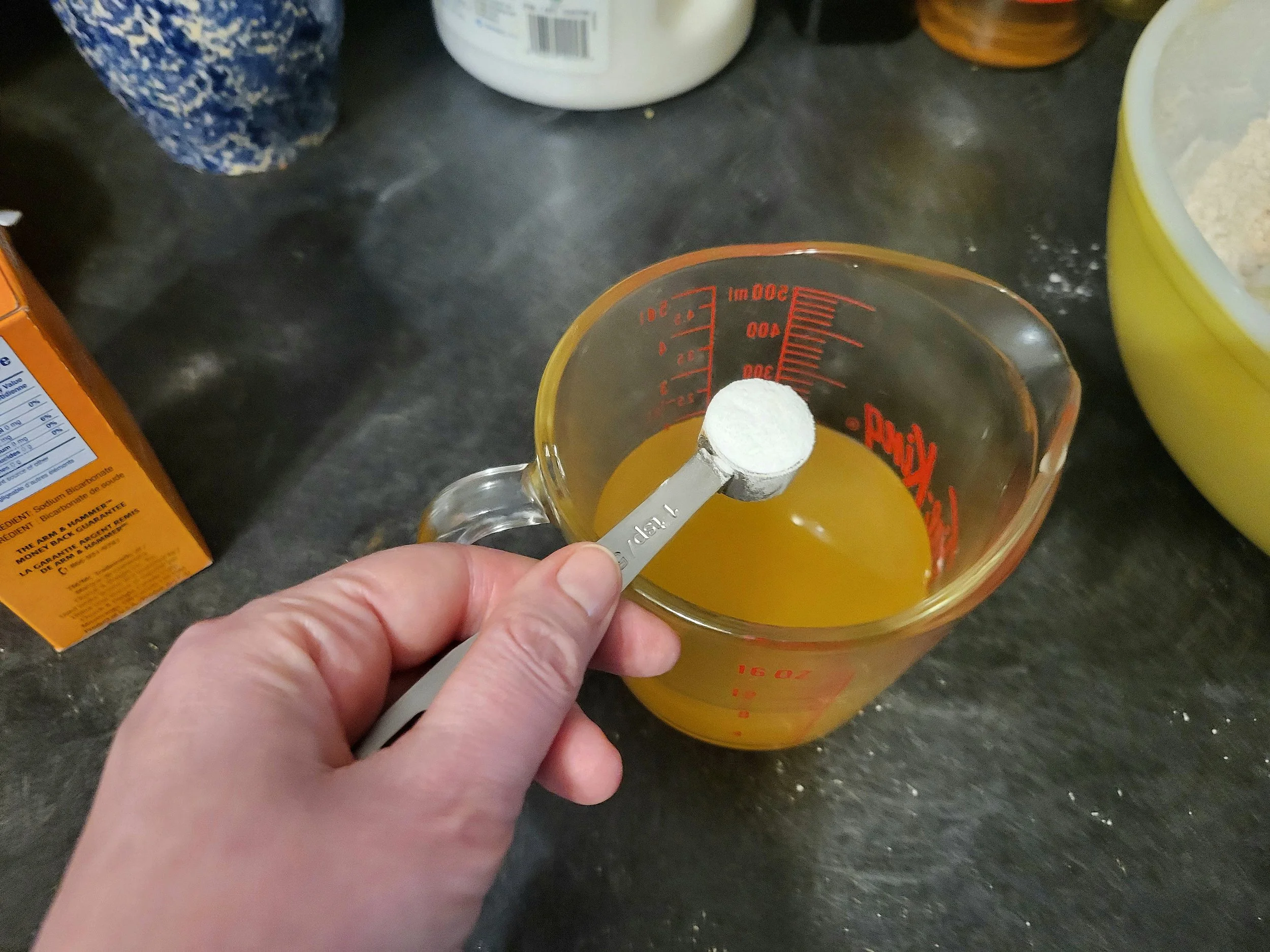
1 teaspoons baking soda
1) Preheat oven to 375F or 190C and grease cake tin with butter or oil. If desired, line the cake tin with parchment paper.
2) In a large mixing bowl, combine flour, brown sugar, softened butter and ground cinnamon and cloves.
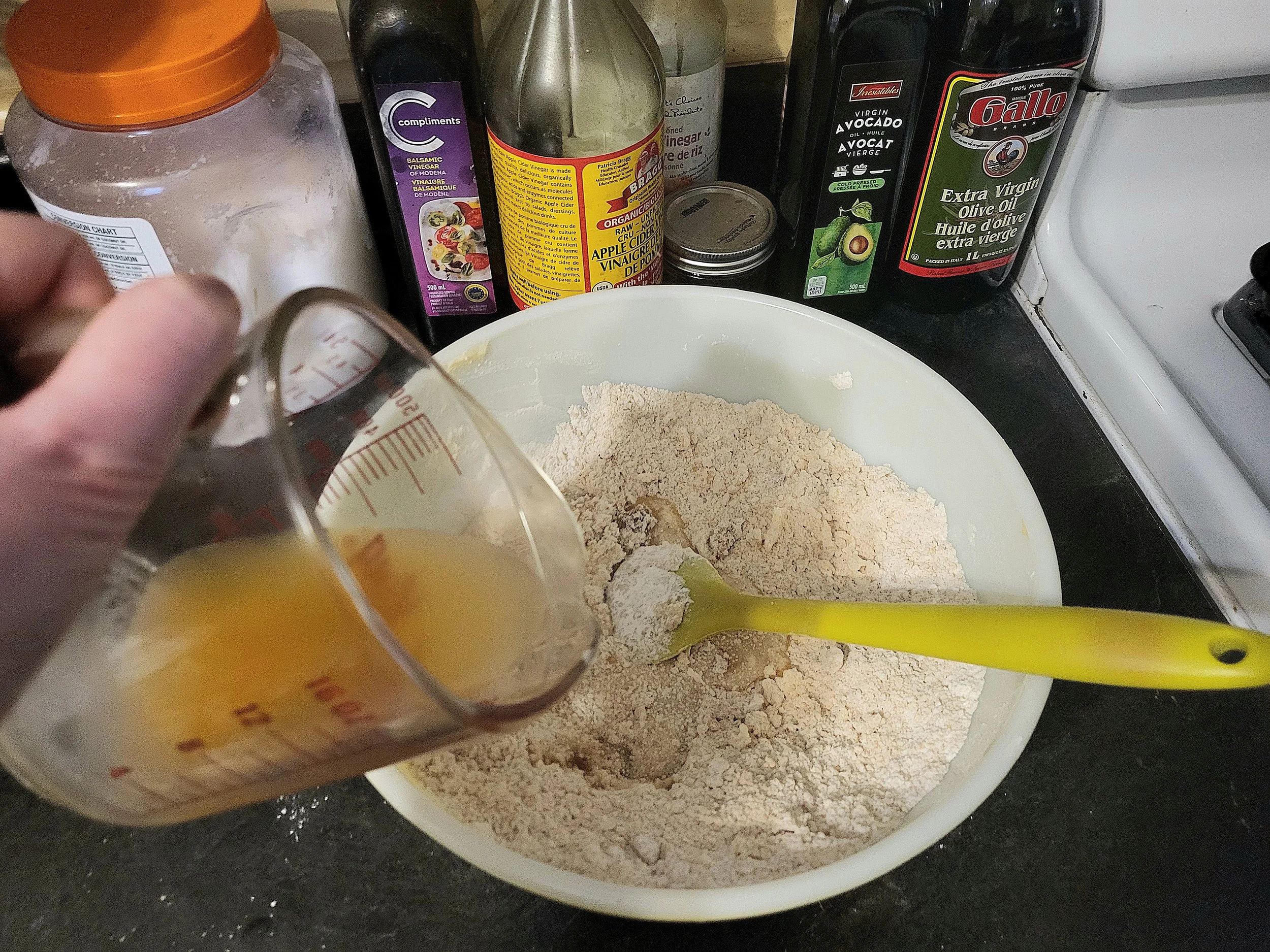
3) Stir 1 teaspoon of baking soda into the apple cider, then add to dough mixture. I added slightly more apple cider so that it formed a stiff dough.
4) Pour dough into cake tin and bake at 375F until a toothpick inserted in the centre comes out clean with no crumbs, or the cake is firm in the middle and makes a hollow sound when knocked on the bottom.
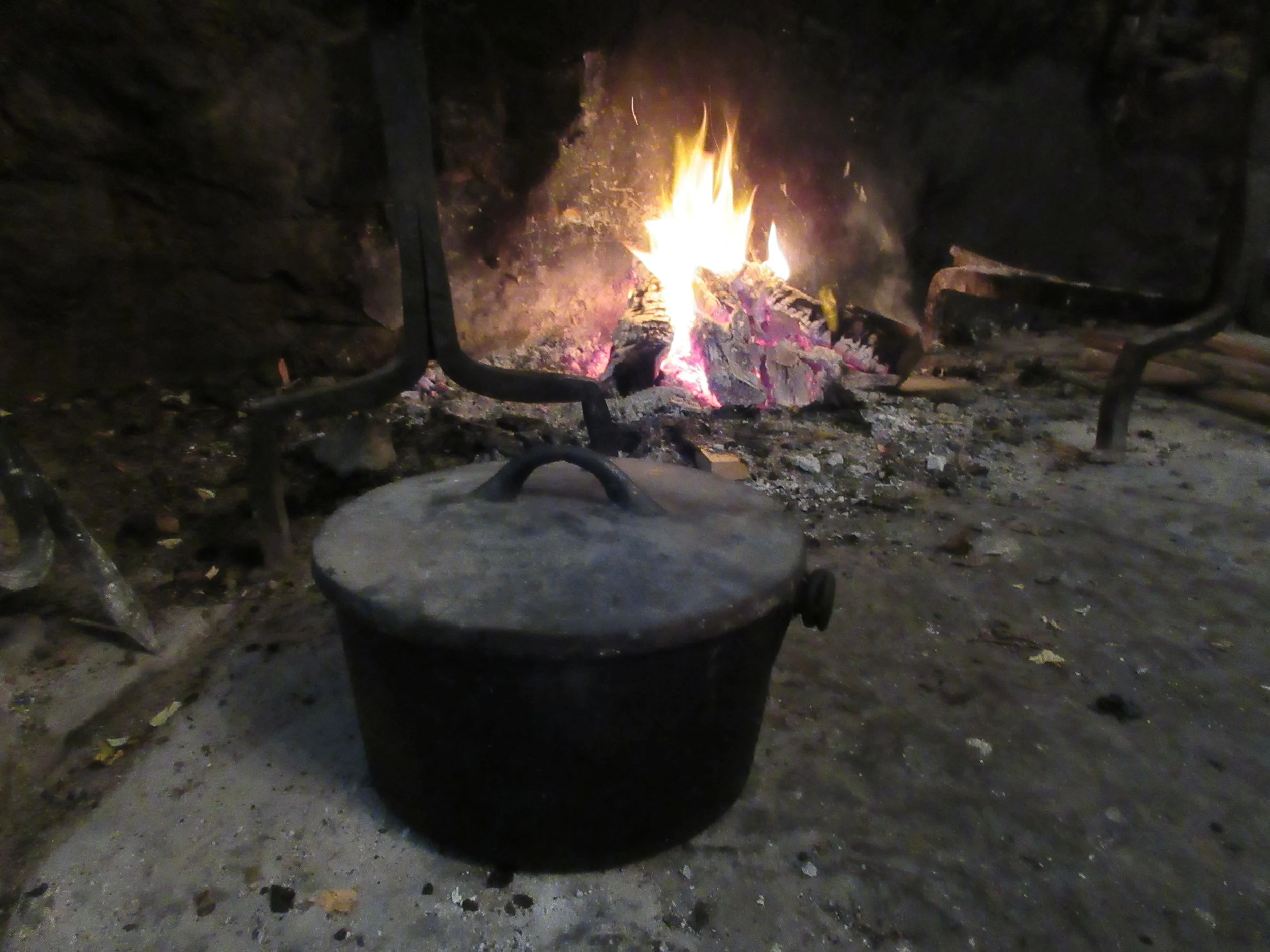
Using the Dutch Oven at Nelles Manor Museum to Bake the Cider Cake:
1) While you put together the raw cider cake, stoke the fire to create a good bed of coals that you can shovel around to heat the dutch oven.
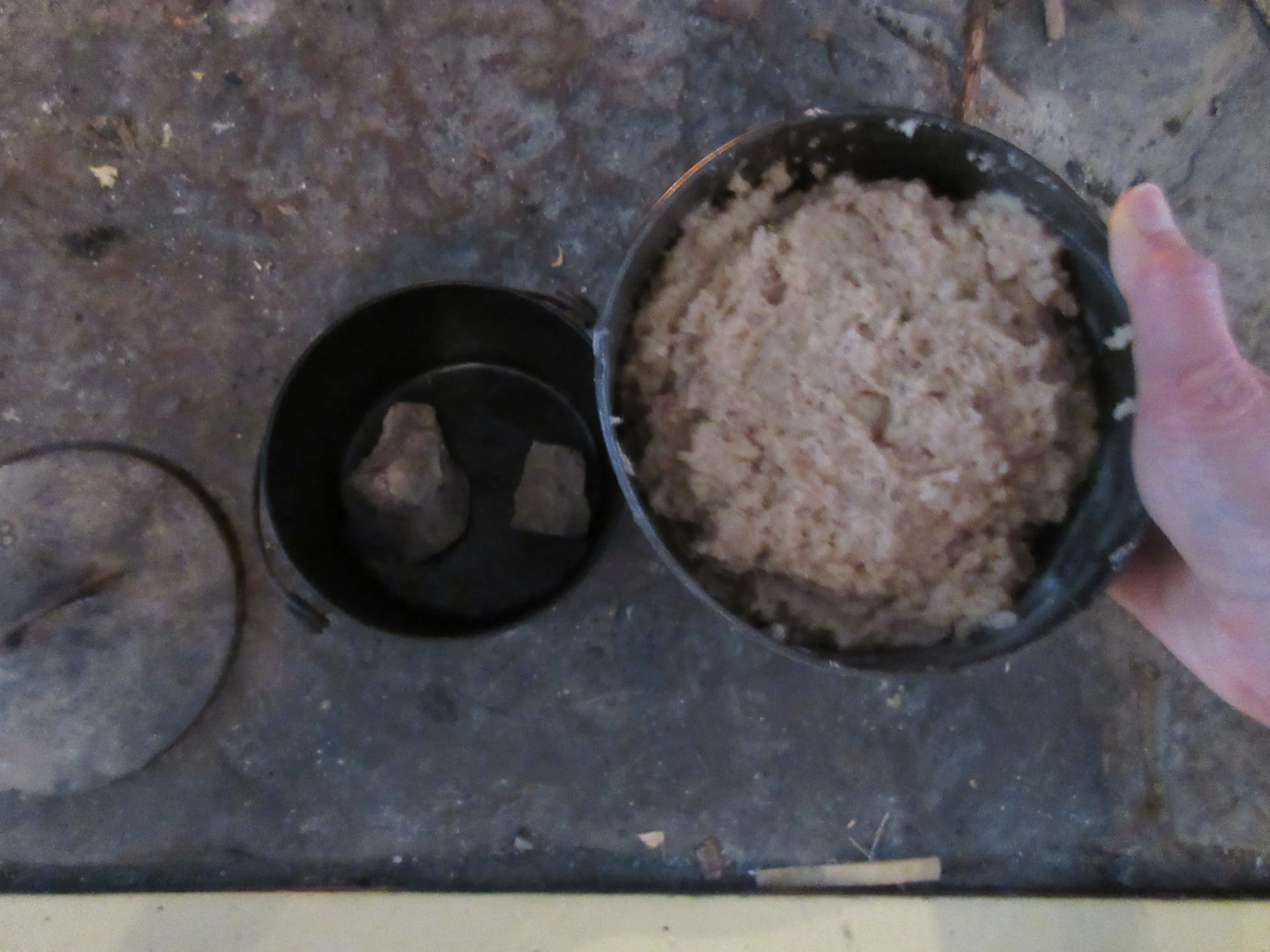
2) When you have enough hot coals built up, and the cider cake is ready to bake, put the filled cake tin into the empty dutch oven. Make sure you have one layer of hot bricks or stone at the bottom on the dutch oven. This layer will act as an insulator to allow for a small amount of hot air to accumulate below the cake tin, and the bottom of the cake will be less likely to burn.
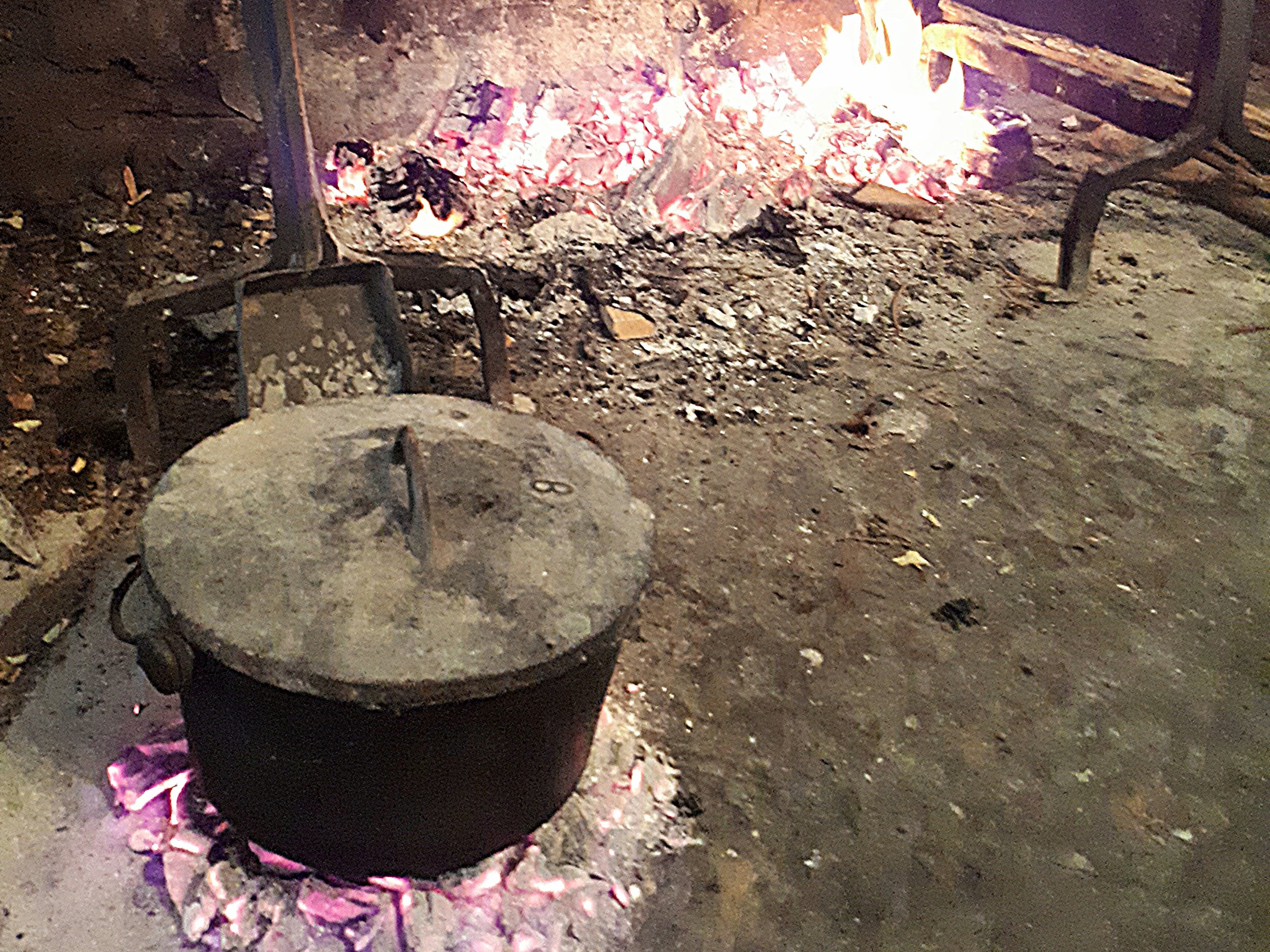
3) Using a lid moving tool, put the lid on the Dutch Oven. Pile a small heap of hot coals onto the floor of the open hearth which is slightly larger than the width of the dutch oven and place the filled Dutch Oven on top. If you have an appropriate trivet to pile the hot coals under (and place the dutch oven on top), you may also use this tool. The hot coal bed will heat up the air inside the dutch oven from the bottom.
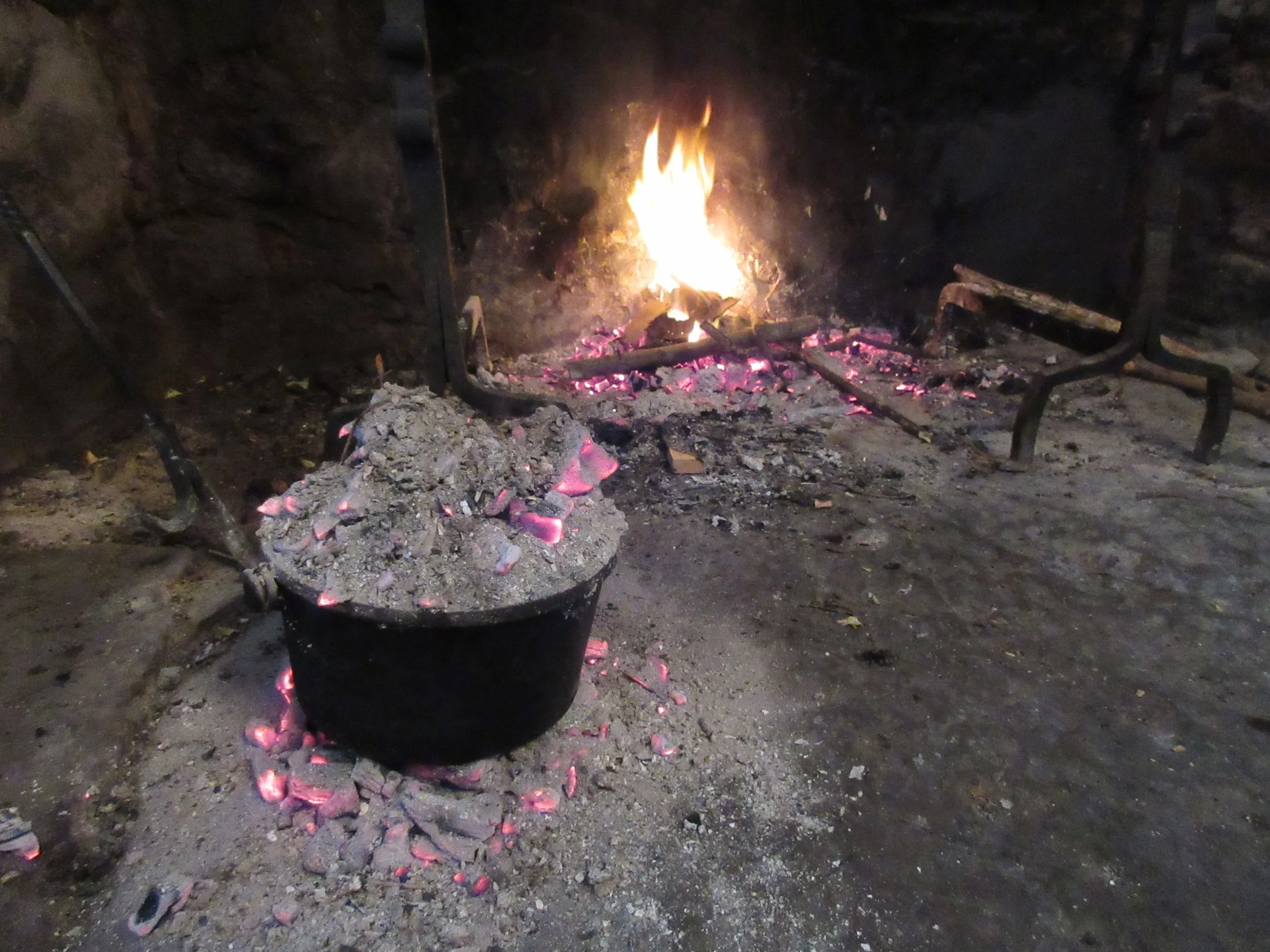
4) Using a shovel, place a good layer of hot coals on the lid of the dutch oven as well. Now the dutch oven will also be warmed up from the layer of coals on the lid.
5) Leave the Cider Cake to bake. Check to see if it is done after 30 minutes, by carefully opening it with the tool that hooks onto the lid hook. The Cider Cake will be done when you remove it from the cake pan and it sounds hollow when you knock on the bottom of the cake. It might be necessary to bake the Cider Cake for longer. Just put the cake pan back in the dutch oven with the hot coals on the lid, and check it every 10 or 15 minutes, until you hear that hollow sound when knocked on the bottom.
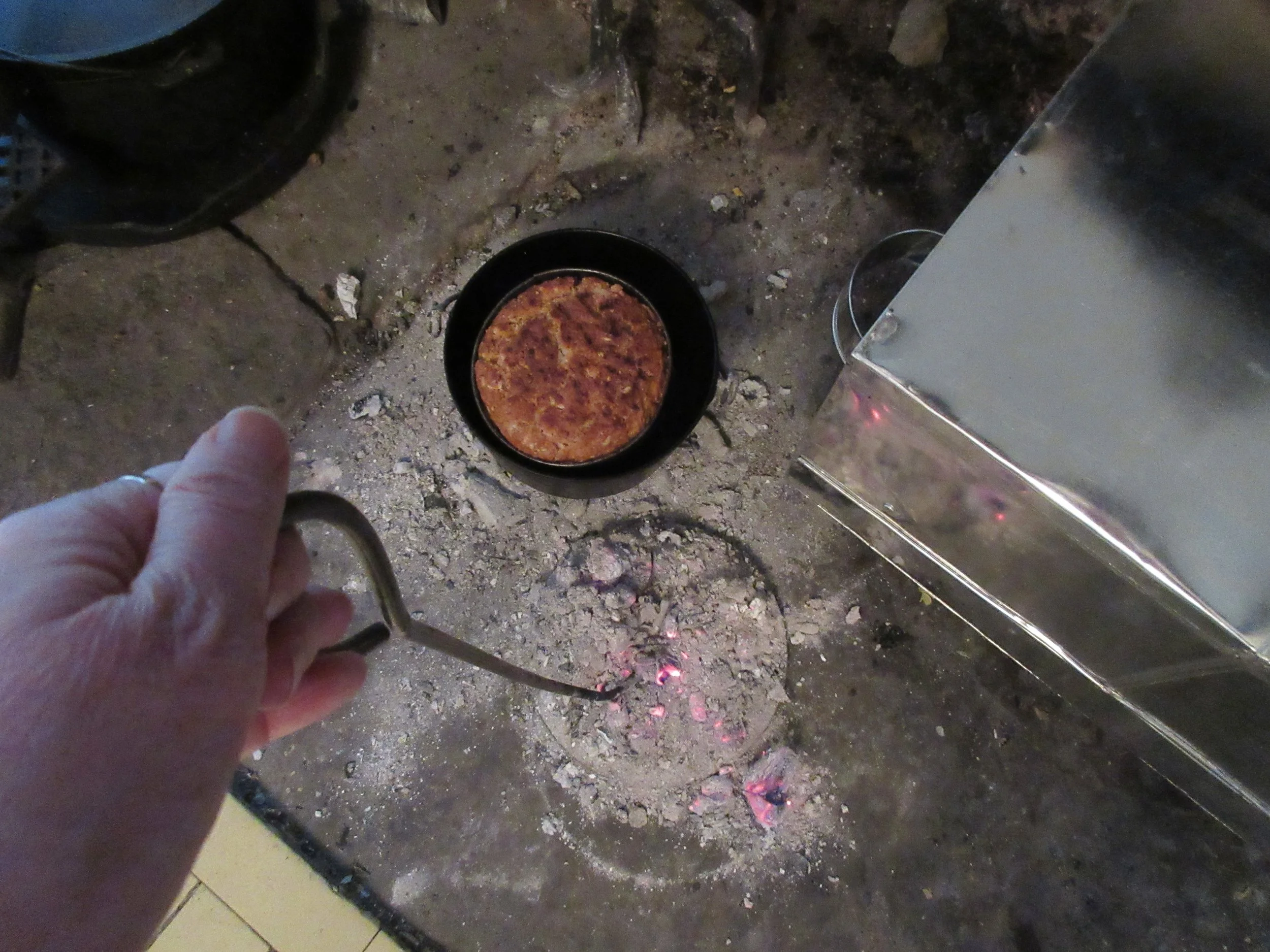
This Cider Cake recipe is found in The Frugal Housewife’s Manual, which is the first cookbook compiled and published in the English language in Canada in 1840. I tested out this Cider Cake recipe when I was preparing for an Open Hearth Baking class that was to be taught at Nelles Manor Museum in Grimsby, Ontario in early April 2020. An interesting note is that The Frugal Housewife’s Manual was compiled by someone with the initials A. B., who lived in Grimsby, Ontario at the time. Conceivably, this A.B. and the Nelles family who lived at Nelles Manor would have been acquainted with each other since the both lived in the same small community.
This was one of the mid-1800s recipes that I would be preparing using Nelles Manor’s Open Hearth with the class participants using the Dutch Oven. Other open hearth baking recipes would have made by using other open hearth baking implements, such as cheese straws fried on the griddle, coconut macaroons in the reflector oven, and fritters fried on a trivet. Keep an eye out in this blog for a description of how I used the dutch oven to bake the Cider Cake, and future blog posts for how-tos for all the open hearth baking techniques I’ve mentioned.
It’s not a surprise, considering the COVID-19 Lockdowns that were happening that spring that this class was canceled and never rebooked. The day I tested out Nelles Manor’s Dutch Oven to bake a Cider Cake was one of the first days when customers were buying toilet paper and emergency preparedness supplies off the shelves and it meant for a very strange day to go grocery shopping for ingredients!