
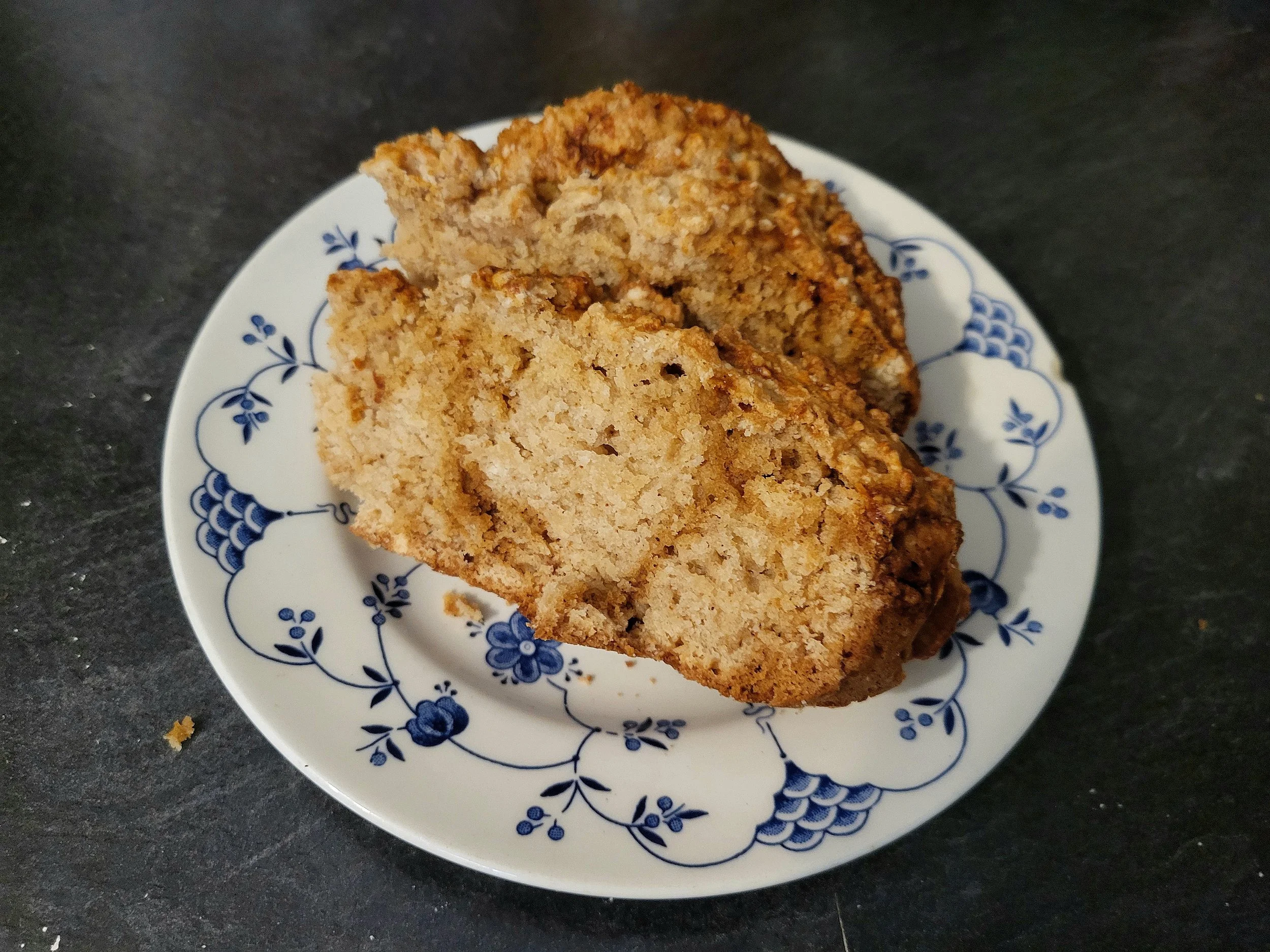
Cider Cake
Cider Cake is a simple coffee cake spiced with apple cider, brown sugar, cinnamon and cloves. This recipe is found in The Frugal Housewife’s Manual, which is the first cookbook compiled and published in the English language in Canada in 1840. I tested out this Cider Cake recipe when I was preparing for an Open Hearth Baking class that was to be taught at Nelles Manor Museum in Grimsby, Ontario in early April 2020. An interesting note is that The Frugal Housewife’s Manual was compiled by someone with the initials A. B., who lived in Grimsby, Ontario at the time. Conceivably, this A.B. and the Nelles family who lived at Nelles Manor would have been acquainted with each other since the both lived in the same small community.
This was one of the mid-1800s recipes that I would be preparing using Nelles Manor’s Open Hearth with the class participants using the Dutch Oven. Other open hearth baking recipes would have made by using other open hearth baking implements, such as cheese straws fried on the griddle, coconut macaroons in the reflector oven, and fritters fried on a trivet. Keep an eye out in this blog for a description of how I used the dutch oven to bake the Cider Cake, and future blog posts for how-tos for all the open hearth baking techniques I’ve mentioned.
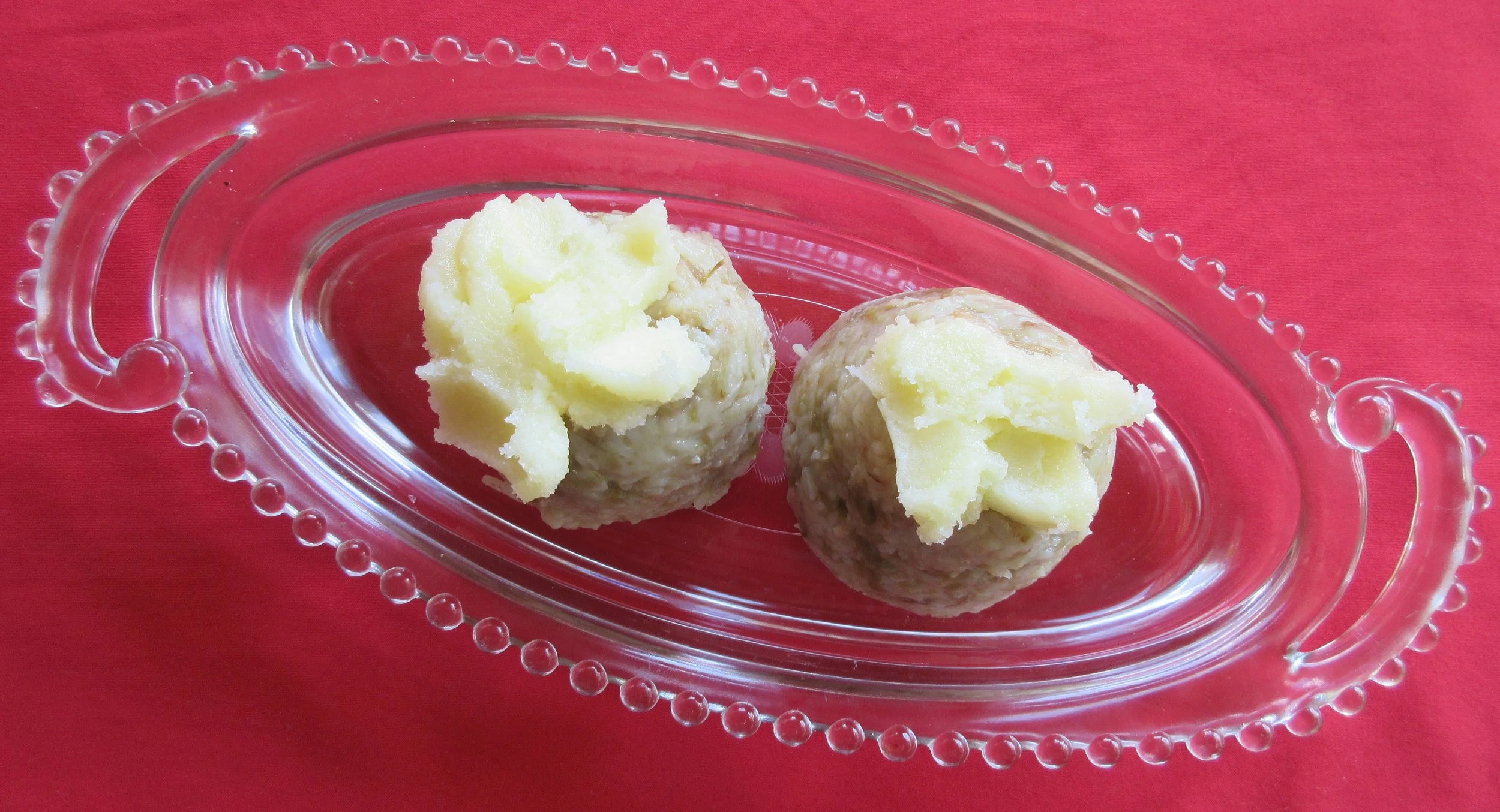
Rhubarb Cups
Rhubarb Cups are a simple, three-ingredient, make-ahead dessert from the 1847 cookbook The Lady’s Receipt Book by Eliza Leslie. Rhubarb Cups would be a perfect dish to add to your recipe rotation if you’ve got a freezer full of stewed rhubarb! I have to admit, they don’t end up being the most visually appealing dessert, but what they lack in aesthetics, they make up for in taste.
The cups themselves are very mild, but this recipe also includes a zippy and flavourful butter, sugar and lemon hard sauce. As an added bonus, in this blog post you’ll find out where you can find rhubarb growing wild in Banff National Park.
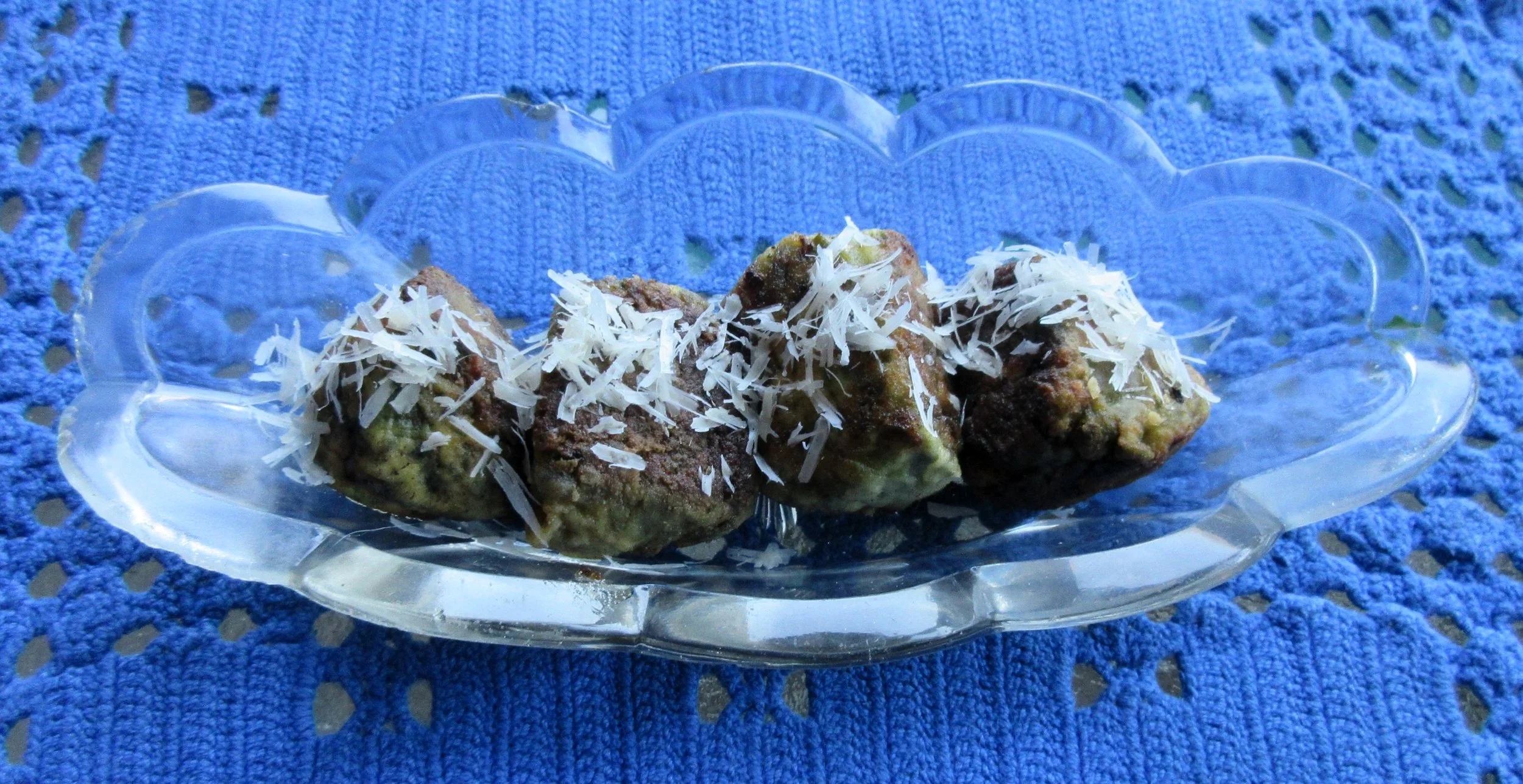
Spinach and Ricotta Dumplings
Spinach and Ricotta Dumplings is found in The New York Times Cook Book from 1961 and it’s a recipe that I had to make twice to end up with something edible. I had to veer from the original cooking method and I recommend adding some additional ingredients to amp up the flavour. The recipe gives the instruction to “shape into small balls” and since small could mean many sizes, I decided to make my dumplings the size of a Timbit.
That’s where the rambling nature of this blog post begins. I realized that most people who read my blog don’t live in Canada and might not know what a Timbit is. I started there, which lead to explaining what Tim Hortons is, which lead to writing about the first Tim Horton’s restaurant ever in my hometown of Hamilton, Ontario.
And then...since measuring something in Timbits is a very Canadian measurement, at the end I have a look at some very Canadian measurements on COVID-19 social distancing signs in Hamilton and Toronto. I’d love to hear what the COVID-19 signs are like in your part of the world, so please leave a comment!
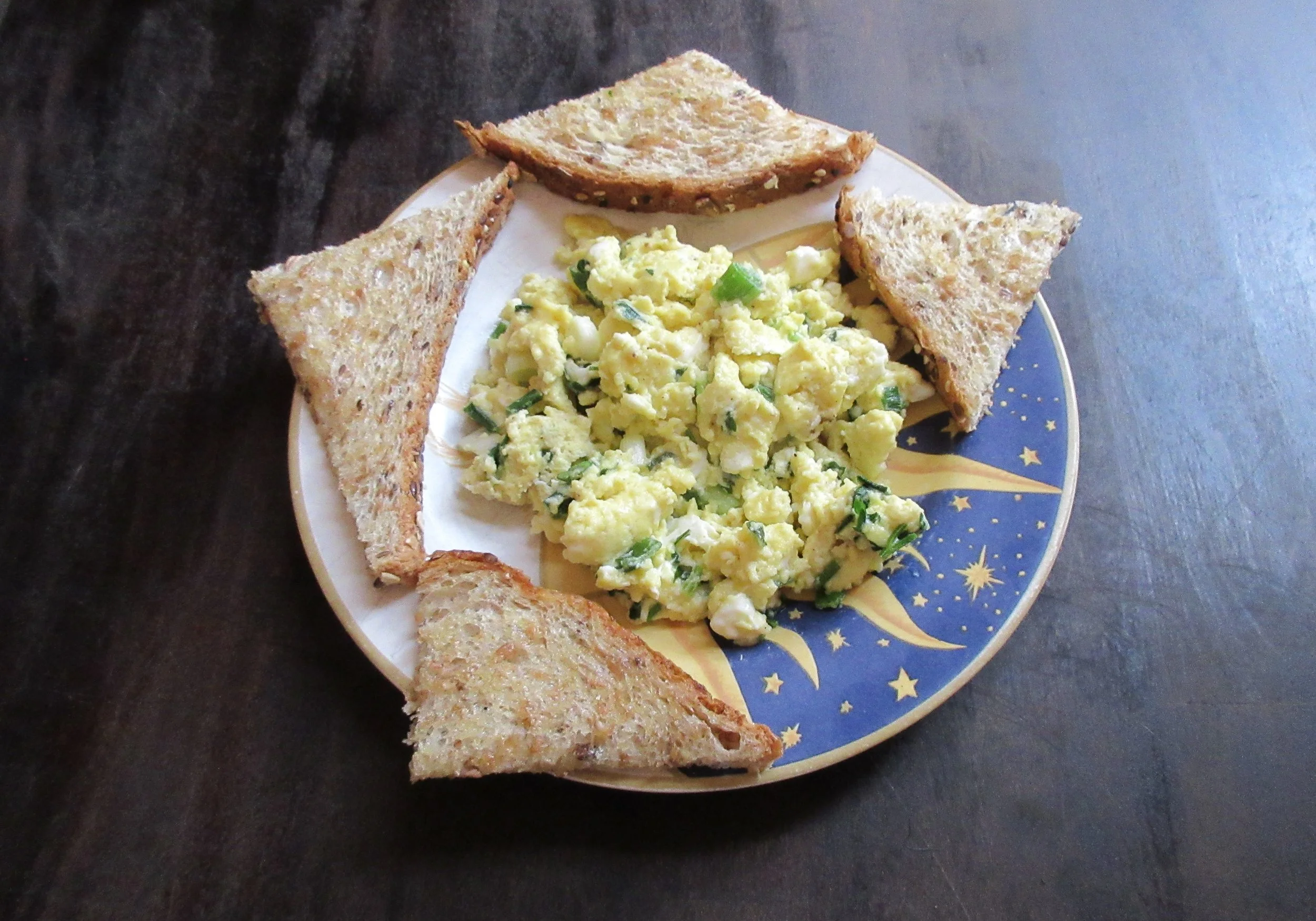
Oeufs au fromage
Oeufs au fromage (Eggs with Cheese) is probably the most delicious scrambled egg recipe I’ve ever made! The flavours of the Gruyere cheese, parsley, green onions, nutmeg and white wine combine beautifully, and the recipe itself is simple to pull off. I found this recipe in the 1825 edition of La cuisinière bourgeoise, which was the first cookbook to be published in Canada and this is also my first bilingual post in both English and French.
Oeufs au fromage est probablement la plus délicieuse recette d’œufs brouillés que j’ai jamais préparée! Les saveurs du gruyère, du persil, des oignons verts, de la muscade et du vin blanc se marient à merveille et la recette est simple à réaliser. J'ai trouvé cette recette dans l'édition de 1825 de La cuisinière bourgeoise, le premier livre de recettes publié au Canada. C’est aussi mon premier poste bilingue en anglais et en français.
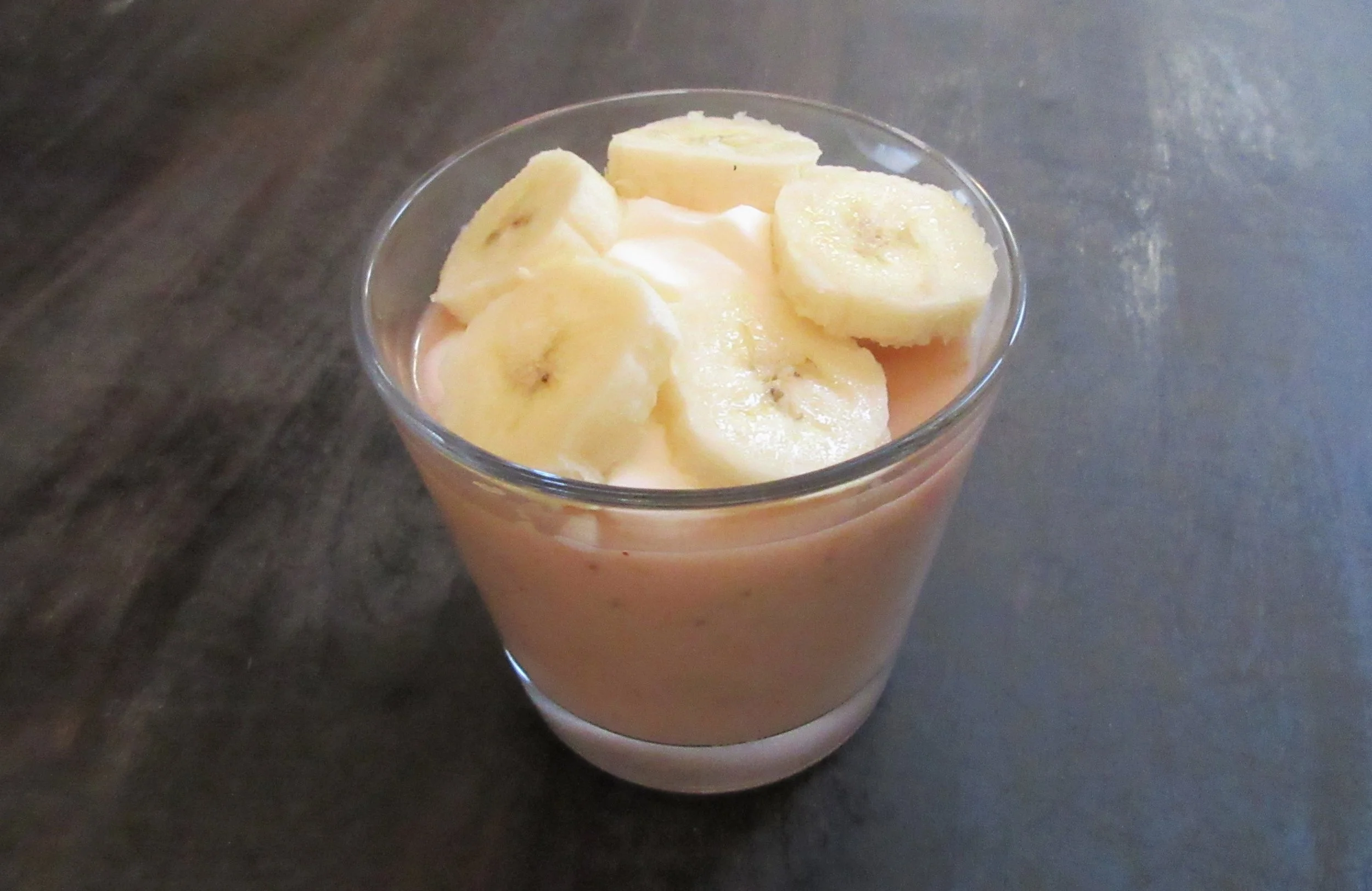
Rhubarb and Banana Fool
One evening recently, I found myself driving home from visiting my Mom with a small harvest of fresh rhubarb from her garden in the passenger seat. Basically as soon as I set foot in my door, I searched for a historic rhubarb recipe that wasn’t Rhubarb Jam, Stewed Rhubarb or Rhubarb Pie (the things I do for fun!).
Rhubarb and Banana Fool, from the 1900 cookbook Mrs. Beeton’s Cold Sweets, was the most intriguing to me. A good description of this recipe in today’s terms would be a low-sugar banana and rhubarb smoothie, with a suggested whipped cream topping.
This recipe got me to start thinking about a few things: what immediately sprang to mind was one of my Father-in-Law’s favourite stories to tell first time he ate a banana in the 1950s. It’s a funny tale, so be sure to keep reading for a chuckle.
Discovering the Rhubarb and Banana Fool recipe also made me wonder: “When did people start eating bananas in North America?”, so I delve into answering that question by having a look at American and Canadian cookbooks.
You’ll also find a bit of bonus info about Cochineal, an insect used as a red dye. At the end, I briefly run over the beginnings of the banana growing industry in the Americas, and the grave injustice of the more-delicious Gros Michel banana becoming almost wiped out by disease, to be replaced by our less-tasty Cavendish bananas that we eat today.
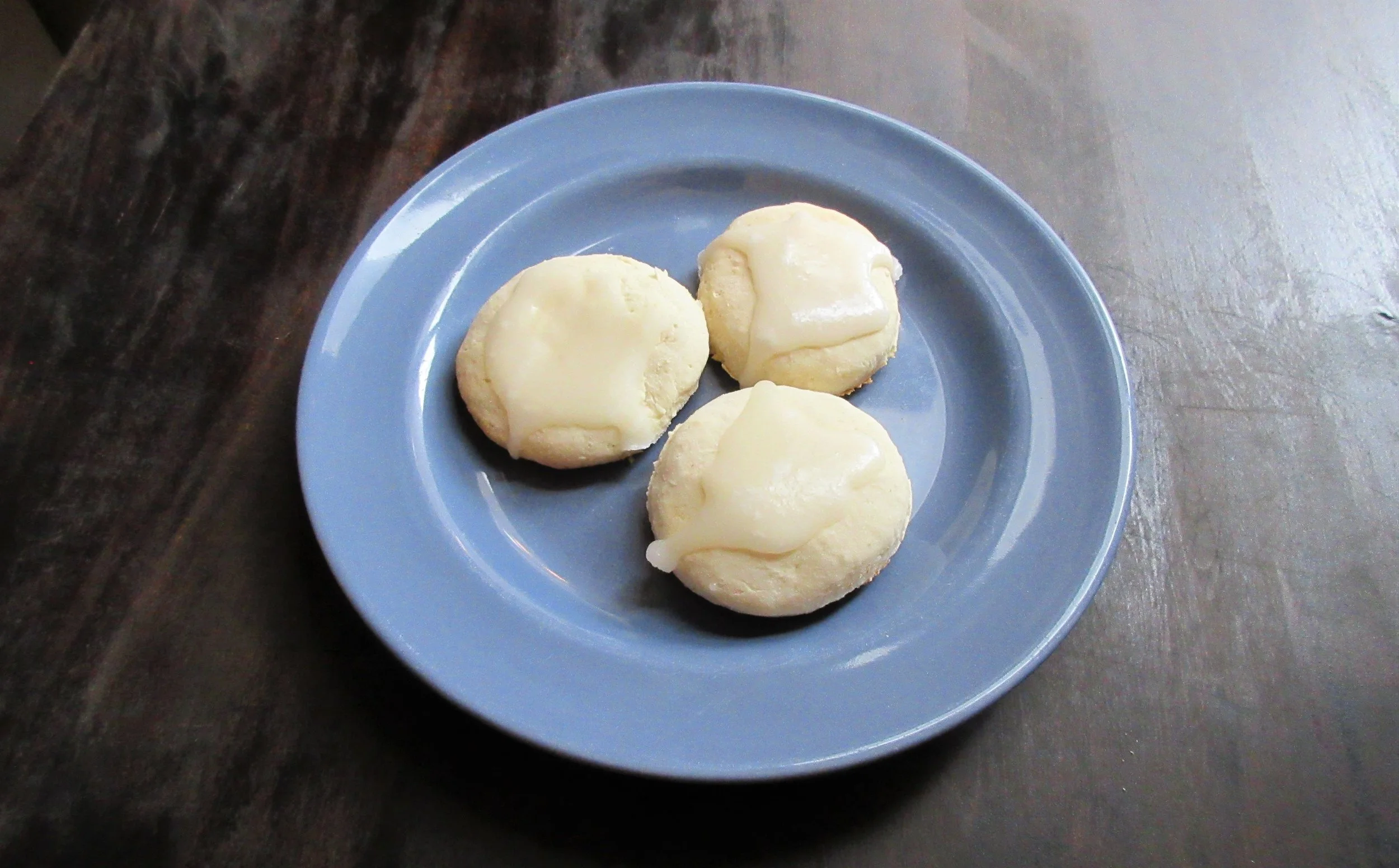
Icing for Cake
Icing for Cake saved the day when I had about 5 dozen bland Ammonia Cakes that needed some extra pizzazz! Both Ammonia Cakes and Icing for Cake are found in the 1898 The New Galt Cookbook, which is a community cookbook compiled not far from where I grew up and where I live today. Icing for Cake is a simple white sugar and milk icing that hardens within minutes and you could drizzle it on cakes, cookies, donuts or squares.
If you do want to make a cookie using Baker’s Ammonia as the leavening agent, I really do suggest baking Cup Cookies instead. It’s just a more flavourful cookie!
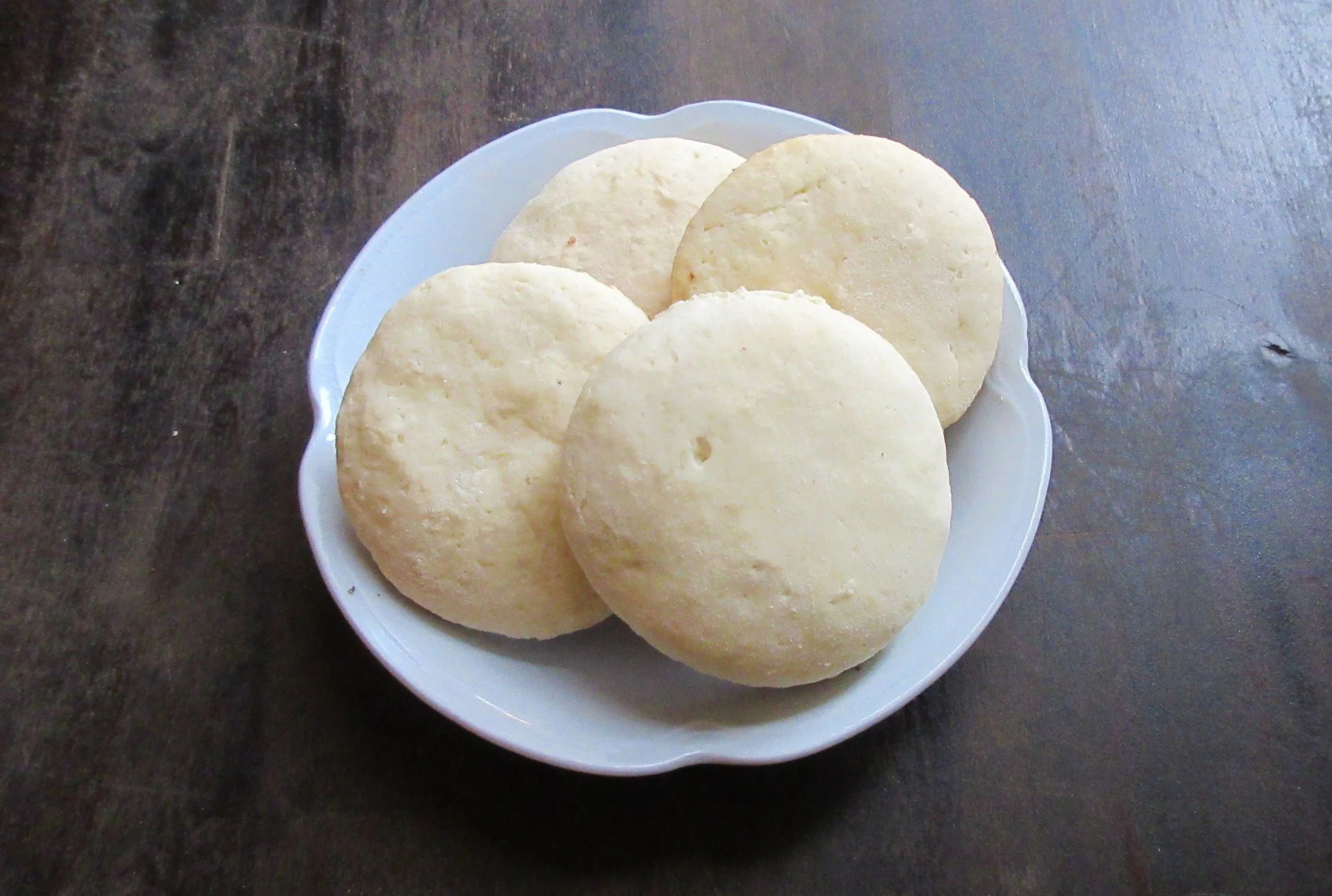
Ammonia Cakes
Ammonia Cakes: probably the least appetizing cookie name that I’ve ever come across. These cakes use ammonium bicarbonate (baker’s ammonia) as the leavening agent and I assure you that they don’t taste like ammonia, but they will temporarily stink up your kitchen like cat urine while they bake!
Ammonia Cakes fall on the bland side of the cookie spectrum, so I was lucky to find the recipe Icing for Cake in the same recipe book and I iced them the next day.
If you do want to make a cookie using Baker’s Ammonia as the leavening agent, I really do suggest baking Cup Cookies instead. It’s just a more flavourful cookie!
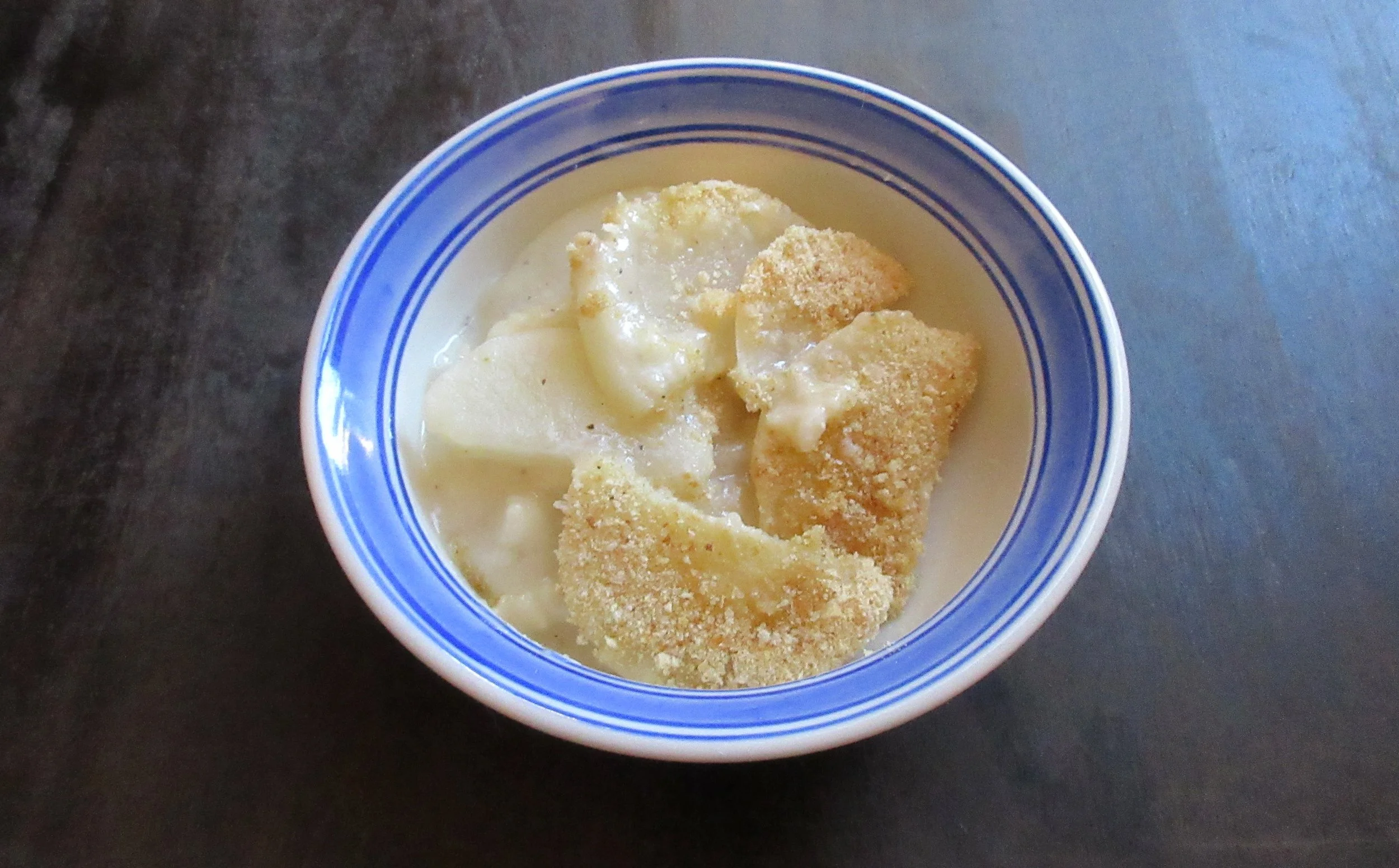
Scalloped Turnips
I wanted to prepare one last root-vegetable recipe before the greens & herbs start popping up here in Ontario, and I thought I'd turn to a local 1898 cookbook: The New Galt Cook Book.
Galt is a town which is now part of Cambridge, Ontario and it's also close to where I grew up and where I live now in Hamilton. Scalloped Turnips is an interesting twist on scalloped potatoes. The turnips provide additional flavour to the dish, and it is creamy but also light because the sauce uses a butter & flour rue and the cooking water from the turnips instead of a white bechamel sauce.
Coincidentally, I had this recipe selected and the turnips purchased before I knew that cooking at an event using recipes from The New Galt Cook Book was even a possibility! I'll be preparing food from this cookbook for a Victorian Tea at the Fashion History Museum in Cambridge, Ontario on May 18th, and Food Historian Carolyn Blackstock will be speaking about her year-old journey making a recipe a day from The New Galt Cook Book.
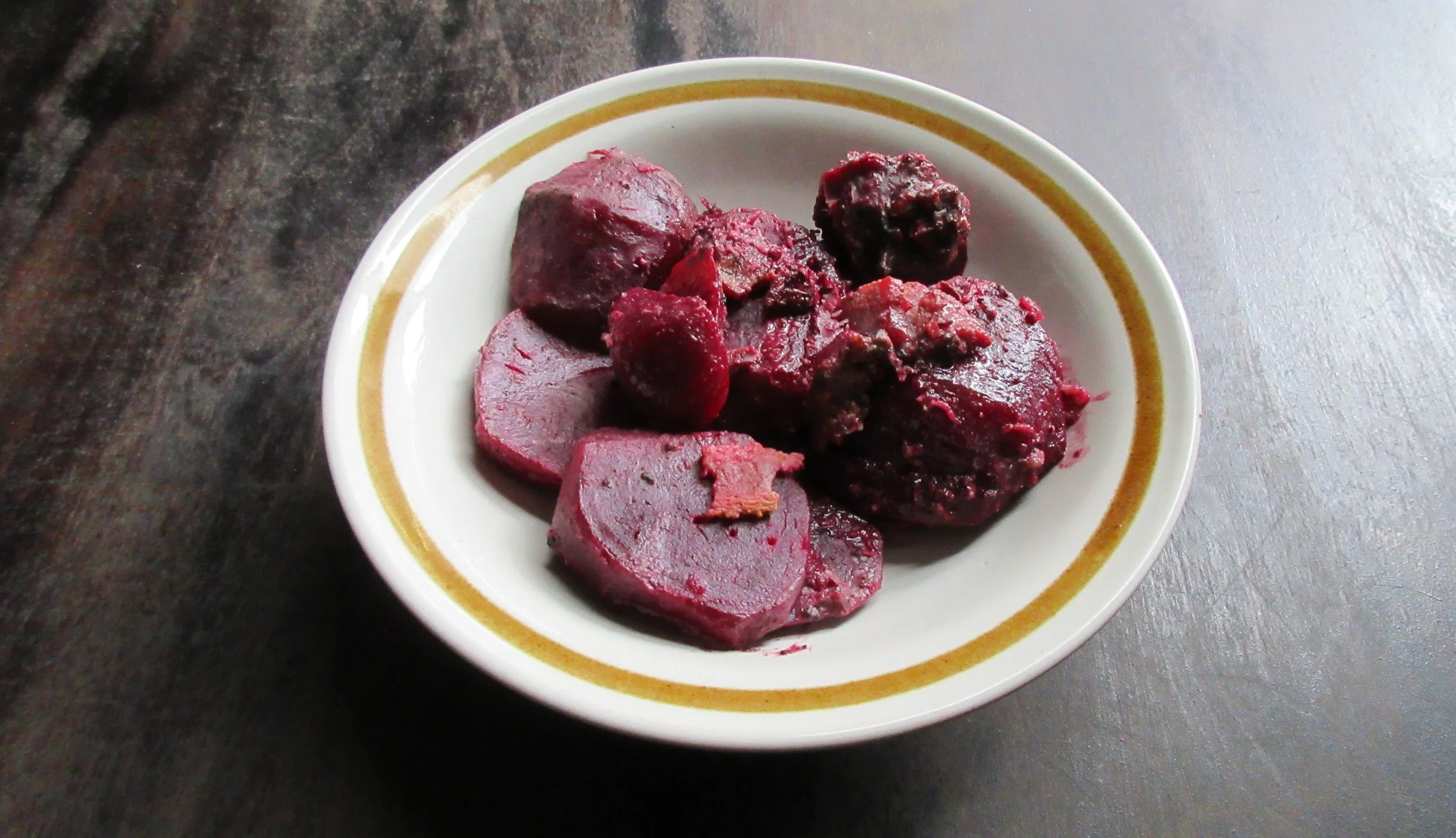
Piquant Beets
I'm not a fan of the taste of beets, although I have evolved enough to abide roasted and pickled beets on occasion. I liked Piquant Beets, though, and I can't say that I've ever thought that about a recipe made with boiled beets!
This recipe takes those (in my mind at least) repulsive boiled beets and jazzes them up with horseradish, honey, lemon juice and...wait for it...bacon. Steve's response to tasting this dish was, "I don't even mind the beets", which is probably the highest praise he could give to this recipe. We can thank Elaine Collett and Mary-Etta Macpherson, who compiled the 1965 Canadian classic The Chatelaine Cookbook, for this culinary miracle.
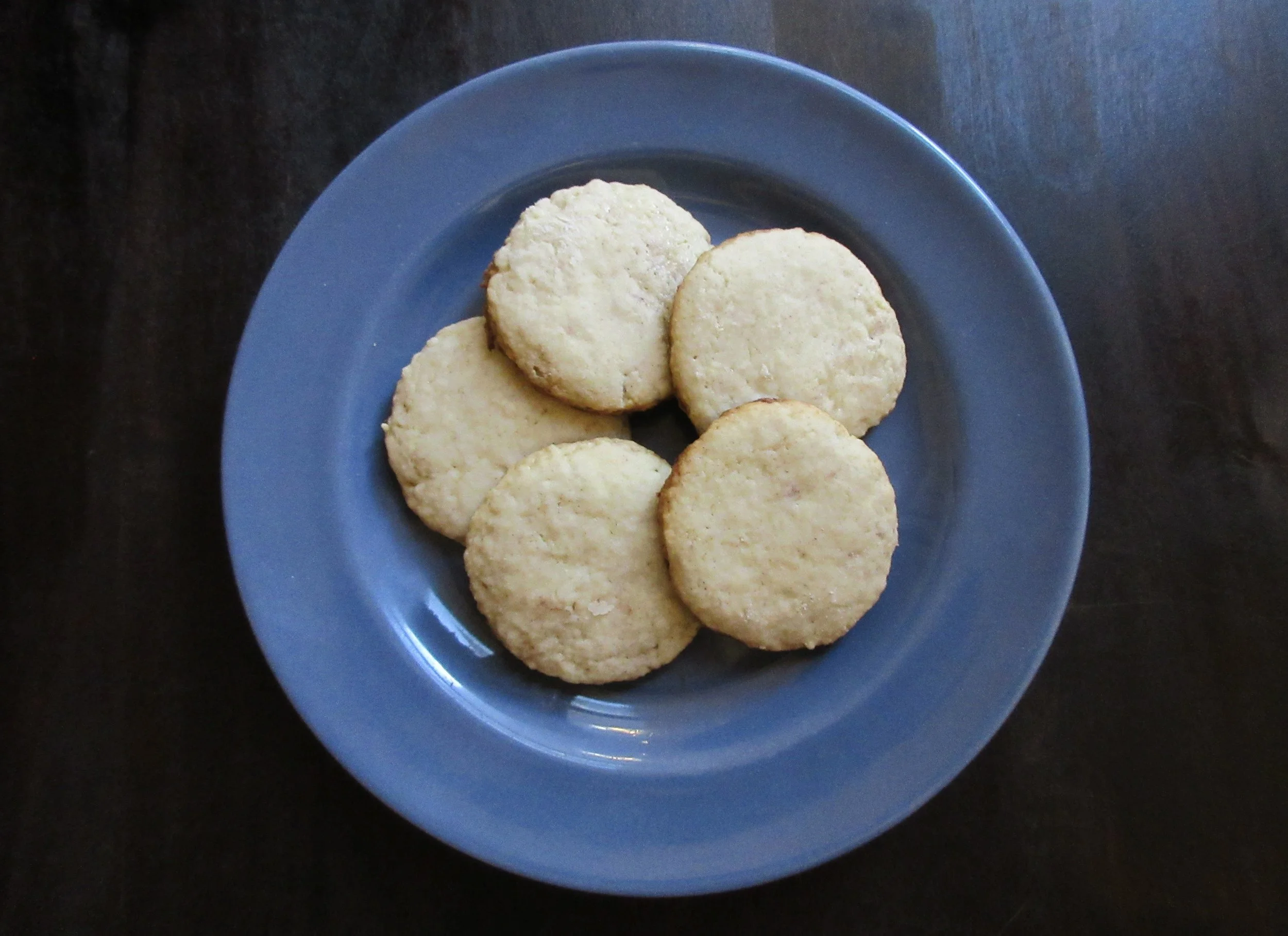
Albany Cake
If a sweet scone and a cookie got married and had a baby, that baby would be Albany Cakes. However you classify Albany Cakes, this sweet bit of bakery with cinnamon and rose water flavours is deelish! This was another recipe that we made at the cooking classes that I taught this autumn at Nelles Manor Museum in Grimsby. Our Albany Cakes recipe comes from The Frugal Housewife's Manual, published in Toronto in 1840, but written by a mysterious resident of Grimsby who likely would have known the Nelles family.
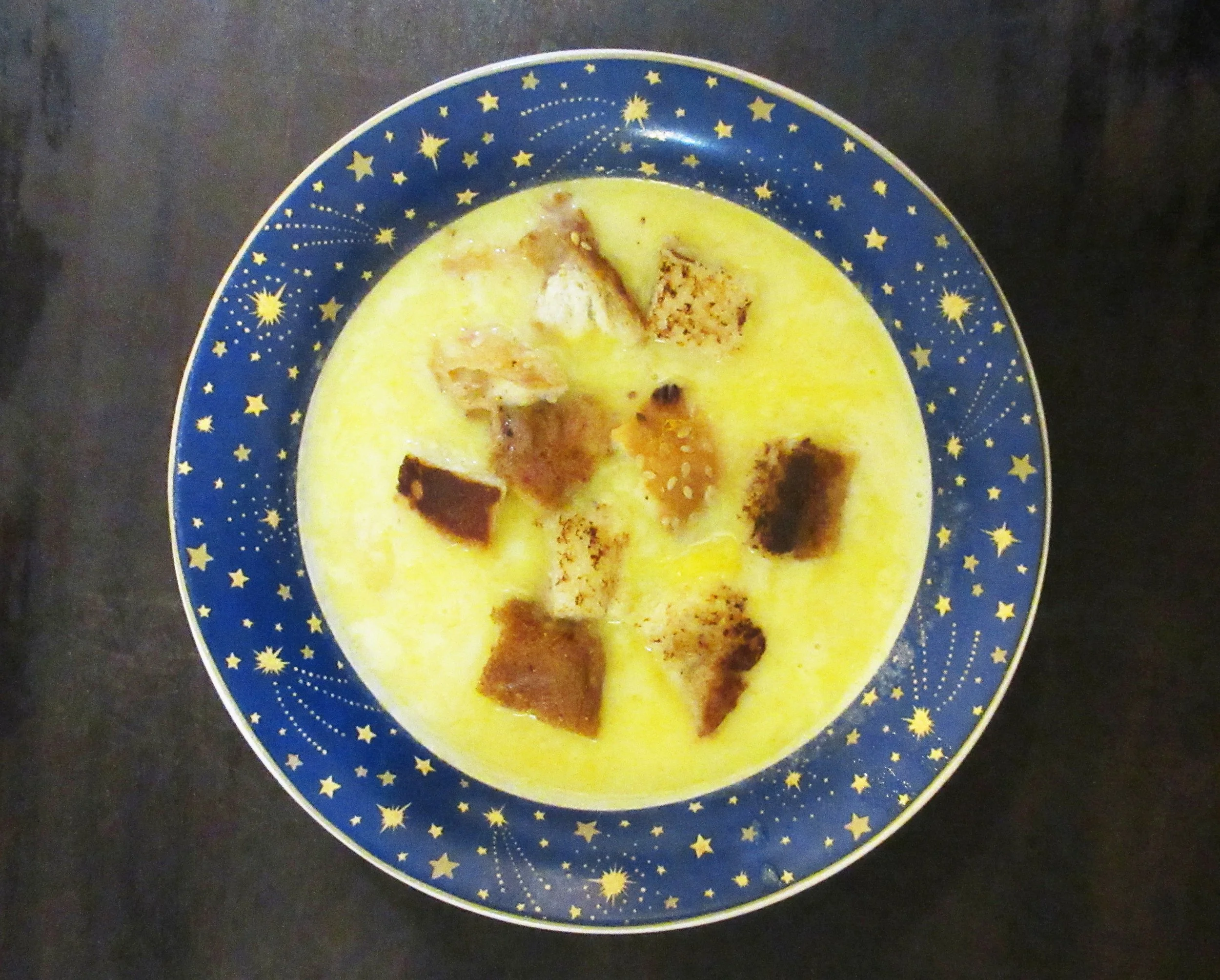
Pumpkin Soup
This Pumpkin Soup recipe comes from The Canadian Housewife's Manual of Cookery, which was compiled & published in my hometown of Hamilton, Ontario in 1861. It is hearty & flavourful, and I think the reason for this can be found in a one-word answer: butter. Expect a creamy robust soup with small chunks of pumpkin (or squash, if you can't find pumpkin). This soup is so rich that it might make a better side dish rather than the main component of your meal, but if you do try this recipe out, I highly recommend the historic recipe's suggestion of adding croutons made of fried bread to your bowl!
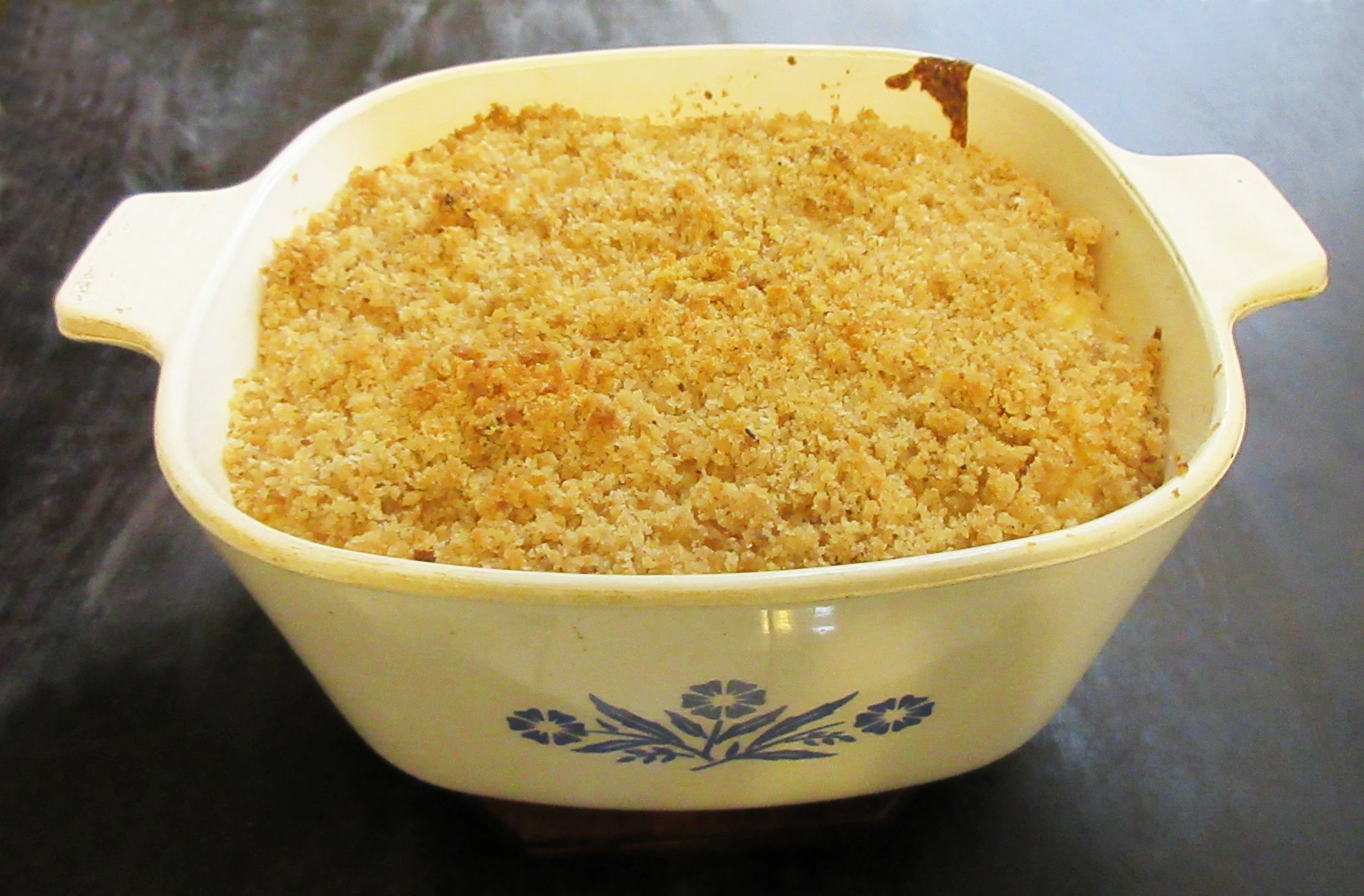
Squash Puff
If you asked anyone in my family about our traditional family recipes, probably the first dish listed by everyone would be Squash Puff. I'd describe Squash Puff as a cross between squash pudding and soufflé.
It is light, fluffy and very flavourful considering it doesn't contain any onions or herbs. My Mom cut the recipe out of a newspaper at some point and it's been in her giant binder of recipe clippings ever since I can remember. Give Squash Puff a try at your next Thanksgiving, potluck or family gathering...or when you've got a hankering for some satisfying comfort food.
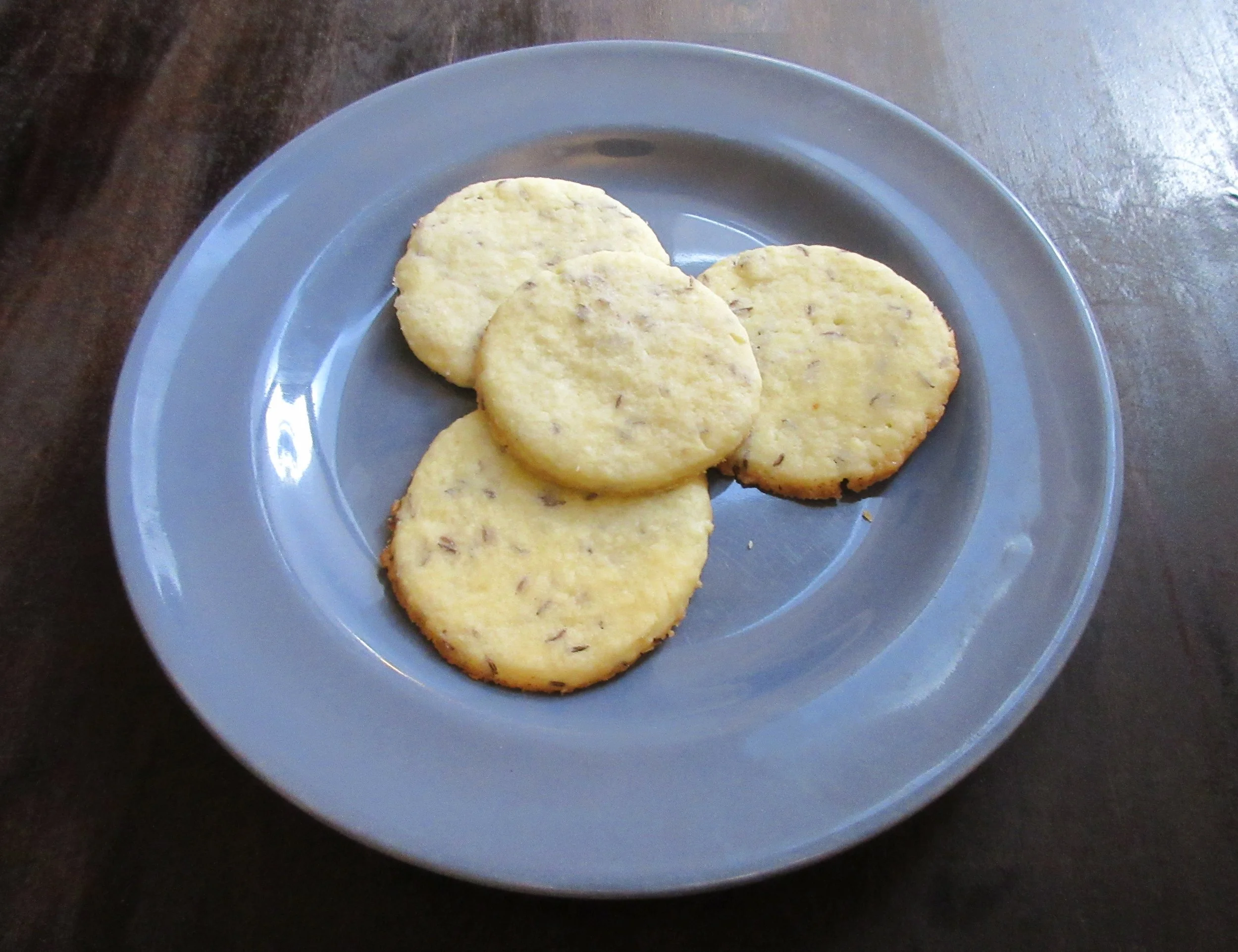
Shrewsbury Cake
These Shrewsbury Cakes are one of first recipes that I tested out for the Open Hearth Cooking Classes that I'm teaching at Nelles Manor in Grimsby, Ontario in September.
They are crisp & buttery, and the flavour of caraway seeds balances out the sweetness of these cookies. Shrewsbury Cake is from the first English-language cookbook that was both compiled & printed in Canada. The Frugal Housewife's Manual was published in Toronto in 1840, but the cookbook author is credited as “A. B. of Grimsby”. I love this connection to the Nelles family, since they likely would have known this mysterious A. B. who wrote the book.
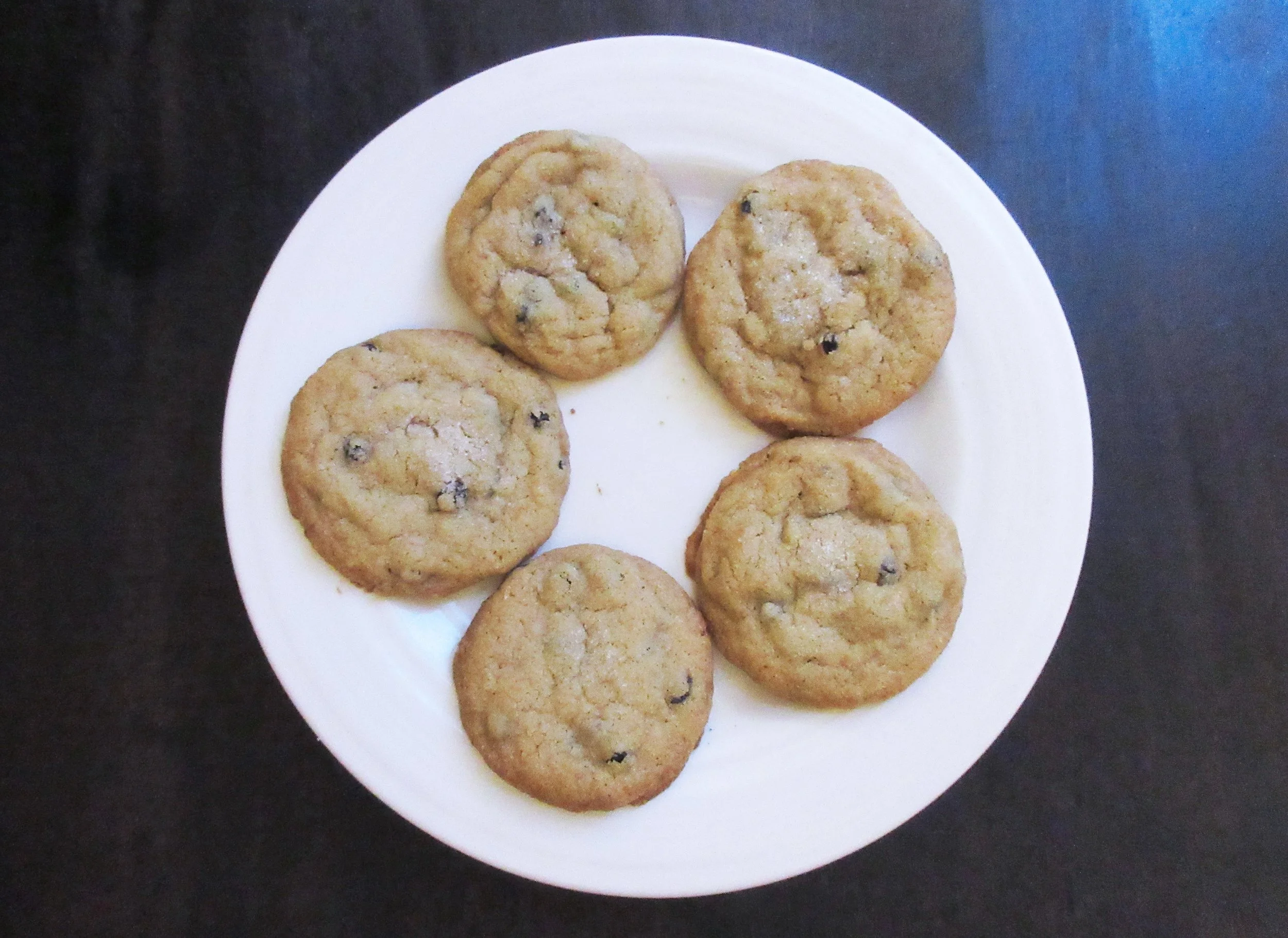
Queen’s Drops
Queen's Drops are a basic sugar & spice cookie with a hint of dried currants. The recipe is found in The Cook Not Mad, which has the distinction of being the very first cookbook to be published in Canada in 1831!
They are delicious with both white or brown sugar, but I prefer the extra flavour that comes with using brown. The dried currants provide little intense sweet flavour pops, and our recipe suggests using "any agreeable spice", so feel free to customize and add your favourite baking spices.