
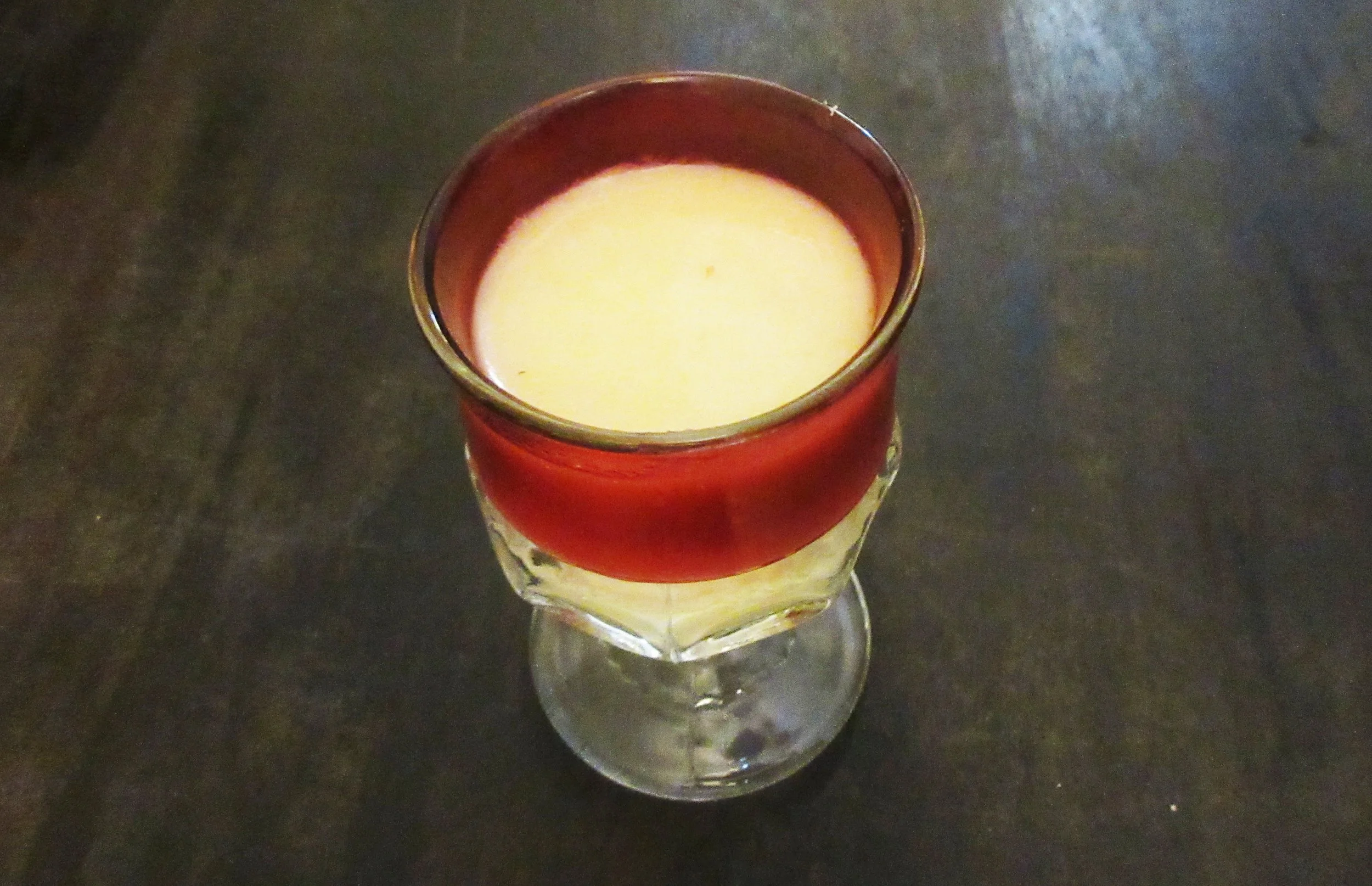
Cawdel of Almaund Mylk
You’ll find this recipe in:
The Forme of Cury
Compiled by the Master-Cooks of King Richard II
England, 1390s
Historic Recipe:
Cawdel of Almaund Mylk. xx.iiii. vii.
Take Almaundes blaunched and drawe hem up with wyne, do þerto powdour of gyngur and sugur and colour it with Safroun. boile it and serue it forth.
My Recipe:
2/3 cup almond flour
2 cups white wine
1½ tsp powdered ginger
½ tsp saffron
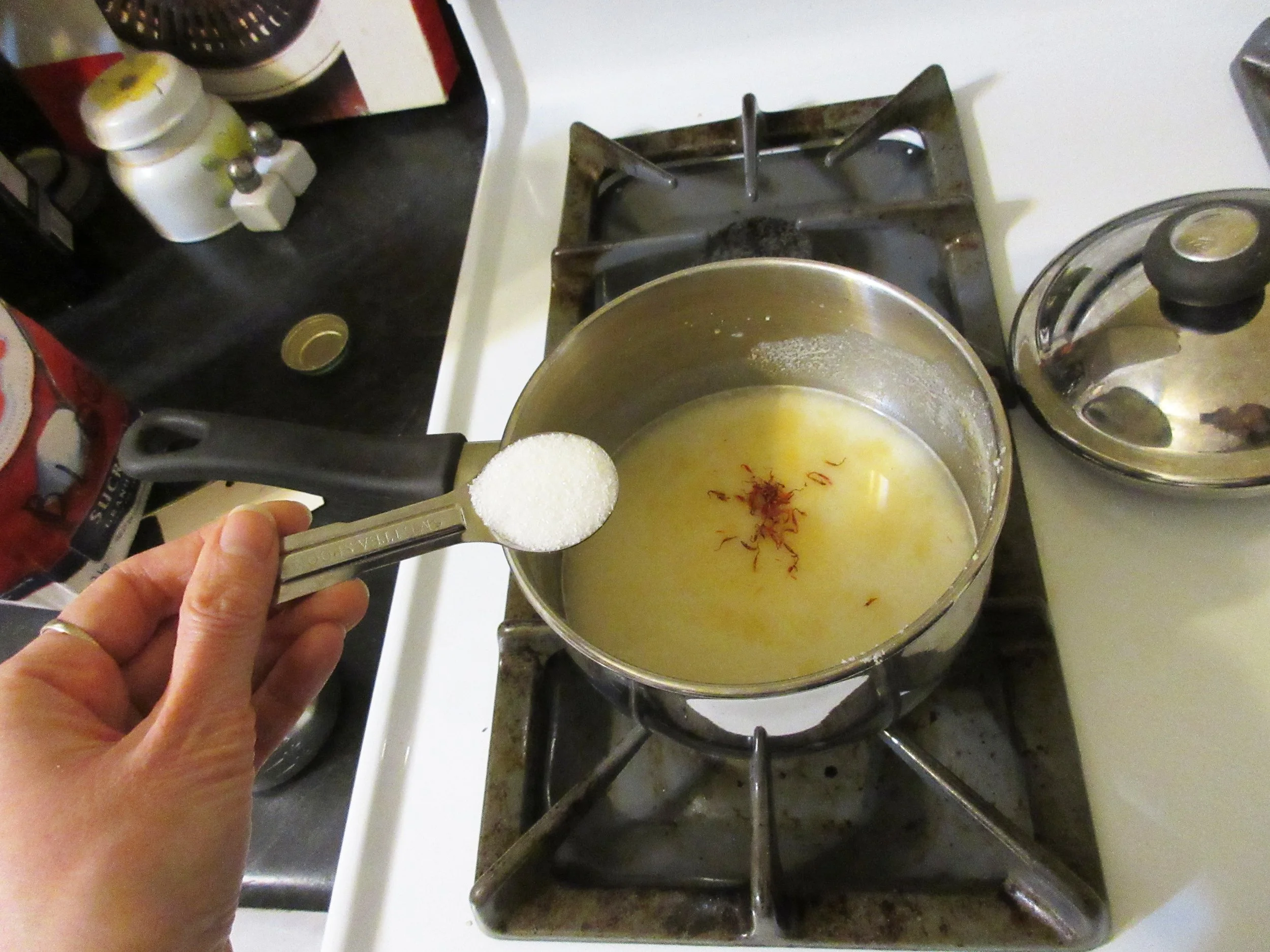
2 tbsp white sugar
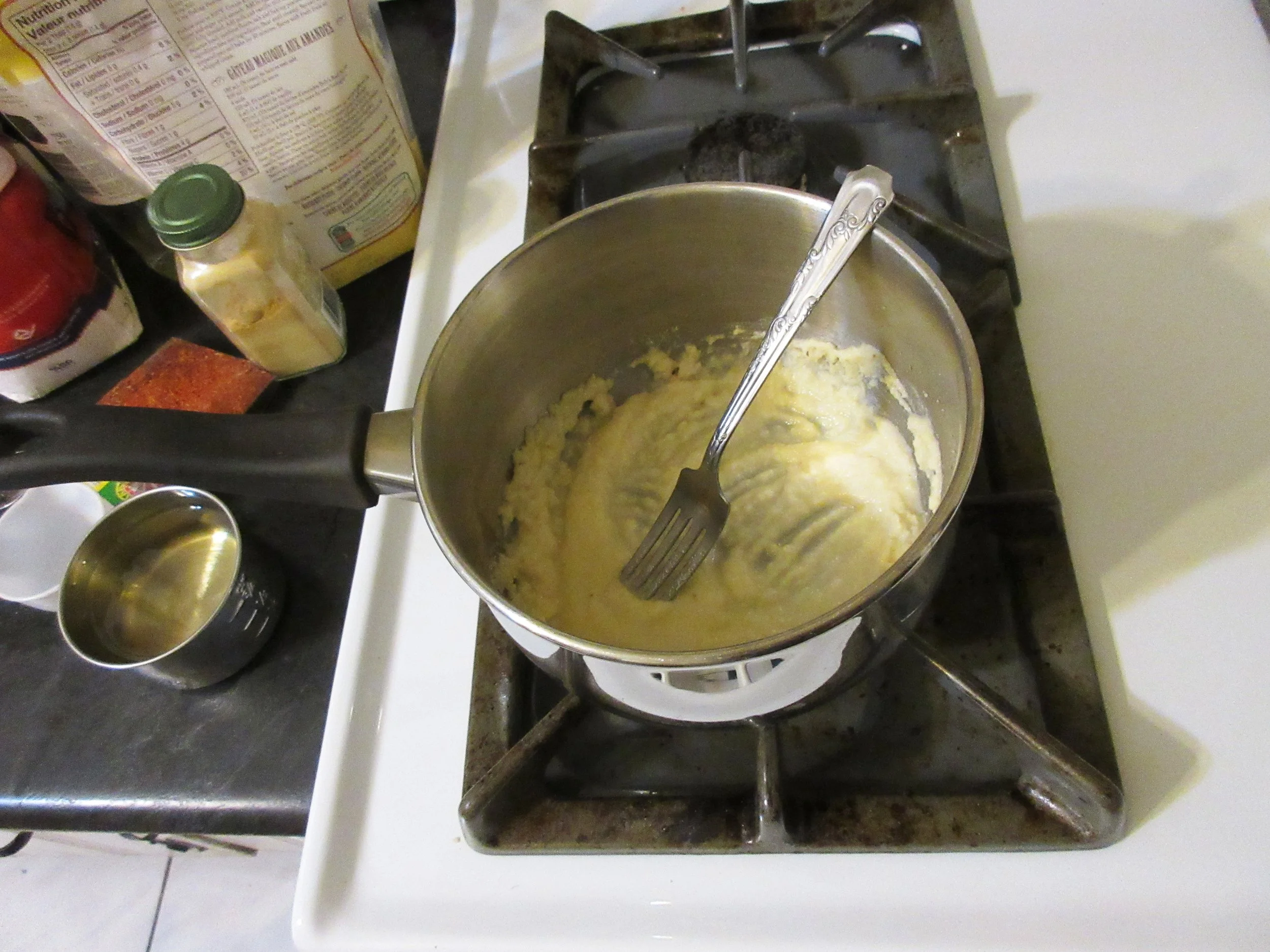
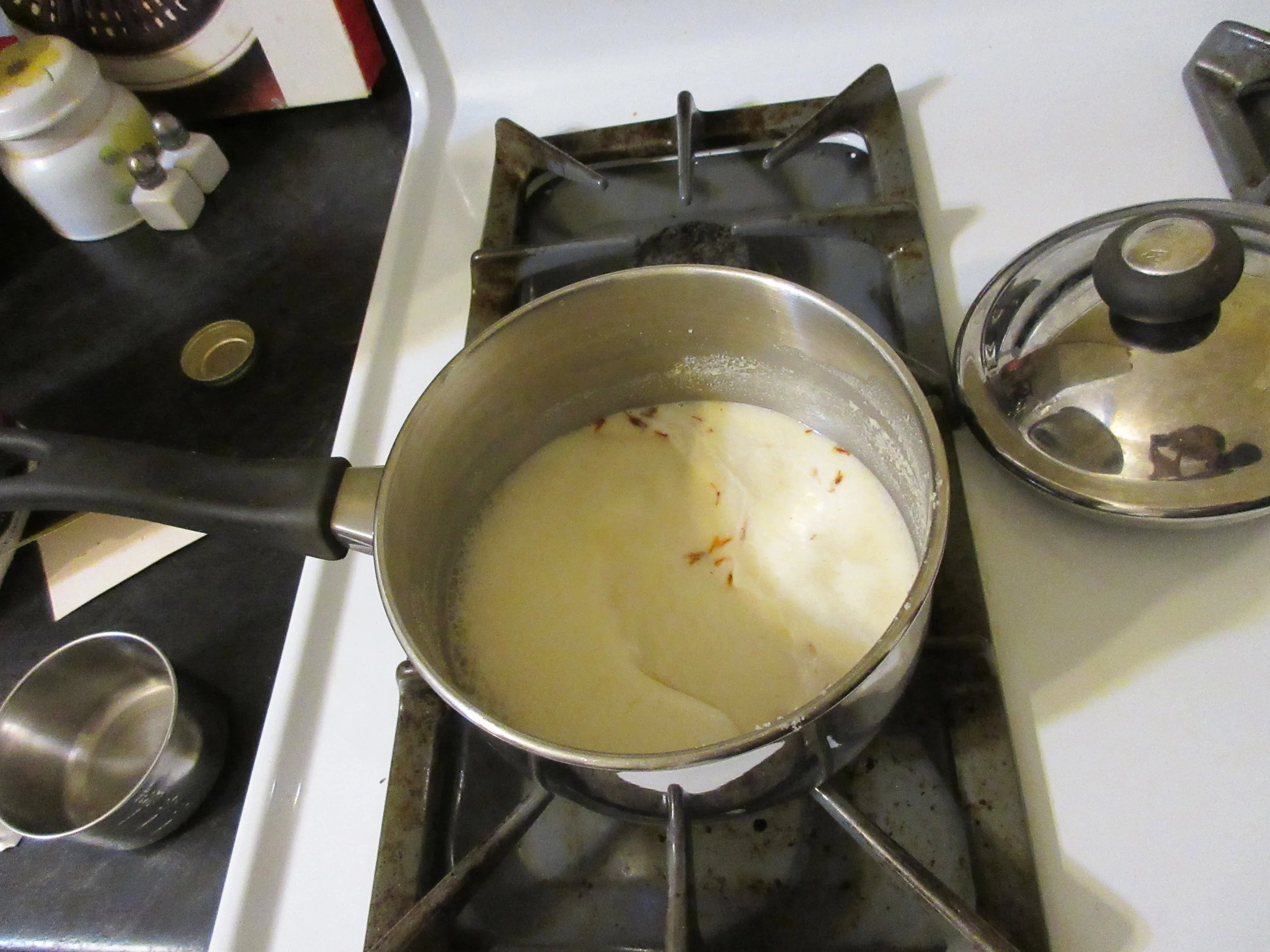
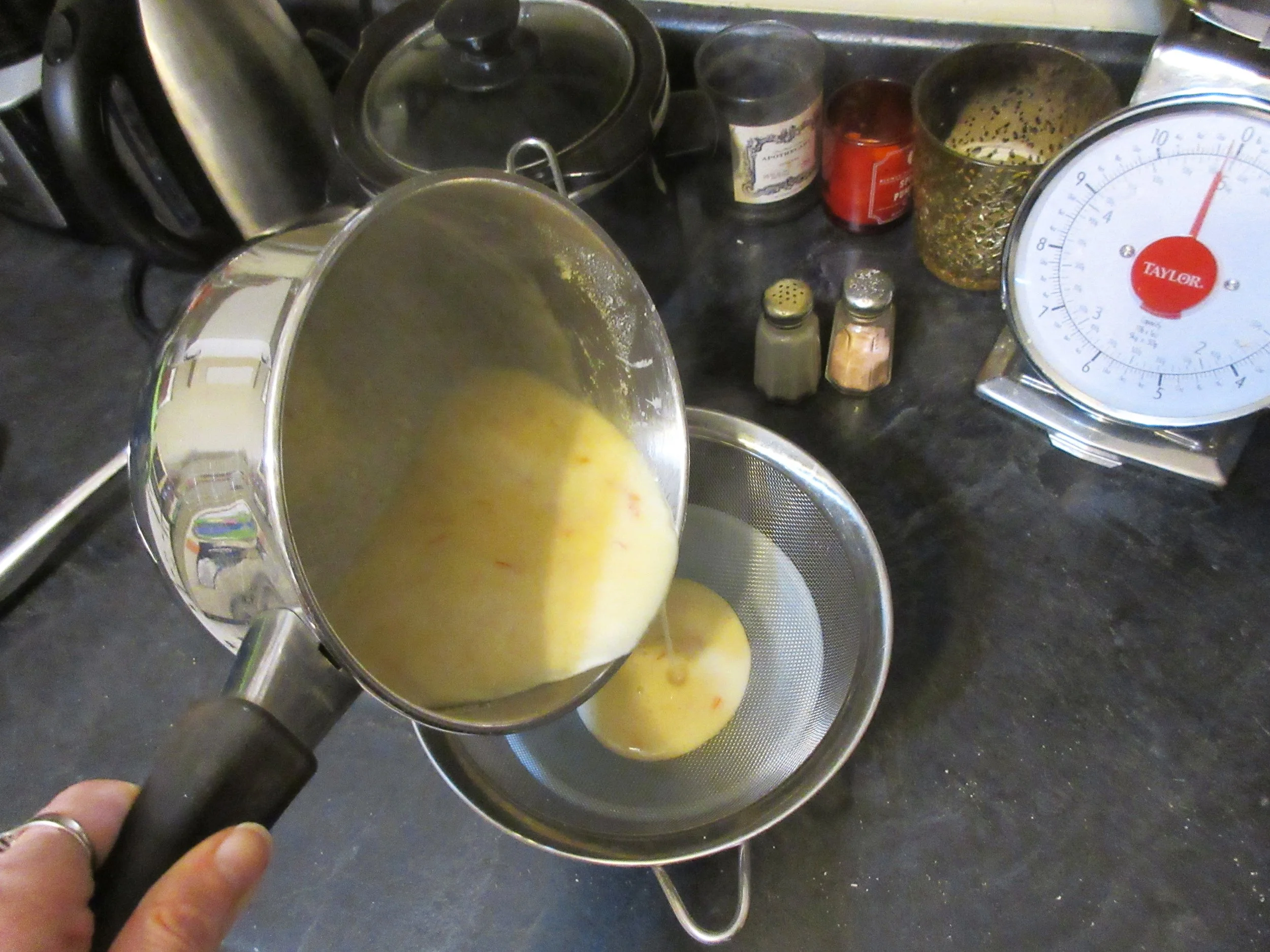
In a saucepan, slowly add the wine to the almond flour and mix well using a fork or whisk. Add the ginger, sugar and saffron. Heat until it bubbles, strain and serve.
Notes: I saved myself some work and used almond flour, but you could blenderize some almonds instead, or use a mortar and pestle if you want to be historically accurate!
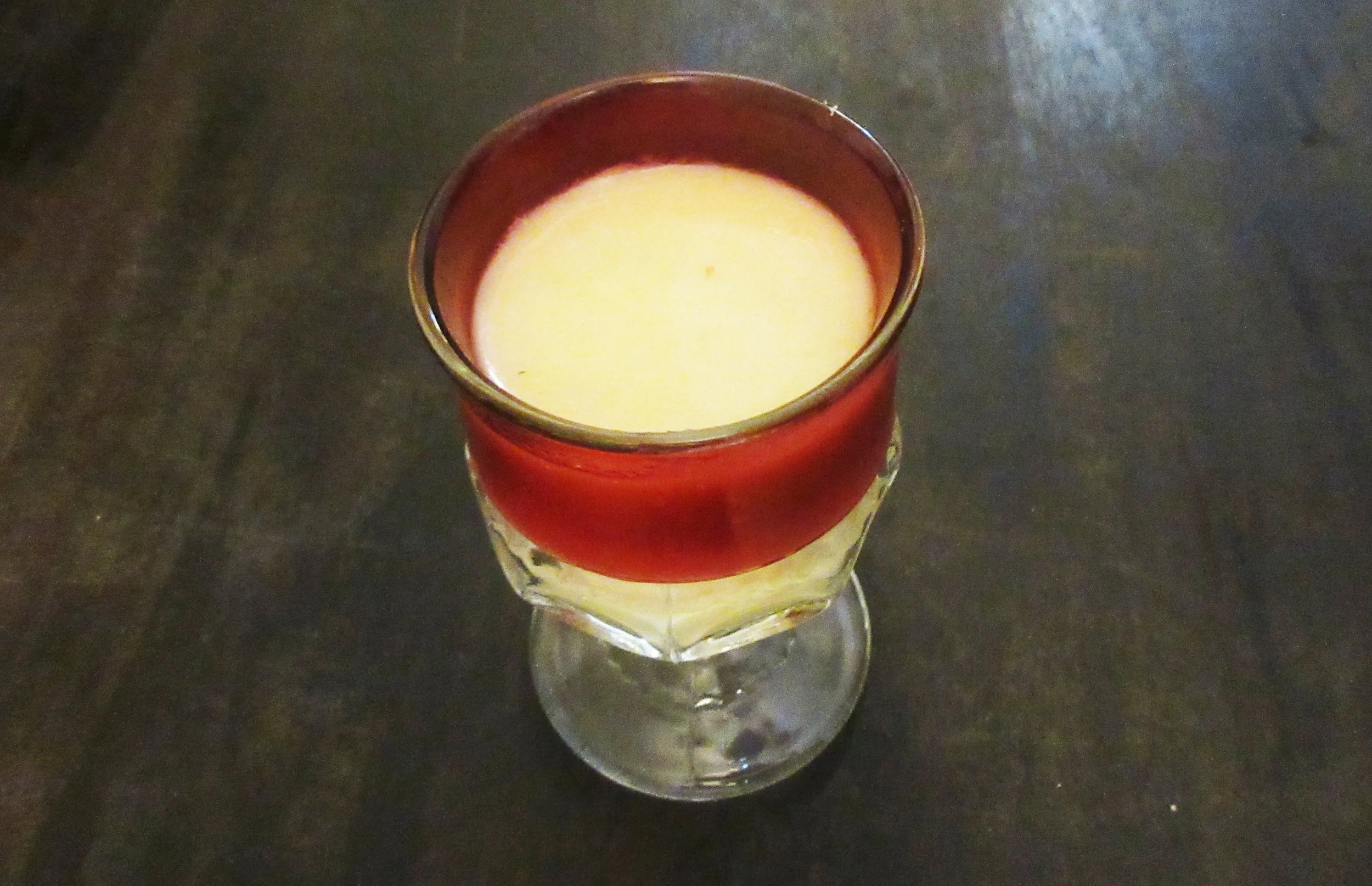
A caudle is traditionally a thick beverage, so I ran with that idea. The ratio of 2/3 cup almond flour to 1 cup wine produced a drink that is a bit thicker than egg nog. If that's not to your taste, adjust accordingly.
Cawdel of Almaund Mylk is a rather boozy and thick warm beverage that is slightly silty. It's made with white wine, ground almonds, sugar and ginger. This is a drink that you'll want to sip and be prepared for a strong alcohol taste, but if you avoid dairy but miss drinking eggnog, this is a recipe that you may want to try out!
One of the reasons why I started this blog back in March was so I had the freedom to explore recipes from different eras than the Historic House Museums where I've cooked. So far, I've made recipes from the 1740s to the 1970s, but Cawdel of Almaund Mylk is by far the most out of my Victorian comfort zone!
I've written about some of the first English-language cookbooks printed in Canada lately, so I thought I'd look into some of the first English-language cookbooks, period. I came across The Forme of Cury, which is a scroll of recipes written by the Master-Cooks of King Richard II in the 1390s. Despite what how we use the word "curry" today, this collection of recipes isn't about how to make Indian food. The word "cury" at the time meant to cook, derived from cuire, the French word with the same meaning.
What surprised me the most about reading The Forme of Cury is how many recipes used almond milk! I did some research and found out that almond milk was a favourite of the British upper class in that era because there were many days in the Christian calendar when eating dairy was forbidden.
If you're not familiar with what a cawdel is (today, it is spelled like caudle) it is a thick, warm liquid. A caudle could be considered a beverage, sauce, soup or pudding, and often caudles contain sugar and spices, egg yolk, bread or oats to thicken and use ale or wine as a base. Caudles were considered good for digestion and were often given to the sick to bring them back to health, so this beverage is probably the roots of "to coddle".
If you are someone who specializes in Medieval Cookery, I'd love to hear what you have to say about my attempt at making Cawdel of Almaund Mylk, and I really look forward to continuing my culinary history exploration further past the Victorian era.