
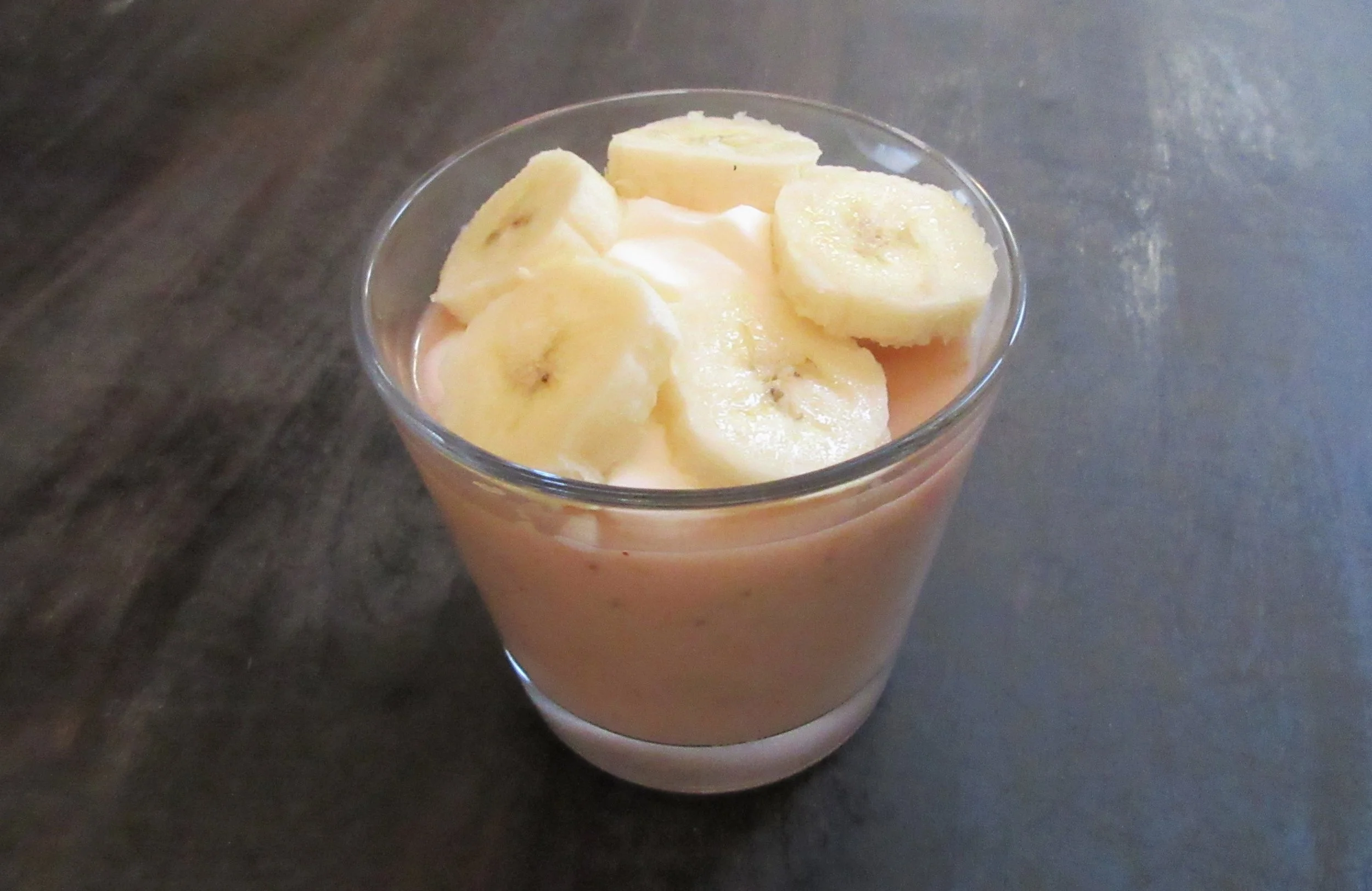
Rhubarb and Banana Fool
One evening recently, I found myself driving home from visiting my Mom with a small harvest of fresh rhubarb from her garden in the passenger seat. Basically as soon as I set foot in my door, I searched for a historic rhubarb recipe that wasn’t Rhubarb Jam, Stewed Rhubarb or Rhubarb Pie (the things I do for fun!).
Rhubarb and Banana Fool, from the 1900 cookbook Mrs. Beeton’s Cold Sweets, was the most intriguing to me. A good description of this recipe in today’s terms would be a low-sugar banana and rhubarb smoothie, with a suggested whipped cream topping.
This recipe got me to start thinking about a few things: what immediately sprang to mind was one of my Father-in-Law’s favourite stories to tell first time he ate a banana in the 1950s. It’s a funny tale, so be sure to keep reading for a chuckle.
Discovering the Rhubarb and Banana Fool recipe also made me wonder: “When did people start eating bananas in North America?”, so I delve into answering that question by having a look at American and Canadian cookbooks.
You’ll also find a bit of bonus info about Cochineal, an insect used as a red dye. At the end, I briefly run over the beginnings of the banana growing industry in the Americas, and the grave injustice of the more-delicious Gros Michel banana becoming almost wiped out by disease, to be replaced by our less-tasty Cavendish bananas that we eat today.
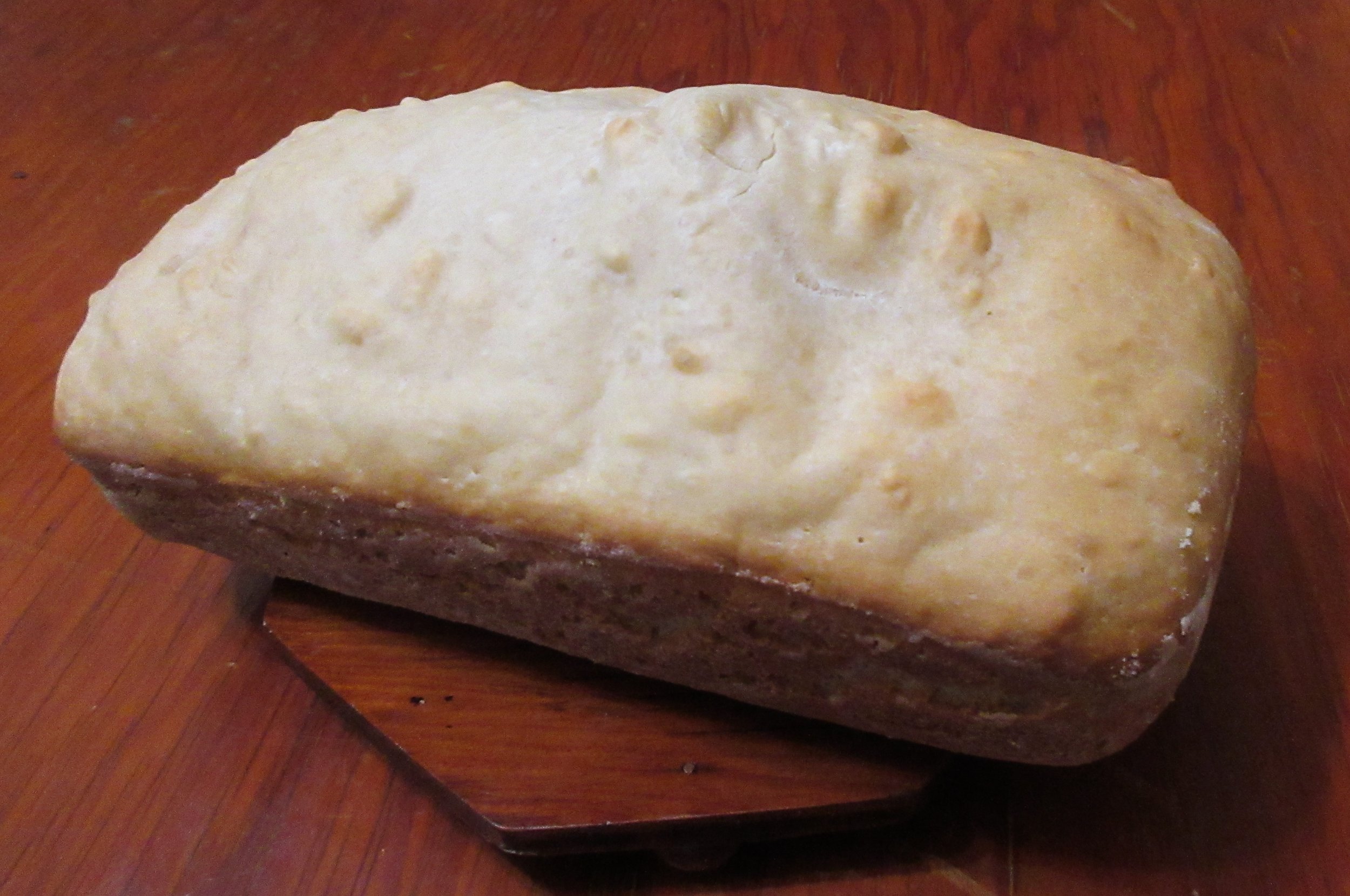
Soda Bread
Baking Soda Bread is a shortcut to eating fresh baked bread when you’re short on time. You’ll be spreading butter on a warm bread slice in about an hour and a half!
This Soda Bread recipe, from the 1861 Mrs. Beeton’s Book of Household Management, is a favourite of mine because it produces a more moist and less dense soda bread than most recipes that I’ve tried. Soda bread doesn’t have the longevity of risen breads, so it will be toast (literally) sooner than later.
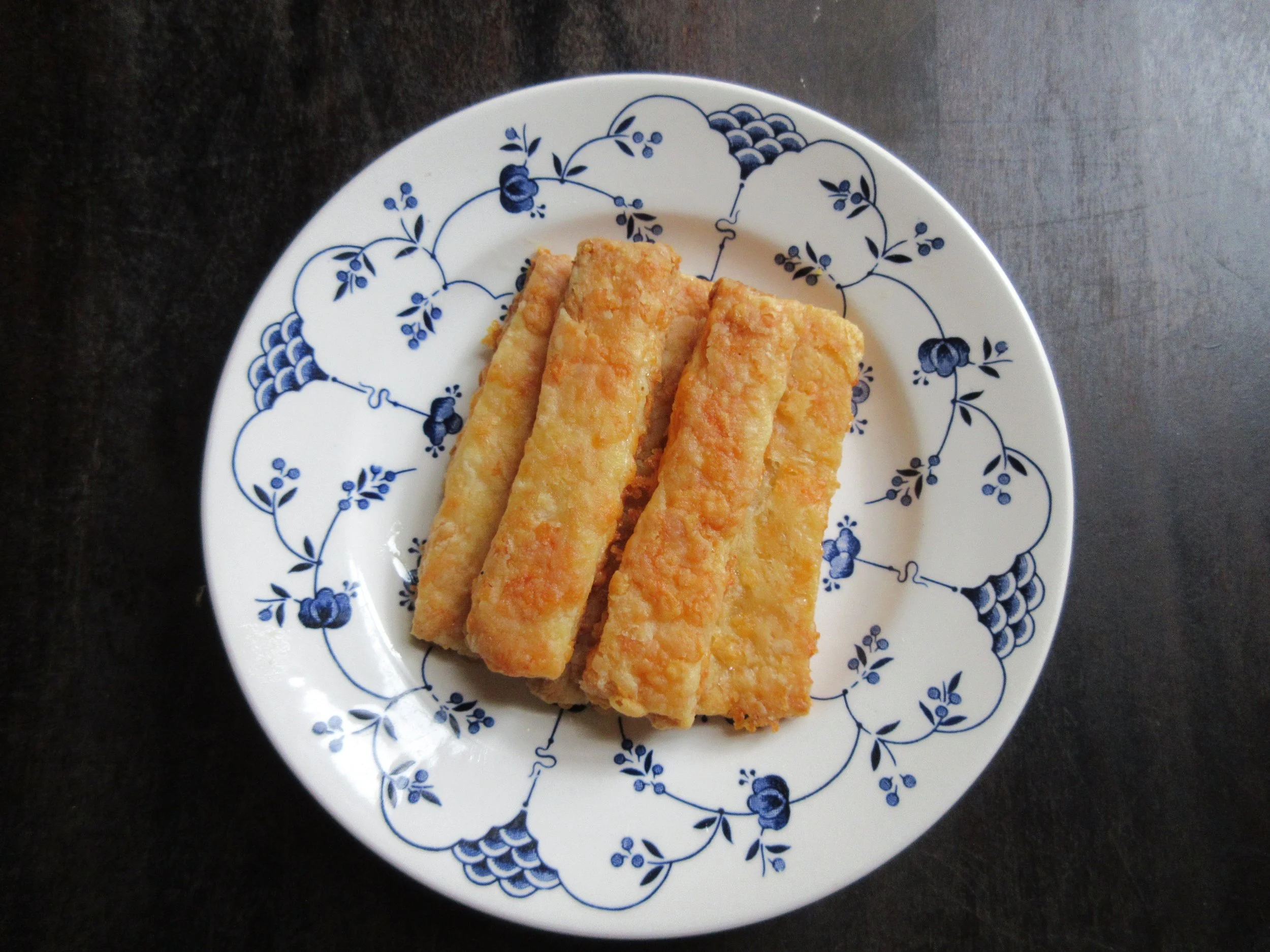
Cayenne Cheeses
When I decided to start my own food history blog, I knew right away that my first blog post would be about Cayenne Cheeses. Why? Cayenne Cheeses were the first historic food that I fell in love with when I started working as a Historical Interpreter, and I'm not alone. If my coworkers don't have dietary restrictions against dairy and wheat, it's a pretty safe bet that they're also mad about Cayenne Cheeses.