
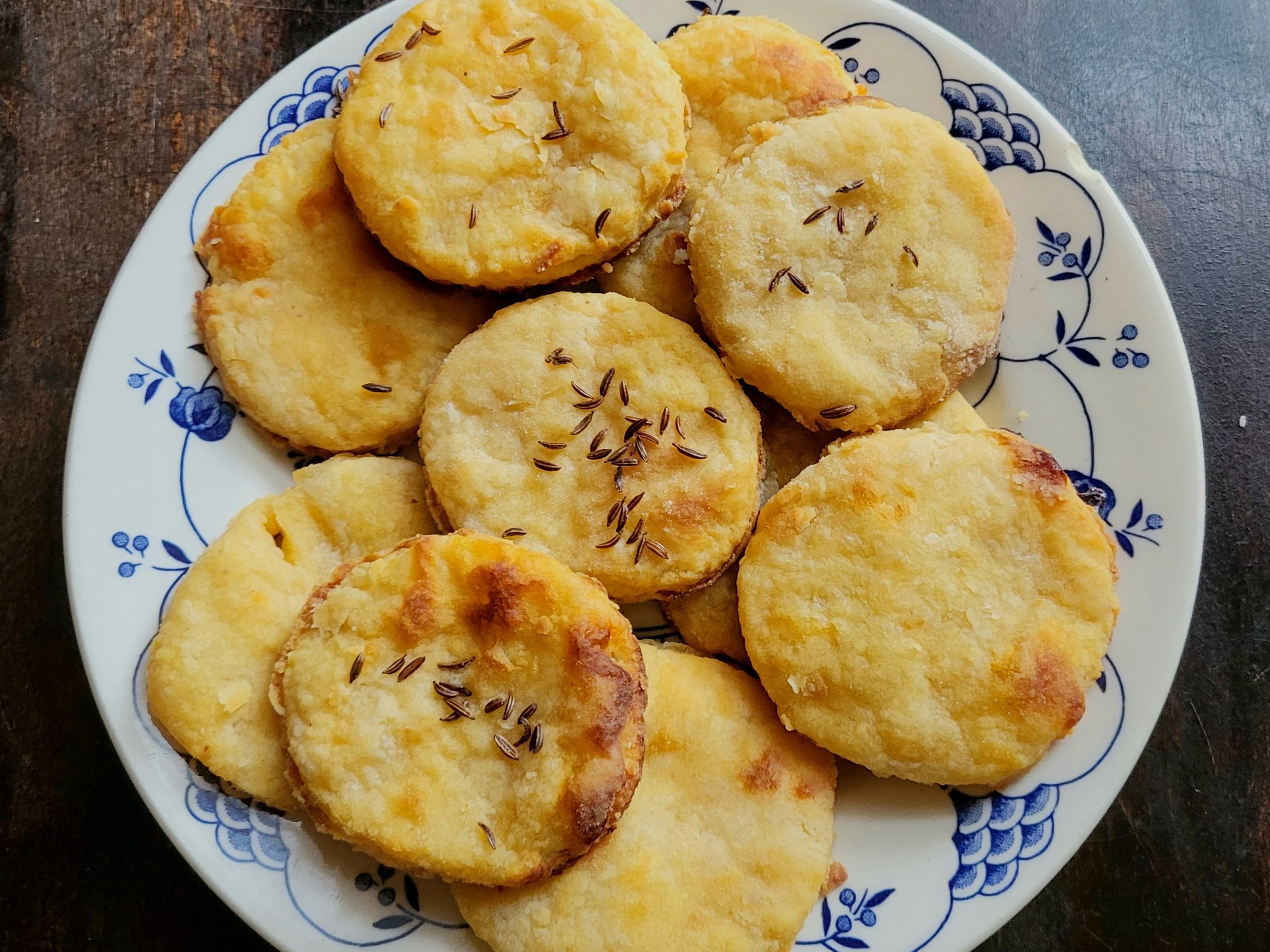
Cheese Cookies
March 31st is the anniversary of this blog – and in honour of my first recipe, Cayenne Cheese from Mrs. Beeton’s Book of Household Management, which is the first written recipe for Cheese Straws, I’ve been making recipes that feature flour, butter, cheese, salt and cayenne pepper each year to mark the occasion. This Cheese Cookie recipe is from the 1940s edition of the Joy of Cooking.
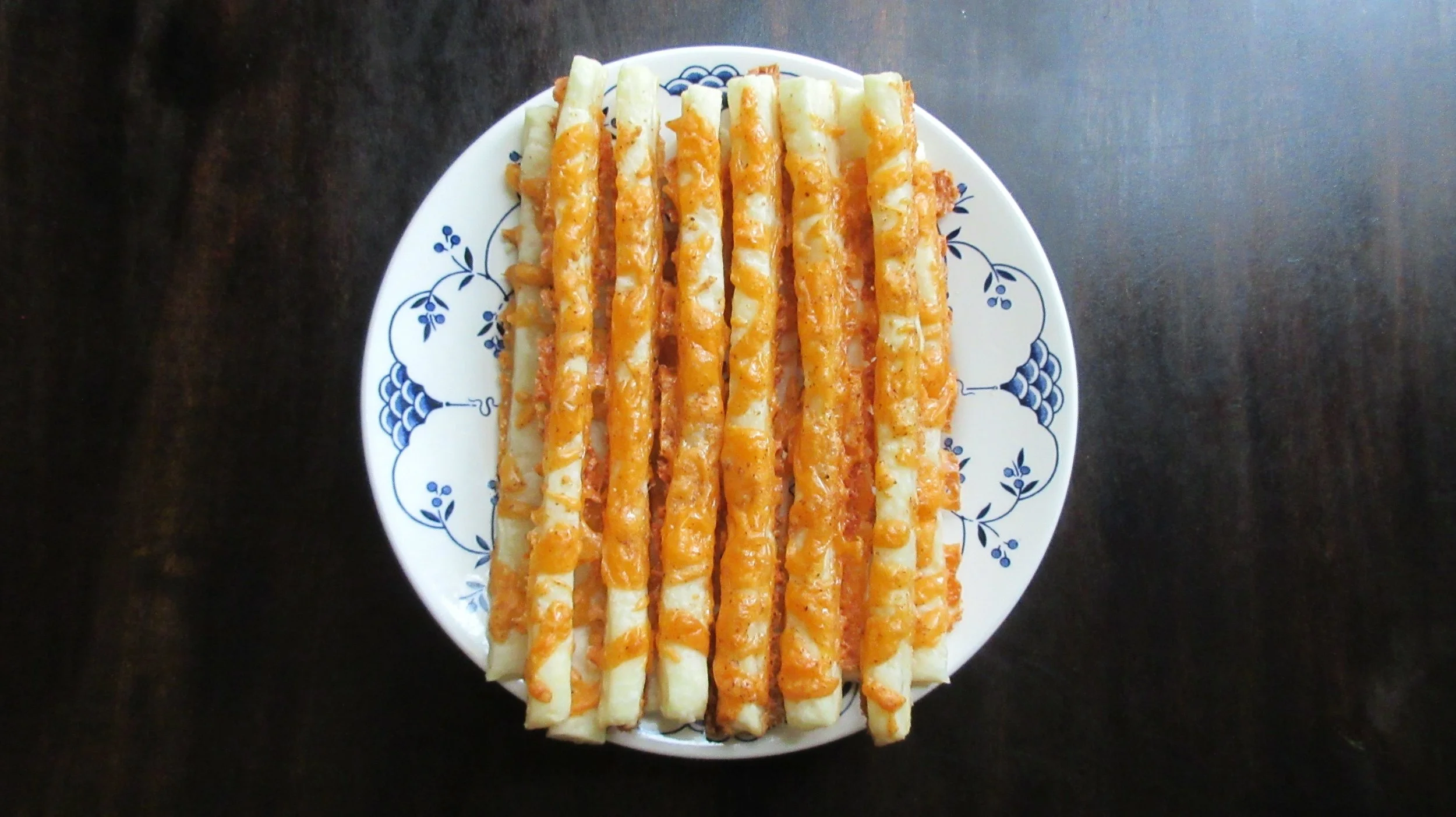
Cheese Straws
It’s my anniversary today! Three years ago today, I was furiously completing my first blog post, Cayenne Cheeses, which still is one of my favourite historic recipes. Each year ever since, I’ve made another baked cheesy recipe with cheese, butter, flour, salt and cayenne pepper in the ingredient list.
This Cheese Straw recipe is from the 1903 Good Housekeeping Everyday Cook Book and it’s very simple to put together. Grate cheese, season with salt and cayenne pepper and sprinkle it on top of thin strips of pastry. It’s an excellent recipe for making a delicious snack from the extra pastry when you’re making a pie. You could also make or buy pastry if you want a larger batch. They taste quite more-ish, so you might very well want to make pastry specifically for this recipe!
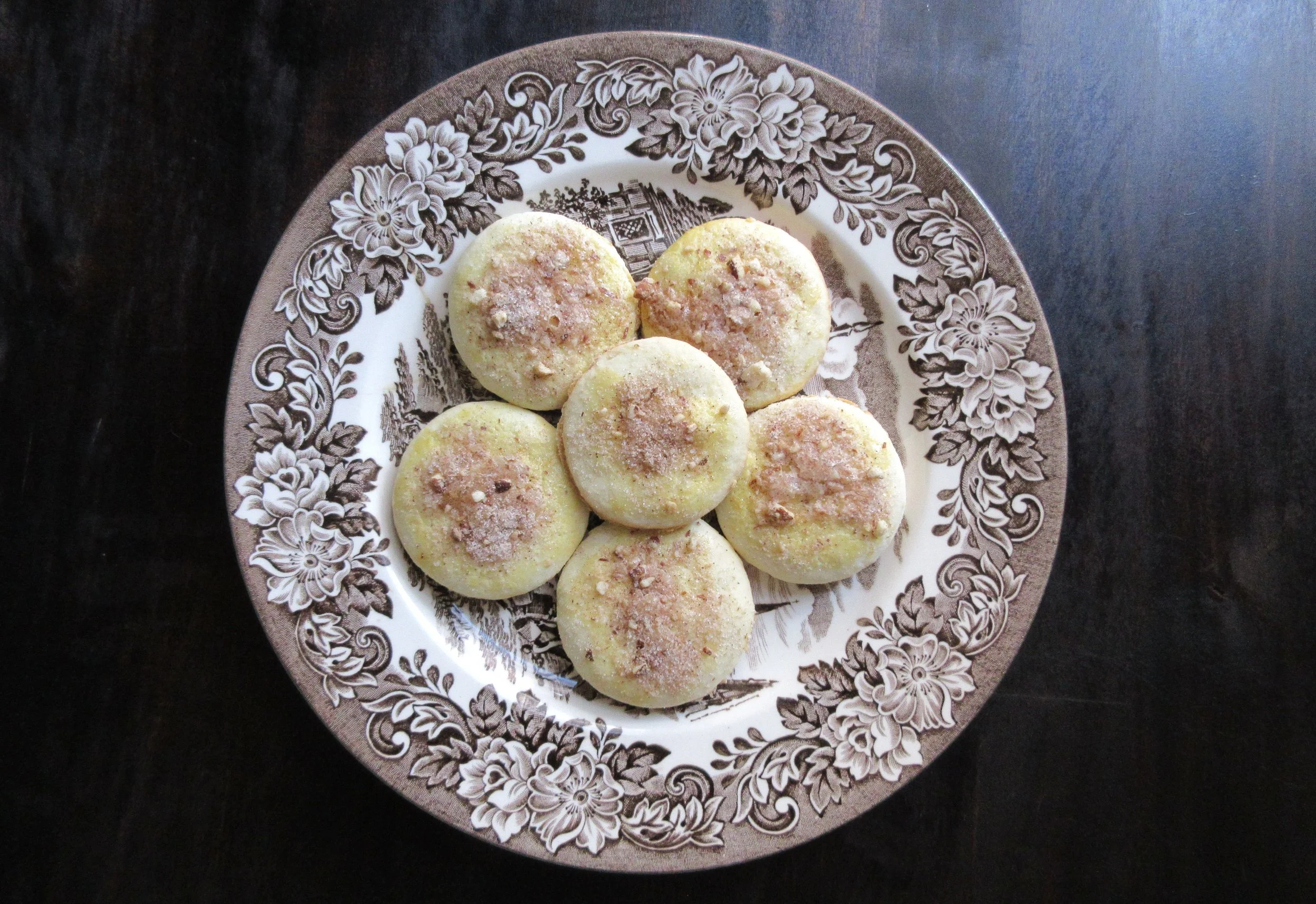
Cup Cookies
Cu p Cookies are a milk, lemon and sugar cookie with an almond, sugar & cinnamon topping sprinkled on top. This recipe is from Aunt Babette’s Cook Book from 1889, and its leavening agent is Ammonium Bicarbonate or Baker’s Ammonia
I’ve chosen this recipe because for the last 2 years, my Ammonia Cakes recipe has been my most popular post by far. This tells me that there’s an appetite for research and recipes using Baker’s Ammonia, but I’m torn, because Ammonia Cakes is not a delicious recipe at all! I had to make a second recipe, Icing for Cake to save the Ammonia Cakes so they were edible and they didn’t end up in the compost.
Cup Cookies are a much more delicious ammonium bicarbonate cookie. Stick with this recipe for the deliciousness, but head over to Ammonia Cakes for a bit of history about Baker’s Ammonia.
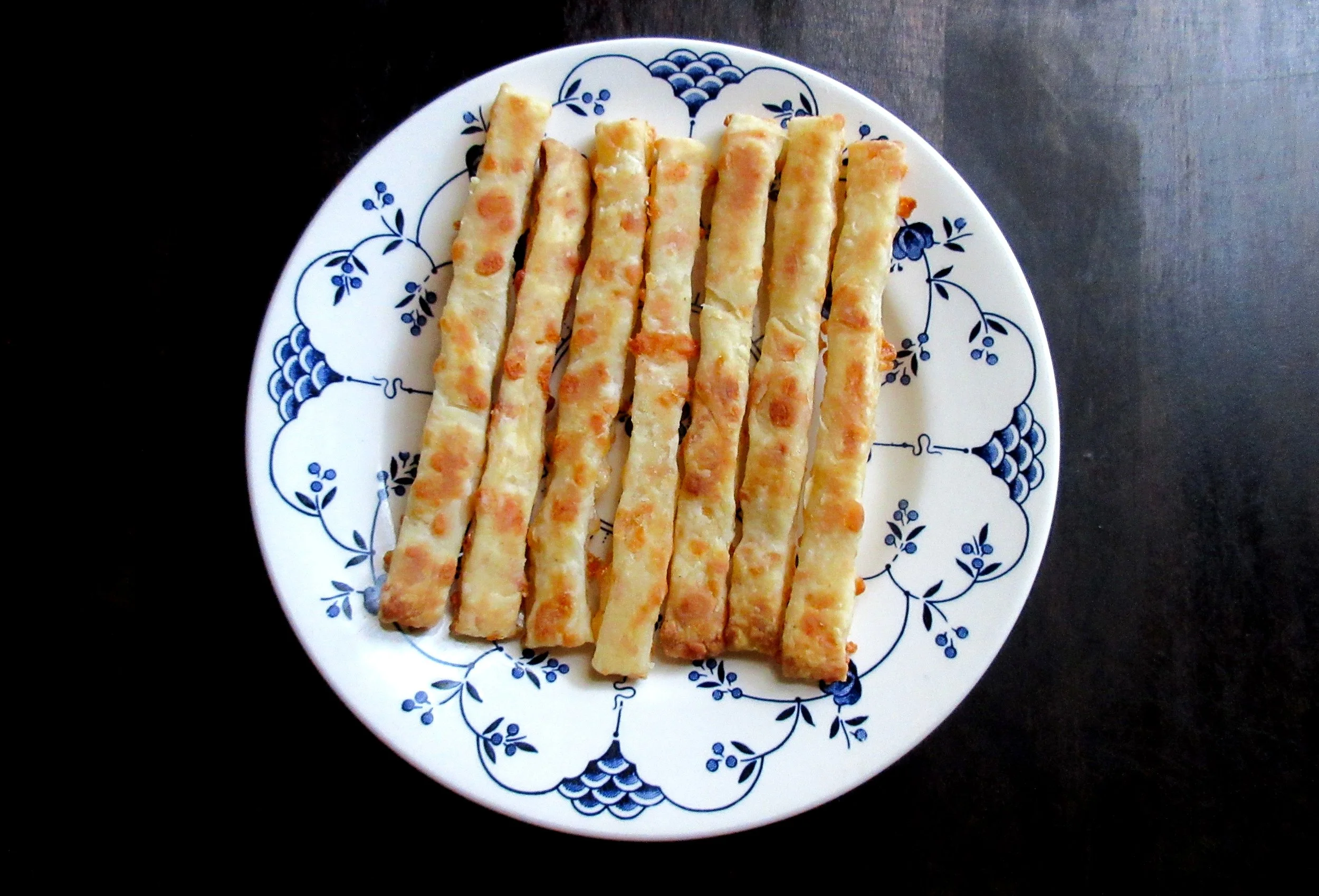
Cheese Straws
Today’s my 2nd Blogaversary! 2 years ago today, I nervously and excitedly hit “publish” on my very first recipe post. The recipe I picked was Cayenne Cheeses from the 1861 cookbook Mrs. Beeton’s Book of Household Management. I picked it because it was – and it still is – my favourite historic recipe that I’ve ever made and eaten.
A year later, I started the tradition of posting a similar recipe each year on March 31st to celebrate the milestone. Last year’s recipe was Cheese Hooies from the 1965 Stillmeadow Cookbook by Gladys Taber. 2020’s twist on baking flour, butter, cheese, salt and cayenne pepper together is Cheese Straws. This recipe come to us all the way from the 1891 Tried and True Cookbook, a community cookbook compiled by the “Ladies Aid Society and Friends of the First Methodist Episcopal Church of Deadwood, South Dakota”.
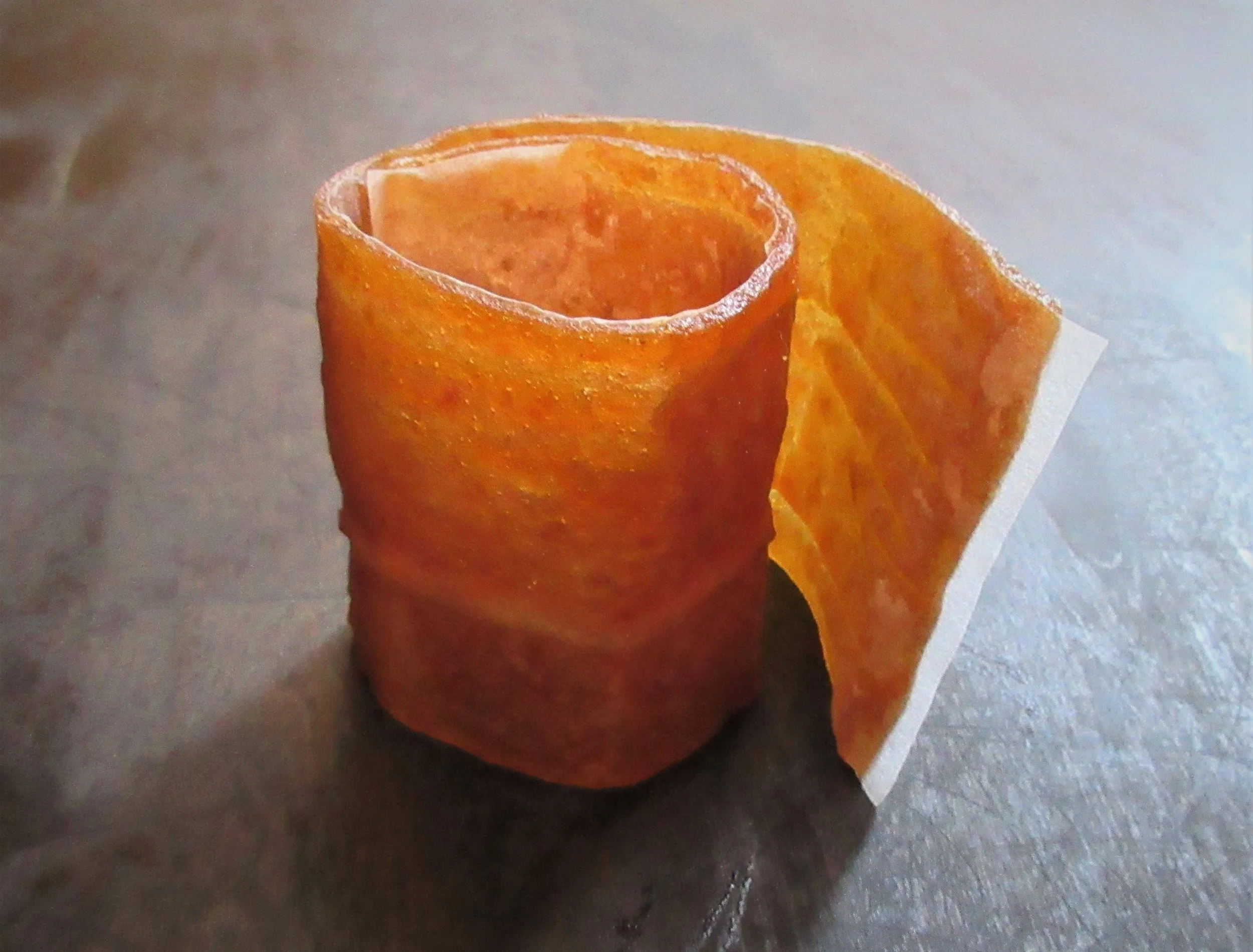
Apple Leather
If you have a look at all the recipes in the “Fruit” category on this blog, you’re going to notice that most of my fruit recipes feature apples. I just did the math, and as of today, we’re talking 62.5% of my fruit recipes. Here’s the reason why: when we moved into our current home in Hamilton, we didn’t realize that the giant tree in our backyard was in fact a very prolific old apple tree!
August is my unofficial Apple Month, when I try to keep as many apples out of the compost bin as possible. Do you want cooking apples next summer? Let me know if you do and they are yours! This Apple Leather recipe is from one of the Victorian cookbooks that I turn to again and again, Miss Leslie's Directions for Cookery from 1851.
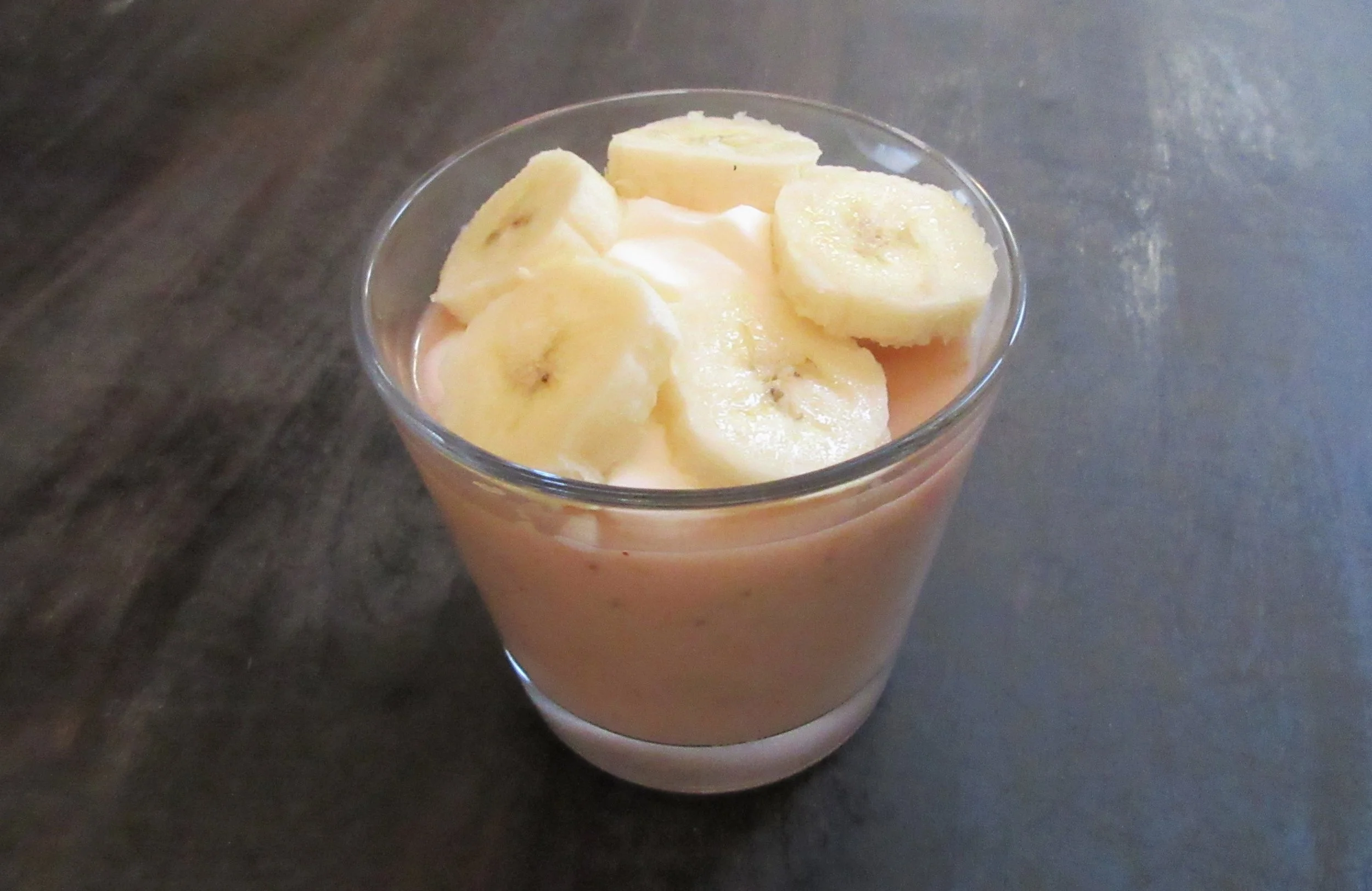
Rhubarb and Banana Fool
One evening recently, I found myself driving home from visiting my Mom with a small harvest of fresh rhubarb from her garden in the passenger seat. Basically as soon as I set foot in my door, I searched for a historic rhubarb recipe that wasn’t Rhubarb Jam, Stewed Rhubarb or Rhubarb Pie (the things I do for fun!).
Rhubarb and Banana Fool, from the 1900 cookbook Mrs. Beeton’s Cold Sweets, was the most intriguing to me. A good description of this recipe in today’s terms would be a low-sugar banana and rhubarb smoothie, with a suggested whipped cream topping.
This recipe got me to start thinking about a few things: what immediately sprang to mind was one of my Father-in-Law’s favourite stories to tell first time he ate a banana in the 1950s. It’s a funny tale, so be sure to keep reading for a chuckle.
Discovering the Rhubarb and Banana Fool recipe also made me wonder: “When did people start eating bananas in North America?”, so I delve into answering that question by having a look at American and Canadian cookbooks.
You’ll also find a bit of bonus info about Cochineal, an insect used as a red dye. At the end, I briefly run over the beginnings of the banana growing industry in the Americas, and the grave injustice of the more-delicious Gros Michel banana becoming almost wiped out by disease, to be replaced by our less-tasty Cavendish bananas that we eat today.
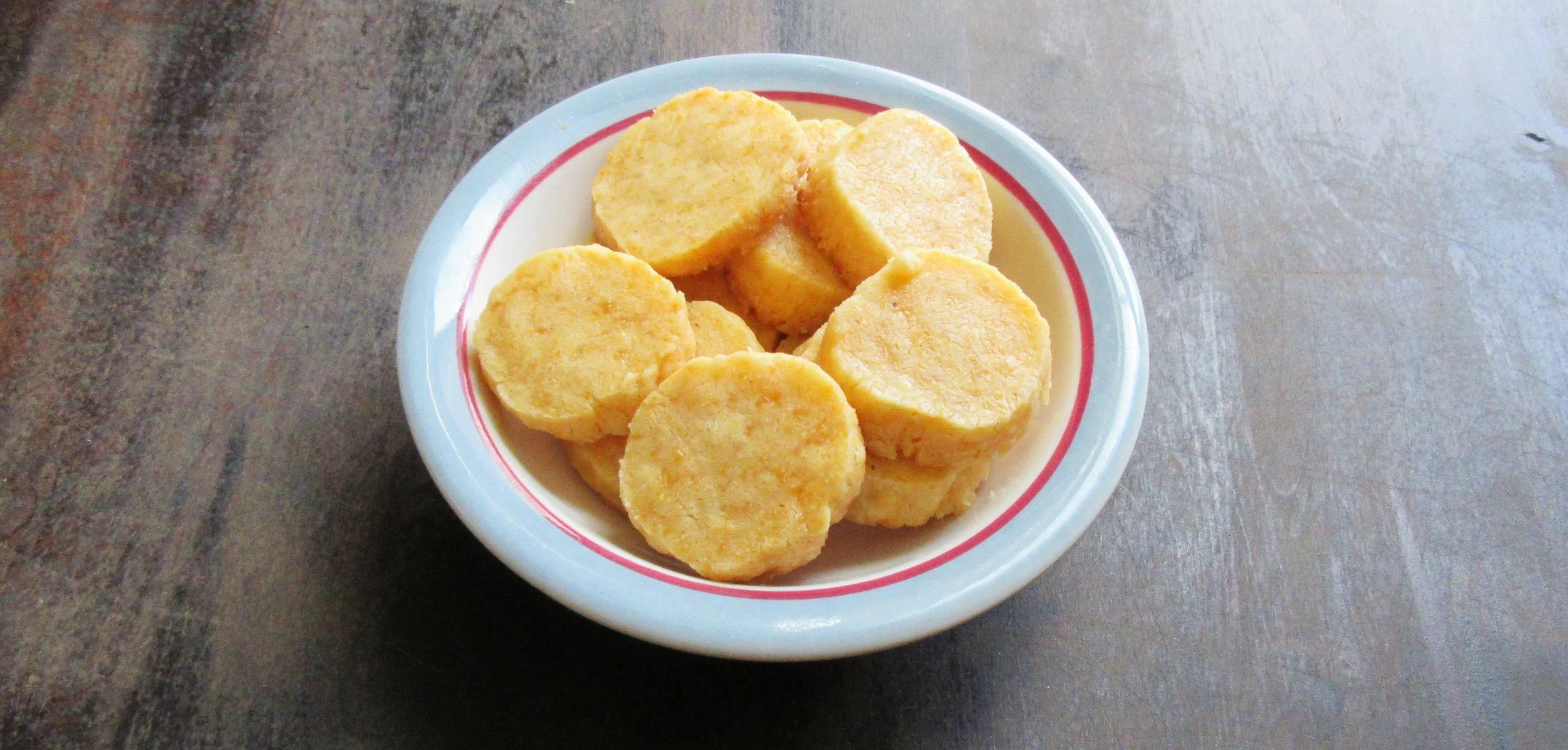
Cheese Hooies
One year ago today, on March 31st, I hit the "Publish" button for the first time and put out my first Food History blog recipe for the world to see and taste. I selected Cayenne Cheeses, a scrumptious cheese biscuit, from the 1861 Mrs. Beeton's Book of Household Management because it has been one of my favourite historic recipes since I began working in Historic House Museums. They are really delicious, you should try them!
My 1-year anniversary recipe is Cheese Hooies. When I first read this recipe in the 1965 Stillmeadow Cookbook by Gladys Taber, I saw the ingredient list (butter, cheese, flour, salt and cayenne pepper) and thought, "These Hooies are basically Cayenne Cheeses". Cheese Hooies haven't kicked Cayenne Cheeses off my favourite recipes list, but making them was interesting look at how a century changes a recipe.
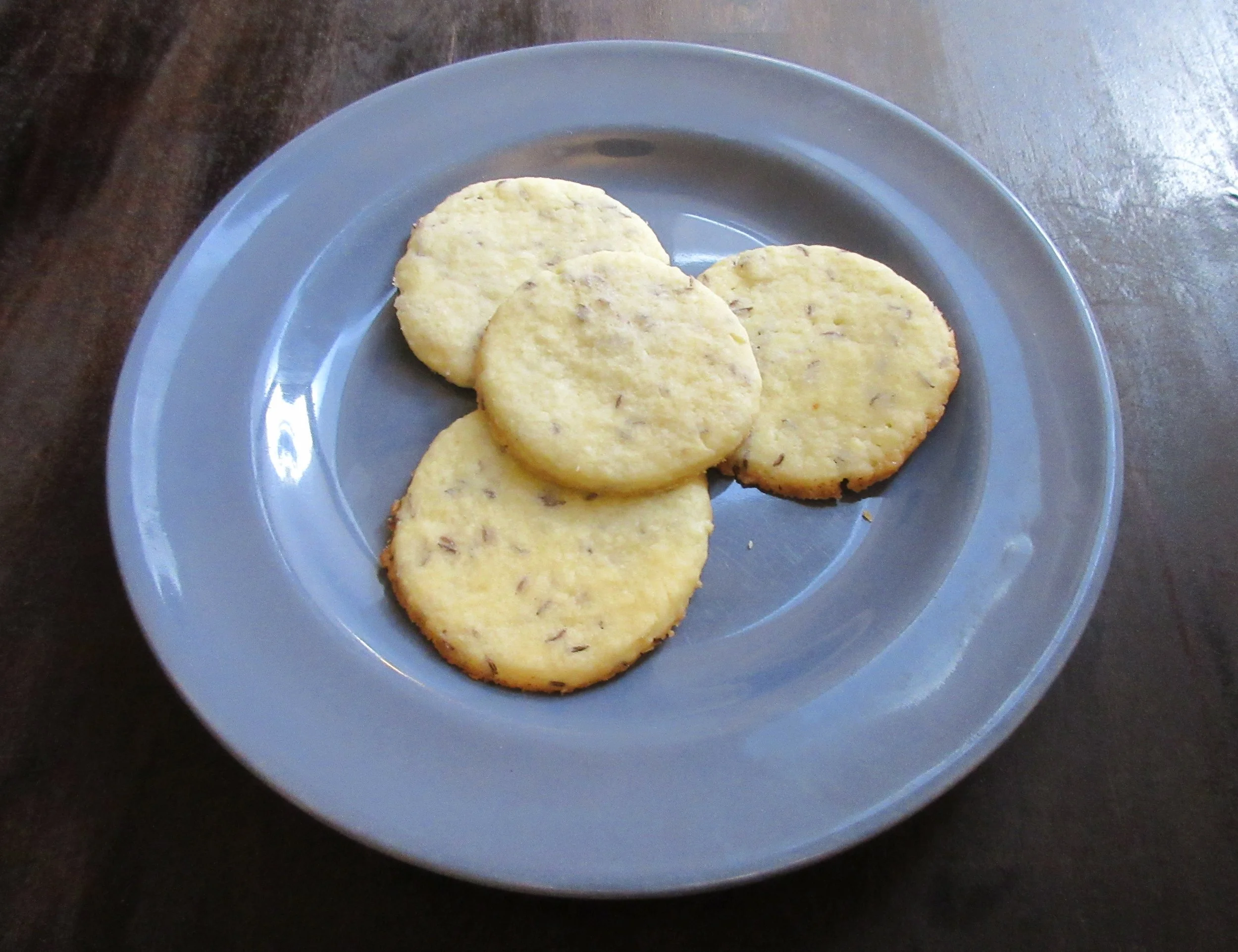
Shrewsbury Cake
These Shrewsbury Cakes are one of first recipes that I tested out for the Open Hearth Cooking Classes that I'm teaching at Nelles Manor in Grimsby, Ontario in September.
They are crisp & buttery, and the flavour of caraway seeds balances out the sweetness of these cookies. Shrewsbury Cake is from the first English-language cookbook that was both compiled & printed in Canada. The Frugal Housewife's Manual was published in Toronto in 1840, but the cookbook author is credited as “A. B. of Grimsby”. I love this connection to the Nelles family, since they likely would have known this mysterious A. B. who wrote the book.
Filled Dills
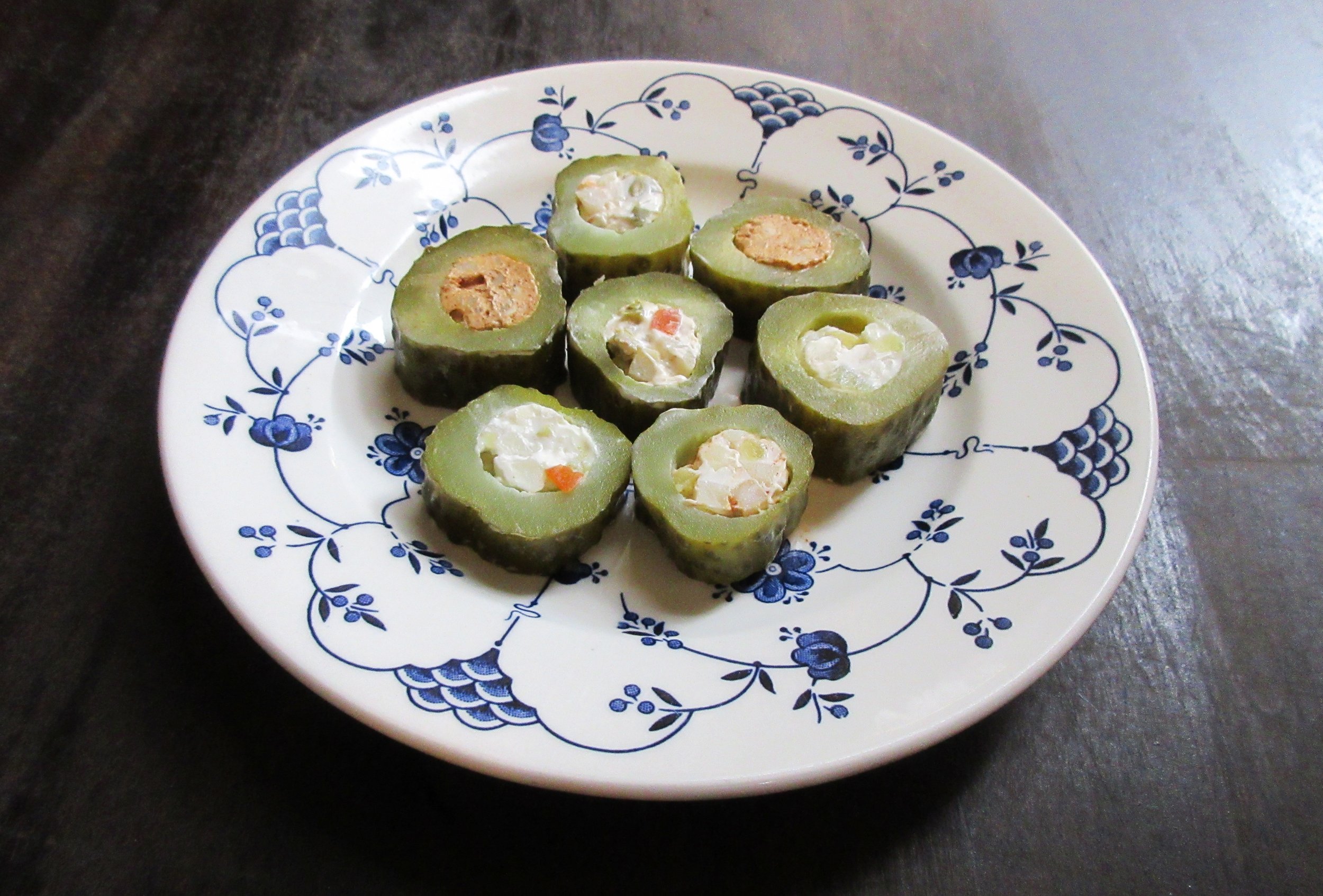
Filled Dills is an appetizer recipe from The Stay Out of the Kitchen Cookbook, published in 1968. This cookbook contains make ahead recipes and dishes that can be left in the oven so that a hostess can spend time with her dinner guests instead of spending her dinner party in the kitchen.
Filled Dills are large dill pickles hollowed out with an apple corer, filled with cream cheese & various flavourings, then finally sliced into thin pieces. They are very tasty and easy to make ahead for your next gathering.
Mushroom Rolls
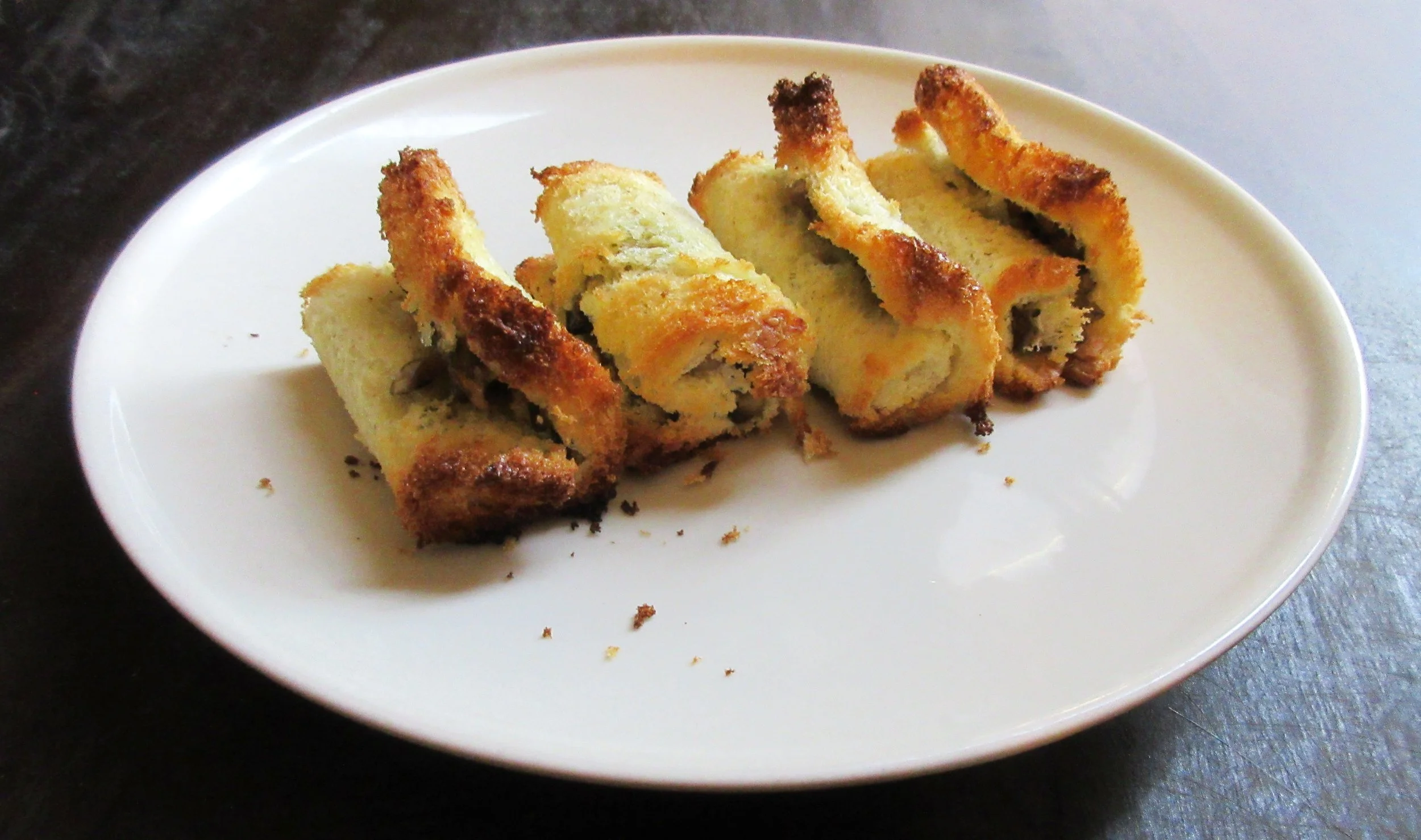
Mushroom Rolls would be perfect for your next afternoon tea, or as an appetizer at your next celebration. Or anytime. They would probably be perfect to eat at any point in time. I'm a huge fan of mushrooms and butter, and this recipe uses both ingredients liberally.
Add lemon juice, curry powder, salt & pepper, a dash of cayenne pepper...and additional butter...to the mushrooms, then package it up in crispy bread. Yum.
Taheeni
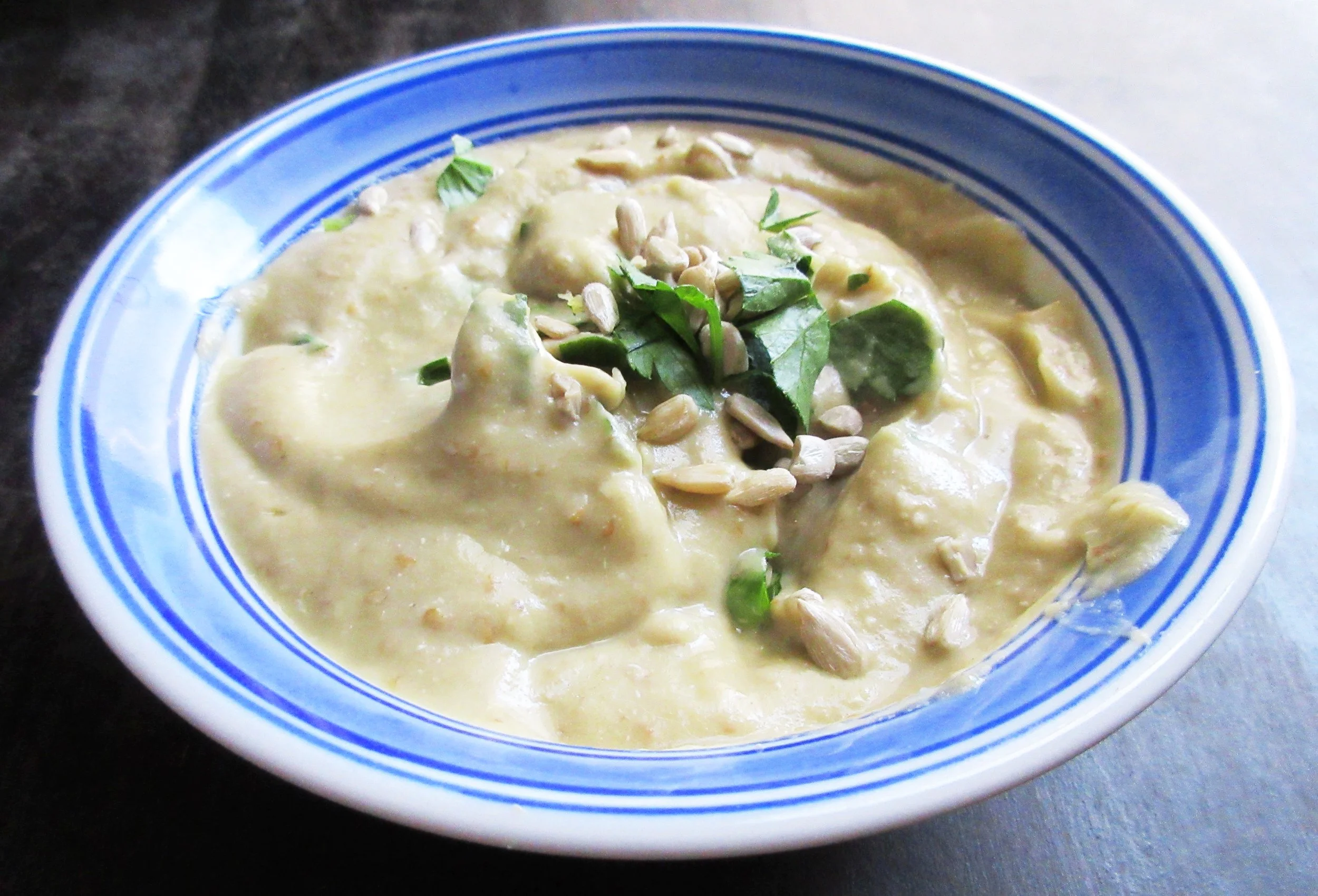
This Taheeni recipe isn't a Tahini recipe, simply because its main ingredient is eggplant and not sesame seeds. I'd describe Taheeni as basically Baba Ganoush, ironically without the tahini! I found this recipe in The Blender Cookbook by Ann Seranne & Eileen Gaden from 1961 in the International Specialties chapter under "The Near East".
Today, I'm able to walk into almost any grocery store and buy myself a container of tahini or baba ganoush, but this was likely not the case in 1961. I'll chalk up the name to something getting lost in translation, but whatever it's called, my tastebuds give this this dip two thumbs up.