
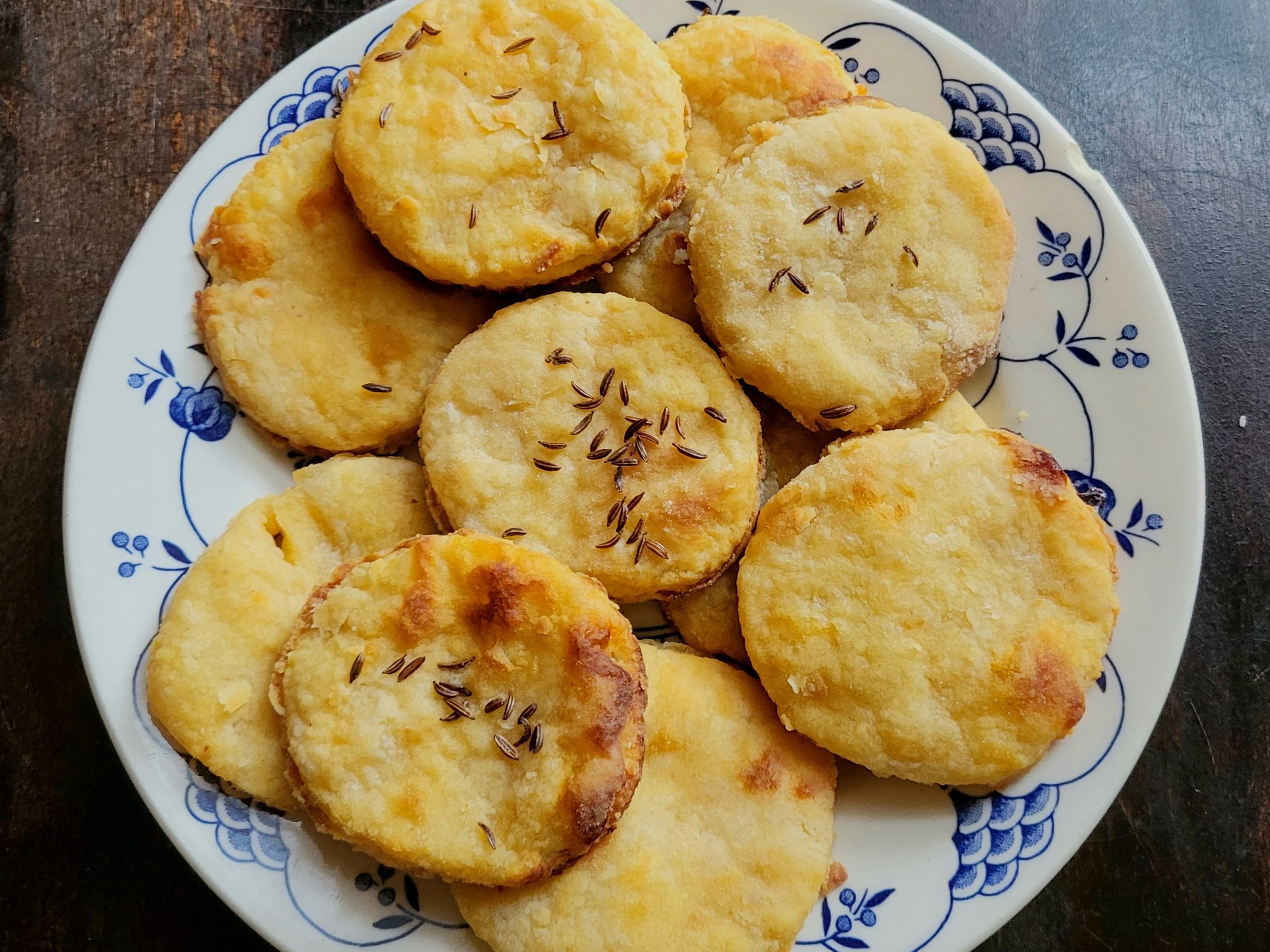
Cheese Cookies
March 31st is the anniversary of this blog – and in honour of my first recipe, Cayenne Cheese from Mrs. Beeton’s Book of Household Management, which is the first written recipe for Cheese Straws, I’ve been making recipes that feature flour, butter, cheese, salt and cayenne pepper each year to mark the occasion. This Cheese Cookie recipe is from the 1940s edition of the Joy of Cooking.
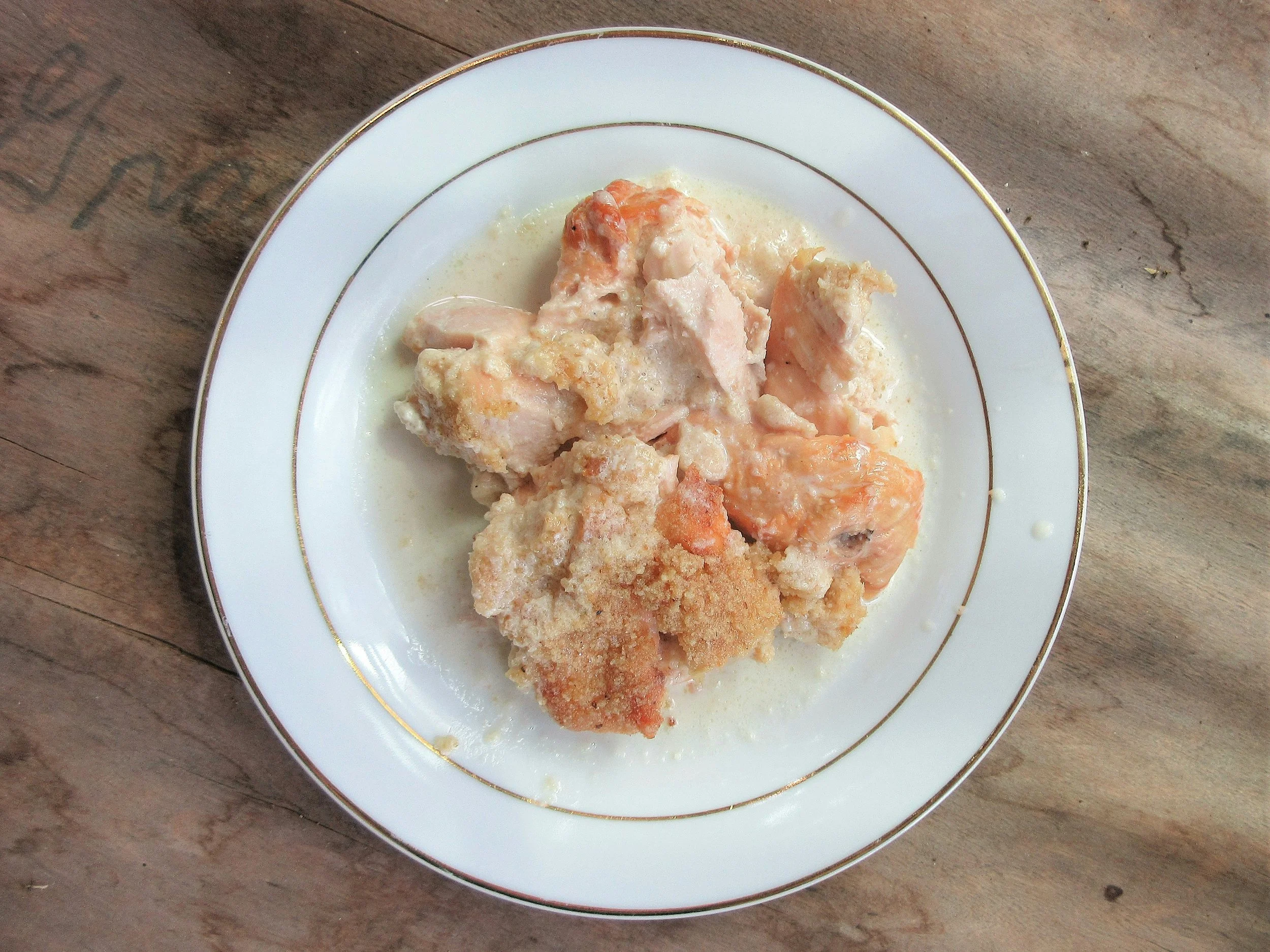
Fillets of Chickens, with Bechamel-ſauce and Bread-crumbs
It’s been a while since I made Fillets of Chickens, with Bechamel-ſauce and Bread-crumbs at Nelles Manor Museum. I made it twice in the summer of 2019, which was the last time that I was able to teach an open hearth cooking class there. The recipe’s from the 1781 cookbook The Practice of Modern Cookery by George Dalrymple and at this class, we made recipes that would have been popular when the house was newly constructed using fresh garden produce and some newly purchased open hearth cooking implements.
Keep reading after the recipe to learn about some open hearth cookery techniques using a salamander and a couple of different styles of reflector ovens.
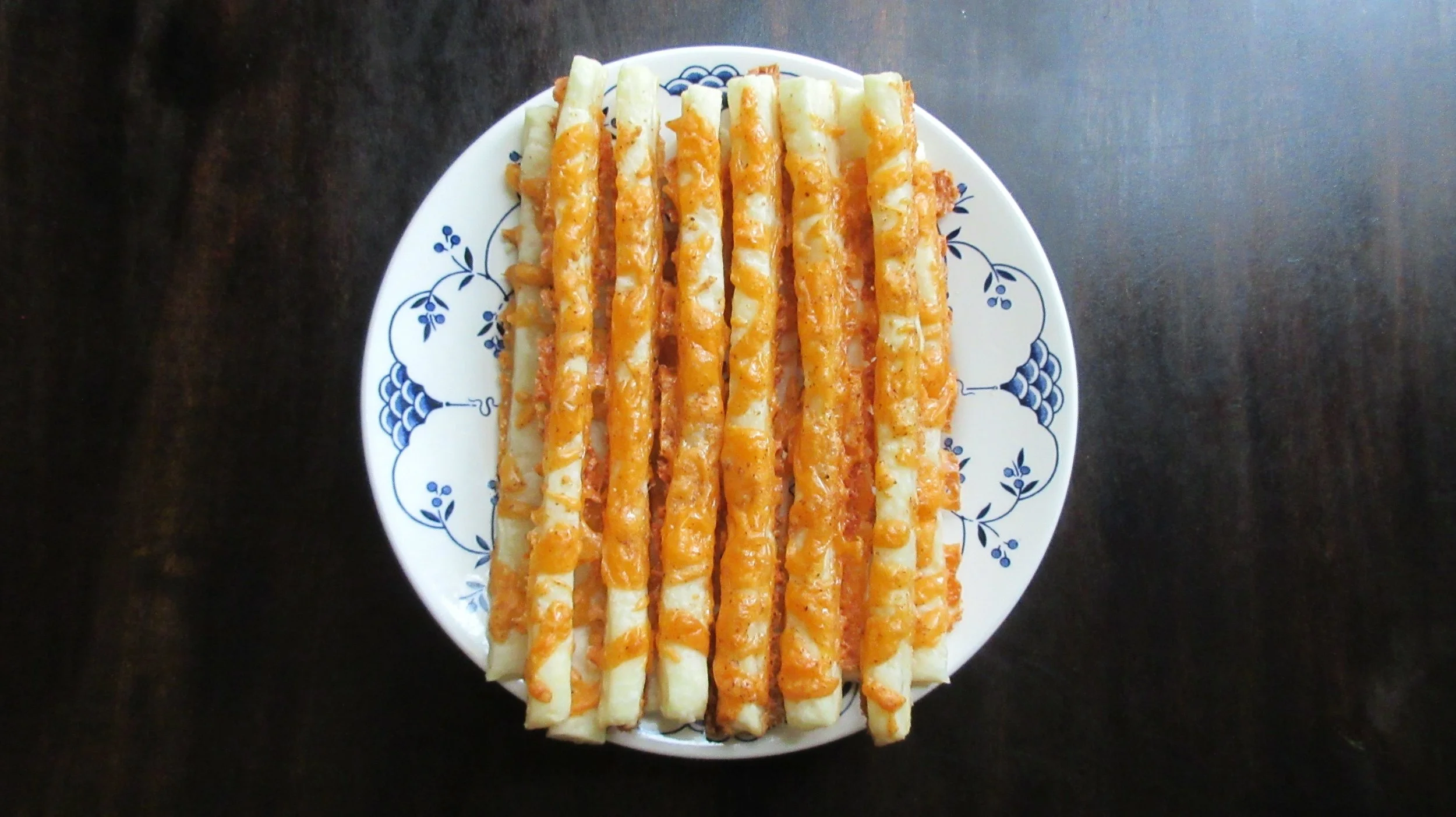
Cheese Straws
It’s my anniversary today! Three years ago today, I was furiously completing my first blog post, Cayenne Cheeses, which still is one of my favourite historic recipes. Each year ever since, I’ve made another baked cheesy recipe with cheese, butter, flour, salt and cayenne pepper in the ingredient list.
This Cheese Straw recipe is from the 1903 Good Housekeeping Everyday Cook Book and it’s very simple to put together. Grate cheese, season with salt and cayenne pepper and sprinkle it on top of thin strips of pastry. It’s an excellent recipe for making a delicious snack from the extra pastry when you’re making a pie. You could also make or buy pastry if you want a larger batch. They taste quite more-ish, so you might very well want to make pastry specifically for this recipe!
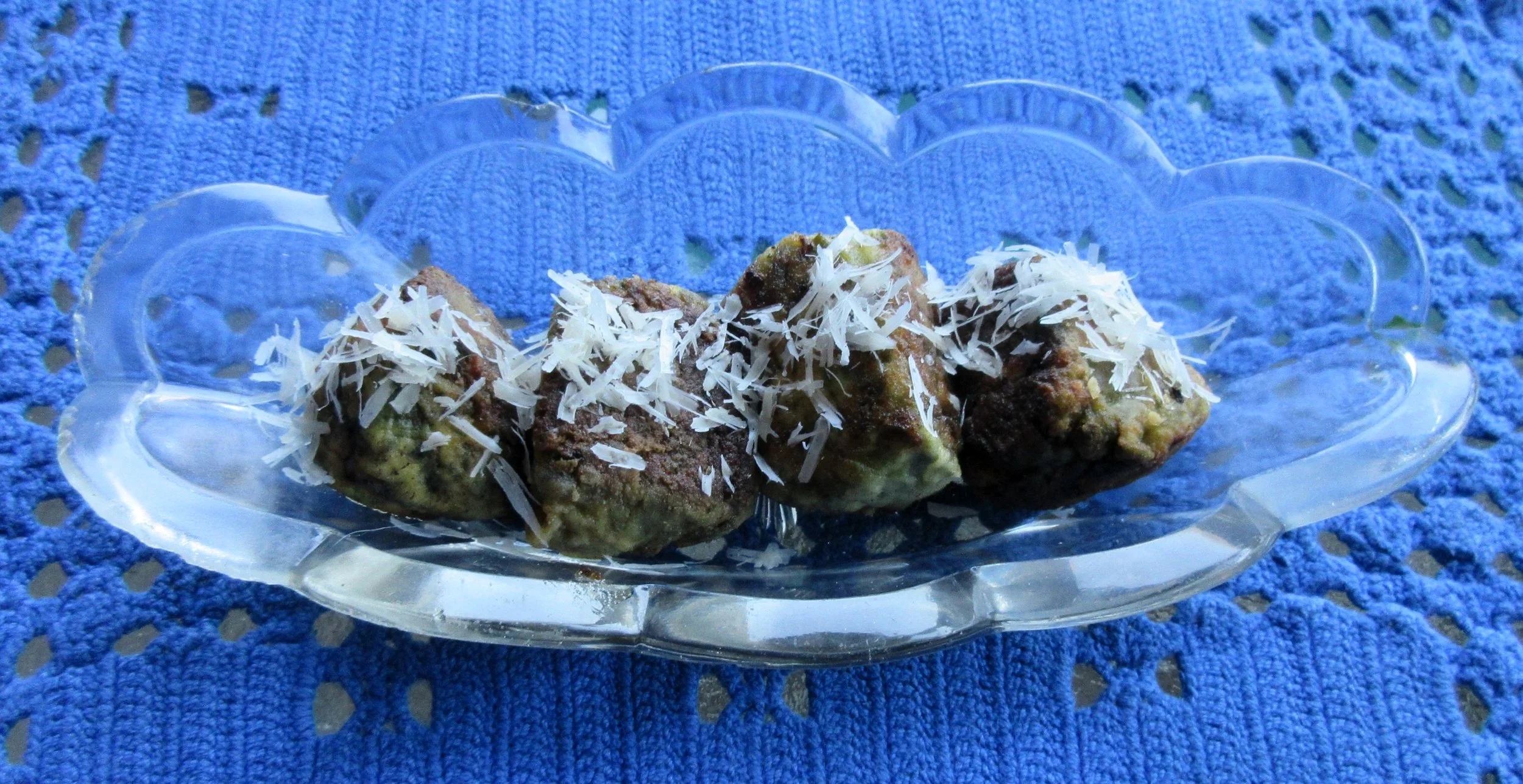
Spinach and Ricotta Dumplings
Spinach and Ricotta Dumplings is found in The New York Times Cook Book from 1961 and it’s a recipe that I had to make twice to end up with something edible. I had to veer from the original cooking method and I recommend adding some additional ingredients to amp up the flavour. The recipe gives the instruction to “shape into small balls” and since small could mean many sizes, I decided to make my dumplings the size of a Timbit.
That’s where the rambling nature of this blog post begins. I realized that most people who read my blog don’t live in Canada and might not know what a Timbit is. I started there, which lead to explaining what Tim Hortons is, which lead to writing about the first Tim Horton’s restaurant ever in my hometown of Hamilton, Ontario.
And then...since measuring something in Timbits is a very Canadian measurement, at the end I have a look at some very Canadian measurements on COVID-19 social distancing signs in Hamilton and Toronto. I’d love to hear what the COVID-19 signs are like in your part of the world, so please leave a comment!

Pineapple Nut Stuffing
Pineapple Nut Stuffing will probably be the recipe I select the next time I make a Christmas or Thanksgiving turkey. The earthiness of the walnuts and the sharpness of the celery would complement the additional flavour of the turkey juices and the pineapple in the recipe is only perceptible by a slight sweetness.
This recipe is found in the 1950 The American Woman’s Cook Book and the introduction to the chapter on Stuffings for Fish, Meat, Poultry and Game lists alternative ways to prepare stuffing. Instead of cooking my stuffing inside of a fowl, I decided to try three of the methods listed in this paragraph: baked, steamed and fried in croquettes.
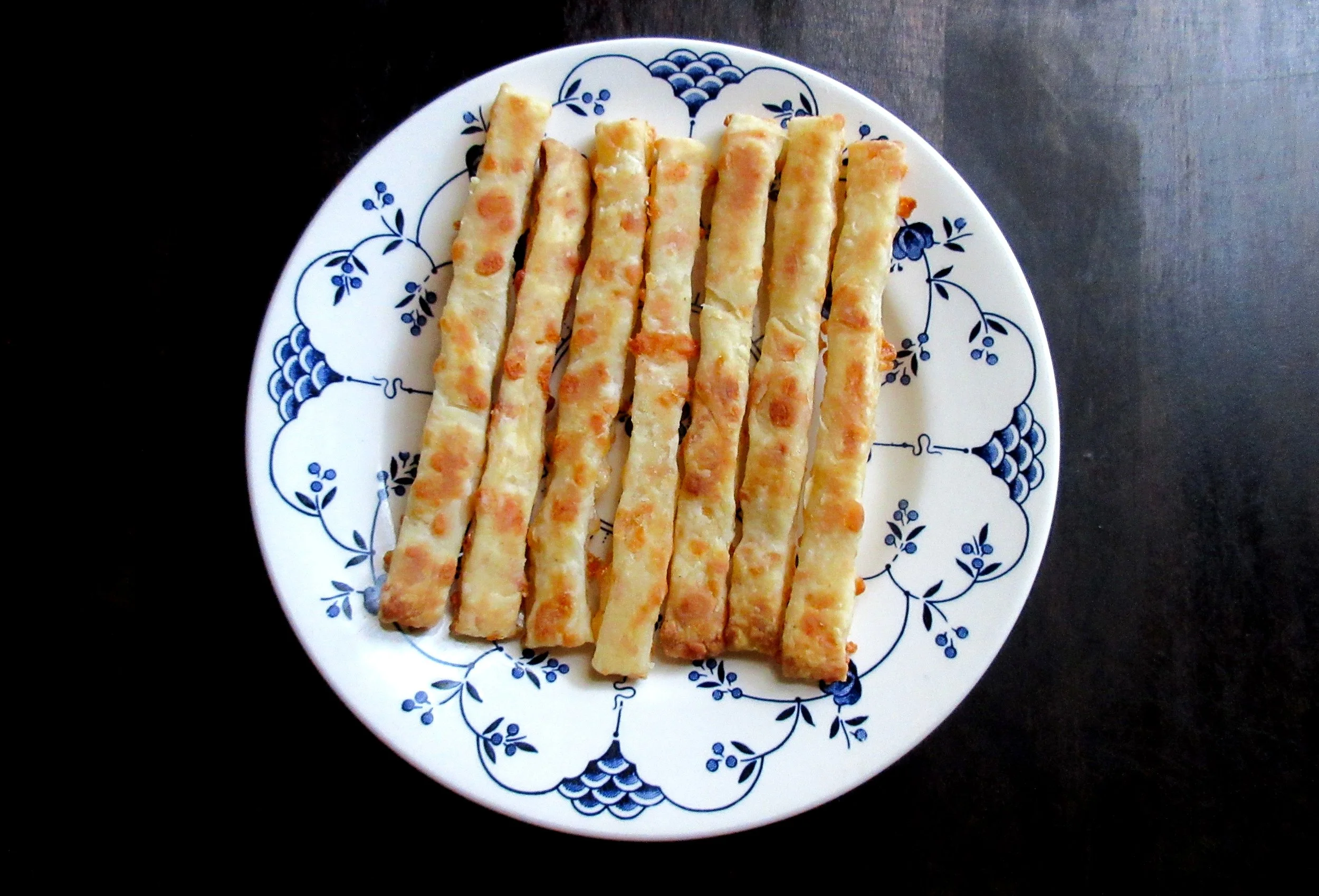
Cheese Straws
Today’s my 2nd Blogaversary! 2 years ago today, I nervously and excitedly hit “publish” on my very first recipe post. The recipe I picked was Cayenne Cheeses from the 1861 cookbook Mrs. Beeton’s Book of Household Management. I picked it because it was – and it still is – my favourite historic recipe that I’ve ever made and eaten.
A year later, I started the tradition of posting a similar recipe each year on March 31st to celebrate the milestone. Last year’s recipe was Cheese Hooies from the 1965 Stillmeadow Cookbook by Gladys Taber. 2020’s twist on baking flour, butter, cheese, salt and cayenne pepper together is Cheese Straws. This recipe come to us all the way from the 1891 Tried and True Cookbook, a community cookbook compiled by the “Ladies Aid Society and Friends of the First Methodist Episcopal Church of Deadwood, South Dakota”.
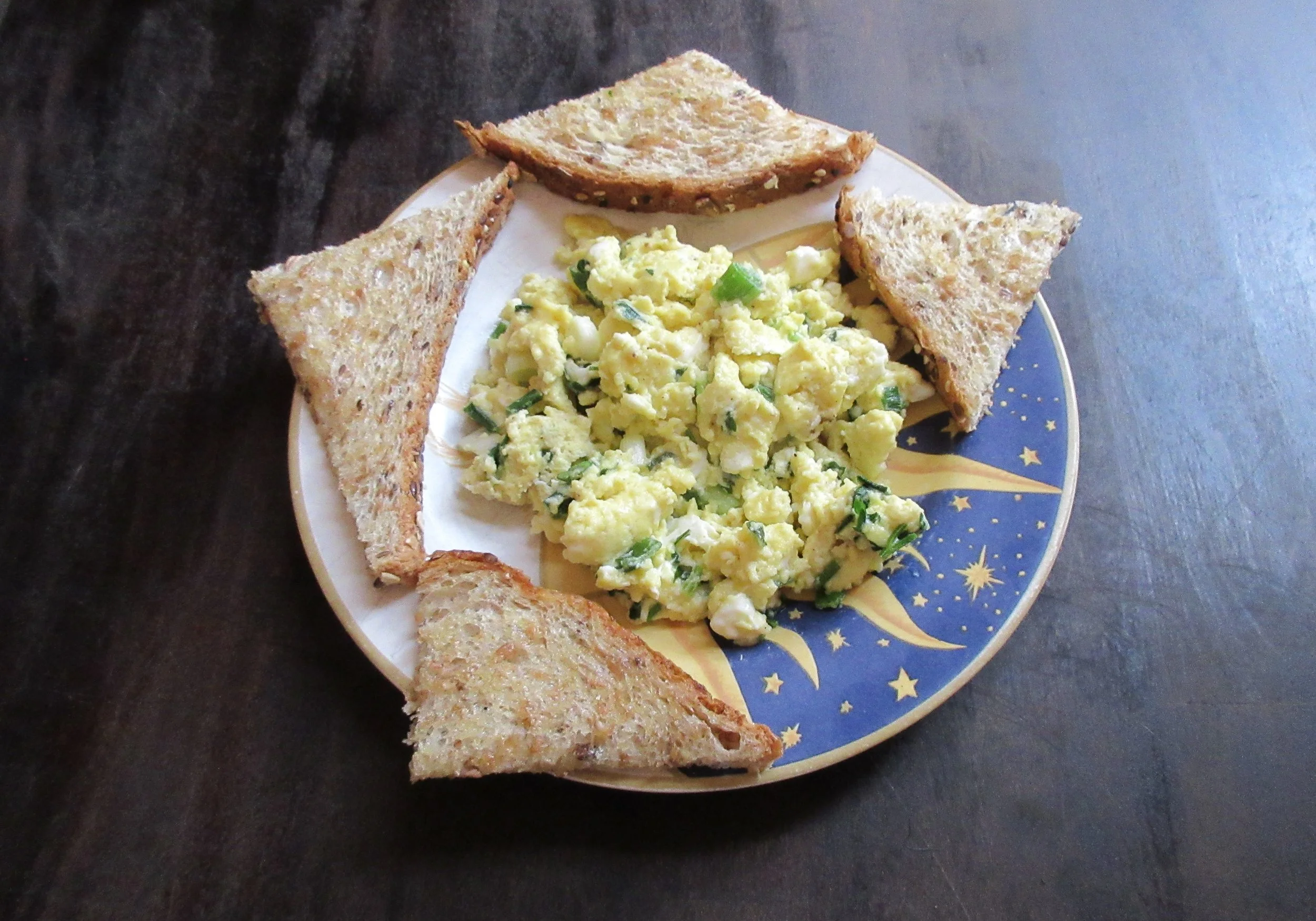
Oeufs au fromage
Oeufs au fromage (Eggs with Cheese) is probably the most delicious scrambled egg recipe I’ve ever made! The flavours of the Gruyere cheese, parsley, green onions, nutmeg and white wine combine beautifully, and the recipe itself is simple to pull off. I found this recipe in the 1825 edition of La cuisinière bourgeoise, which was the first cookbook to be published in Canada and this is also my first bilingual post in both English and French.
Oeufs au fromage est probablement la plus délicieuse recette d’œufs brouillés que j’ai jamais préparée! Les saveurs du gruyère, du persil, des oignons verts, de la muscade et du vin blanc se marient à merveille et la recette est simple à réaliser. J'ai trouvé cette recette dans l'édition de 1825 de La cuisinière bourgeoise, le premier livre de recettes publié au Canada. C’est aussi mon premier poste bilingue en anglais et en français.
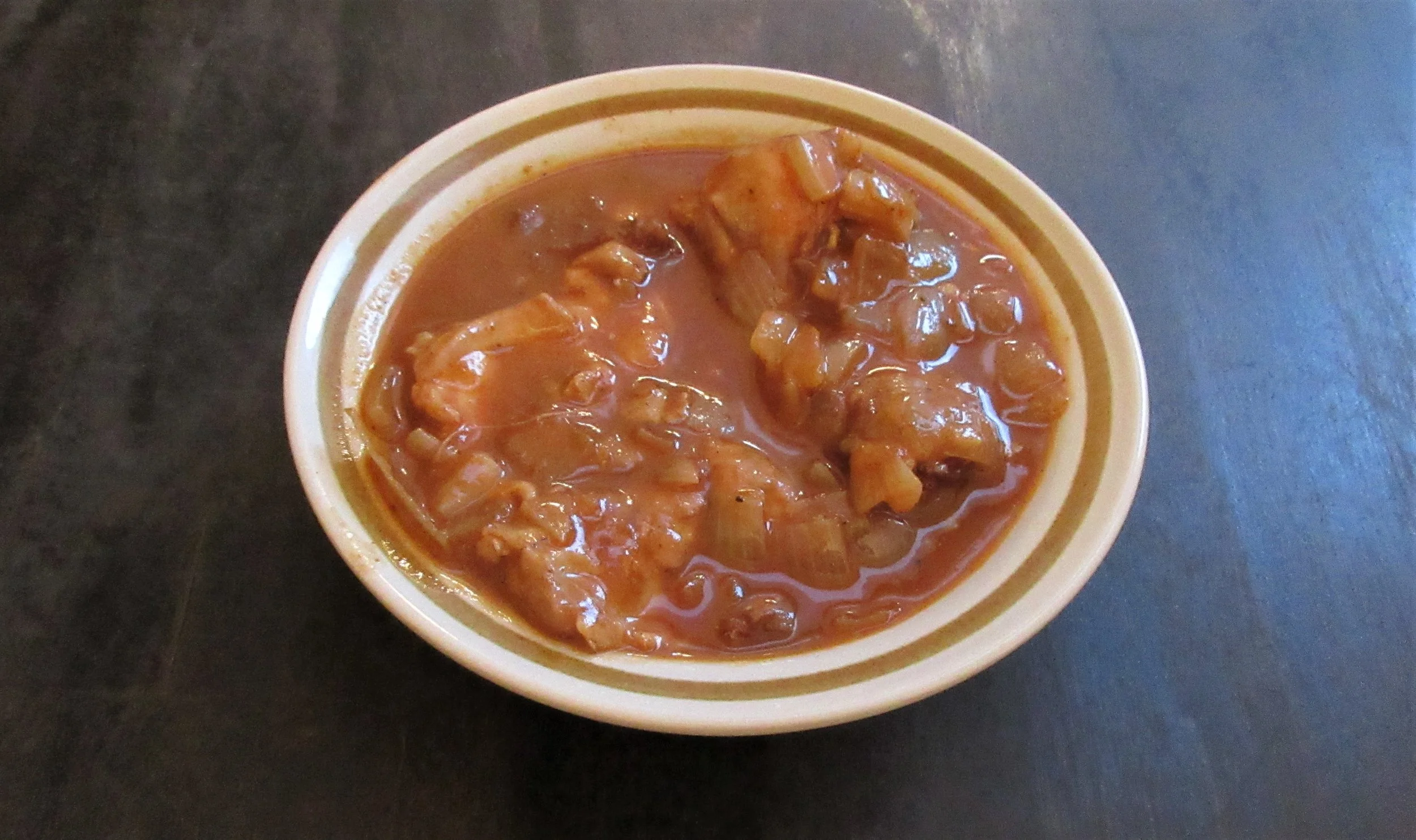
Chicken with Chili
If you ask me over to your house to babysit, I will snoop in your kitchen while your baby sleeps and search for old cookbooks. That’s where I found The Hundred Menu Chicken Cookbook from 1972, which has the tagline “One-pot chicken recipes that are easy-to-make and a treat to serve” and boasts that it contains recipes from over 20 countries.
Chicken with Chili is a warming full-flavoured chicken dish that would be an excellent slow-cooker recipe. I was intrigued by Chicken with Chili because it claimed to be an Ethiopian recipe and I was skeptical about how accurate it would be, but it turns out that it is reasonably similar to Doro Wat! A couple of ingredients that are typically served in Doro Wat are missing and the traditional spices have been substituted for spices that would have been found in the kitchens of most American families in 1972. What you end up with Chicken with Chili is an echo of Doro Wat without the spicy heat.
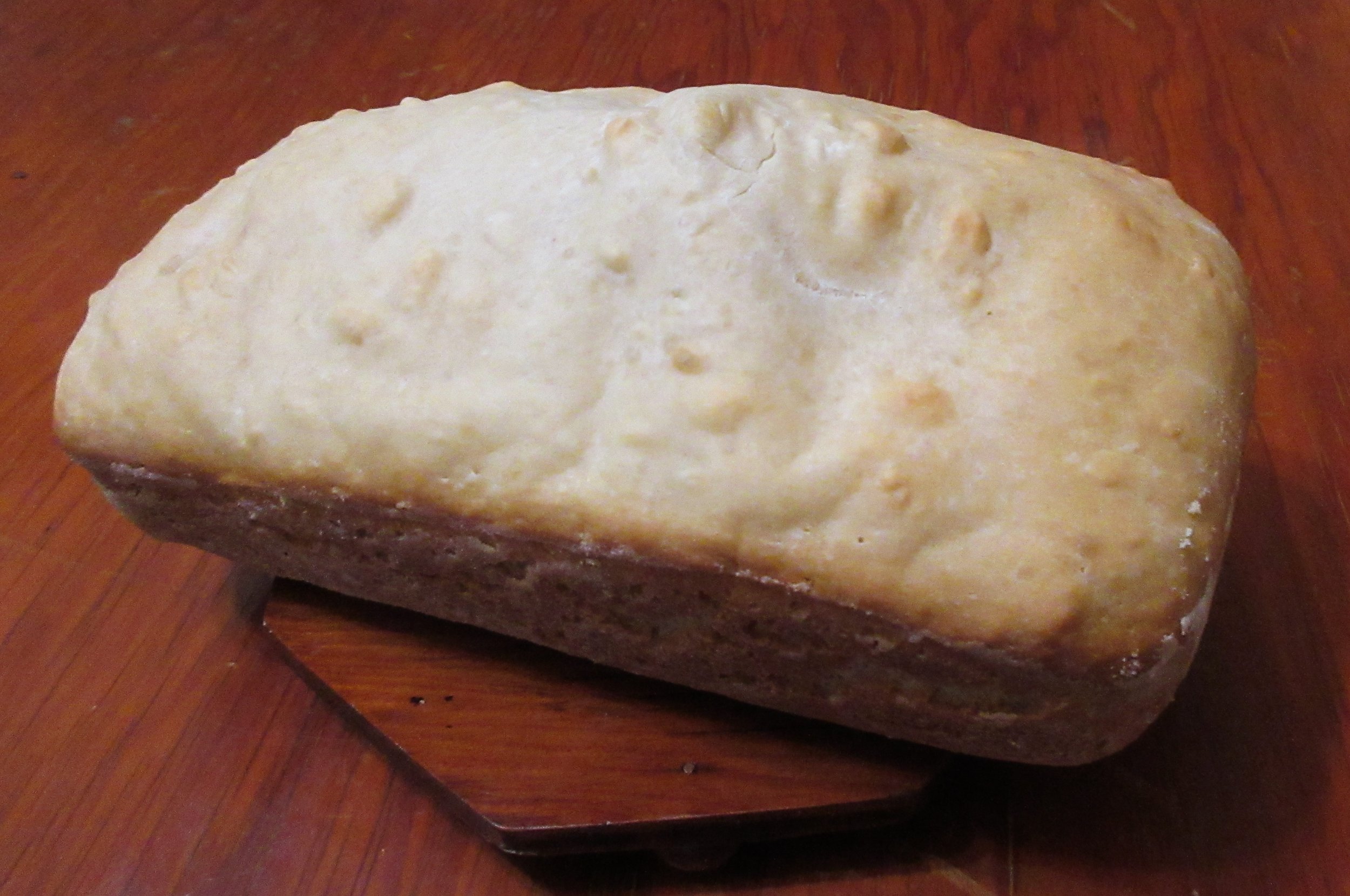
Soda Bread
Baking Soda Bread is a shortcut to eating fresh baked bread when you’re short on time. You’ll be spreading butter on a warm bread slice in about an hour and a half!
This Soda Bread recipe, from the 1861 Mrs. Beeton’s Book of Household Management, is a favourite of mine because it produces a more moist and less dense soda bread than most recipes that I’ve tried. Soda bread doesn’t have the longevity of risen breads, so it will be toast (literally) sooner than later.
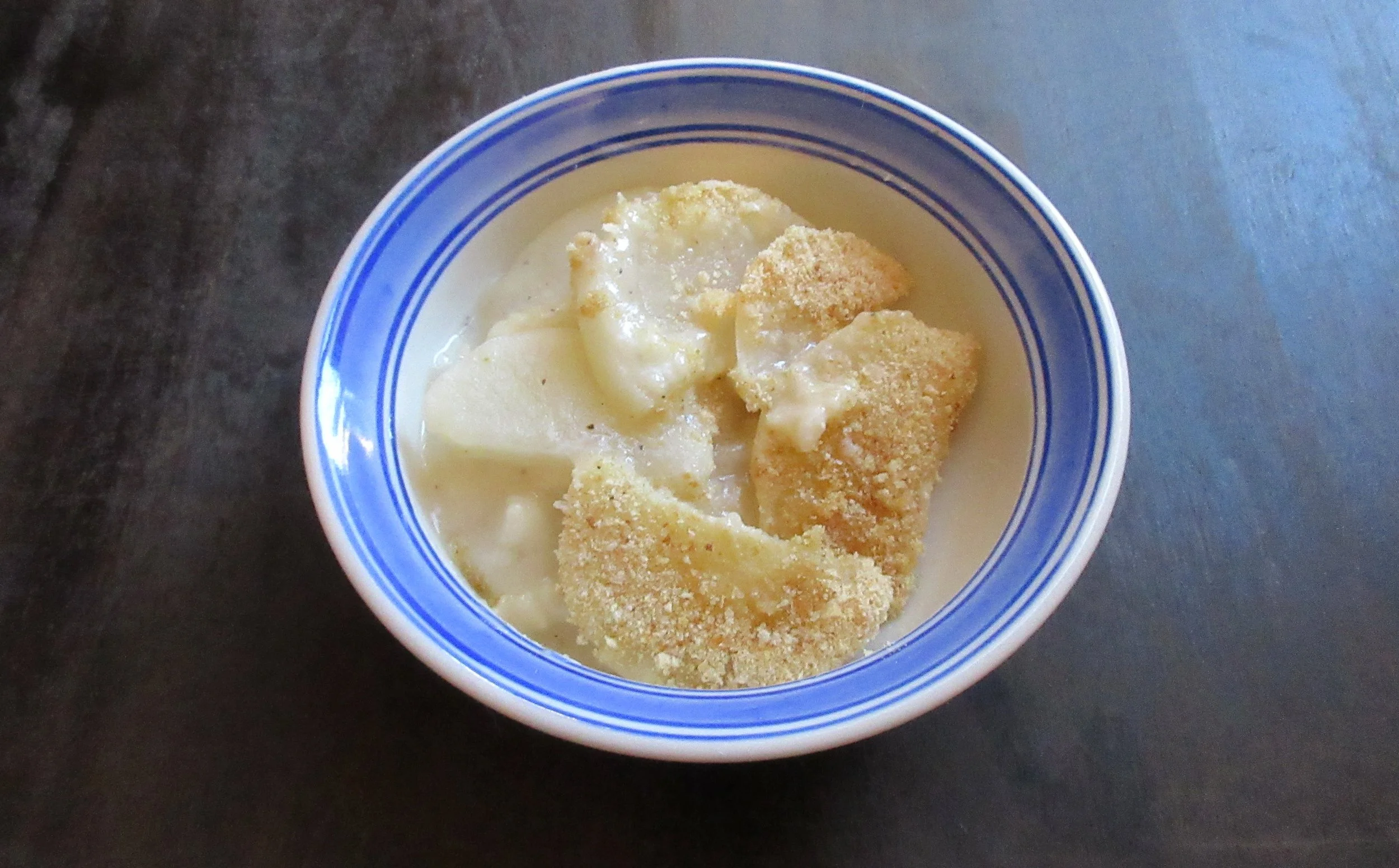
Scalloped Turnips
I wanted to prepare one last root-vegetable recipe before the greens & herbs start popping up here in Ontario, and I thought I'd turn to a local 1898 cookbook: The New Galt Cook Book.
Galt is a town which is now part of Cambridge, Ontario and it's also close to where I grew up and where I live now in Hamilton. Scalloped Turnips is an interesting twist on scalloped potatoes. The turnips provide additional flavour to the dish, and it is creamy but also light because the sauce uses a butter & flour rue and the cooking water from the turnips instead of a white bechamel sauce.
Coincidentally, I had this recipe selected and the turnips purchased before I knew that cooking at an event using recipes from The New Galt Cook Book was even a possibility! I'll be preparing food from this cookbook for a Victorian Tea at the Fashion History Museum in Cambridge, Ontario on May 18th, and Food Historian Carolyn Blackstock will be speaking about her year-old journey making a recipe a day from The New Galt Cook Book.
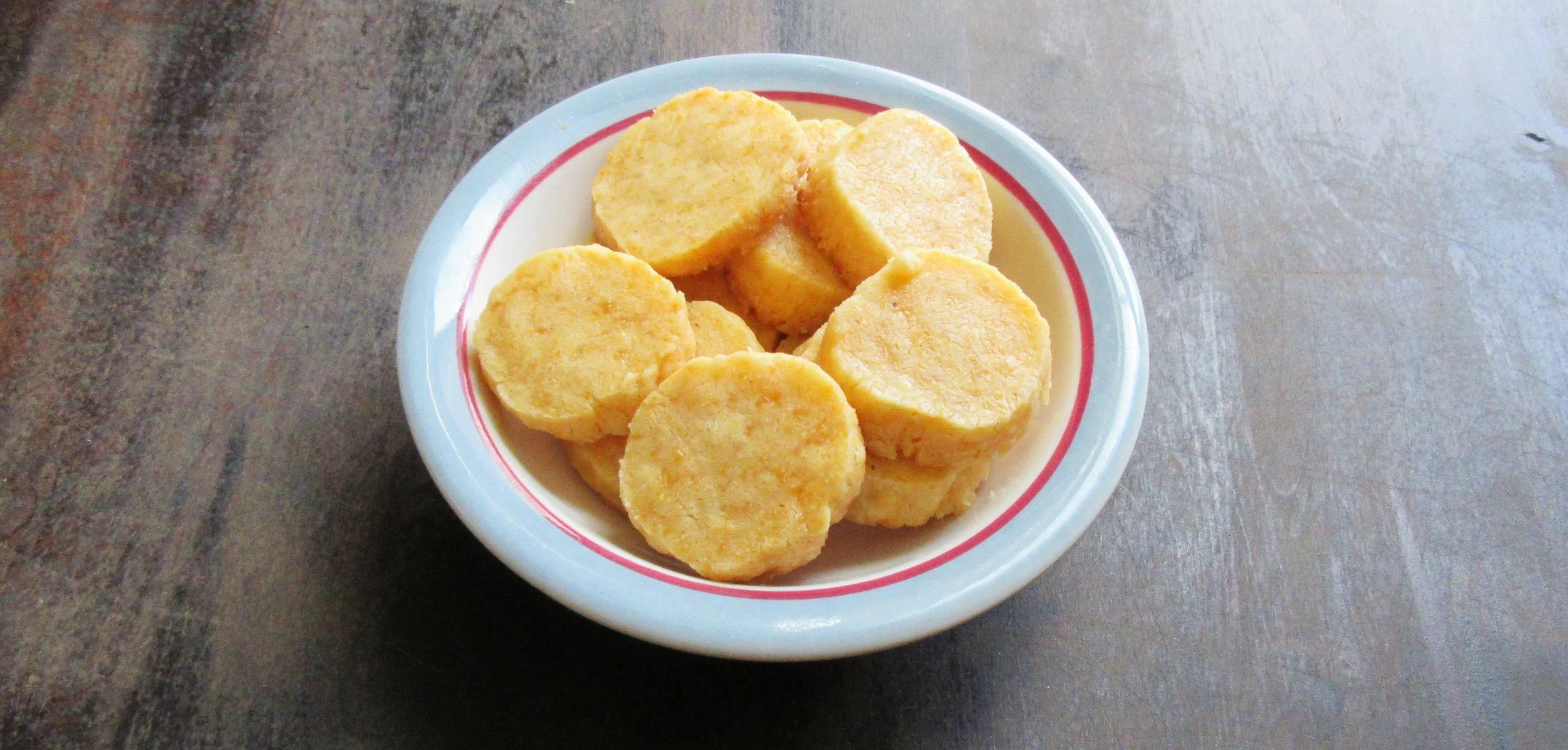
Cheese Hooies
One year ago today, on March 31st, I hit the "Publish" button for the first time and put out my first Food History blog recipe for the world to see and taste. I selected Cayenne Cheeses, a scrumptious cheese biscuit, from the 1861 Mrs. Beeton's Book of Household Management because it has been one of my favourite historic recipes since I began working in Historic House Museums. They are really delicious, you should try them!
My 1-year anniversary recipe is Cheese Hooies. When I first read this recipe in the 1965 Stillmeadow Cookbook by Gladys Taber, I saw the ingredient list (butter, cheese, flour, salt and cayenne pepper) and thought, "These Hooies are basically Cayenne Cheeses". Cheese Hooies haven't kicked Cayenne Cheeses off my favourite recipes list, but making them was interesting look at how a century changes a recipe.
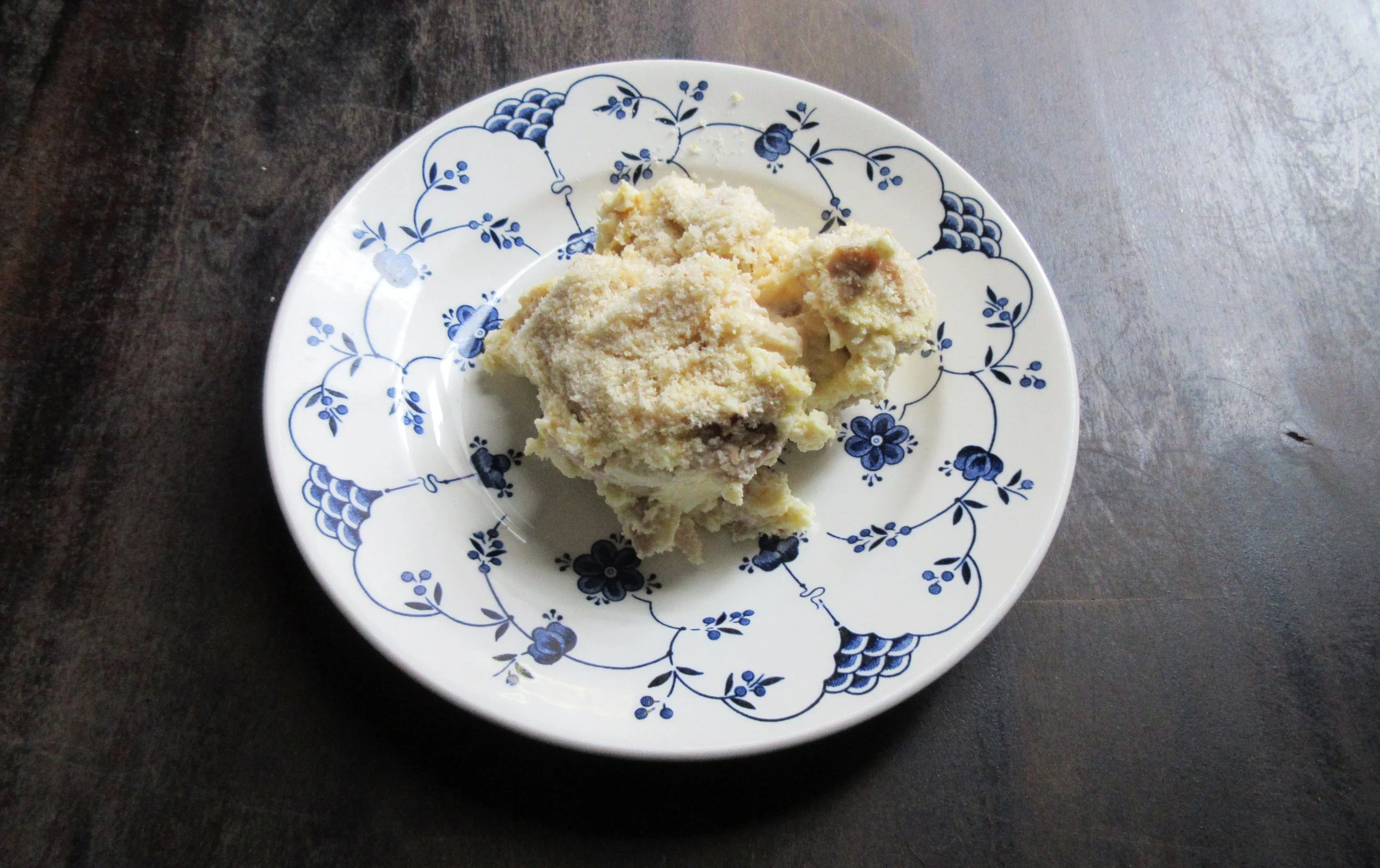
Chicken Terrapin
Chicken Terrapin, from the 1903 Good Housekeeping Everyday Cook Book, is a creamy and decadent casserole dish, perfect for using up leftover chicken. After selecting this recipe, my research began with the question "Why is this dish called Chicken TERRAPIN?" and quickly descended down a rabbit hole. Literally. Before beginning to pull together what I learned about Terrapin recipes, I had pulled my childhood copy of Alice in Wonderland off my bookshelf!
The chicken meat in this recipe is meant to take the place of Terrapin Turtle meat and I'll be delving into how one prepares Terrapin meat, the popularity of Turtle Soup, specialized Turtle Soup Tureens and the replacement of dishes featuring turtle meat with Mock Turtle recipes. I'll also explain the appearance of the Mock Turtle character in Alice in Wonderland, and why he is so melancholy in the story.
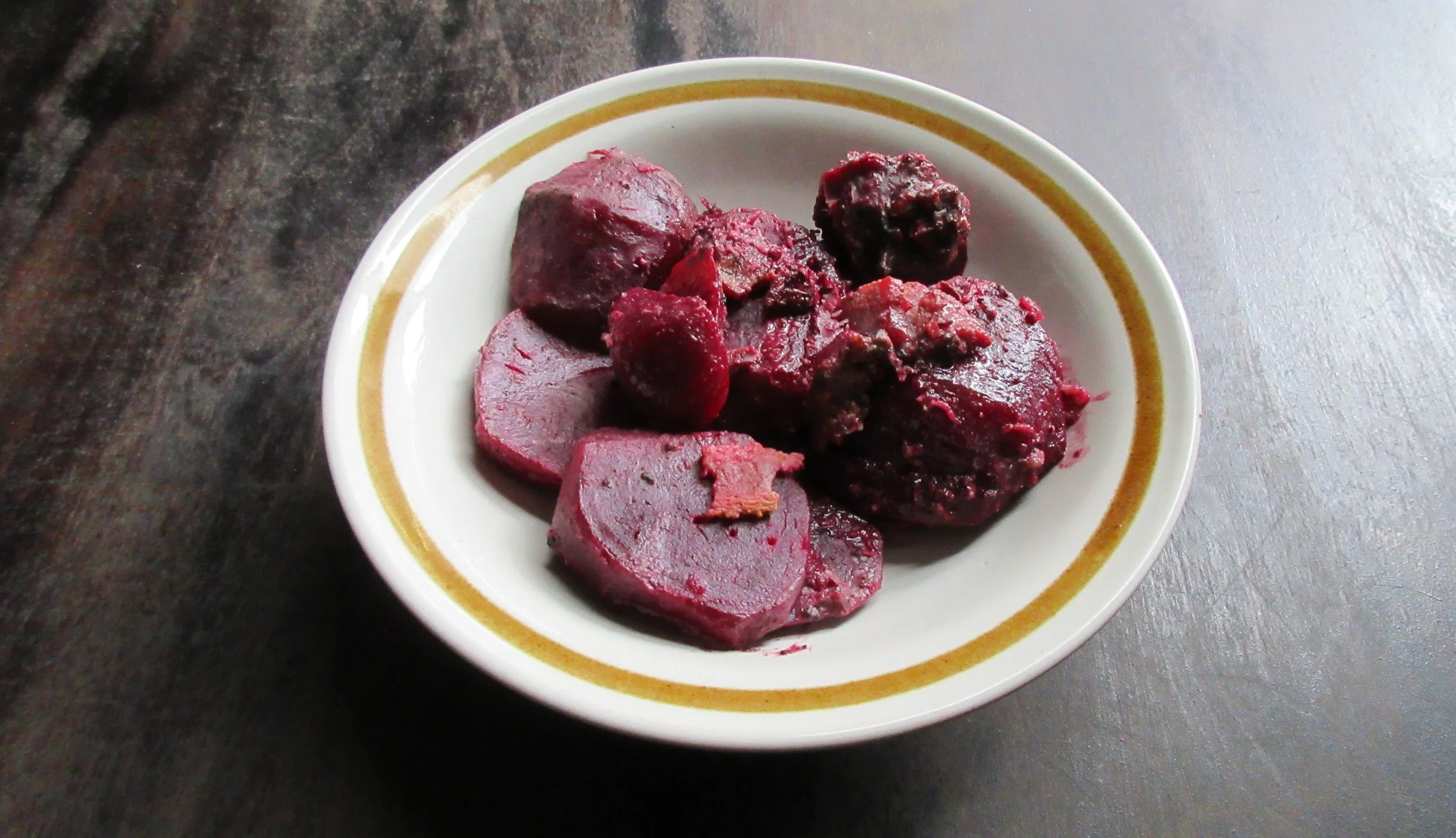
Piquant Beets
I'm not a fan of the taste of beets, although I have evolved enough to abide roasted and pickled beets on occasion. I liked Piquant Beets, though, and I can't say that I've ever thought that about a recipe made with boiled beets!
This recipe takes those (in my mind at least) repulsive boiled beets and jazzes them up with horseradish, honey, lemon juice and...wait for it...bacon. Steve's response to tasting this dish was, "I don't even mind the beets", which is probably the highest praise he could give to this recipe. We can thank Elaine Collett and Mary-Etta Macpherson, who compiled the 1965 Canadian classic The Chatelaine Cookbook, for this culinary miracle.
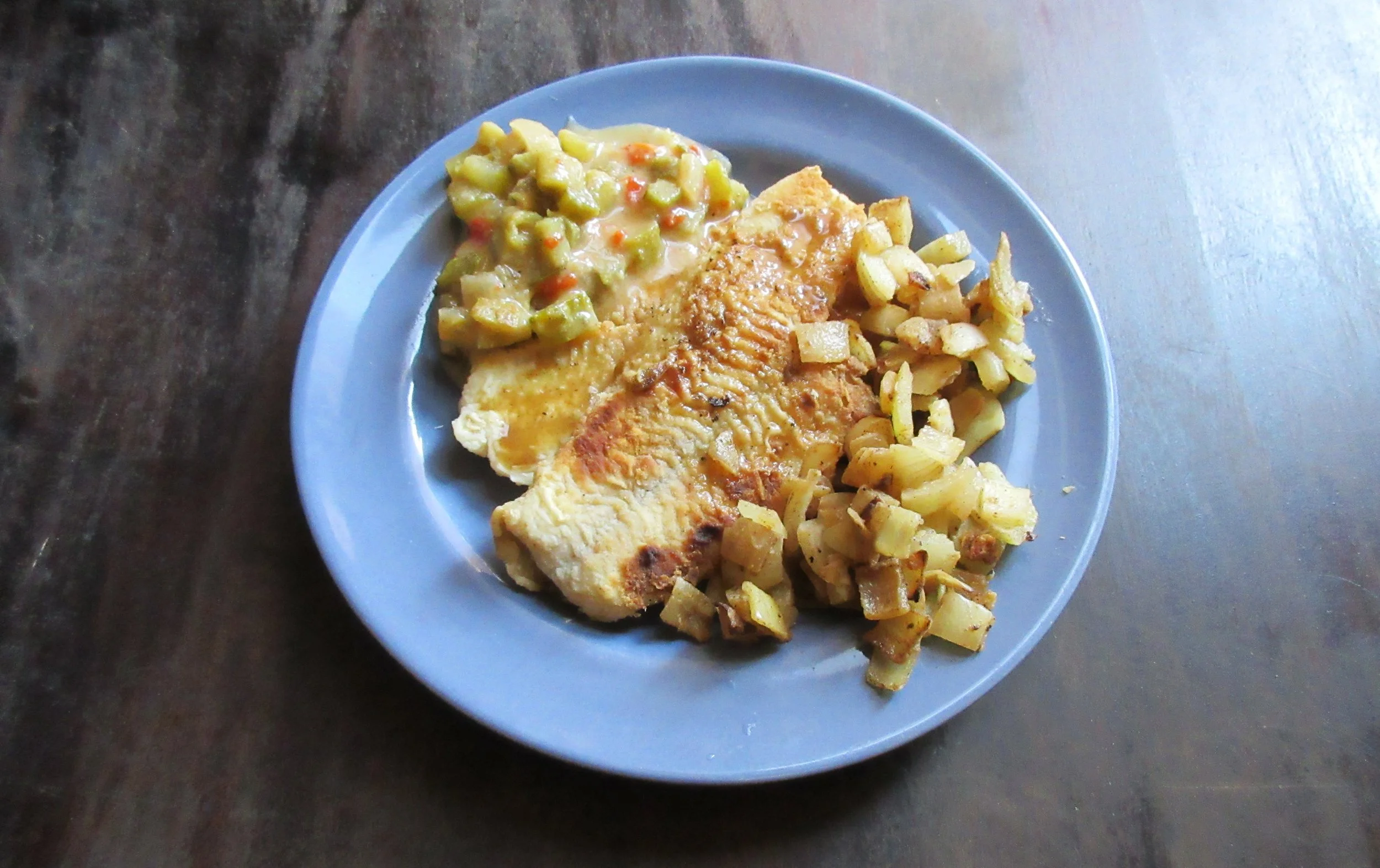
To Fry Fish
To Fry Fish is found in A Plain Cookery Book for the Working Classes,written by Charles Elmé Francatelli in London in 1852. Fortunately, I had some bacon fat in my fridge, so that's what I used to fry my fish. Let me tell you, fish dredged in flour and fried in bacon fat is scrumptious, and so were the fried onions that we ate on the side. I paired the fish with Sharp Sauce for Broiled Meats from the same cookbook. The main component of this sauce is a variety of pickles and it reminds of relish, albeit without the sweetness. I round out this blog post by delving a little bit into the Fish Slice, a serving utensil for fish.

Nut and Spinach Loaf with Tomato Sauce
Nut and Spinach Loaf is found ing the "High-Protein Non-Meat Dishes" chapter of the 1929 Physical Culture Cook Book, written by fitness and health guru Bernarr MacFadden. This vegetarian loaf holds together well when its being formed, but doesn't slice well. Nevertheless, it is tasty and satisfying and I'd make it again! Bernarr MacFadden spoke out passionately against white bread, so I made my own whole-grain breadcrumbs for this recipe, and paired the loaf with a Tomato Sauce, which is thick sauce that tastes a bit like ketchup.
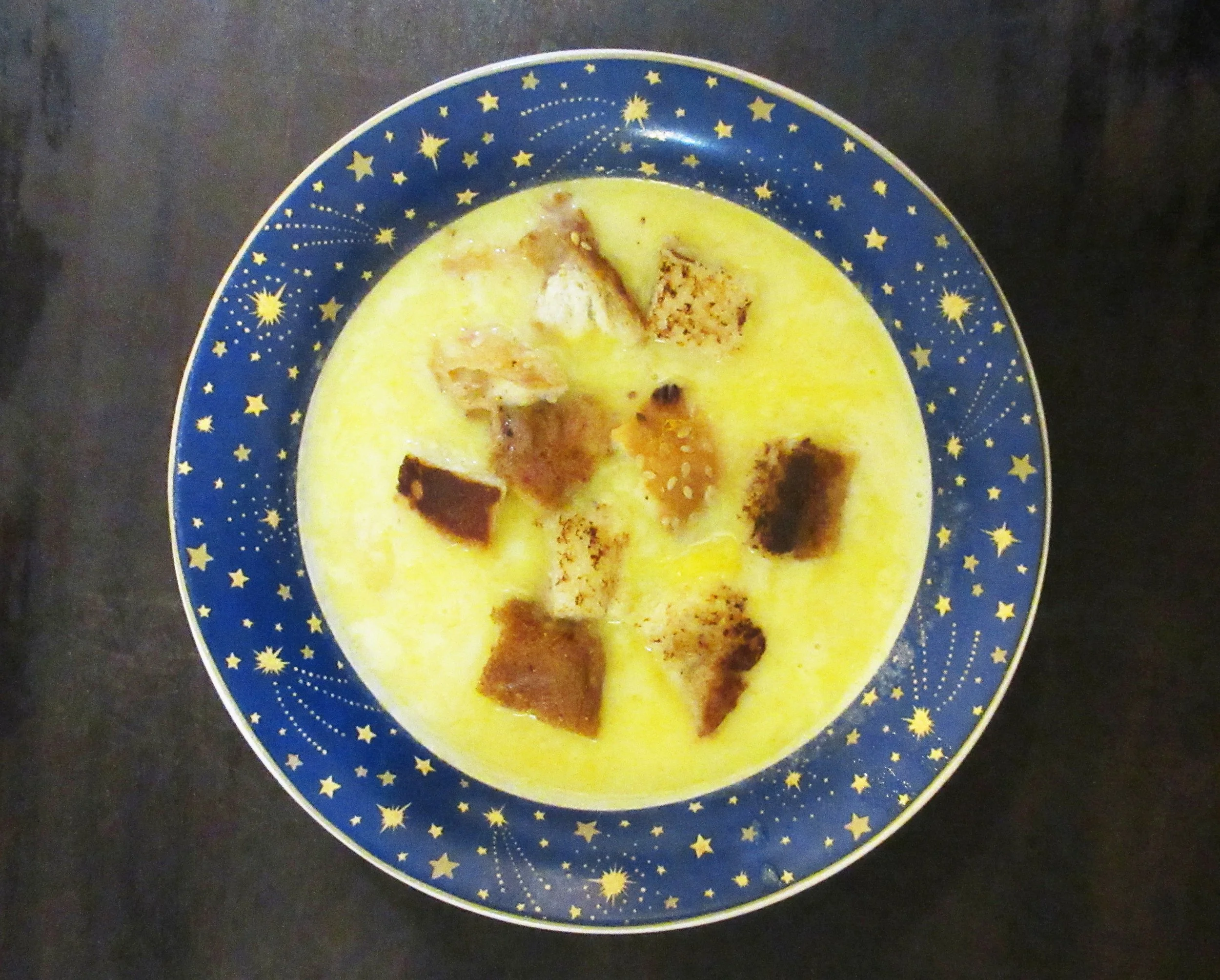
Pumpkin Soup
This Pumpkin Soup recipe comes from The Canadian Housewife's Manual of Cookery, which was compiled & published in my hometown of Hamilton, Ontario in 1861. It is hearty & flavourful, and I think the reason for this can be found in a one-word answer: butter. Expect a creamy robust soup with small chunks of pumpkin (or squash, if you can't find pumpkin). This soup is so rich that it might make a better side dish rather than the main component of your meal, but if you do try this recipe out, I highly recommend the historic recipe's suggestion of adding croutons made of fried bread to your bowl!
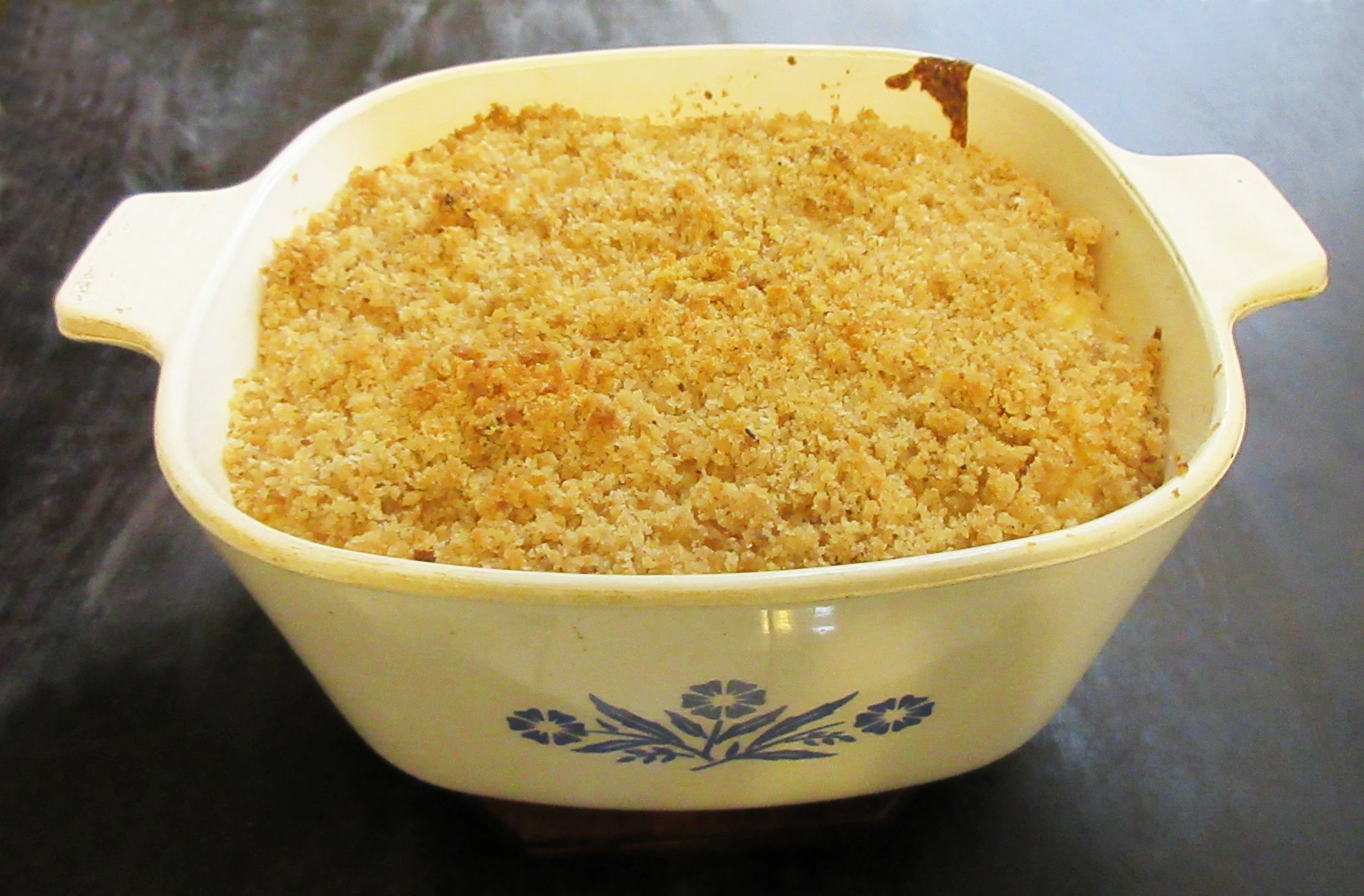
Squash Puff
If you asked anyone in my family about our traditional family recipes, probably the first dish listed by everyone would be Squash Puff. I'd describe Squash Puff as a cross between squash pudding and soufflé.
It is light, fluffy and very flavourful considering it doesn't contain any onions or herbs. My Mom cut the recipe out of a newspaper at some point and it's been in her giant binder of recipe clippings ever since I can remember. Give Squash Puff a try at your next Thanksgiving, potluck or family gathering...or when you've got a hankering for some satisfying comfort food.
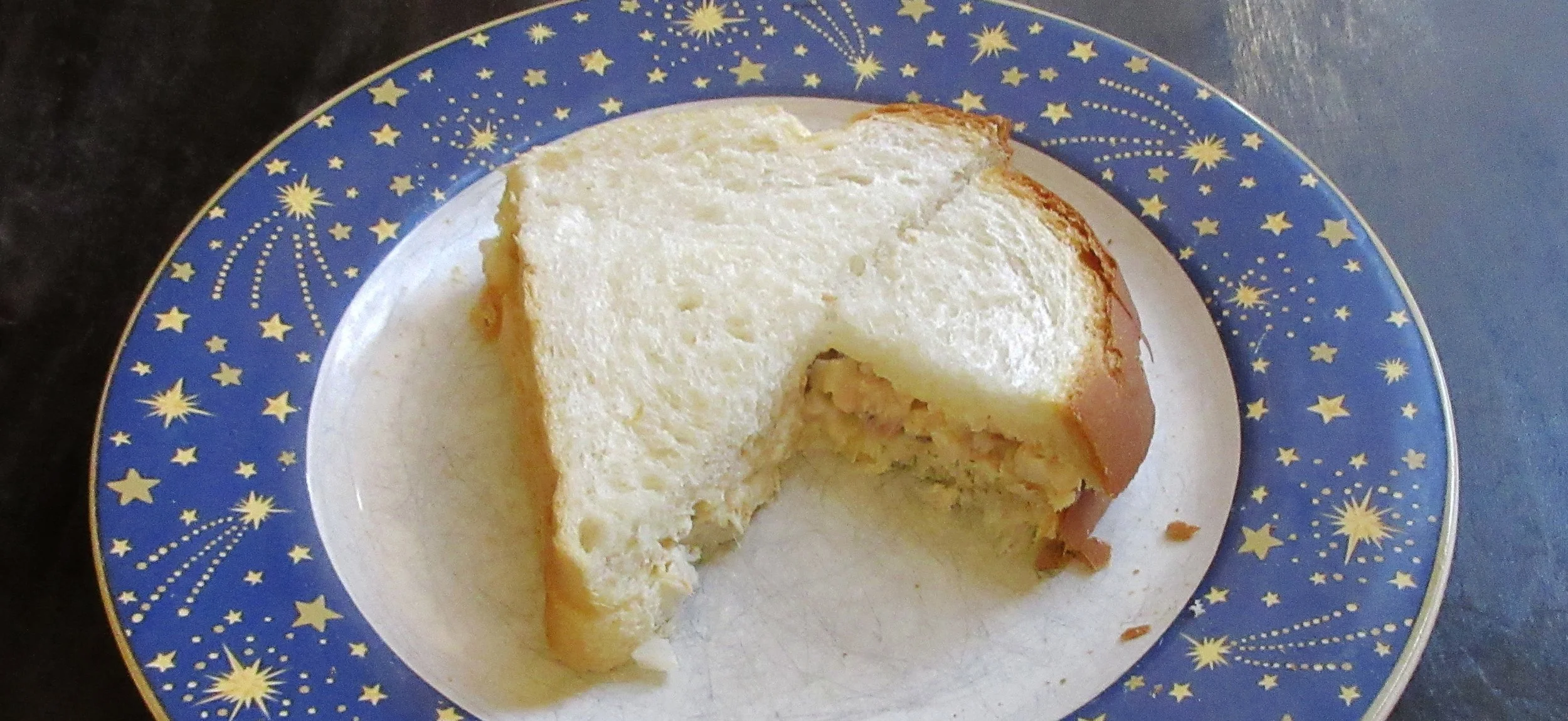
Tuna Sandwiches
This Tuna Sandwich recipe comes from the Peanuts Lunch Bag Cookbook (1974), which is a cookbook that was in our house when I was growing up. I don't remember anyone ever making a recipe from this cookbook when I was a kid, but I remember flipping through this book to read the Peanuts comics that are nestled amongst the recipes. About 6 months ago, I found this book in an antiques market...and all the memories flooded back.
In this sandwich filling, you'll find flaked tuna, crushed pineapple and chopped water chestnuts. When I selected this recipe, my hunch was that it would either be delicious or disgusting and I had no idea which way it would go! I'm happy to report that it was delicious. The pineapple is very subtle. You can taste something a little bit sweet in there but you aren't quite sure what that is, and the water chestnuts add a nice crunch to the sandwich filling. The pineapple and water chestnuts cut the fishiness of the tuna, so you end up with a more subtle tuna flavour (and smell), so this recipe would make tunafish sandwiches more palatable for someone who isn't a fan.
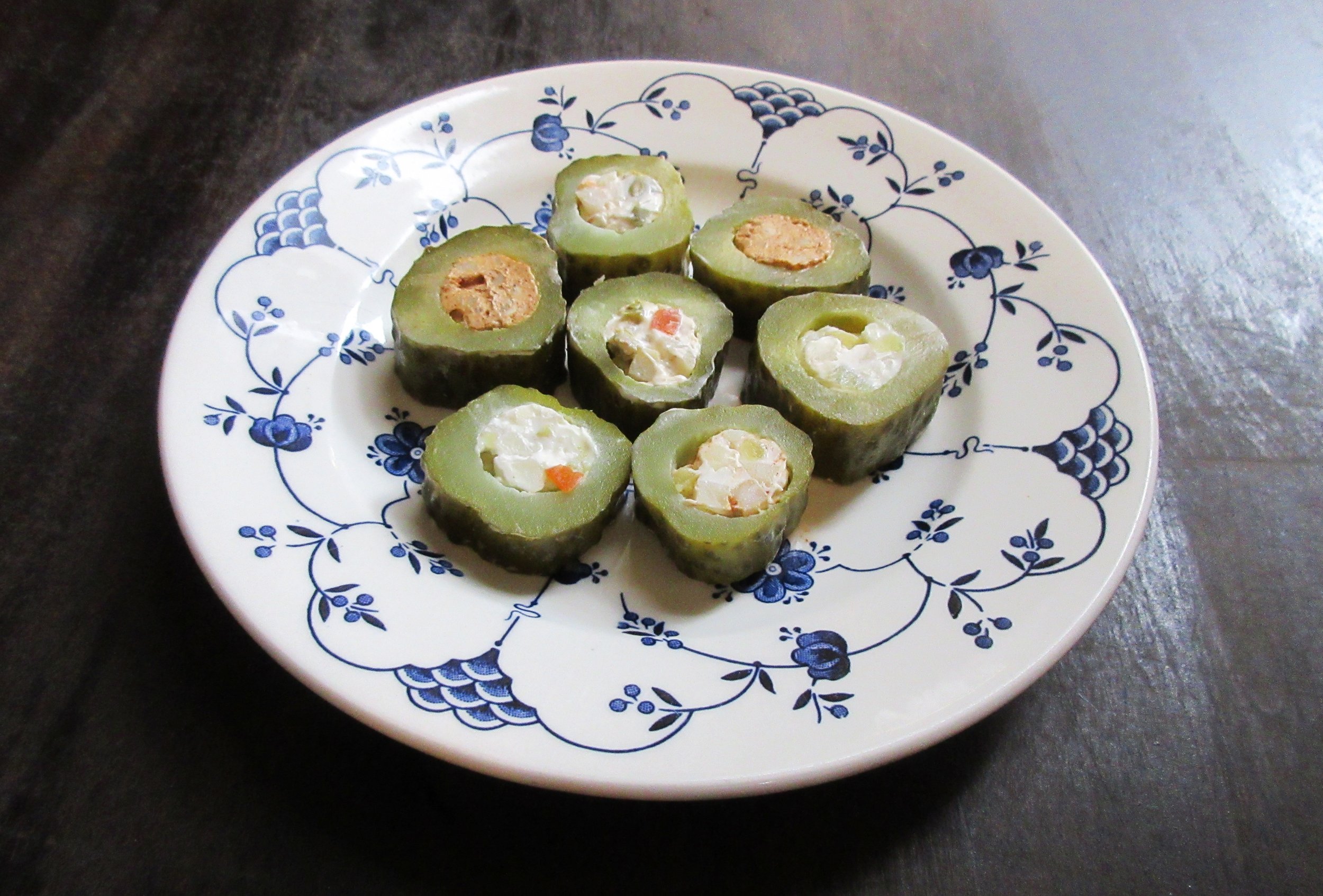
Filled Dills
Filled Dills is an appetizer recipe from The Stay Out of the Kitchen Cookbook, published in 1968. This cookbook contains make ahead recipes and dishes that can be left in the oven so that a hostess can spend time with her dinner guests instead of spending her dinner party in the kitchen.
Filled Dills are large dill pickles hollowed out with an apple corer, filled with cream cheese & various flavourings, then finally sliced into thin pieces. They are very tasty and easy to make ahead for your next gathering.
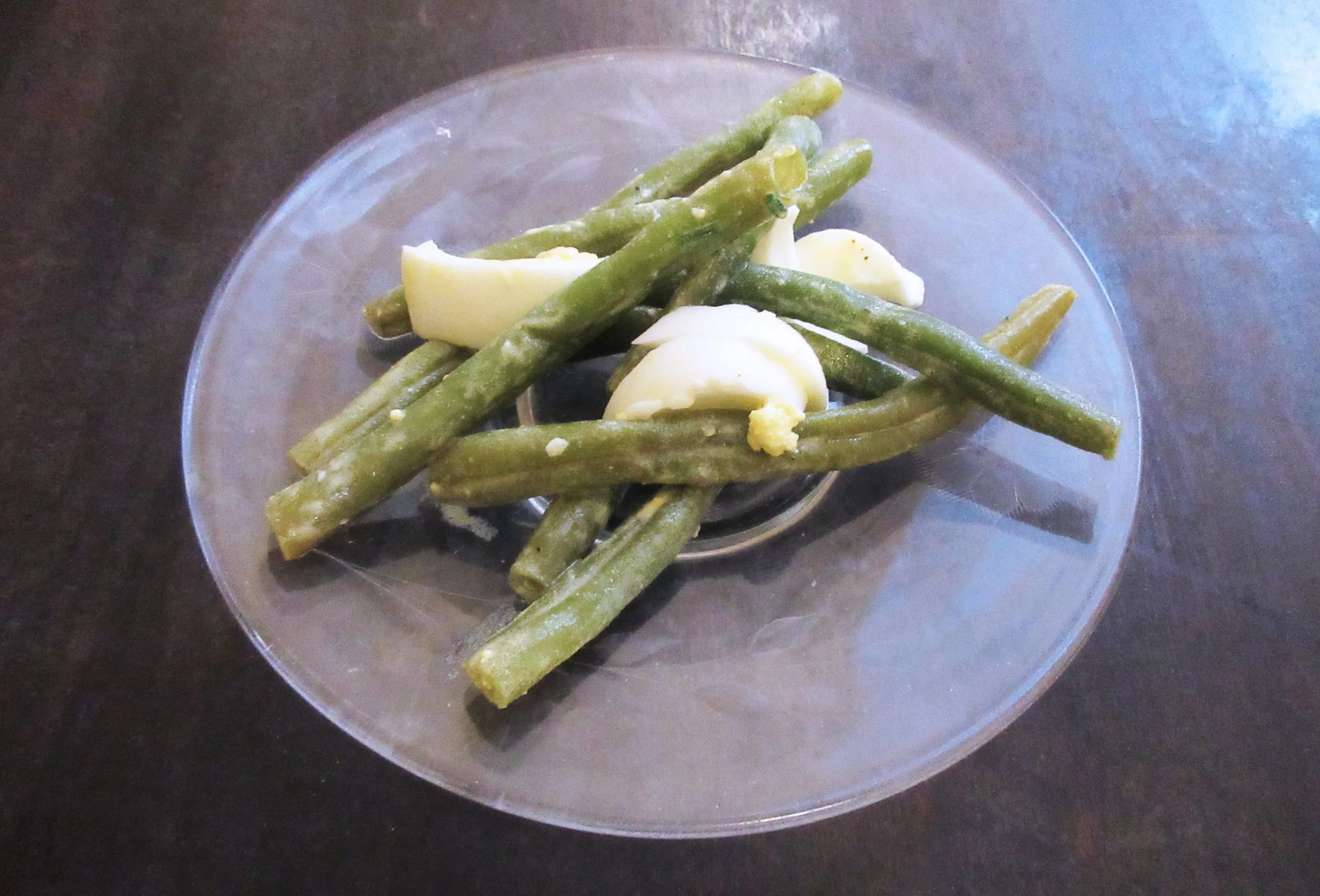
French Beans as a Salad, with Salad Sauce
This tasty green bean salad is found in John Smith's The Principles and Practices of Vegetarian Cookery, published in 1860 in London.
The Salad Sauce that accompanies the green bean salad is made of hard boiled egg yolks, oil, vinegar, mustard and herbs, and would taste amazing on salads of all varieties. Steve said that he didn't hate green beans when eating this salad, which is a glowing review of the Salad Sauce!