
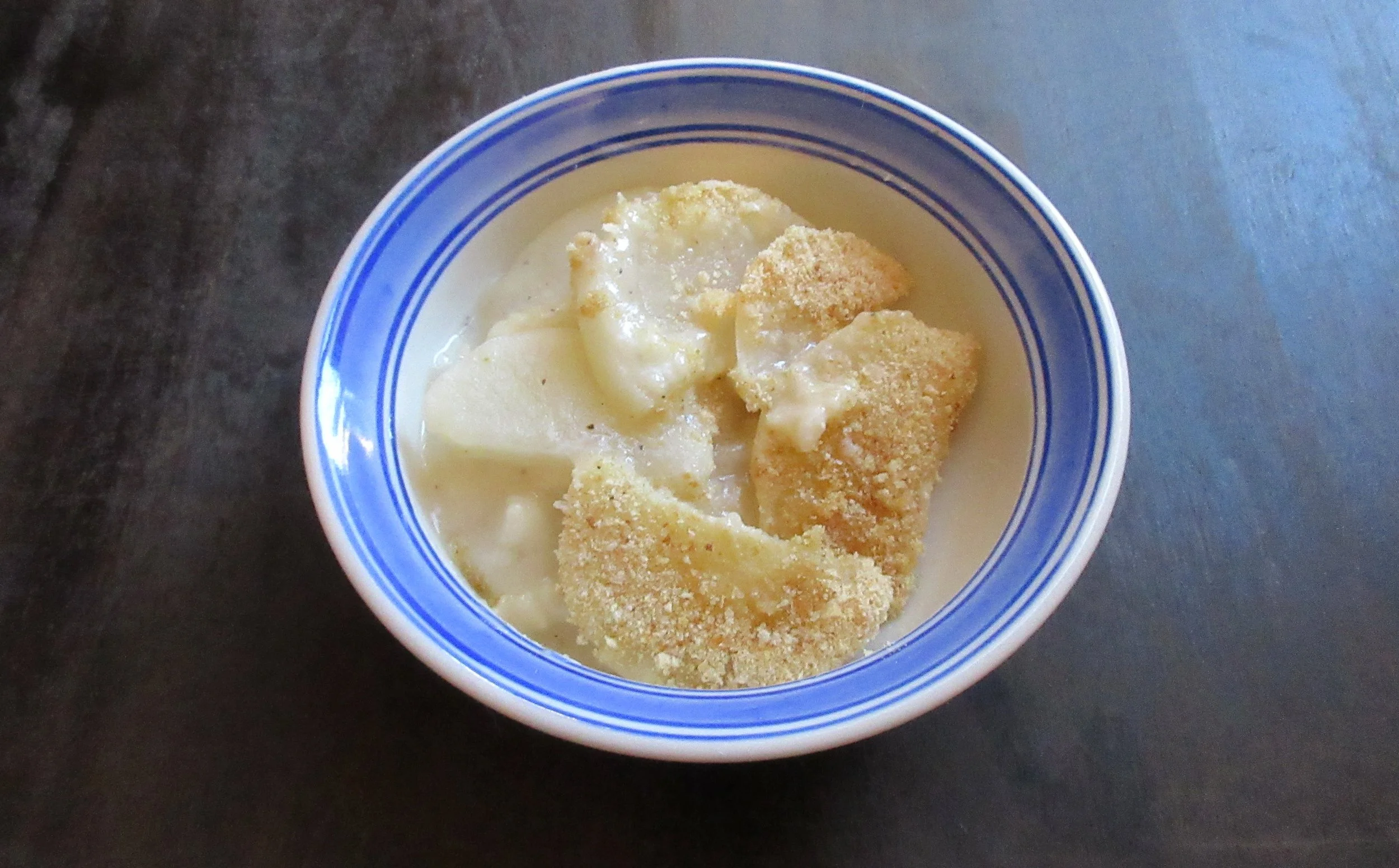
Scalloped Turnips
I wanted to prepare one last root-vegetable recipe before the greens & herbs start popping up here in Ontario, and I thought I'd turn to a local 1898 cookbook: The New Galt Cook Book.
Galt is a town which is now part of Cambridge, Ontario and it's also close to where I grew up and where I live now in Hamilton. Scalloped Turnips is an interesting twist on scalloped potatoes. The turnips provide additional flavour to the dish, and it is creamy but also light because the sauce uses a butter & flour rue and the cooking water from the turnips instead of a white bechamel sauce.
Coincidentally, I had this recipe selected and the turnips purchased before I knew that cooking at an event using recipes from The New Galt Cook Book was even a possibility! I'll be preparing food from this cookbook for a Victorian Tea at the Fashion History Museum in Cambridge, Ontario on May 18th, and Food Historian Carolyn Blackstock will be speaking about her year-old journey making a recipe a day from The New Galt Cook Book.
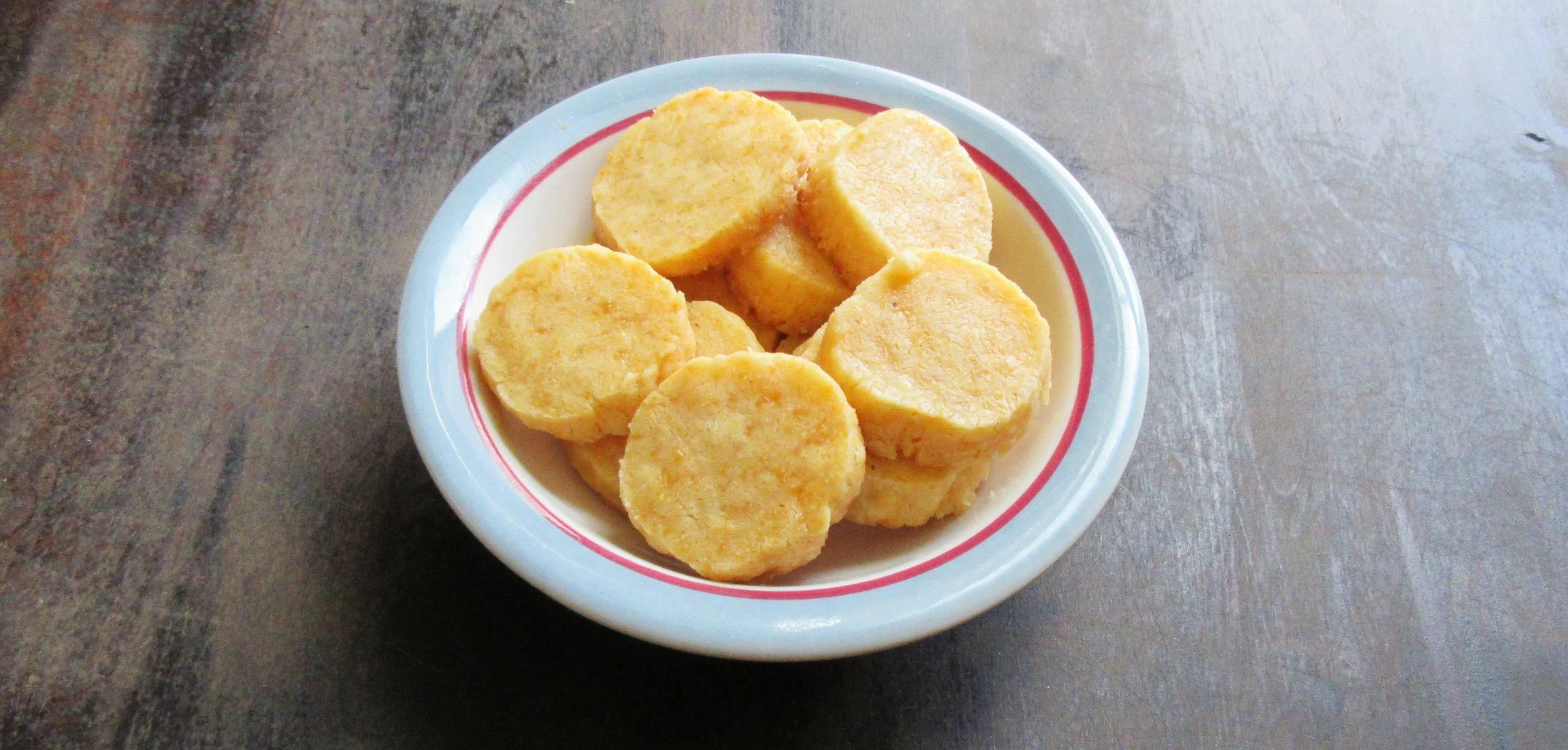
Cheese Hooies
One year ago today, on March 31st, I hit the "Publish" button for the first time and put out my first Food History blog recipe for the world to see and taste. I selected Cayenne Cheeses, a scrumptious cheese biscuit, from the 1861 Mrs. Beeton's Book of Household Management because it has been one of my favourite historic recipes since I began working in Historic House Museums. They are really delicious, you should try them!
My 1-year anniversary recipe is Cheese Hooies. When I first read this recipe in the 1965 Stillmeadow Cookbook by Gladys Taber, I saw the ingredient list (butter, cheese, flour, salt and cayenne pepper) and thought, "These Hooies are basically Cayenne Cheeses". Cheese Hooies haven't kicked Cayenne Cheeses off my favourite recipes list, but making them was interesting look at how a century changes a recipe.
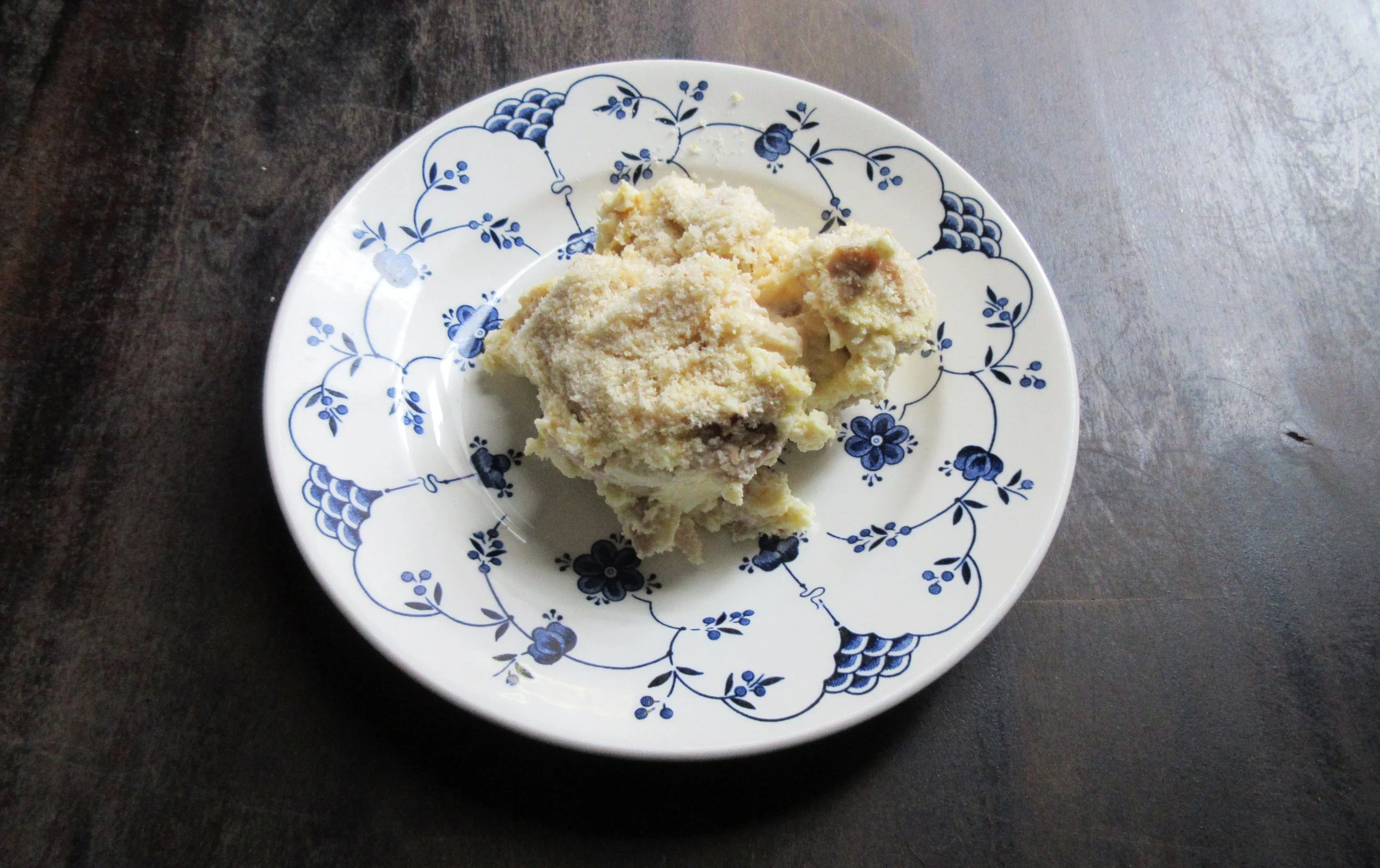
Chicken Terrapin
Chicken Terrapin, from the 1903 Good Housekeeping Everyday Cook Book, is a creamy and decadent casserole dish, perfect for using up leftover chicken. After selecting this recipe, my research began with the question "Why is this dish called Chicken TERRAPIN?" and quickly descended down a rabbit hole. Literally. Before beginning to pull together what I learned about Terrapin recipes, I had pulled my childhood copy of Alice in Wonderland off my bookshelf!
The chicken meat in this recipe is meant to take the place of Terrapin Turtle meat and I'll be delving into how one prepares Terrapin meat, the popularity of Turtle Soup, specialized Turtle Soup Tureens and the replacement of dishes featuring turtle meat with Mock Turtle recipes. I'll also explain the appearance of the Mock Turtle character in Alice in Wonderland, and why he is so melancholy in the story.
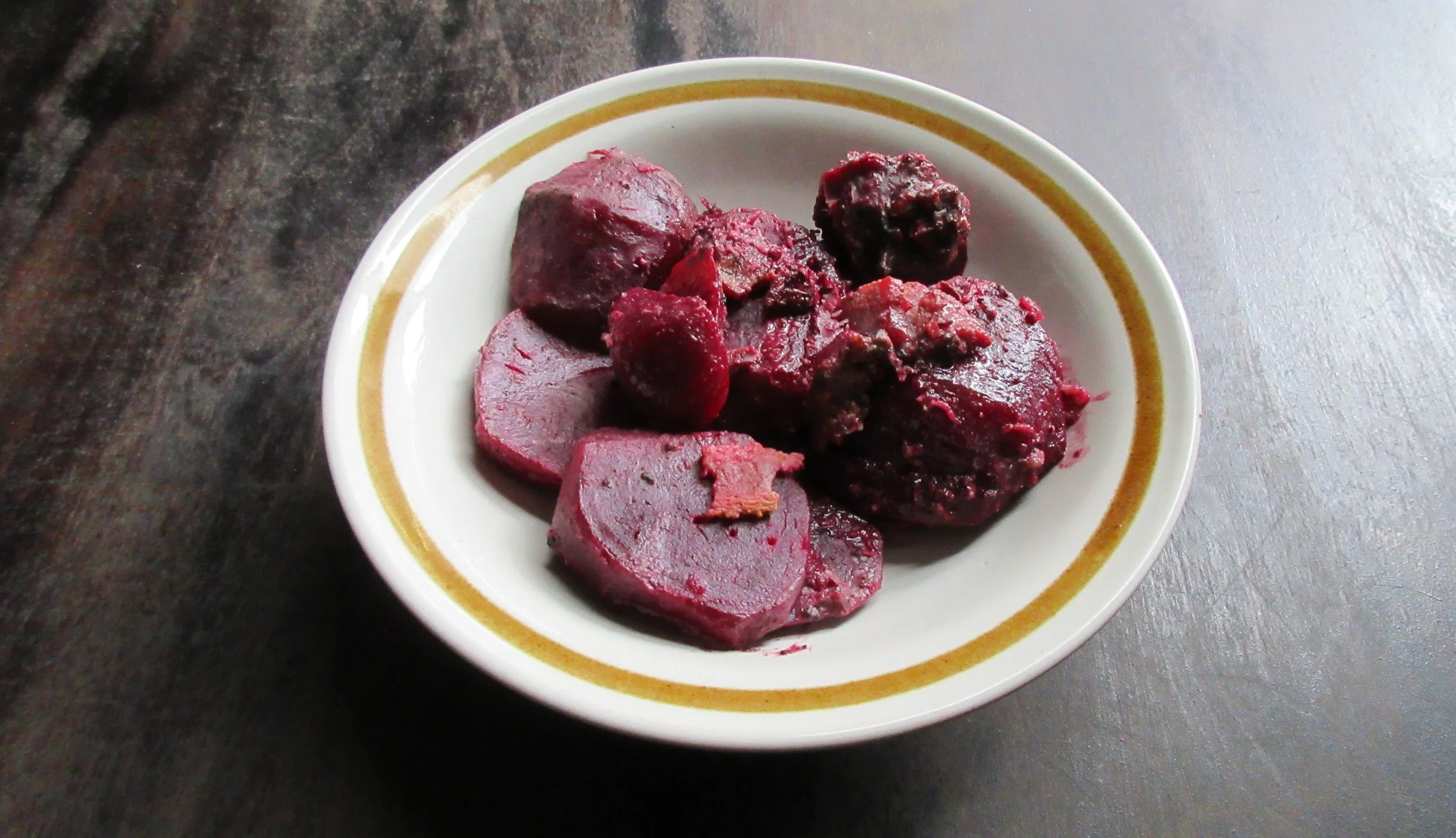
Piquant Beets
I'm not a fan of the taste of beets, although I have evolved enough to abide roasted and pickled beets on occasion. I liked Piquant Beets, though, and I can't say that I've ever thought that about a recipe made with boiled beets!
This recipe takes those (in my mind at least) repulsive boiled beets and jazzes them up with horseradish, honey, lemon juice and...wait for it...bacon. Steve's response to tasting this dish was, "I don't even mind the beets", which is probably the highest praise he could give to this recipe. We can thank Elaine Collett and Mary-Etta Macpherson, who compiled the 1965 Canadian classic The Chatelaine Cookbook, for this culinary miracle.
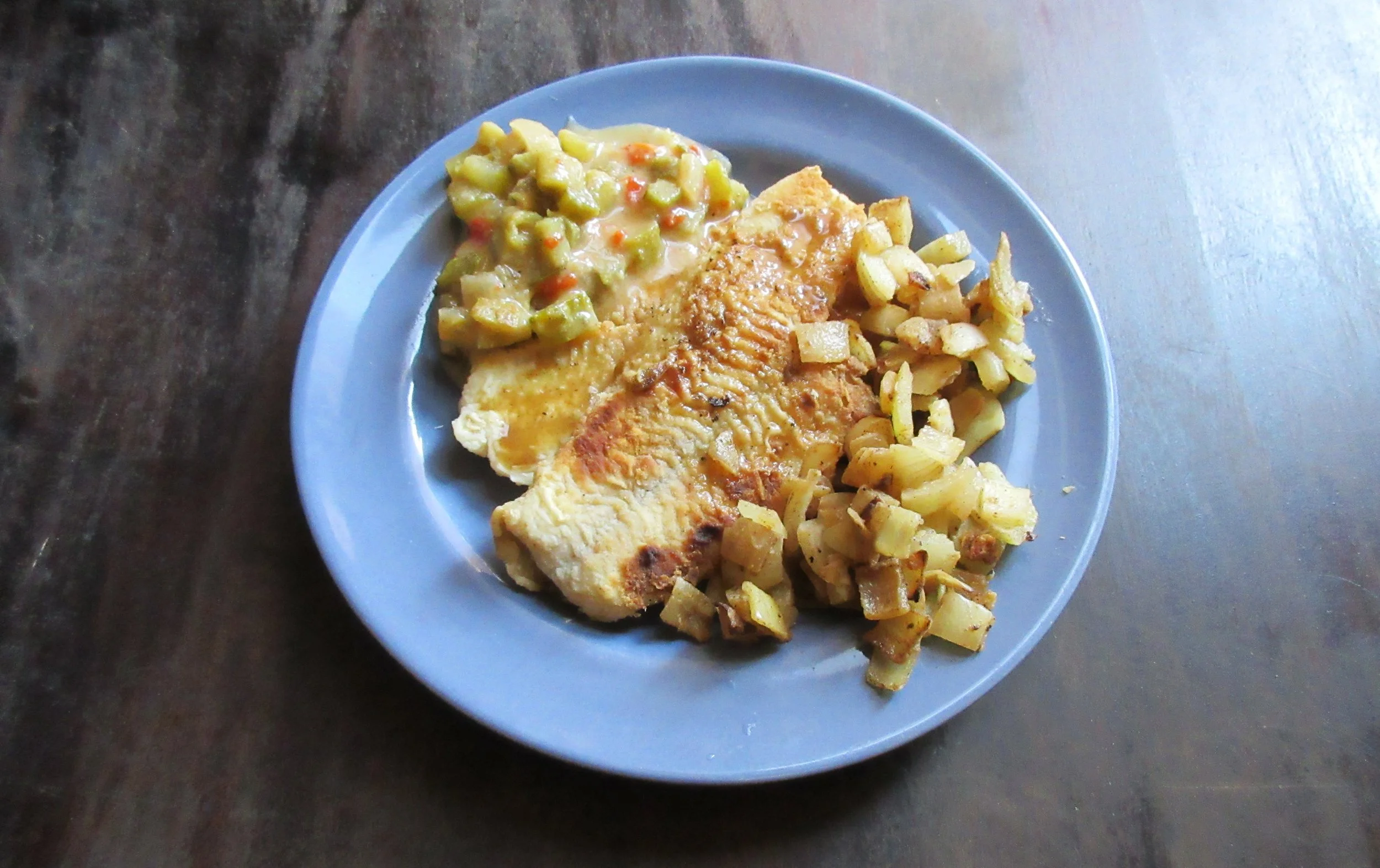
To Fry Fish
To Fry Fish is found in A Plain Cookery Book for the Working Classes,written by Charles Elmé Francatelli in London in 1852. Fortunately, I had some bacon fat in my fridge, so that's what I used to fry my fish. Let me tell you, fish dredged in flour and fried in bacon fat is scrumptious, and so were the fried onions that we ate on the side. I paired the fish with Sharp Sauce for Broiled Meats from the same cookbook. The main component of this sauce is a variety of pickles and it reminds of relish, albeit without the sweetness. I round out this blog post by delving a little bit into the Fish Slice, a serving utensil for fish.
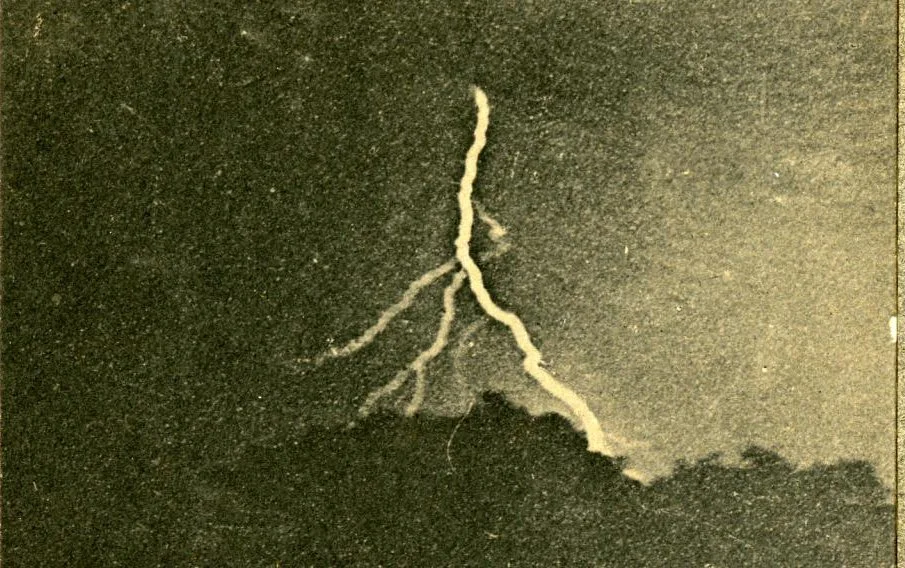
To restore from stroke of lightning
Cookbooks used to not only be a resource for learning how to prepare food, but would also contain medicinal recipes and household tips. I’ve been wanting to explore other facets of cookbooks, so to start with, I chose my favourite remedy, To Restore from Stroke of Lightning. This “cure” is my favourite because it makes me chuckle every single time, no matter how many times I read it.
This helpful tip is found in the Medicinal Receipts chapter in The Home Cookbook, published in 1877, which was Canada's first fund-raising community cookbook and the best selling Canadian cookbook in the 19th-century. I had the vague thought that I had an ancestor who was killed by lightning, so I did some research and found out who it was! You'll also get to read the story of John Yake Sr., my Great-Great-Great-Great-Grandfather, who died from being struck from lightning in 1840 and other sagas from the Yake family history.
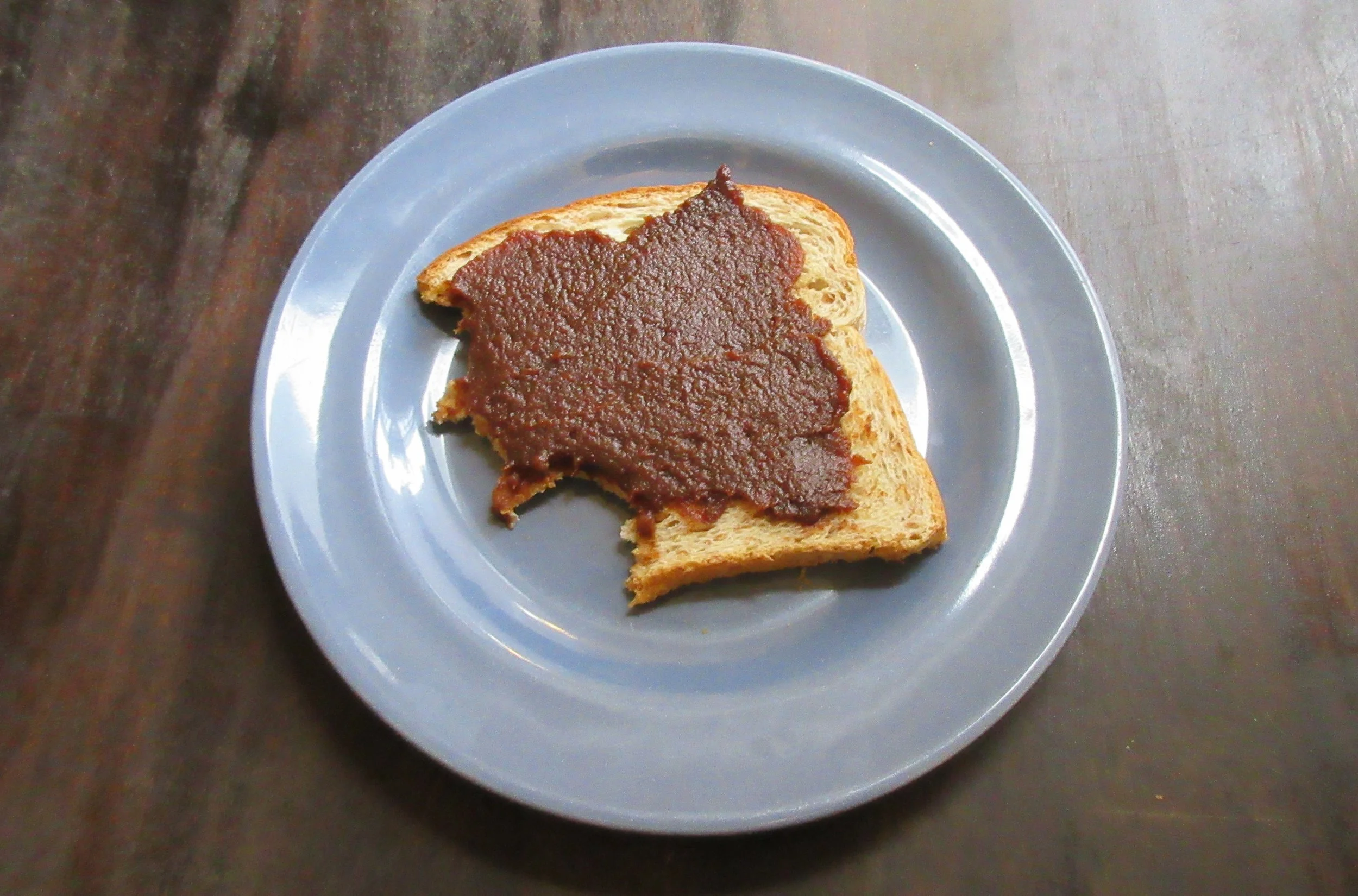
Apple Butter
Besides the fact that Apple Butter is very delicious, I had an ulterior motive for making this recipe. I made Apple Butter because I wanted to make use of the discarded apples from the historic cooking classes that I taught at Nelles Manor Museum this fall.
Our Apple Butter recipe is found in Miss Leslie's Directions for Cookery, published in Philedelphia in 1851. Making Apple Butter is much, much easier in our era because we're able to cook down our apples in a slow cooker, without having to stir the apples " nearly all the time with a stick" in a kettle suspended over a fire!
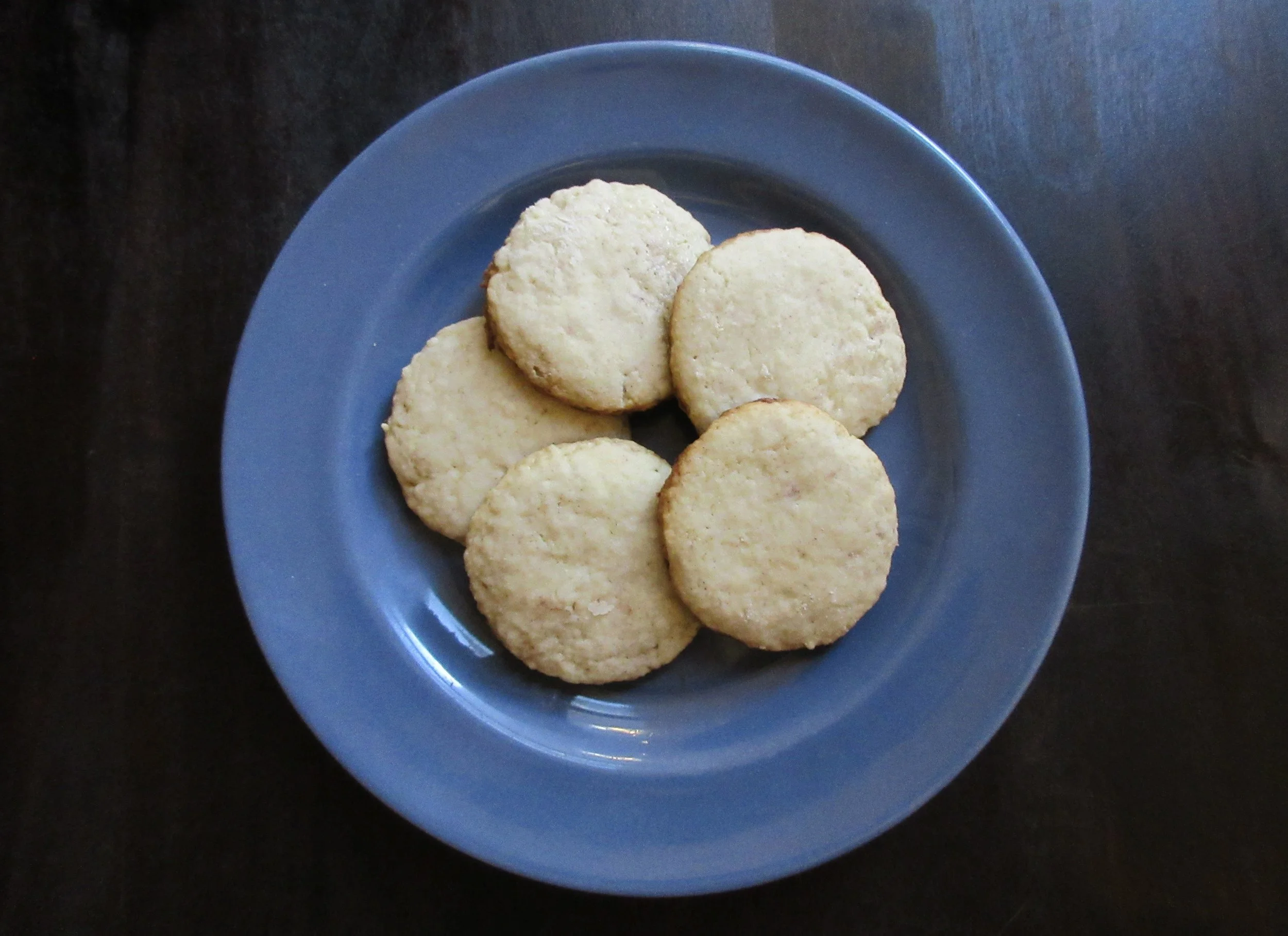
Albany Cake
If a sweet scone and a cookie got married and had a baby, that baby would be Albany Cakes. However you classify Albany Cakes, this sweet bit of bakery with cinnamon and rose water flavours is deelish! This was another recipe that we made at the cooking classes that I taught this autumn at Nelles Manor Museum in Grimsby. Our Albany Cakes recipe comes from The Frugal Housewife's Manual, published in Toronto in 1840, but written by a mysterious resident of Grimsby who likely would have known the Nelles family.
Pumpkin Soup
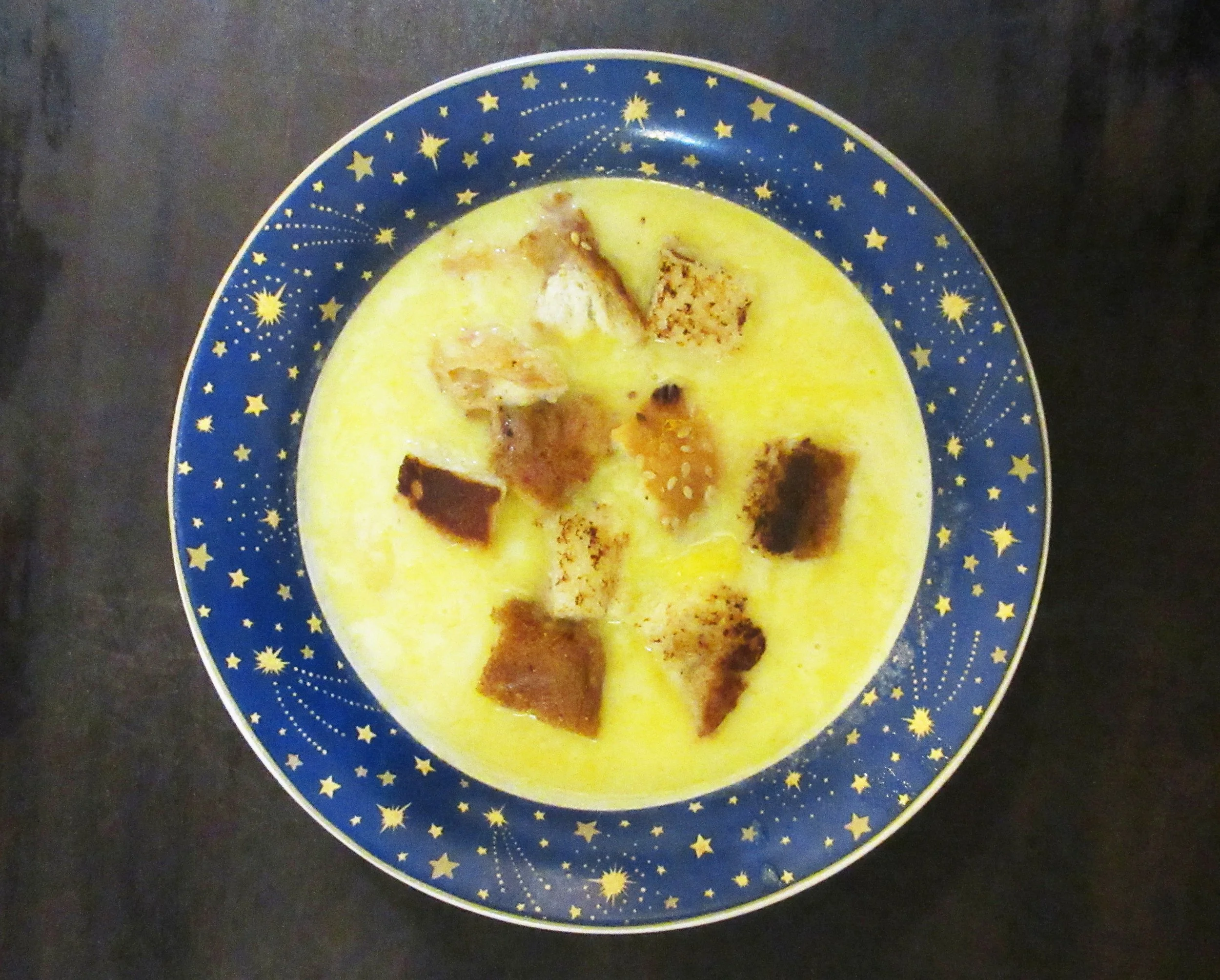
This Pumpkin Soup recipe comes from The Canadian Housewife's Manual of Cookery, which was compiled & published in my hometown of Hamilton, Ontario in 1861. It is hearty & flavourful, and I think the reason for this can be found in a one-word answer: butter. Expect a creamy robust soup with small chunks of pumpkin (or squash, if you can't find pumpkin). This soup is so rich that it might make a better side dish rather than the main component of your meal, but if you do try this recipe out, I highly recommend the historic recipe's suggestion of adding croutons made of fried bread to your bowl!
To make Orange-Drops
I wanted to make a candy recipe in honour of Halloween this year, so I did a search on my favourite place to discover new old cookbooks, the Internet Archive, and found the 1788 gem A new collection of receipts in confectionary.
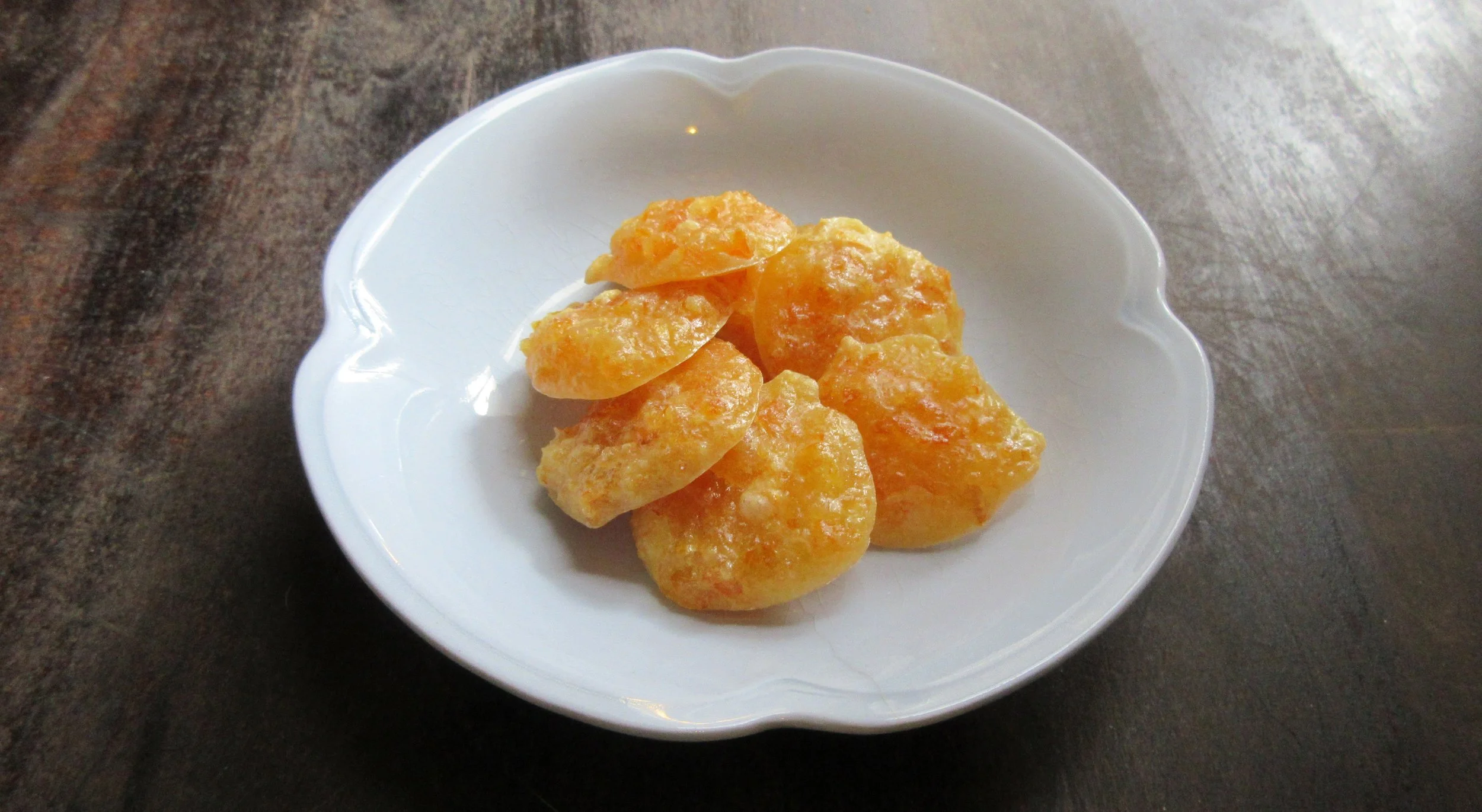
Orange Drops are a candy made of a dehydrated purée containing orange peel, white sugar and a bit of orange juice. Depending on how you dehydrate them, Orange Drops can be crispy or soft like a jujube. If you love Candied Orange Peel, you'll probably enjoy these Orange Drops! They’re less sweet than Candied Orange Peel (probably because they don't have the white sugar coating found on candied peels), so expect a balanced sweet & sour citrus flavour.
Squash Puff
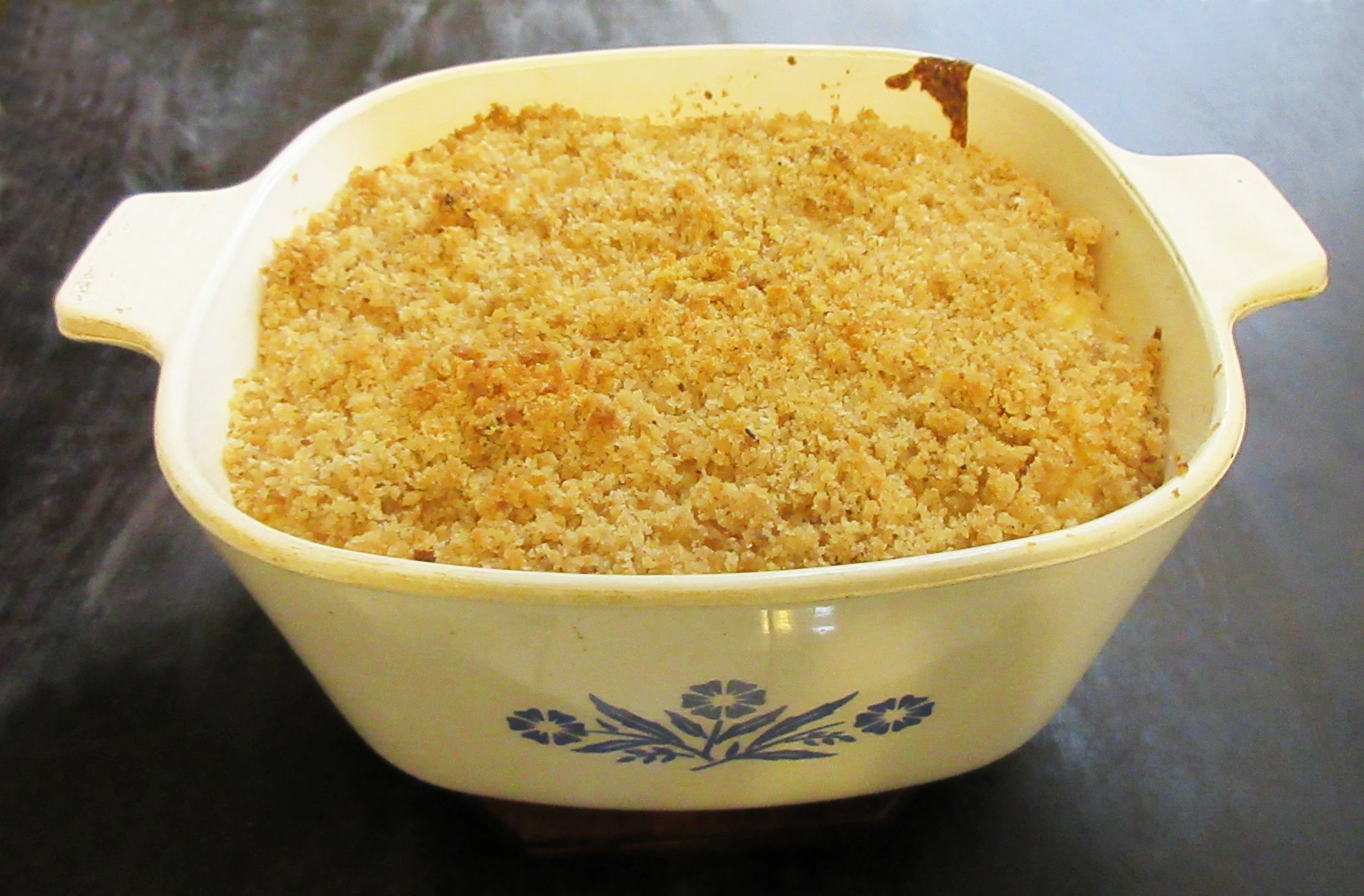
If you asked anyone in my family about our traditional family recipes, probably the first dish listed by everyone would be Squash Puff. I'd describe Squash Puff as a cross between squash pudding and soufflé.
It is light, fluffy and very flavourful considering it doesn't contain any onions or herbs. My Mom cut the recipe out of a newspaper at some point and it's been in her giant binder of recipe clippings ever since I can remember. Give Squash Puff a try at your next Thanksgiving, potluck or family gathering...or when you've got a hankering for some satisfying comfort food.
Tuna Sandwiches
This Tuna Sandwich recipe comes from the Peanuts Lunch Bag Cookbook (1974), which is a cookbook that was in our house when I was growing up. I don't remember anyone ever making a recipe from this cookbook when I was a kid, but I remember flipping through this book to read the Peanuts comics that are nestled amongst the recipes. About 6 months ago, I found this book in an antiques market...and all the memories flooded back.
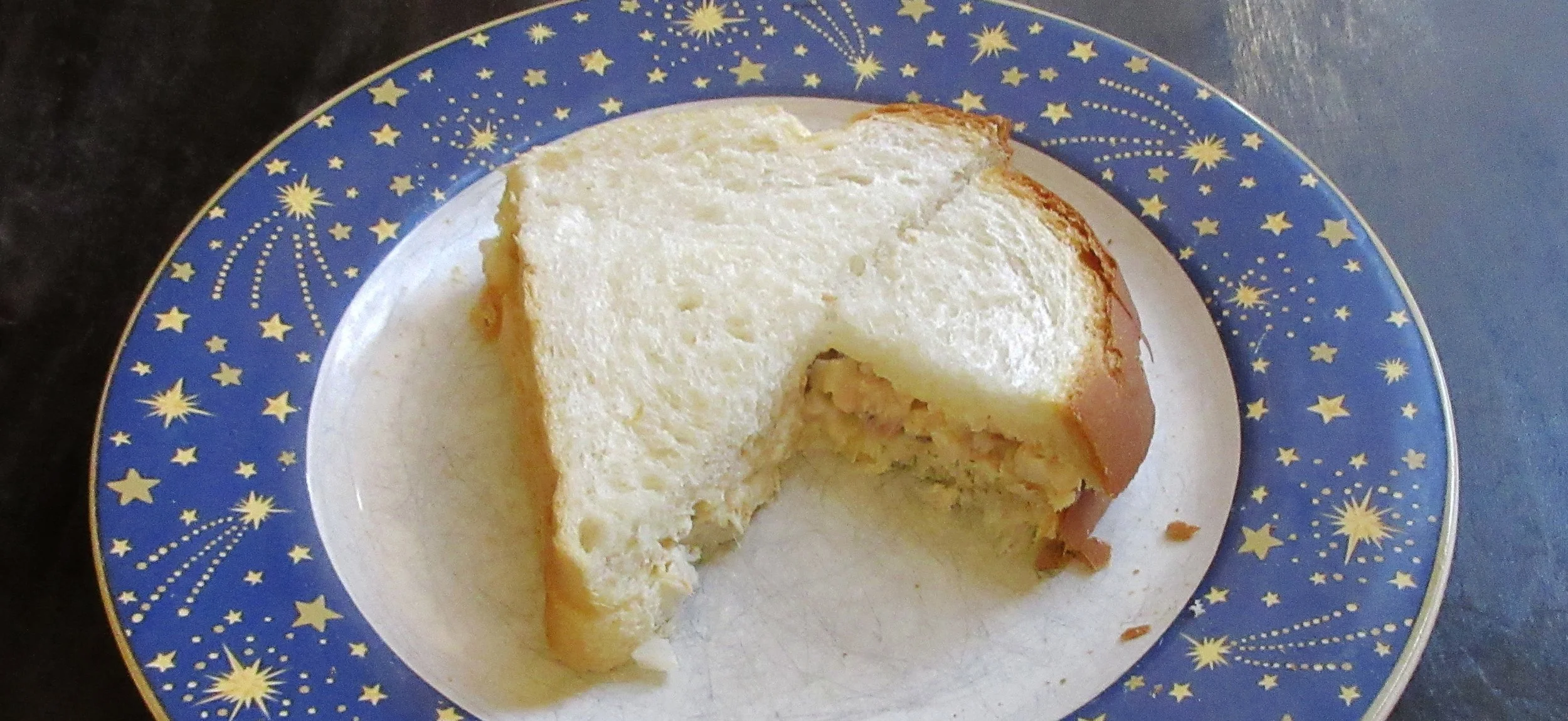
In this sandwich filling, you'll find flaked tuna, crushed pineapple and chopped water chestnuts. When I selected this recipe, my hunch was that it would either be delicious or disgusting and I had no idea which way it would go! I'm happy to report that it was delicious. The pineapple is very subtle. You can taste something a little bit sweet in there but you aren't quite sure what that is, and the water chestnuts add a nice crunch to the sandwich filling. The pineapple and water chestnuts cut the fishiness of the tuna, so you end up with a more subtle tuna flavour (and smell), so this recipe would make tunafish sandwiches more palatable for someone who isn't a fan.
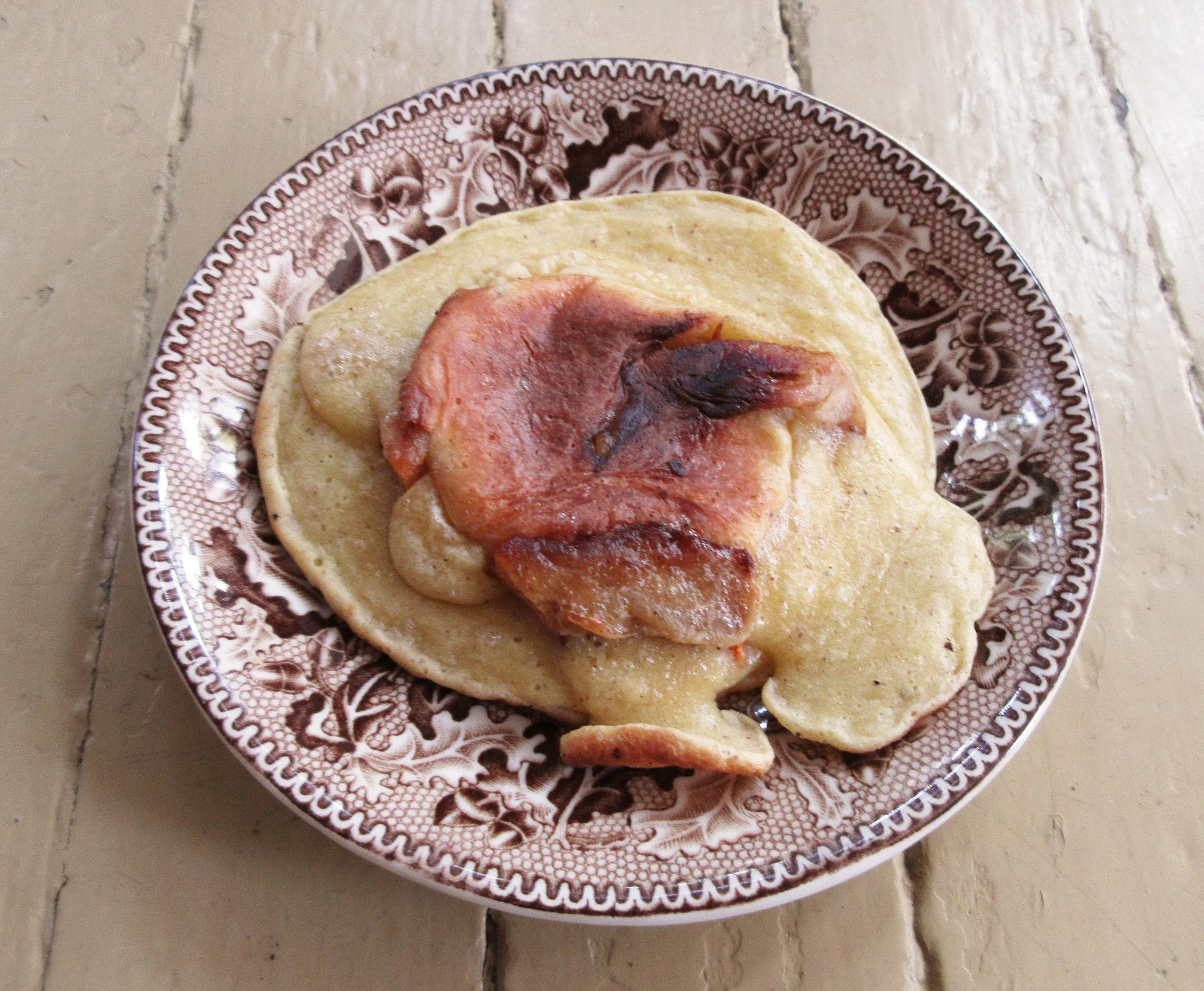
Apple Frazes
Apple Frazes are a tasty apple pancake from the 18th-century classic: The art of cookery made plain and easy by Hannah Glasse. Through making this recipe, I've learned that adding little bit of sherry to your pancake batter is a very good idea!
I had the pleasure of frying my Apple Frazes over an open hearth built in the 1780s at Nelles Manor Museum (www.nellesmanor.ca), where I'll be teaching Open Hearth Cooking Classes. The September Classes have sold out, but we've added a third class on November 4th at 1:00. At this class we'll be making the same Autumn recipes as the classes in September, only at the end of the Fall season rather than the beginning.
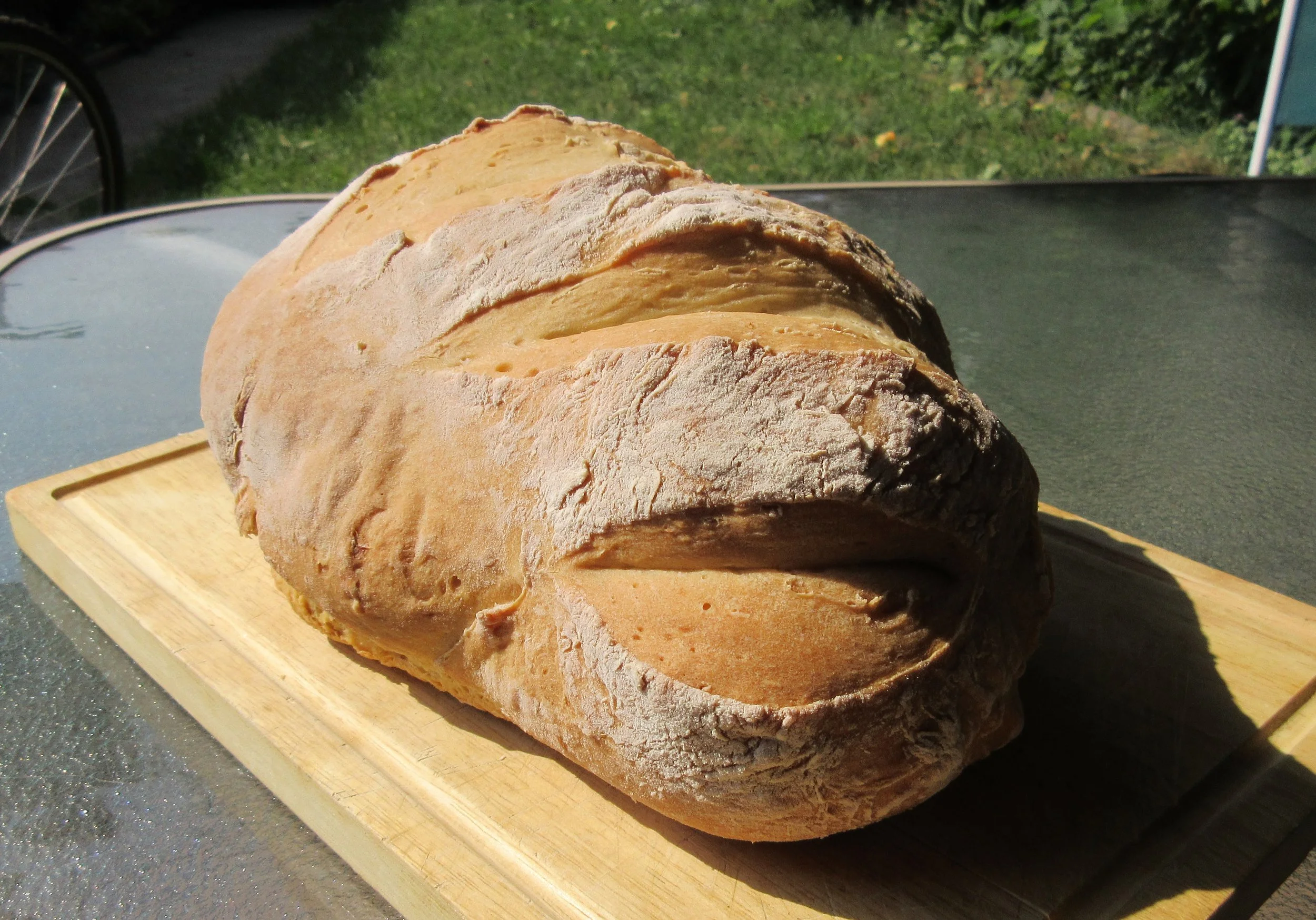
Apple Bread
In my backyard is a giant apple tree, so for as long as I call this house my home, you'll find apple recipes on this food history blog this time of year.
Apple Bread is surprisingly not sweet. This bread is very flavourful thanks to a longer prefermentation process and the apples add a little je ne sais quoi to the complex flavour of this moist bread. I took both the very large loaves this recipe yielded to a gathering along with some butter. I thought that there would be leftovers and there most definitely were not!
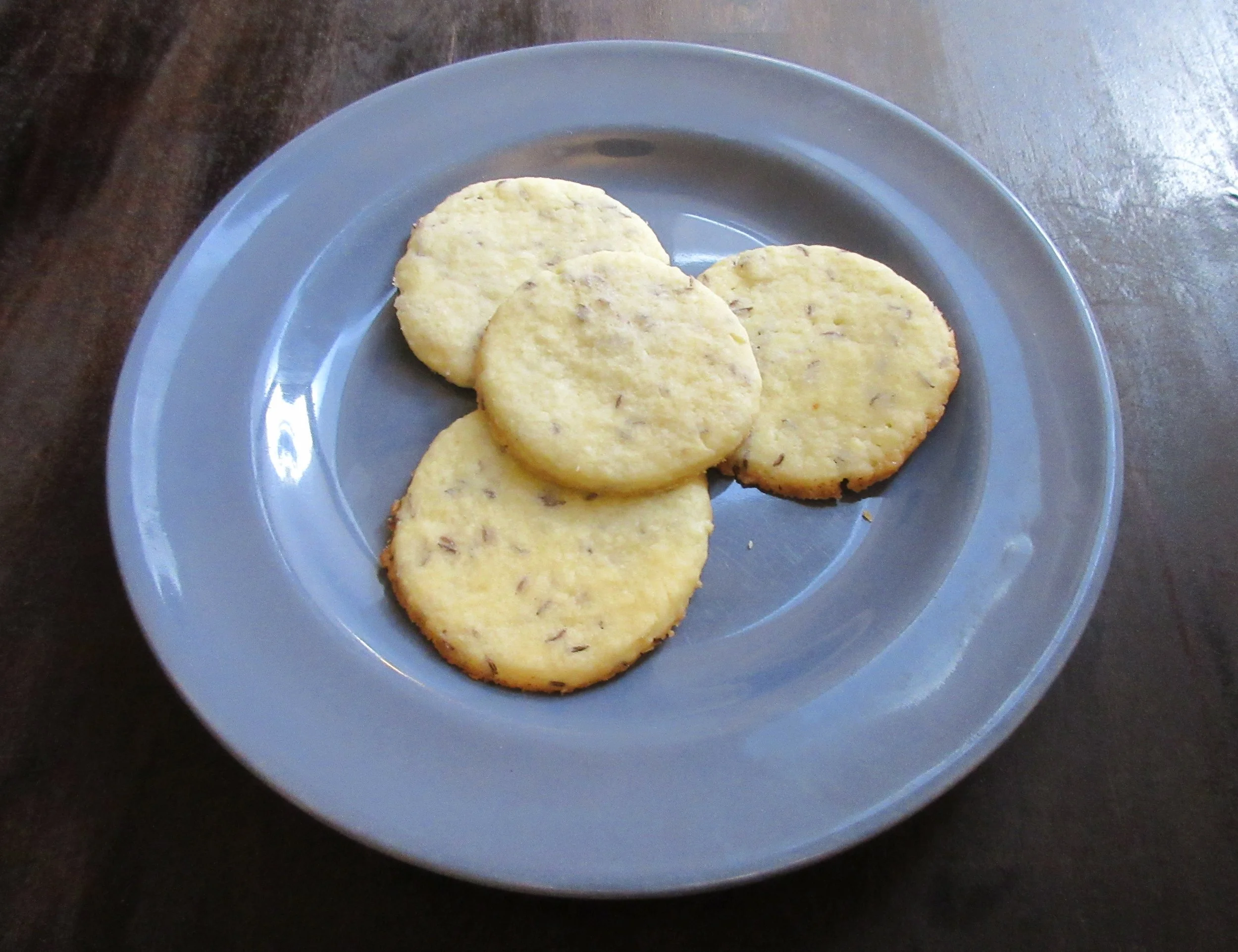
Shrewsbury Cake
These Shrewsbury Cakes are one of first recipes that I tested out for the Open Hearth Cooking Classes that I'm teaching at Nelles Manor in Grimsby, Ontario in September.
They are crisp & buttery, and the flavour of caraway seeds balances out the sweetness of these cookies. Shrewsbury Cake is from the first English-language cookbook that was both compiled & printed in Canada. The Frugal Housewife's Manual was published in Toronto in 1840, but the cookbook author is credited as “A. B. of Grimsby”. I love this connection to the Nelles family, since they likely would have known this mysterious A. B. who wrote the book.
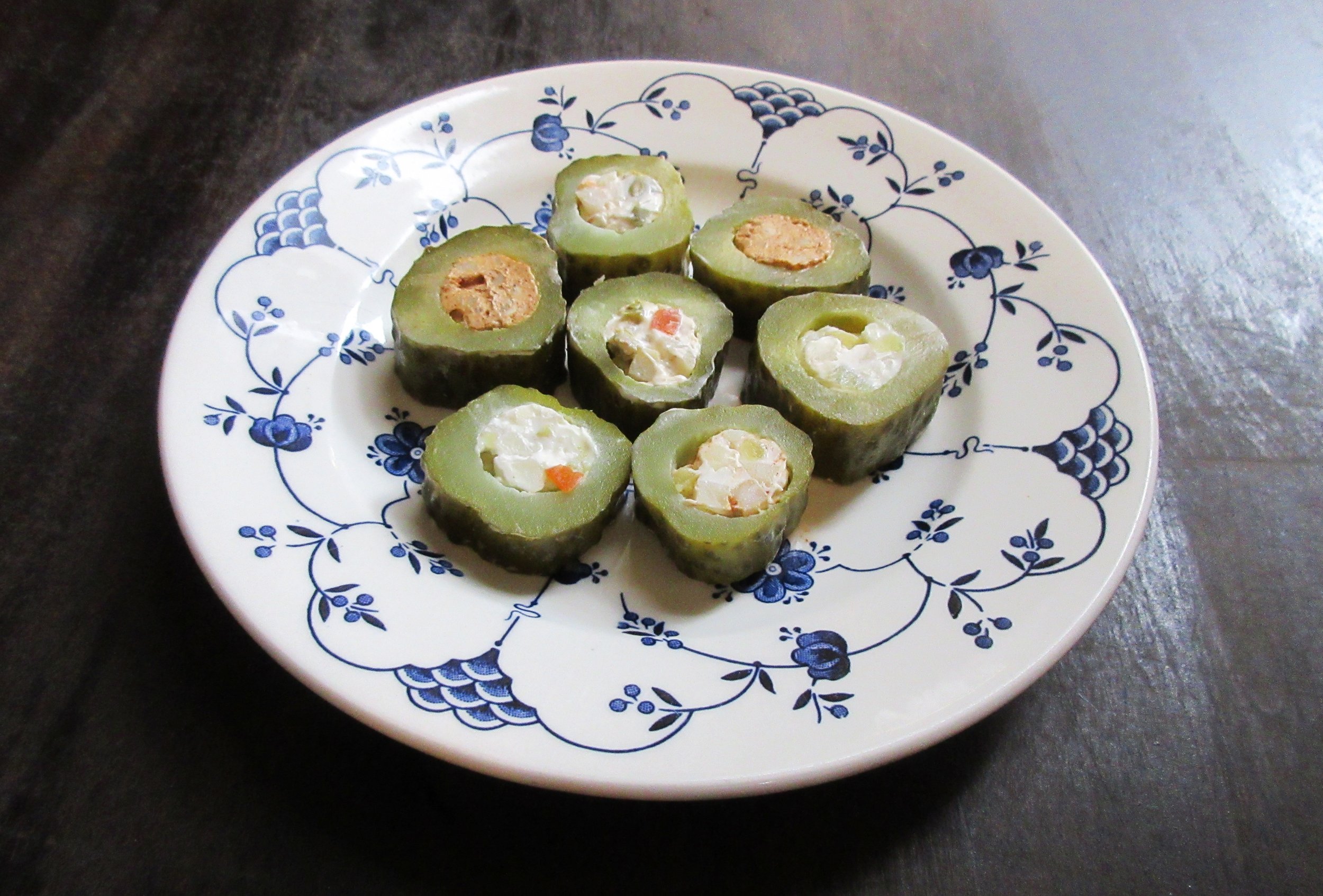
Filled Dills
Filled Dills is an appetizer recipe from The Stay Out of the Kitchen Cookbook, published in 1968. This cookbook contains make ahead recipes and dishes that can be left in the oven so that a hostess can spend time with her dinner guests instead of spending her dinner party in the kitchen.
Filled Dills are large dill pickles hollowed out with an apple corer, filled with cream cheese & various flavourings, then finally sliced into thin pieces. They are very tasty and easy to make ahead for your next gathering.
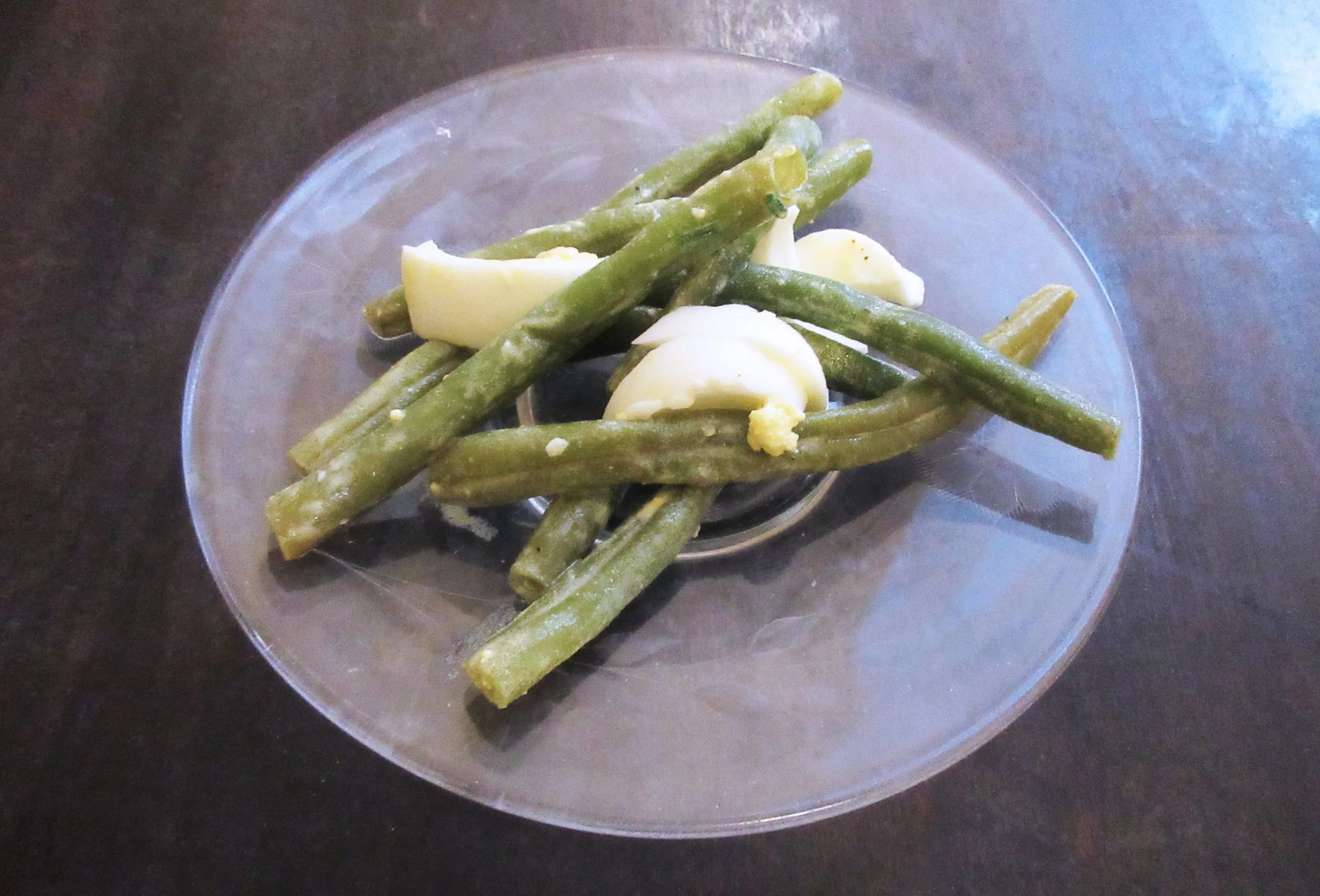
French Beans as a Salad, with Salad Sauce
This tasty green bean salad is found in John Smith's The Principles and Practices of Vegetarian Cookery, published in 1860 in London.
The Salad Sauce that accompanies the green bean salad is made of hard boiled egg yolks, oil, vinegar, mustard and herbs, and would taste amazing on salads of all varieties. Steve said that he didn't hate green beans when eating this salad, which is a glowing review of the Salad Sauce!
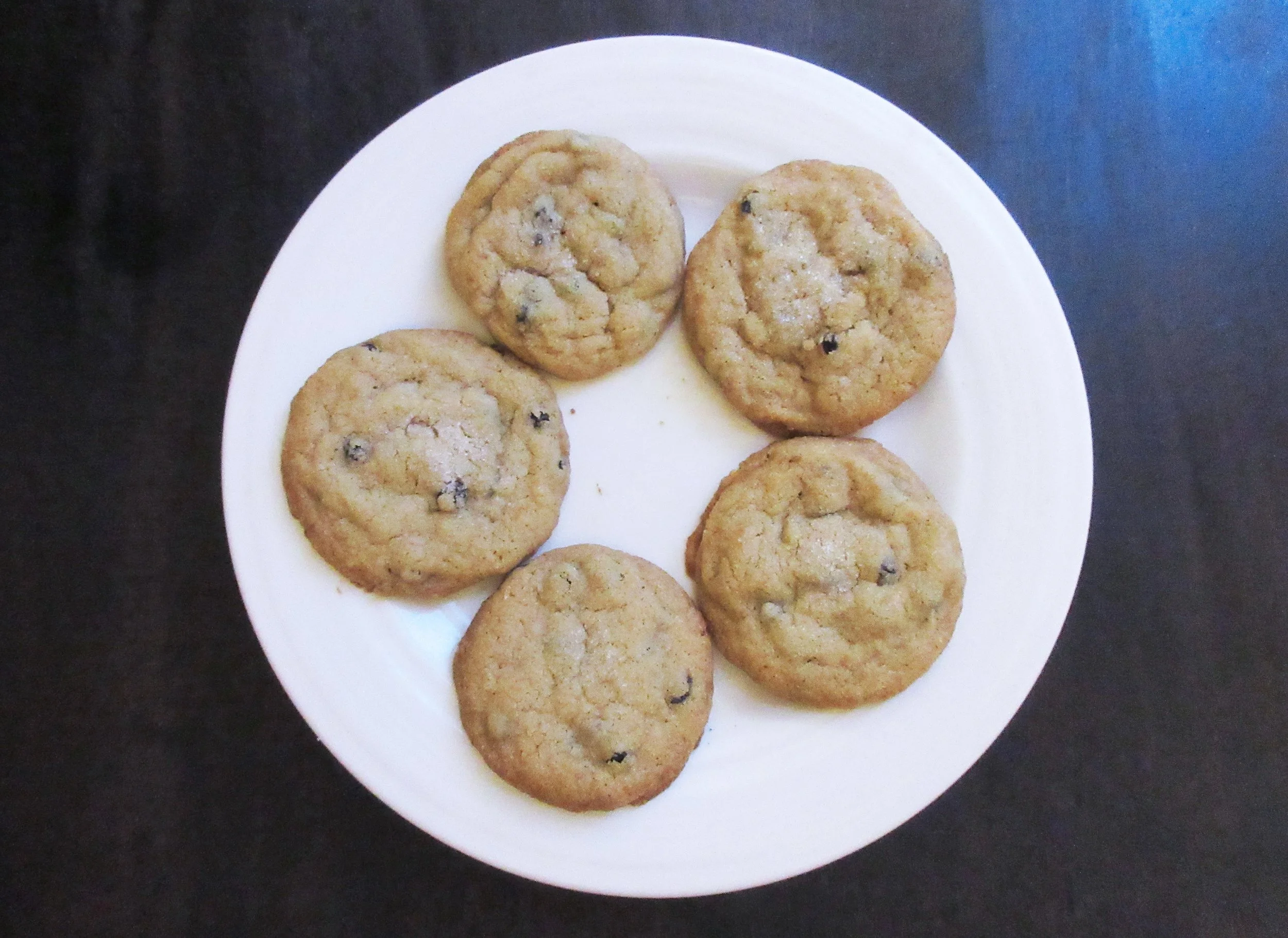
Queen’s Drops
Queen's Drops are a basic sugar & spice cookie with a hint of dried currants. The recipe is found in The Cook Not Mad, which has the distinction of being the very first cookbook to be published in Canada in 1831!
They are delicious with both white or brown sugar, but I prefer the extra flavour that comes with using brown. The dried currants provide little intense sweet flavour pops, and our recipe suggests using "any agreeable spice", so feel free to customize and add your favourite baking spices.
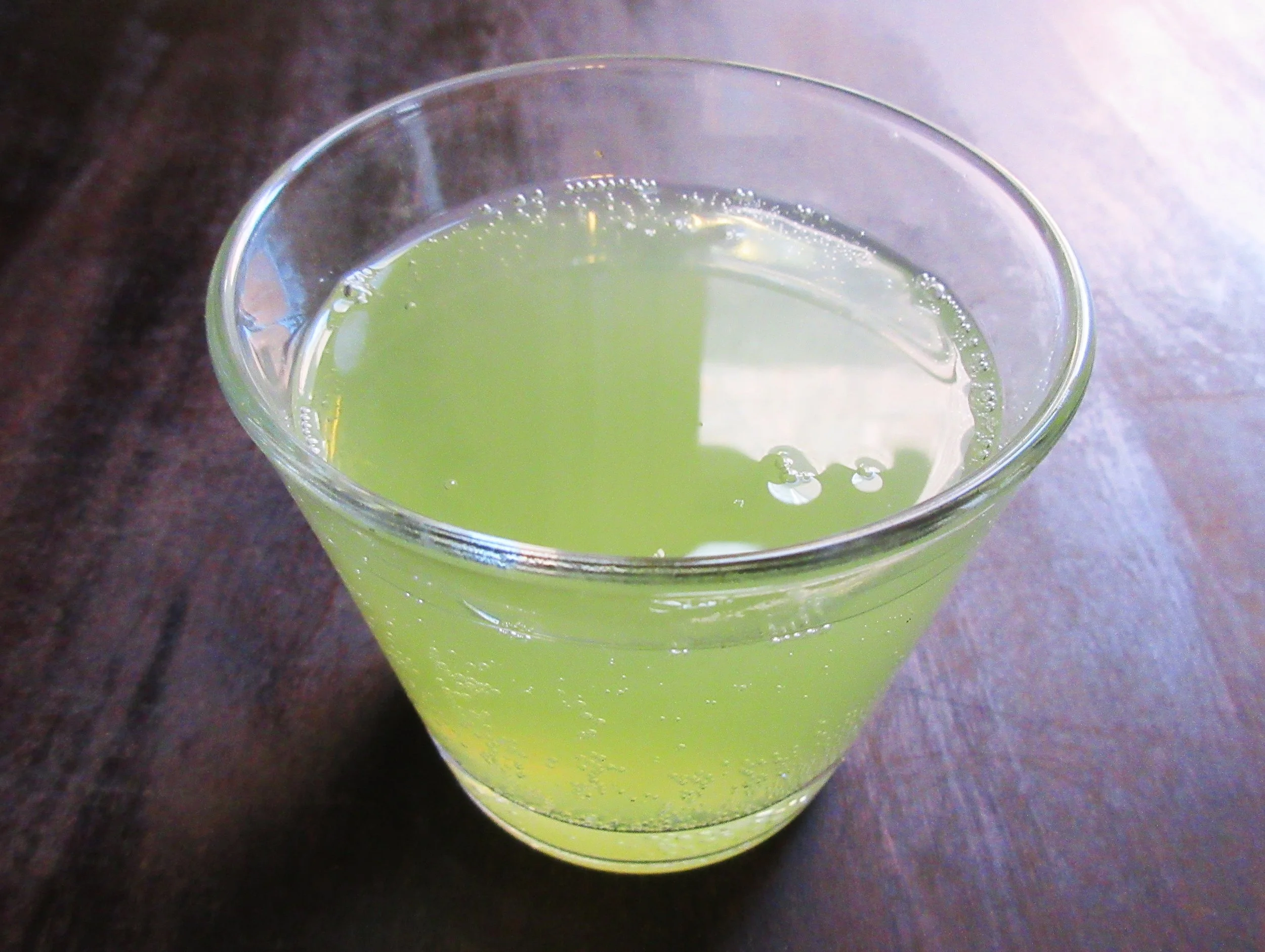
Mint Cup
Today's the first day of a scorching hot Canada Day long weekend in Ontario, and it's the perfect day to post about my experiences making Mint Cup, a mocktail recipe from a 1940s edition of The Joy of Cooking. To start off, you take about 5 minutes to make a mint syrup with fresh mint leaves, sugar and water. Once it's strained & cooled, you add lemon juice, ginger ale and a bit of green food colouring. It's a very refreshing beverage that tastes like a Whisky Sour. I'd recommend giving it a try!
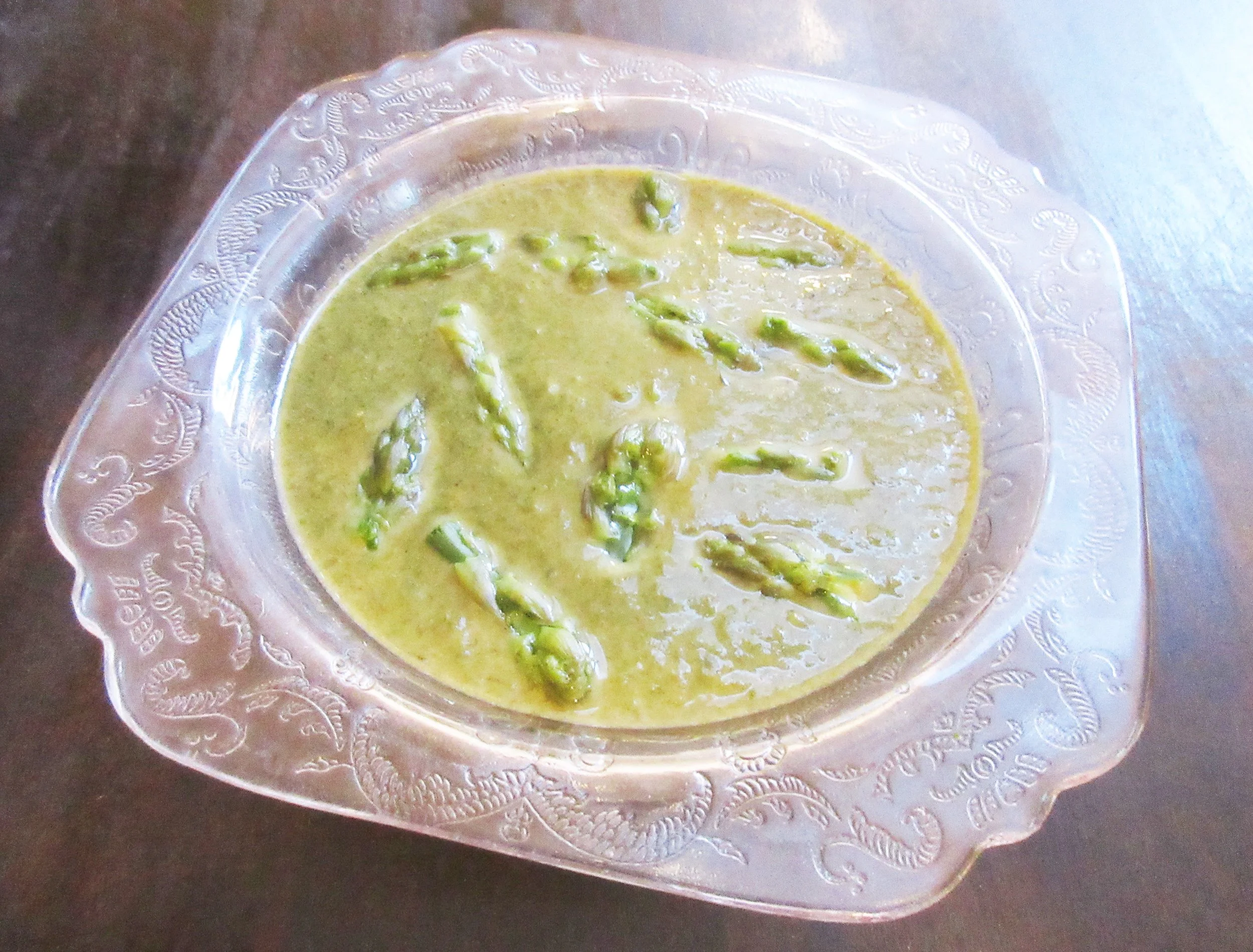
Asparagus Soup
This Asparagus Soup recipe comes to us from a copy of Mrs. Beeton's Cookery Book that I picked up at an antiques market. The strange thing about this edition is that there's no publication date printed inside! The internet generally agrees that my copy was printed in either 1923 or 1925, but whatever the publication date, I love its cover design.
Our soup recipe contains asparagus, of course, and also a lot of spinach. The spinach in this soup provides the vibrant green colour, but most of the flavour comes from the asparagus. The puréed creamy soup is offset nicely with the tender asparagus tips, that provide a nice variety in the texture and a flavour pop to boost.